Machine
Excavator, electric shovel, dragline, drill, continuous miner, LHD, shuttle car, roof bolter or pump.

TEBAOFLEX provides heavy-duty flexible cable solutions for mobile and stationary mining equipment operating under continuous trailing, reeling, impact, abrasion and harsh environmental conditions. From open-pit excavators and draglines to underground continuous miners, shuttle cars and pumps, cable construction is reviewed around the actual equipment, movement and electrical duty.
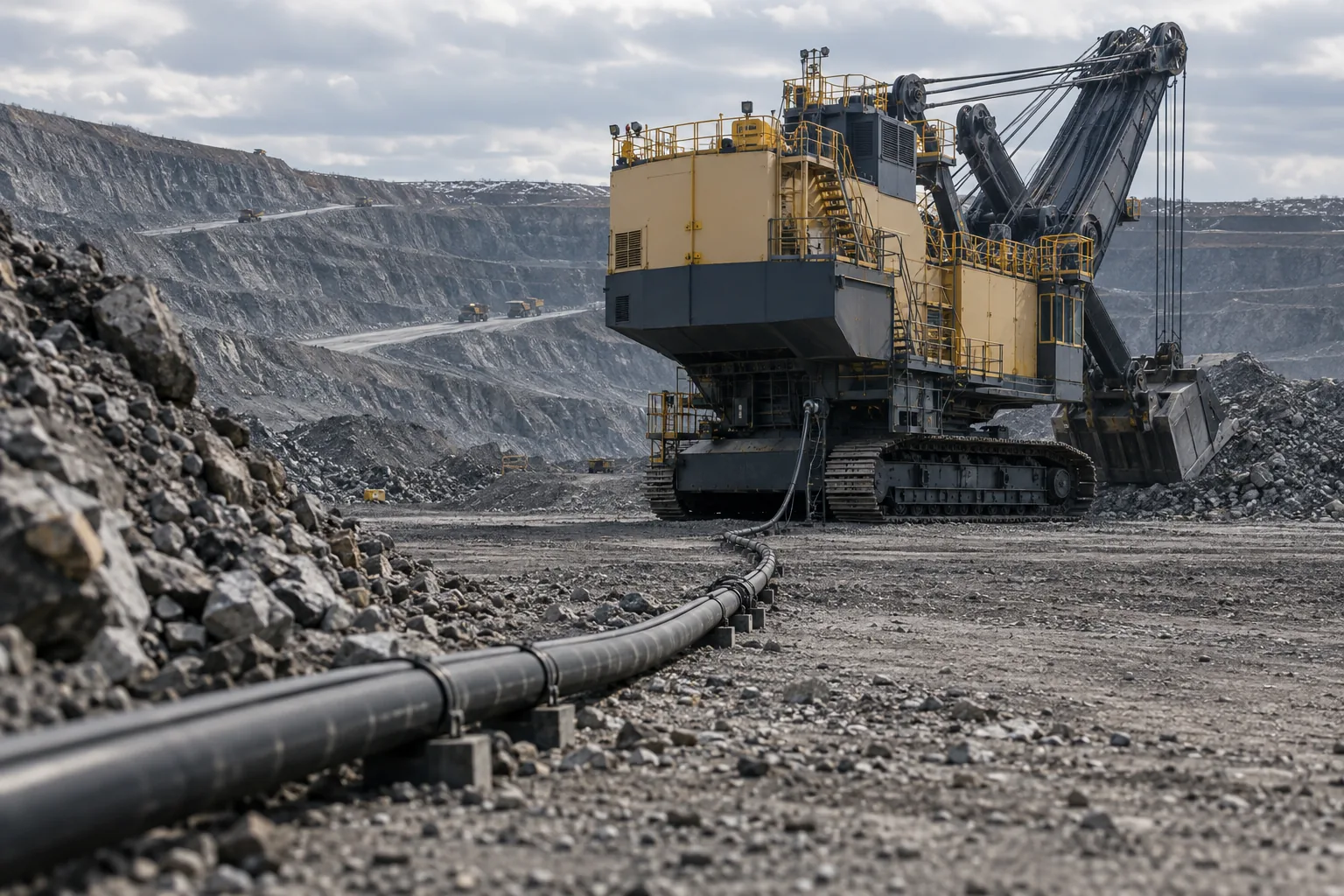
A useful recommendation starts with the equipment and operating route—not only a cable name, conductor size or voltage rating.
Excavator, electric shovel, dragline, drill, continuous miner, LHD, shuttle car, roof bolter or pump.
Trailing, reeling, cable handler, controlled bending, fixed installation or periodic relocation.
Rock, gravel, water, oil, UV, temperature, flame requirements and confined underground routes.
LV or MV rating, conductor size, shielding, grounding, ground-check, control and fibre-optic functions.
Open-pit and underground operations create different routes, handling methods and safety priorities. Each application should be reviewed against the actual machine cycle.
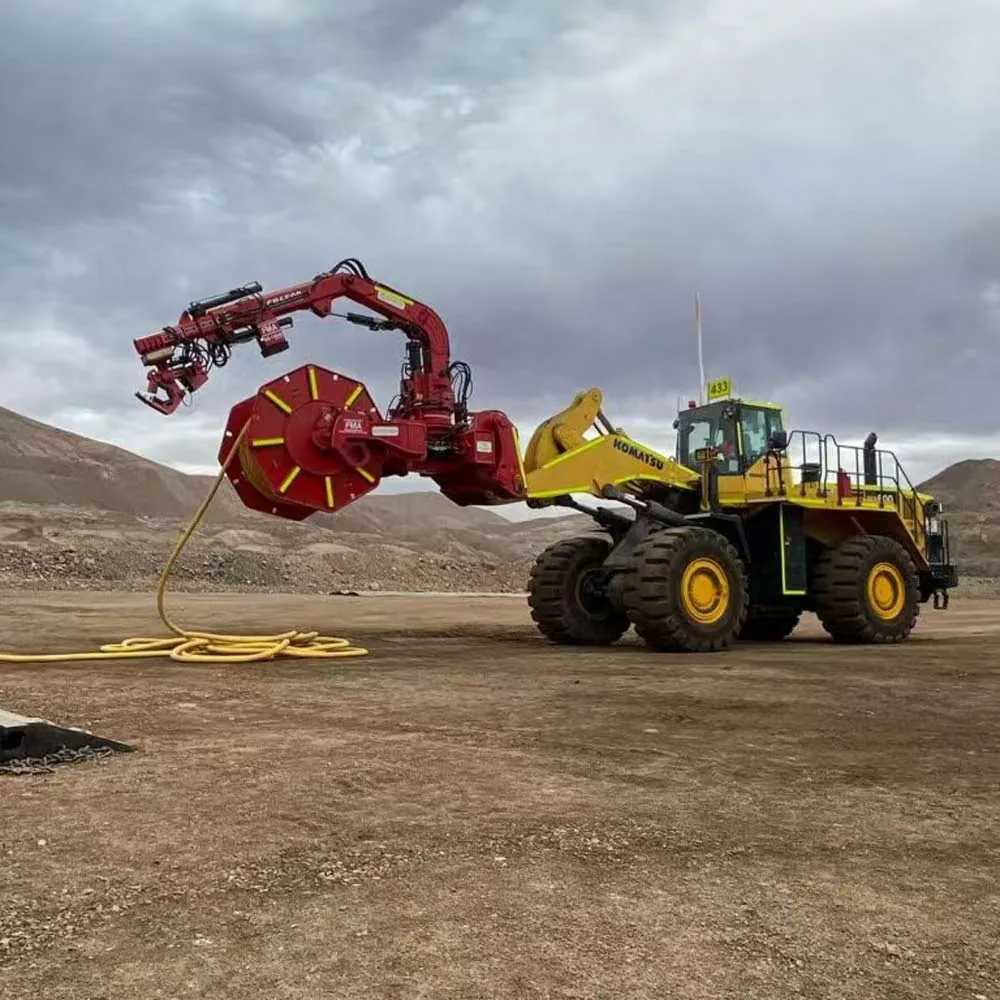
Excavators, draglines, blast-hole drills, mobile crushers and cable reels can expose power cables to repeated trailing, abrasive ground contact, impact, sunlight, oil and wide temperature variation.
Explore open-pit mining applications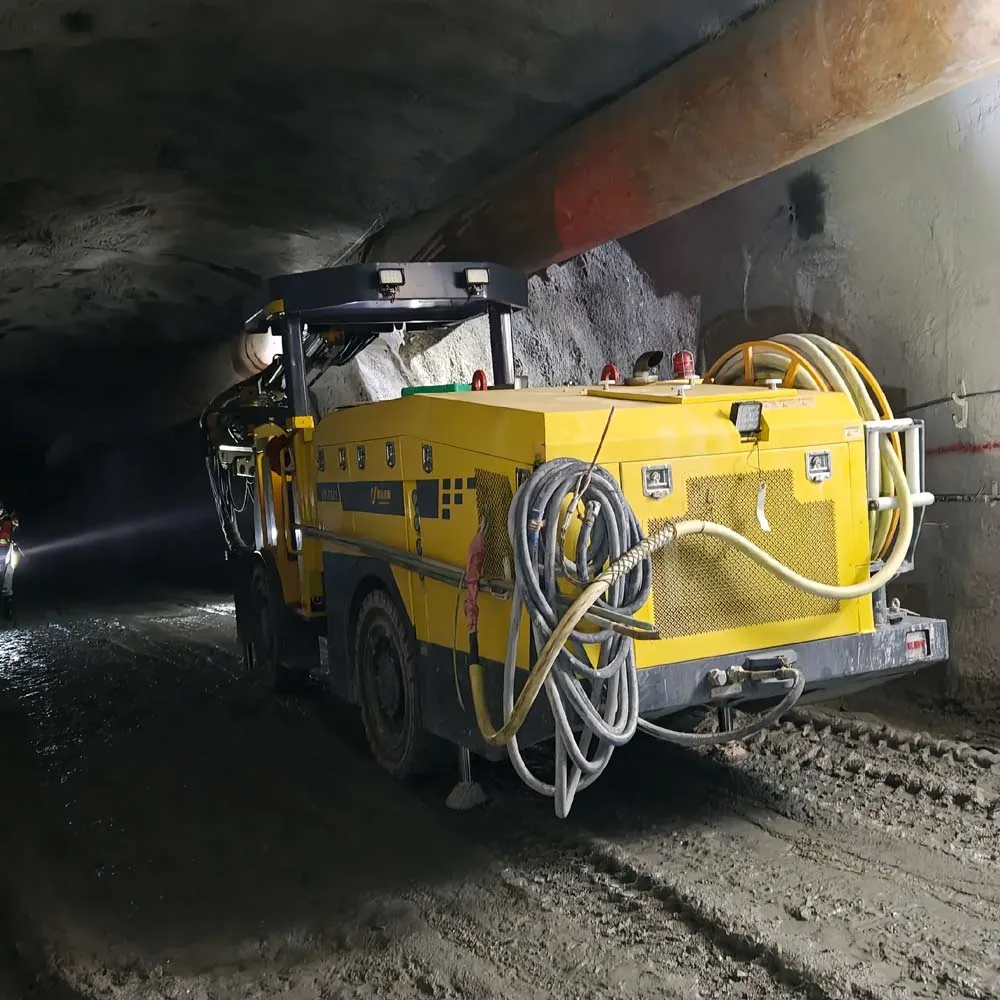
Continuous miners, shearers, shuttle cars, LHDs, roof bolters and pumps add requirements for flexibility, grounding, mechanical protection, moisture resistance and flame performance in confined routes.
Explore underground mining applicationsUse this matrix as a starting point. Final construction depends on the equipment documentation, route, duty cycle, voltage and applicable standard.
| Mining equipment | Cable movement | Main cable requirements | Relevant cable family |
|---|---|---|---|
| Electric excavator / shovel | Trailing or reeling | Abrasion, tensile load, medium-voltage power, rugged handling | (N)TSCGEWOEU / TR |
| Dragline | Long-distance trailing | Severe abrasion, impact, pulling load and mine-floor contact | Heavy-duty MV trailing cable |
| Blast-hole drill | Reeling or trailing | Repeated movement, bending, flexible power supply | MV reeling cable |
| Continuous miner | Trailing / cable handler | Flexing, flame performance, grounding and monitoring | Mining trailing cable |
| Longwall shearer | Cable handler | Controlled bending, compact route and continuous movement | Flexible mining cable |
| Shuttle car / LHD | Trailing or reeling | Repeated dynamic flexing and mechanical protection | Rubber mining / reeling cable |
| Mobile crusher | Trailing / relocatable | Impact, abrasion and semi-mobile power distribution | Heavy-duty trailing cable |
| Mine pump | Flexible / submersible | Water exposure, abrasion and electrical integrity | Submersible mining cable |
| Conveyor system | Fixed / relocatable | Power distribution and planned repositioning | Mine feeder cable |
Open-pit mining cable selection should account for machine travel, rough ground, reel arrangement, tensile load, voltage and exposure to weather or oils.
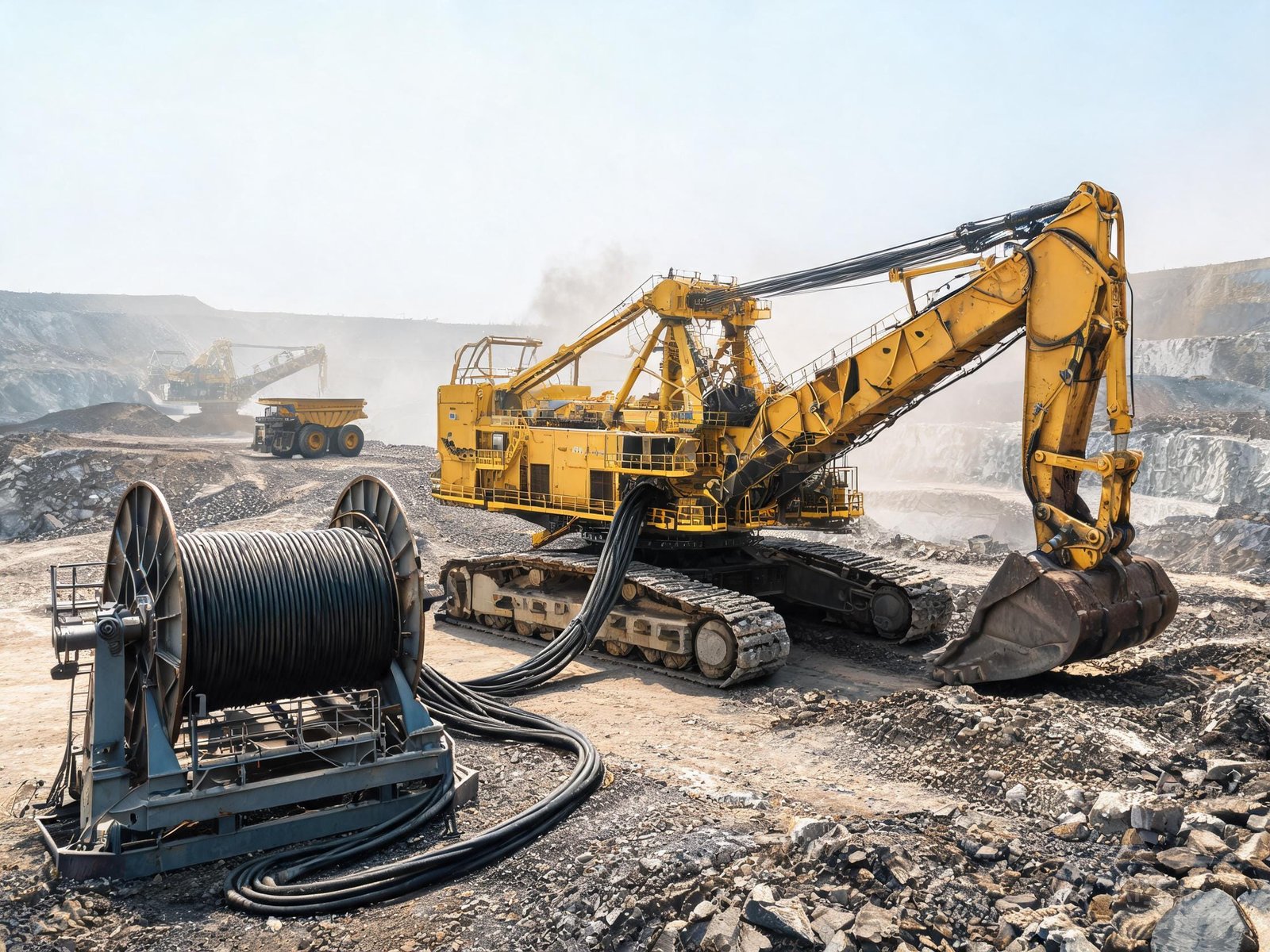
Trailing or reeling medium-voltage supply for machines exposed to repeated travel, rock and gravel abrasion, pulling force and changing cable routes.
View MV trailing cableLong travel and severe mine-floor contact require a construction reviewed for abrasion, impact, tensile stress and continuous heavy-duty trailing.
View heavy-duty trailing cableFrequent relocation and reel operation place emphasis on bending behaviour, reel geometry, pulling tension and a dependable medium-voltage power path.
View MV reeling cableSemi-mobile equipment needs a power cable selected for planned relocation, rough terrain, mechanical exposure and the available connection route.
Wet routes and pump installations require water exposure, immersion depth, termination design and the difference between flexible and submersible duty to be confirmed.
View submersible mining cableFrequency-converter-controlled machines may require an EMC-optimised cable system with an appropriate screen, symmetrical construction and confirmed voltage duty.
View VFD / EMC mining cableUnderground routes combine limited space, mobile equipment, moisture, mechanical handling and project-specific grounding or flame requirements.
Route, trailing distance, grounding, bending cycle and flame-performance requirements should be reviewed as one system.
Cable-handler systems require controlled bending, compact dimensions and a construction compatible with continuous machine travel.
Repeated trailing and direction changes place emphasis on flexible conductor design, abrasion resistance and cable management.
View flexible mining power cableDynamic reeling or trailing duty should be matched to reel diameter, travel speed, acceleration and the physical route around the machine.
Flexible power delivery may require additional attention to compact routing, repeated movement and protection against mine-floor damage.
Water exposure, relocation frequency, installation method and electrical distribution requirements determine whether flexible, feeder or submersible construction is appropriate.
Read the underground selection guideThe same voltage and conductor size can require a different construction when the movement method changes.
Cable is dragged behind or beside mobile equipment and repeatedly contacts the operating surface.
Cable repeatedly winds and unwinds from a motorised or spring reel under defined speed and tension.
Cable follows controlled bending through a handling system, chain or machine-guided route.
Cable remains stationary for a period but may be moved as mine development changes the installation.
Cable operates around dewatering pumps, drainage systems or water-exposed mine infrastructure.
These products provide practical starting points for common mining duties. Final selection remains subject to the confirmed project specification.
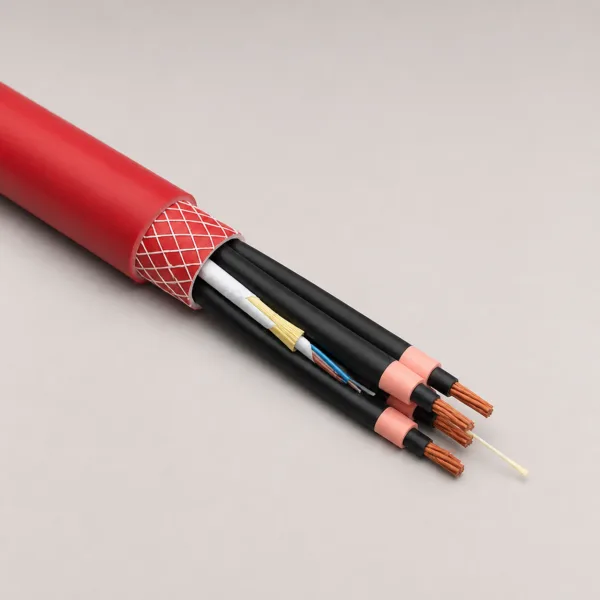
Flexible medium-voltage trailing cable with three power cores and auxiliary core functions for mobile mining and material-handling equipment.
View product details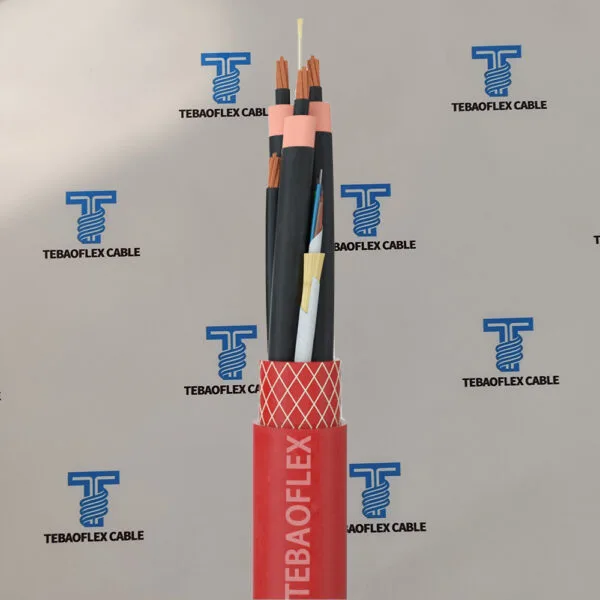
Heavy-duty medium-voltage trailing cable for open-pit machines exposed to continuous movement and abrasive rock, gravel or soil.
View product details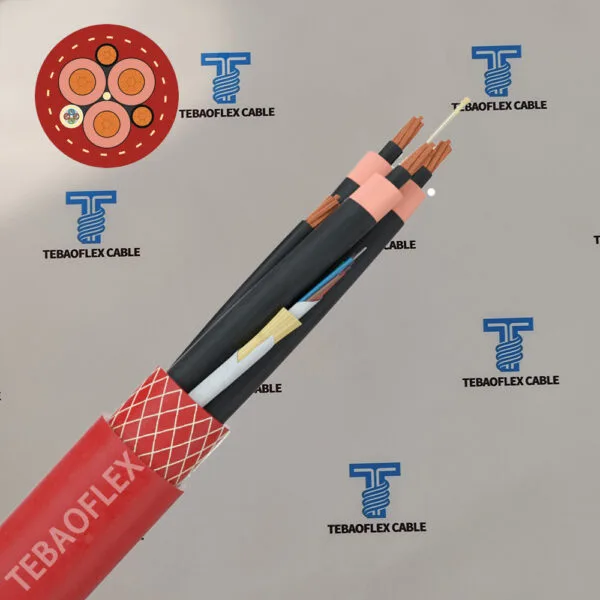
Standard-grade medium-voltage reeling cable for suitable mining and mobile equipment reel systems.
View product detailsEMC-optimised medium-voltage cable for frequency-converter-controlled mining drives, subject to the equipment and installation design.
View product details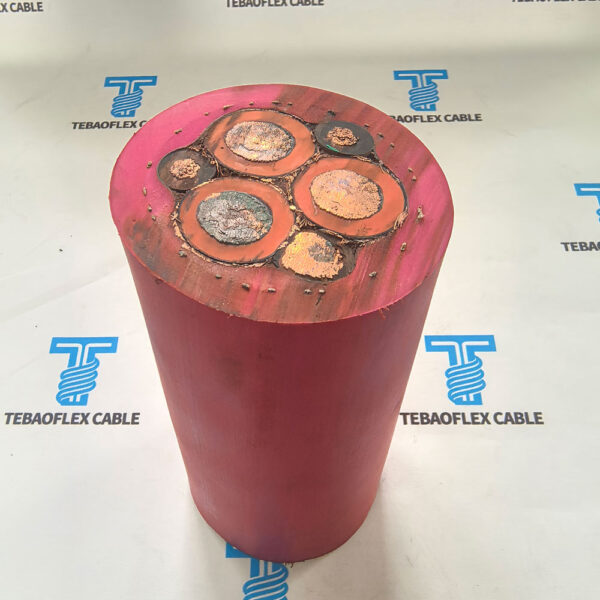
Shielded heavy-duty mining power cable with ground-check conductor options for qualifying North American mining applications.
View product details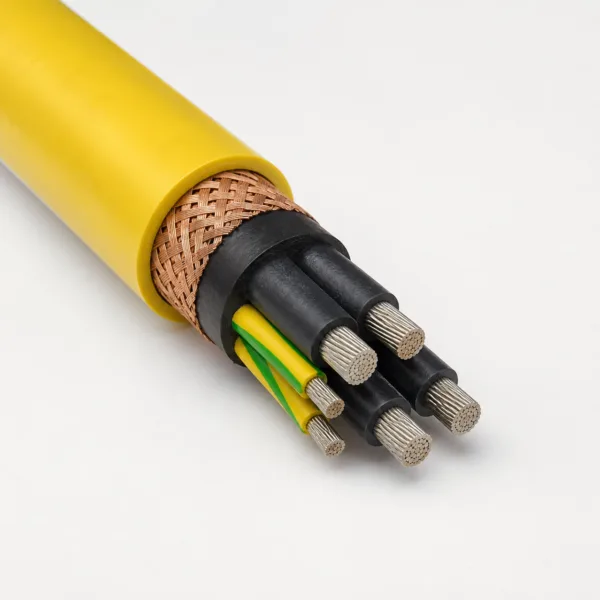
Heavy-duty flexible rubber mining cable for suitable low-voltage mobile equipment and industrial power applications.
View product detailsMining cable construction addresses a combination of mechanical, environmental and electrical risks that ordinary flexible cable may not be designed to manage.
Dragging across rock, gravel, mine floors and equipment surfaces can rapidly damage an unsuitable outer sheath.
Machine travel, bending and reel cycles require conductor and layer designs appropriate to dynamic duty.
Cable pull, acceleration, reel tension and twisting must be considered with the installation geometry.
Equipment, debris and cable-handling systems can create concentrated mechanical loads and accidental damage.
Mine water, oils, sunlight, outdoor exposure and temperature variation affect material selection.
Insulation, screening, grounding, ground-check and medium-voltage design must match the system requirements.
Review the complete operating duty before confirming a construction or preparing a quotation.
A mining cable should not be selected only by voltage or conductor size. Machine type, travel distance, minimum bending radius, reeling arrangement, cable route, environmental exposure, grounding and termination requirements should be reviewed together.
Send Your Mining Application DetailsTEBAOFLEX can review construction options after the application, standard and operating duty are confirmed.
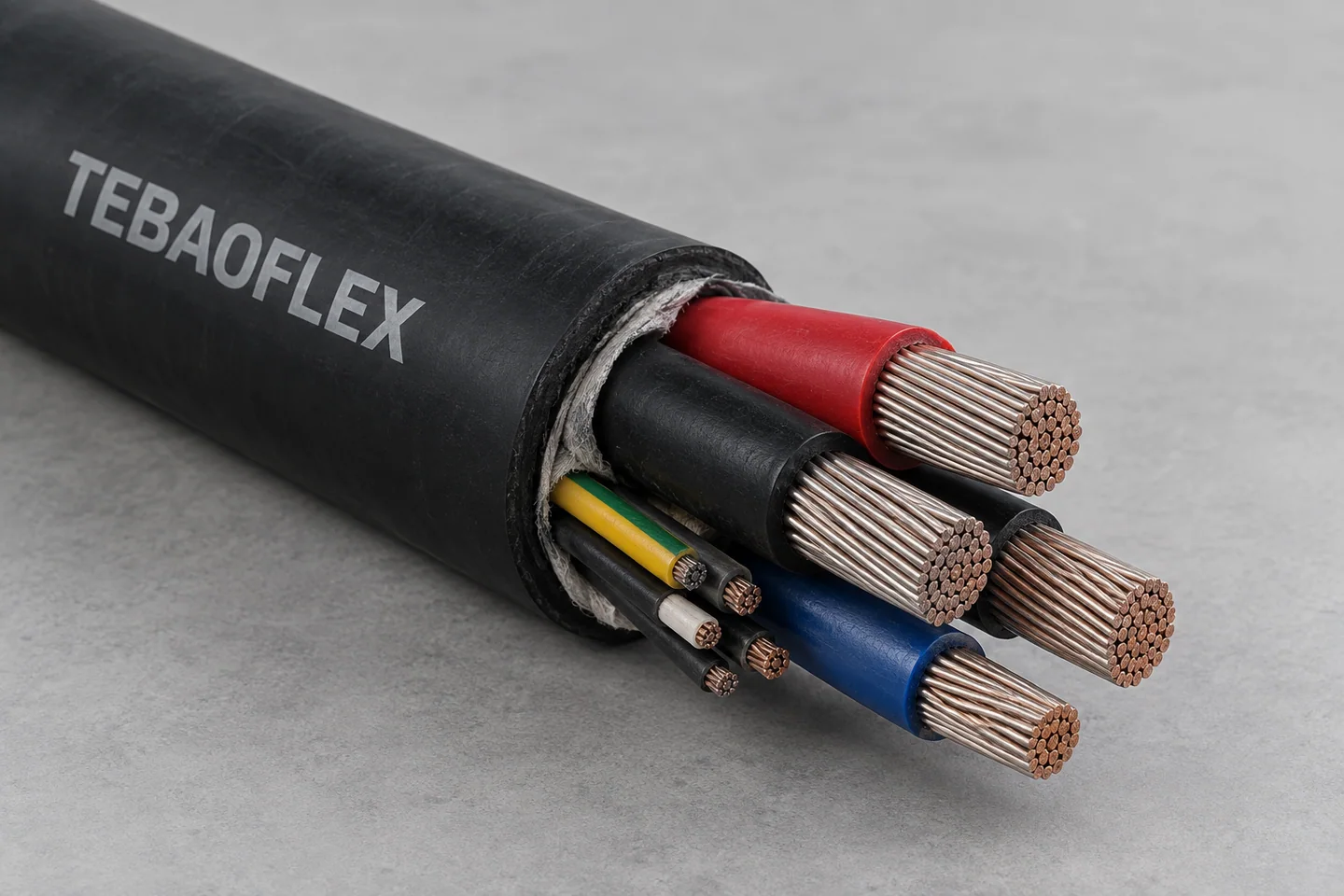
Conductor size, number of power or auxiliary cores and flexibility class can be reviewed against the electrical and mechanical duty.
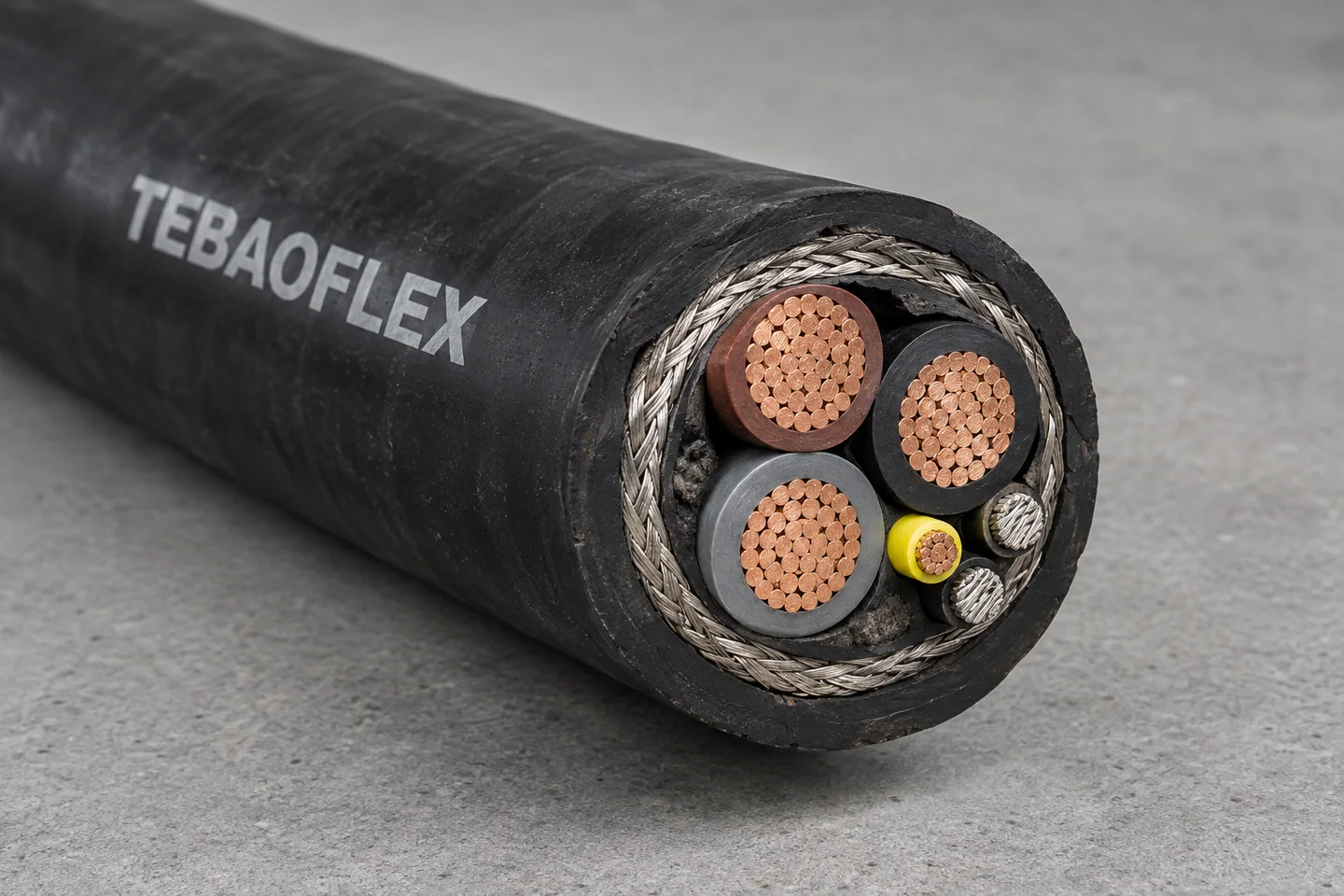
Grounding and ground-check arrangements depend on the system design, applicable standard and equipment requirements.
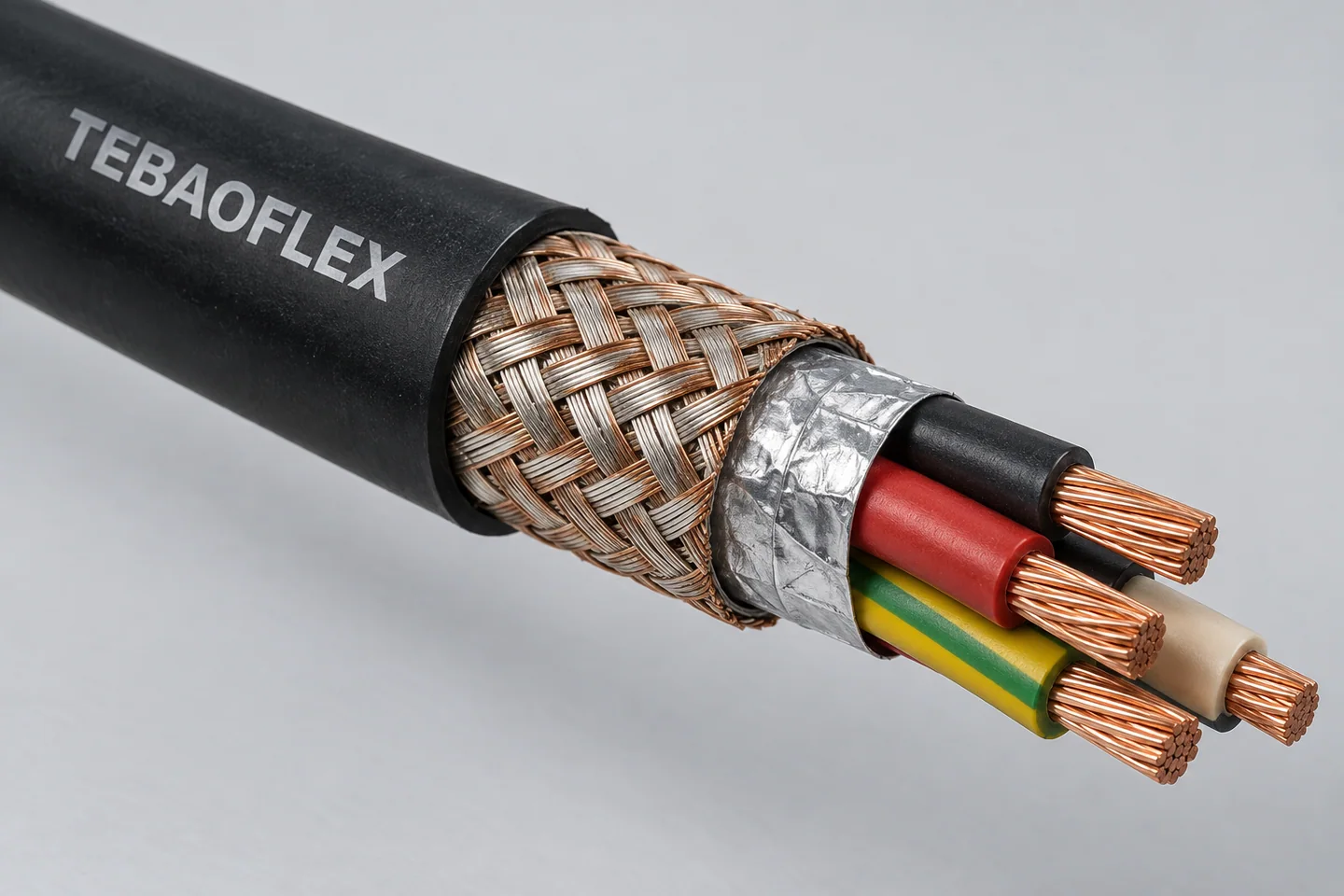
Insulation screens, overall screens and EMC-optimised constructions may be considered for suitable MV or VFD systems.
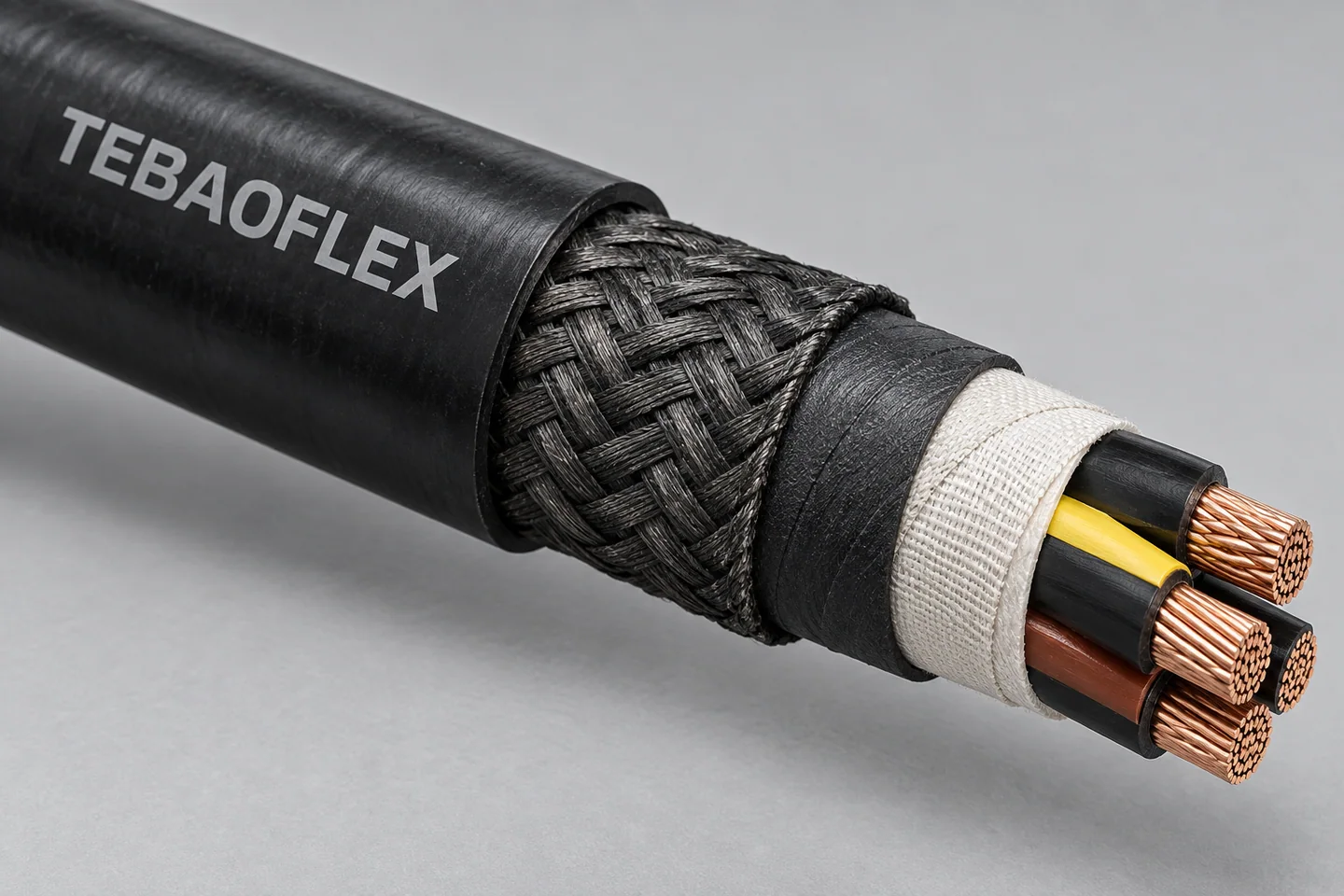
Reinforcement and anti-torsion elements can be reviewed where tensile load, twisting or rough handling is expected.
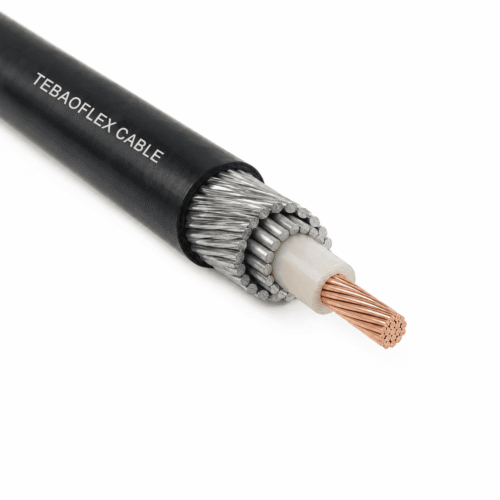
Sheath selection should reflect abrasion, oil, weather, temperature, flame and movement requirements.
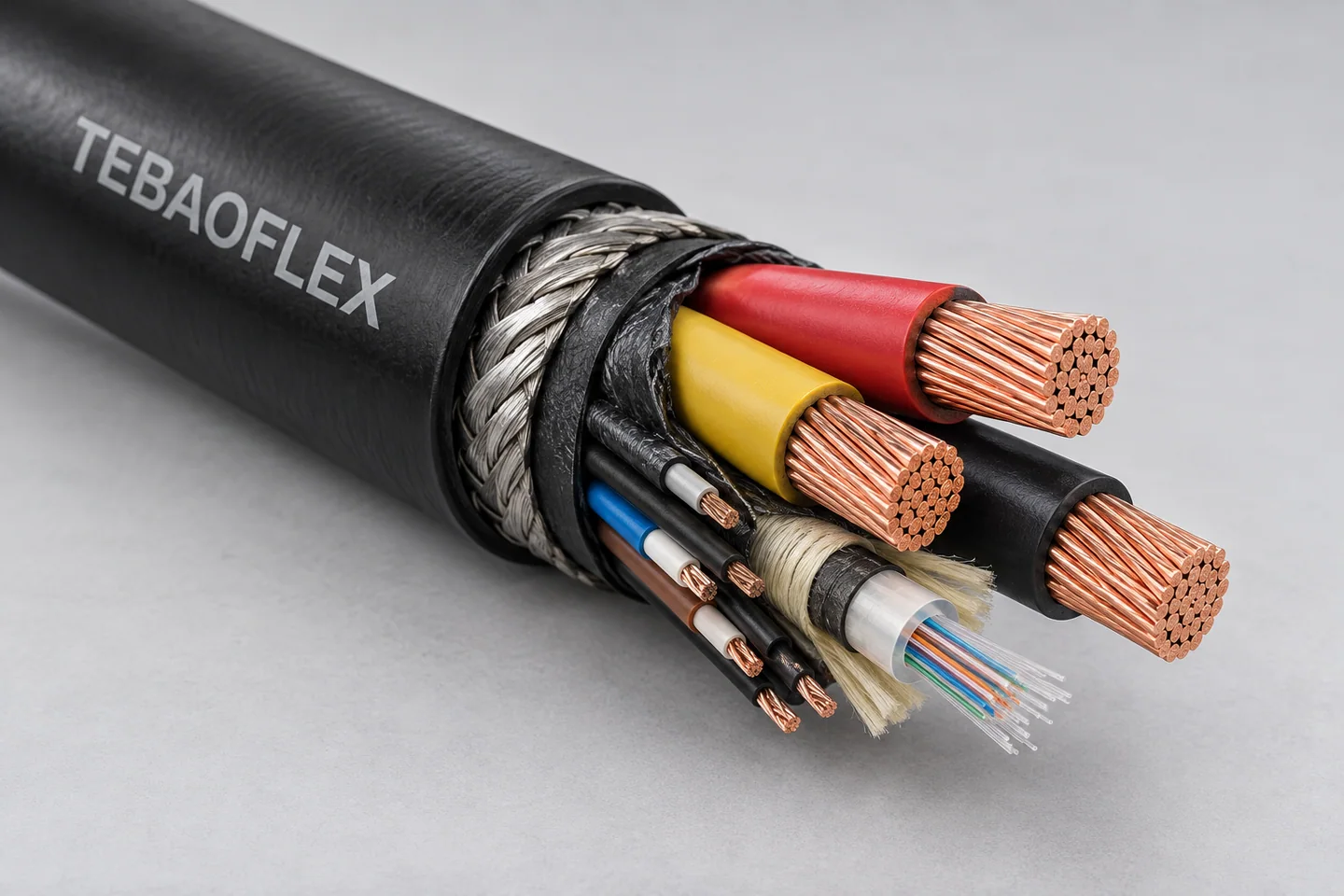
Composite constructions can integrate electrical and communication functions when supported by the confirmed project design.
Cable designs, tests and compliance documentation depend on the specific product and project specification. Confirm the applicable standard, voltage, certification scope and destination-market requirements before final selection or ordering.
Relevant production, test and export information can support a better-informed technical review.
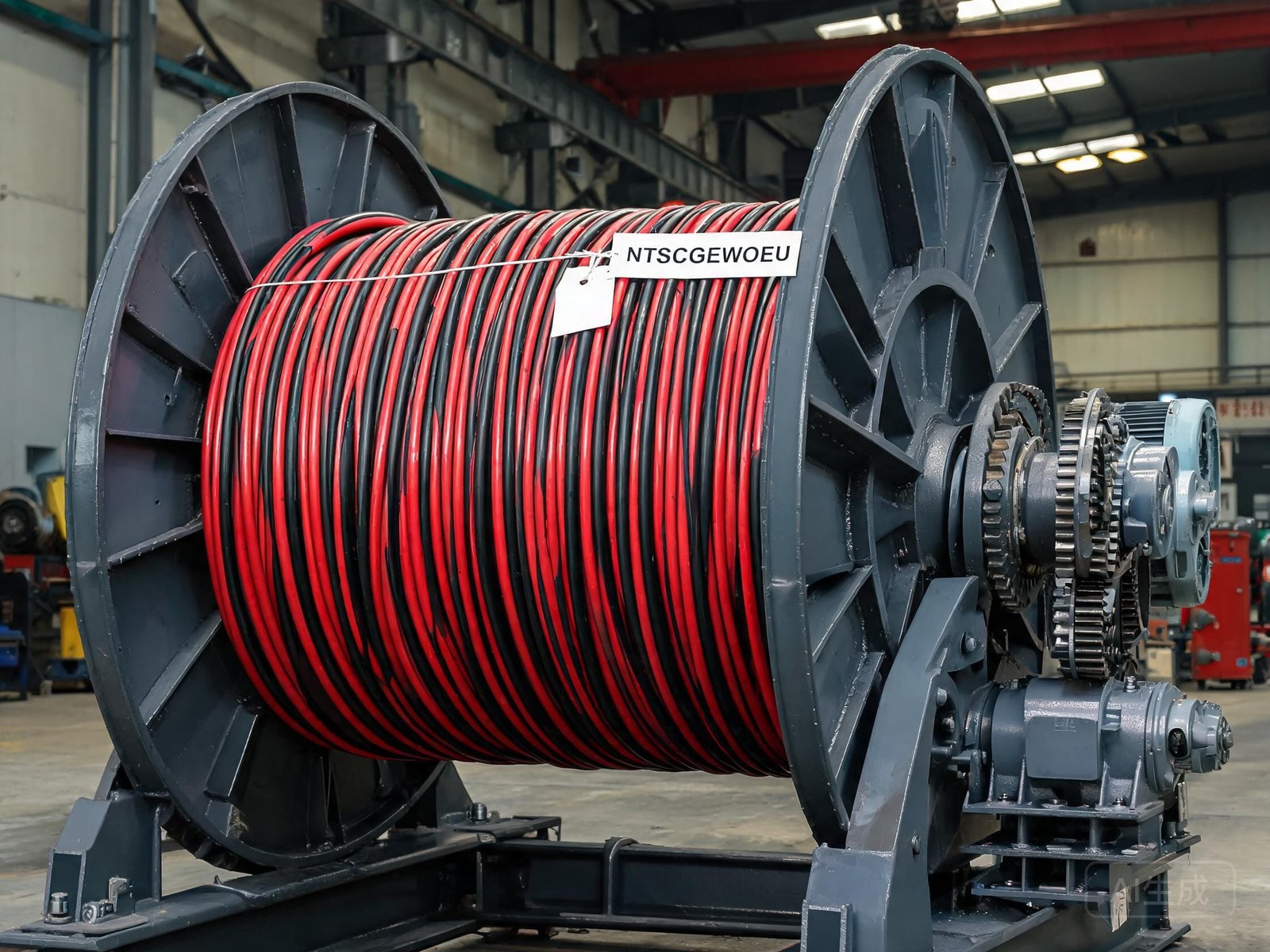
Review conductor, insulation, screening, sheathing and take-up processes relevant to the approved cable design.
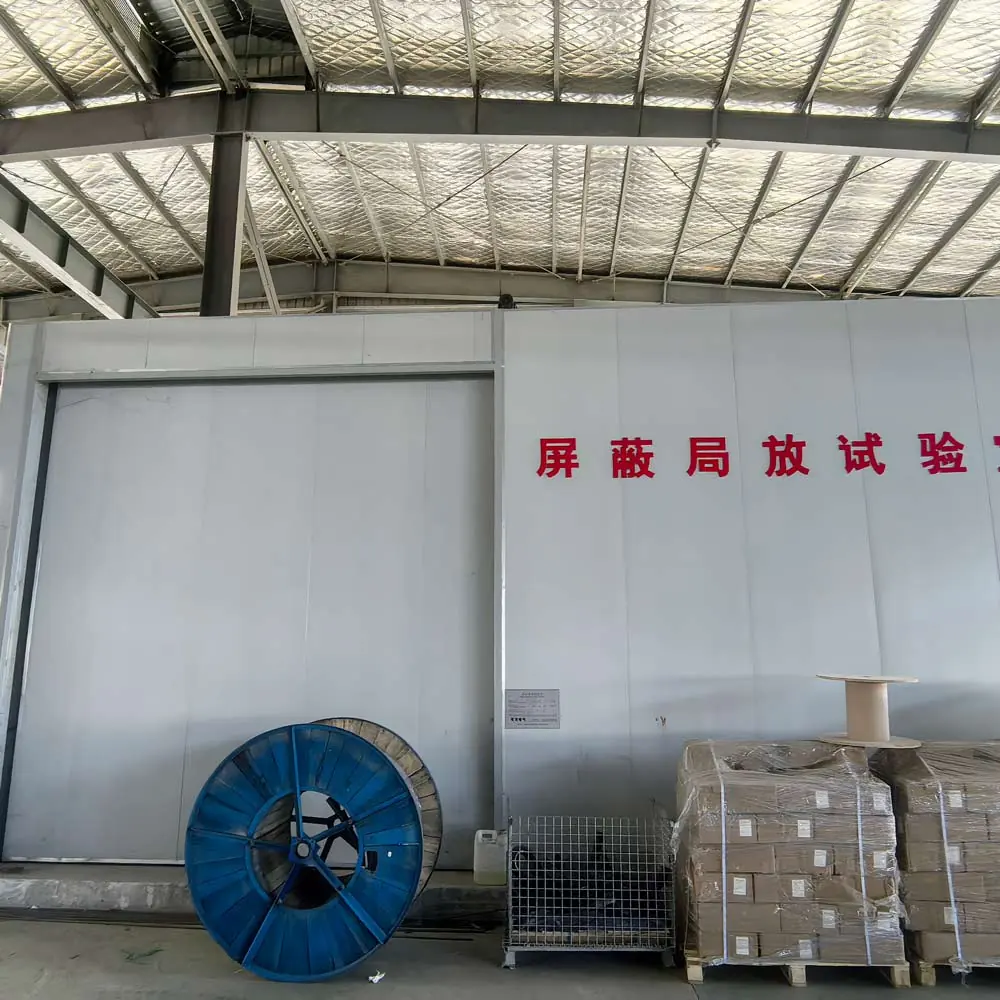
Required inspection and test documentation should be confirmed according to the cable model and order specification.
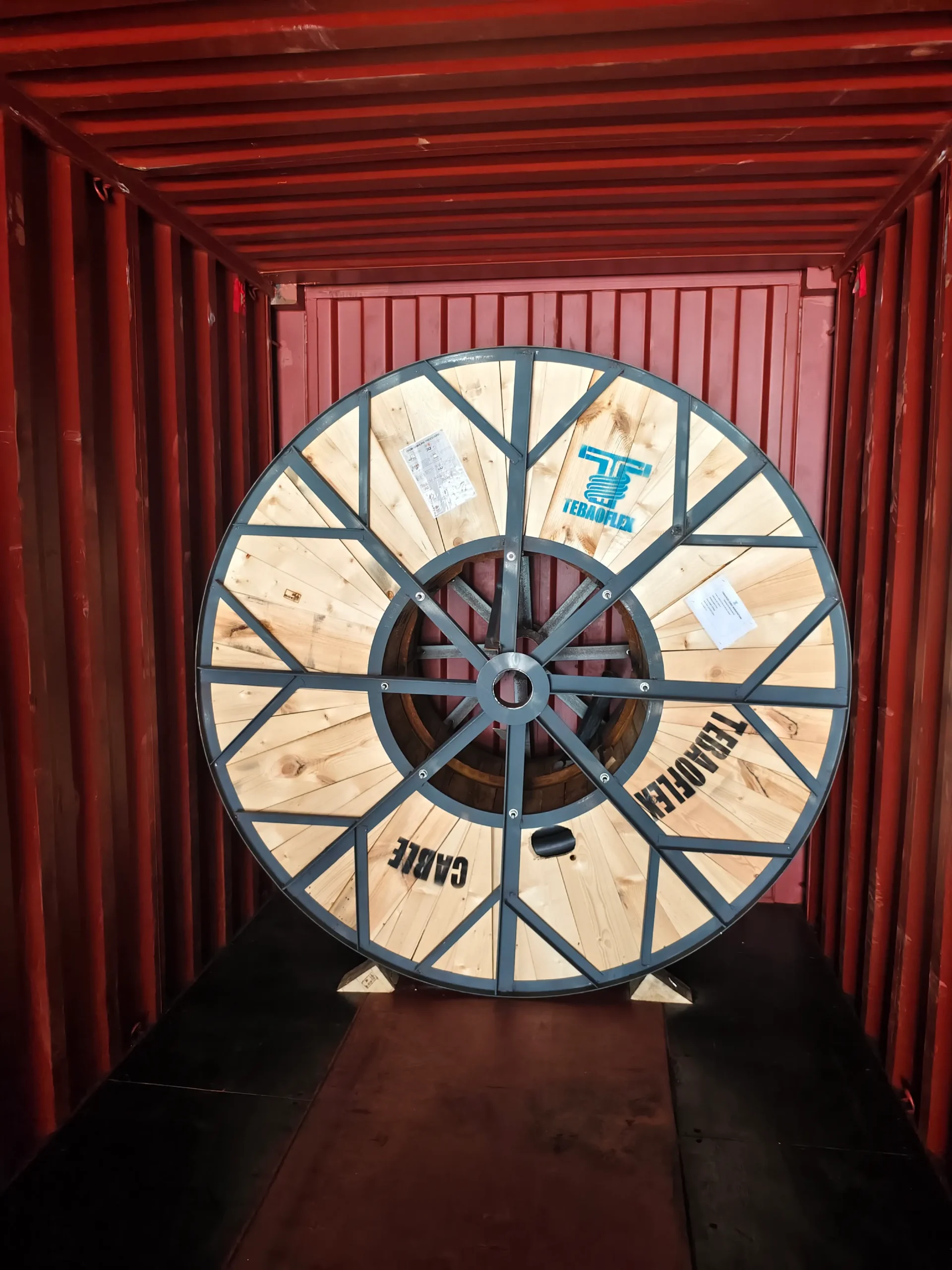
Reel size, cable length, protection, lifting and container loading can be reviewed for the shipment plan.
Use these guides to examine cable routes, movement, grounding and RFQ data in more detail.
These answers help purchasing and engineering teams prepare a project-specific enquiry.
The answer depends on the equipment, voltage, cable route and movement method. Mobile excavators, drills, continuous miners, shuttle cars and pumps may require different trailing, reeling, cable-handler or submersible constructions. Share the complete operating duty before selecting a cable family.
A trailing cable is dragged behind or beside moving equipment, while a reeling cable repeatedly winds and unwinds from a reel. The conductor design, internal layer arrangement, reinforcement and sheath must suit the intended movement; the terms should not be treated as interchangeable.
Heavy-duty medium-voltage trailing or reeling cable is commonly considered, but the correct construction depends on system voltage, travel distance, reel or trailing arrangement, tensile load, abrasion exposure, grounding and the required project standard.
Underground mobile equipment typically requires flexible mining cable selected for the specific route, movement, grounding, flame-performance and moisture requirements. Confirm whether the cable is trailed, handled through a cable system or periodically relocated.
A ground-check conductor is used where the electrical protection and monitoring system requires continuity verification of the grounding circuit. The requirement depends on the system design, equipment, standard and jurisdiction; it should be confirmed by the responsible project engineer.
Confirm machine type, rated voltage, conductor size, cable length, current load, movement, reel dimensions, bending radius, travel speed, route, environmental exposure, grounding, shielding and applicable standard. Final dimensions and documentation should be based on the approved specification.
Provide the mining environment, machine type, voltage, conductor size, number of cores, movement, cable length, reel or travel details, required standard, quantity, destination country, connector or termination data and any drawing or existing cable marking.
Project-specific conductor, core, ground-check, shielding, reinforcement, sheath and composite power/control/fibre-optic options can be reviewed after the machine duty, standard and technical requirements are confirmed.
Send the machine type, voltage, cable length, movement method and operating conditions. TEBAOFLEX will review the application and recommend a suitable cable construction for discussion.
Request a Mining Cable Recommendation