Machine and route
Define the equipment, installation path, available space, connectors, guides and terminations.

Compare flexible and specialty cable solutions for mining equipment, port cranes, festoon systems, industrial automation, offshore platforms, marine power distribution, underwater equipment and high-temperature installations. Start with the machine, movement, environment and electrical duty, then review the cable family and product construction that fit the confirmed project specification.
A cable designation is only a starting point. A practical selection also accounts for how the equipment moves, where the cable is routed and which project documents are required.
Define the equipment, installation path, available space, connectors, guides and terminations.
Confirm fixed, trailing, reeling, festoon, drag-chain, torsion or vertical travel conditions.
Record temperature, abrasion, oil, chemicals, water, UV, flame and mechanical loading.
Provide voltage, conductor size, core arrangement, screening, grounding and required standards.
Select an operating environment to review equipment duties, cable movement, exposure conditions, recommended cable families and the project information required before comparing individual products.
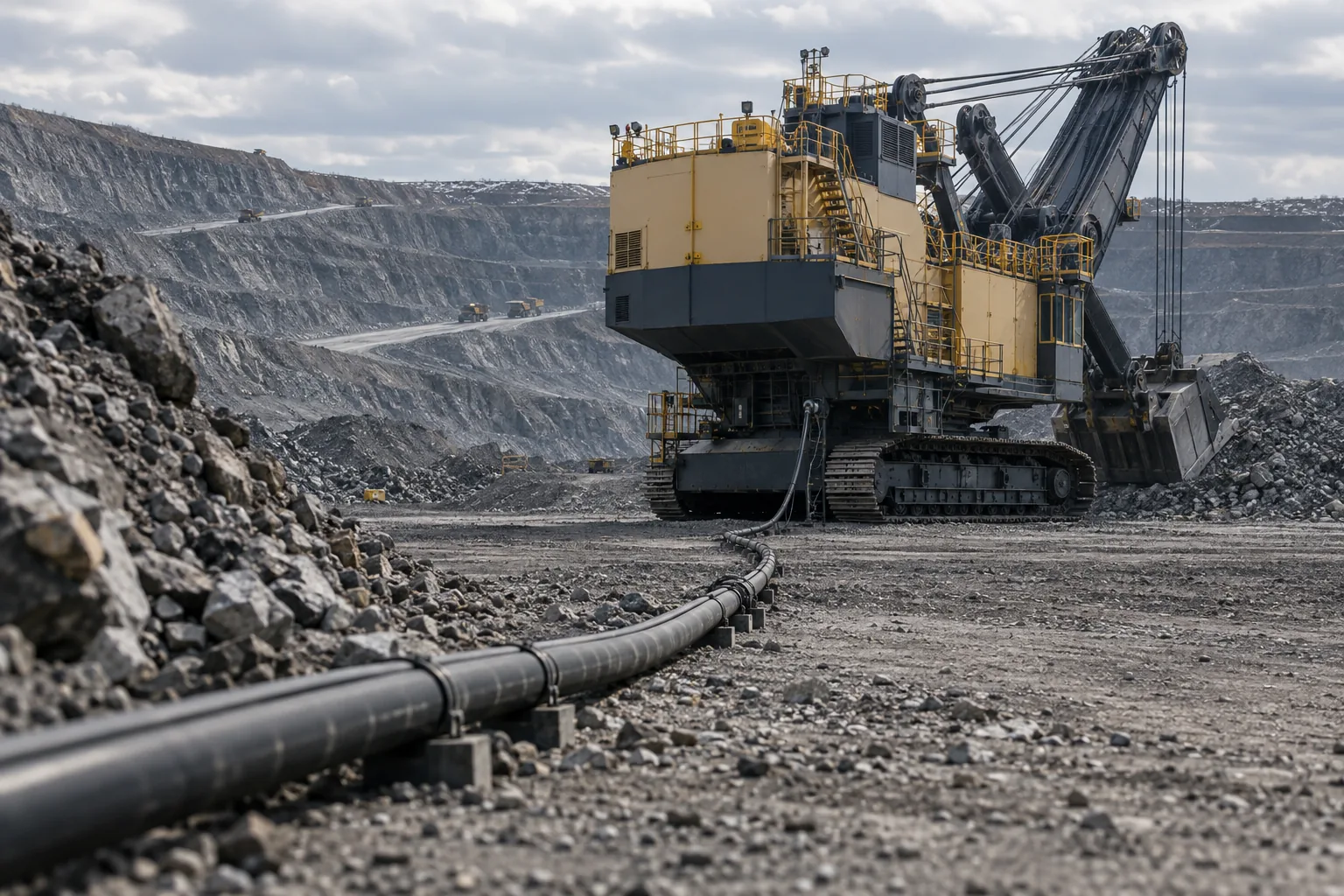
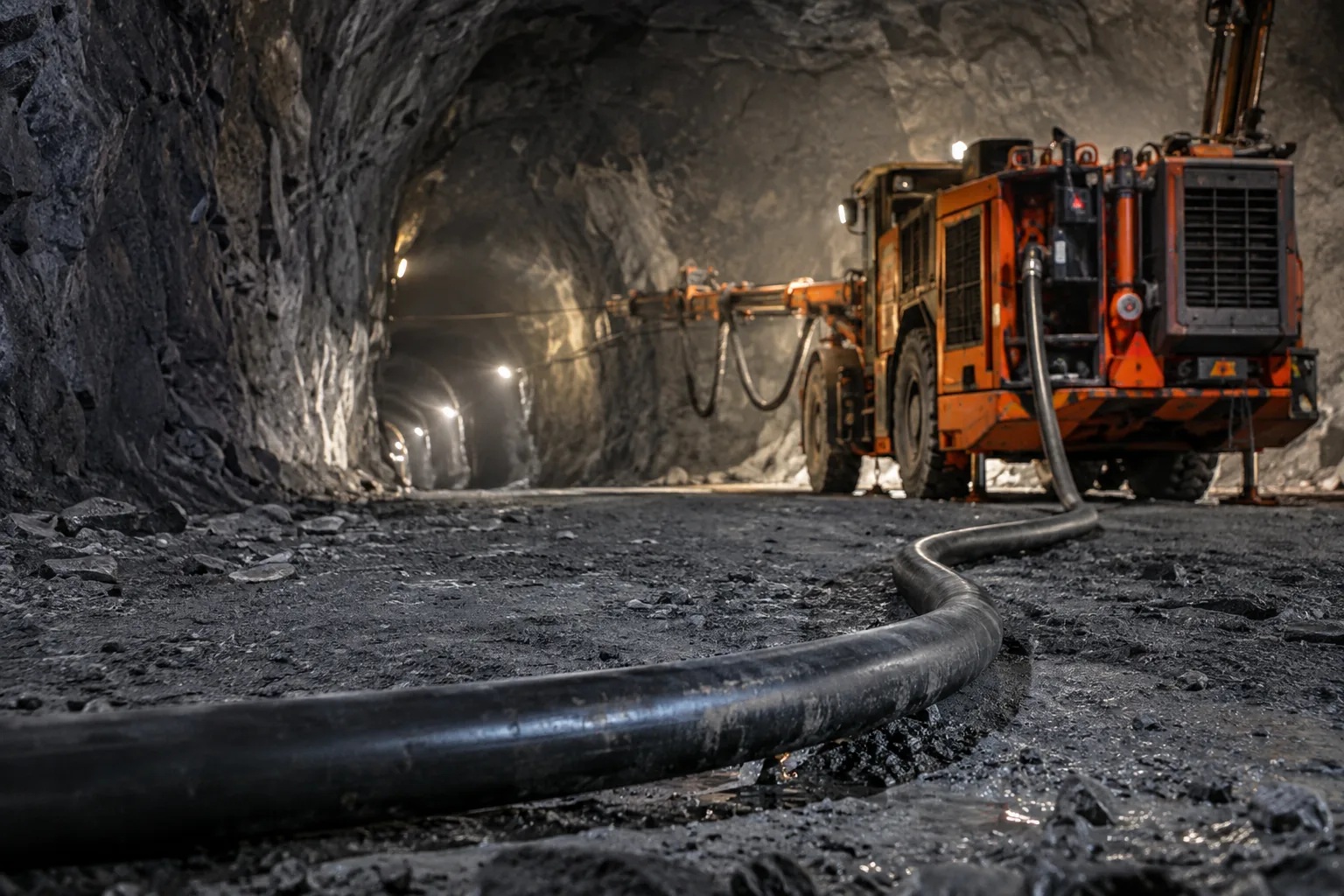
Underground mines, open-pit operations and tunneling projects use flexible power cables on drills, shovels, continuous miners, pumps, conveyors and mobile distribution systems. Cable selection should address the system voltage, conductor arrangement, route, bending and dragging duty, couplers, grounding design and ground-check requirements rather than relying on a mining cable name alone.
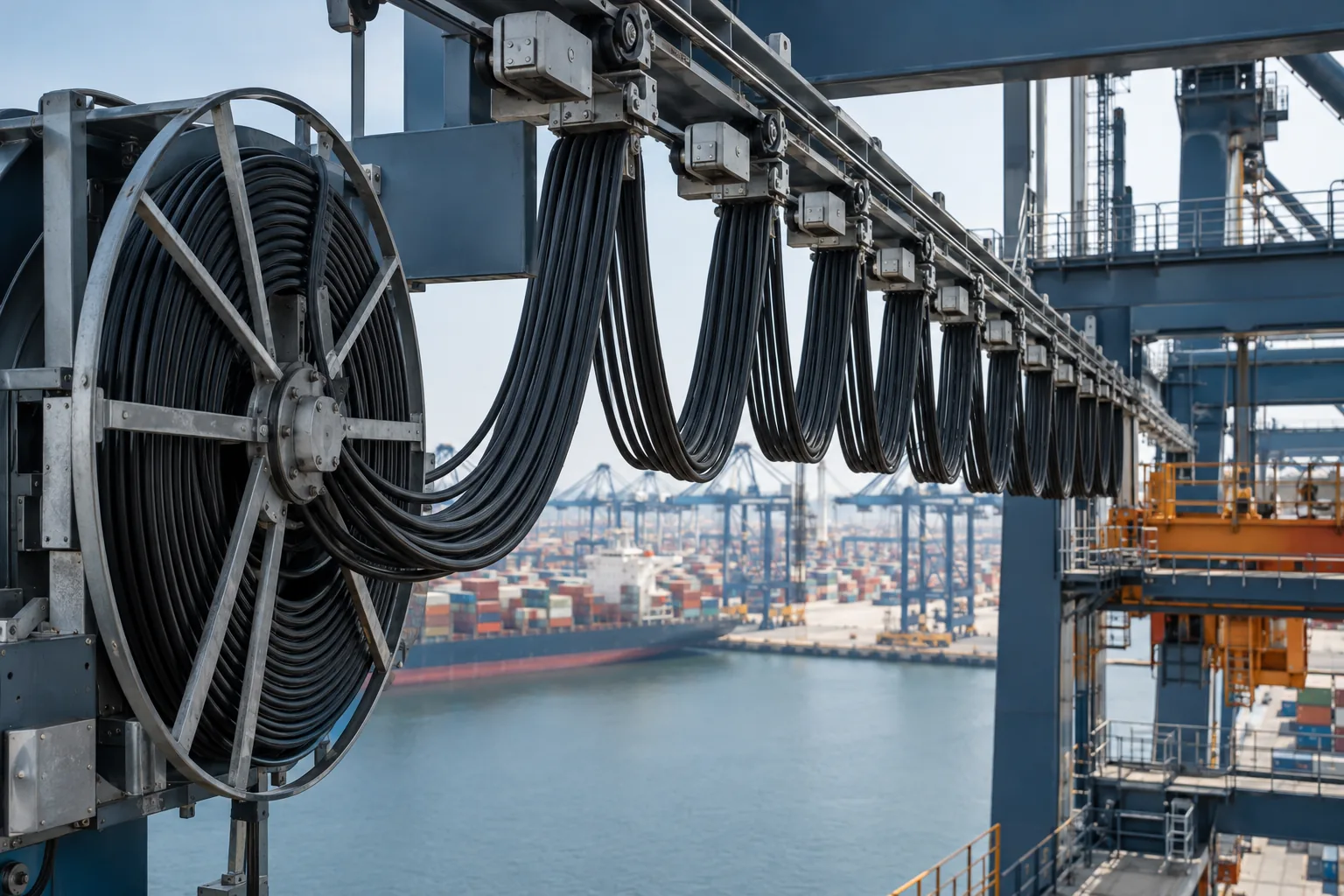
STS cranes, RTGs, ship unloaders, hoists, spreaders, stacker-reclaimers and transfer systems create different cable movement patterns. A festoon cable hangs in loops, while a reeling cable winds onto a drum; vertical travel introduces its own tensile and support requirements. Travel distance, speed, acceleration, bending radius, guide arrangement and outdoor exposure should therefore be supplied with the electrical data.
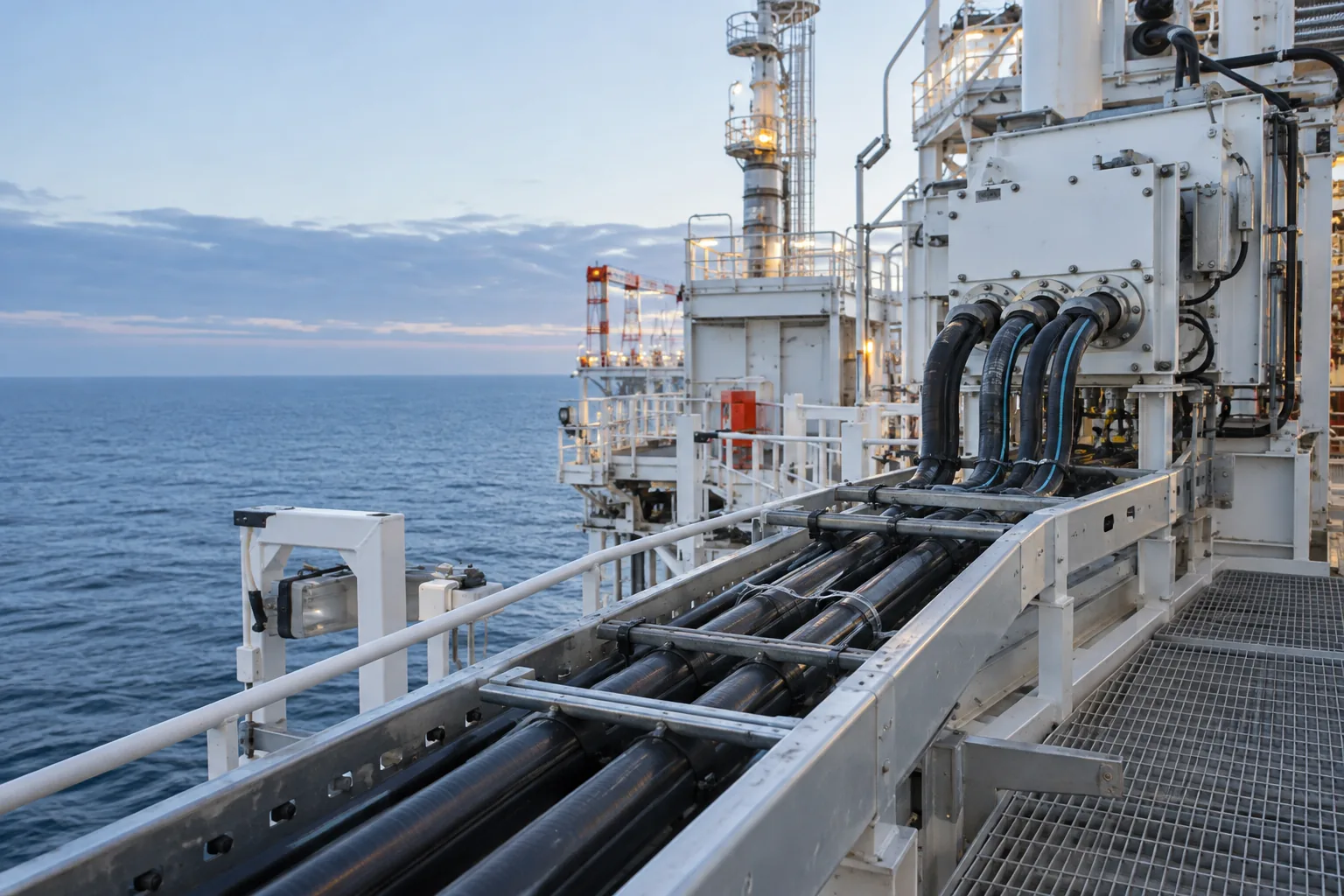
Offshore platforms, vessels, FPSO facilities and petrochemical projects may require flame-retardant general power circuits, fire-resistant critical circuits, low-smoke halogen-free materials, screening or project-specific marine documentation. RFOU and BFOU serve different circuit duties and should not be treated as interchangeable. For South American marine and offshore projects, the tender specification, required documentation, destination conditions and approved cable marking should be reviewed before quotation.
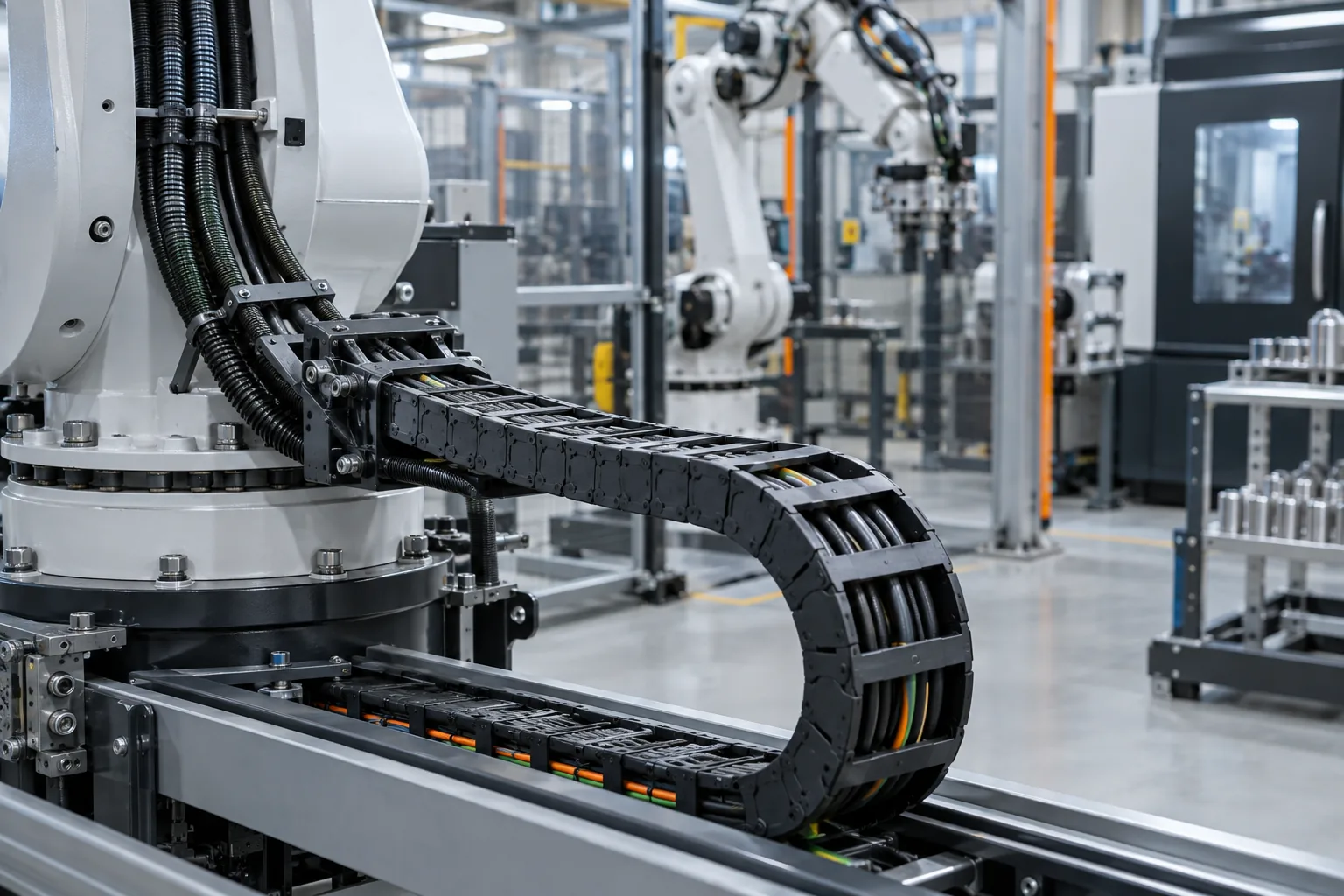
Robots, CNC machines, drag chains, automated production lines, motors, generators and mobile industrial equipment place different demands on control and power cables. Repeated bending, torsion, electromagnetic compatibility, oil exposure and limited routing space must be reviewed separately. For flexible single-conductor power connections, DLO cable is a relevant product family, but it is not an automatic substitute for a multi-core trailing or continuous-flex cable.
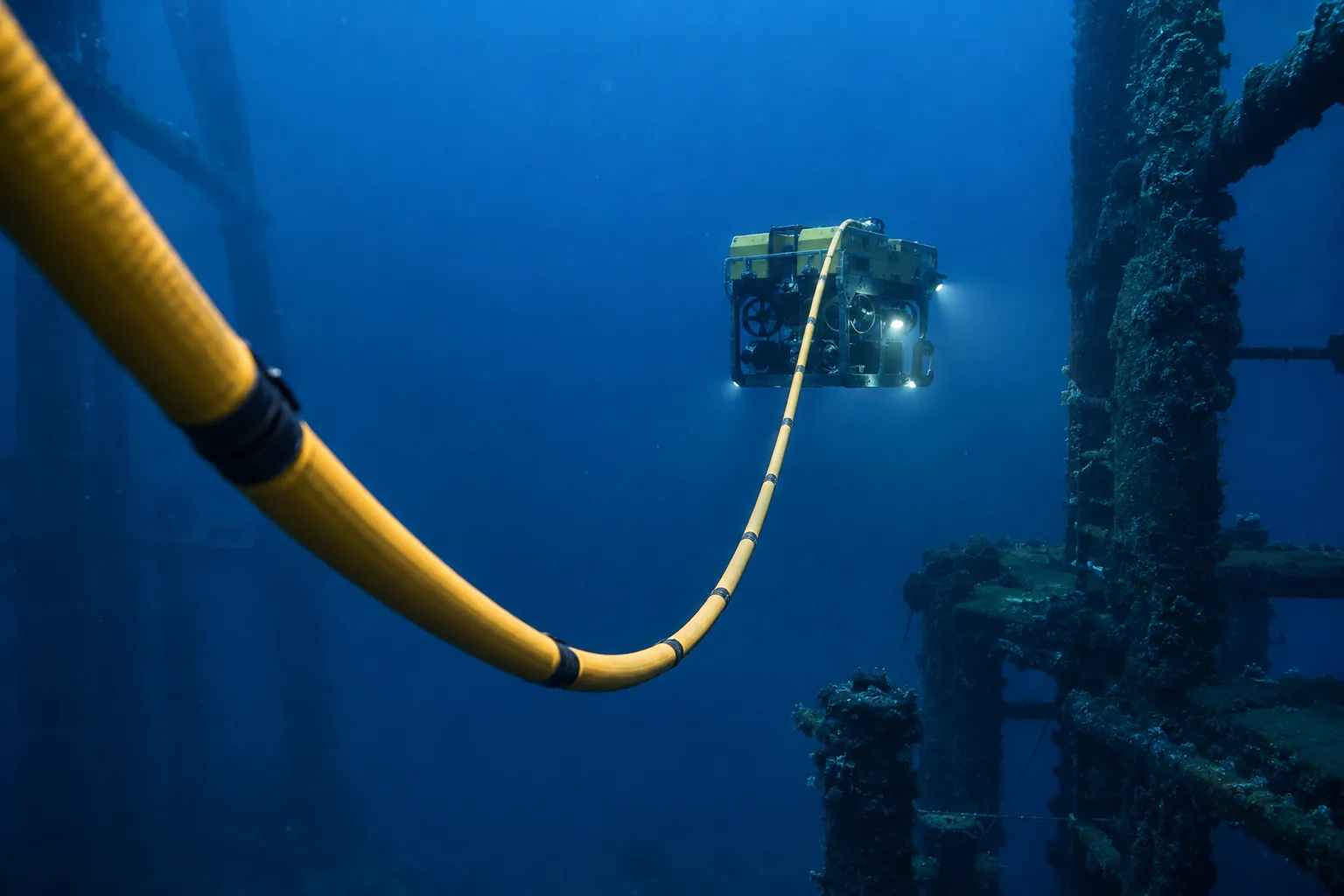
Submersible pumps, ROVs, inspection systems and underwater industrial equipment require more than a generic waterproof cable. Selection should consider immersion depth, pressure, buoyancy, tensile loading, water-blocking construction, power and signal integration, connector design and deployment method. A buoyant tether, pump cable and subsea umbilical can have very different structural requirements.
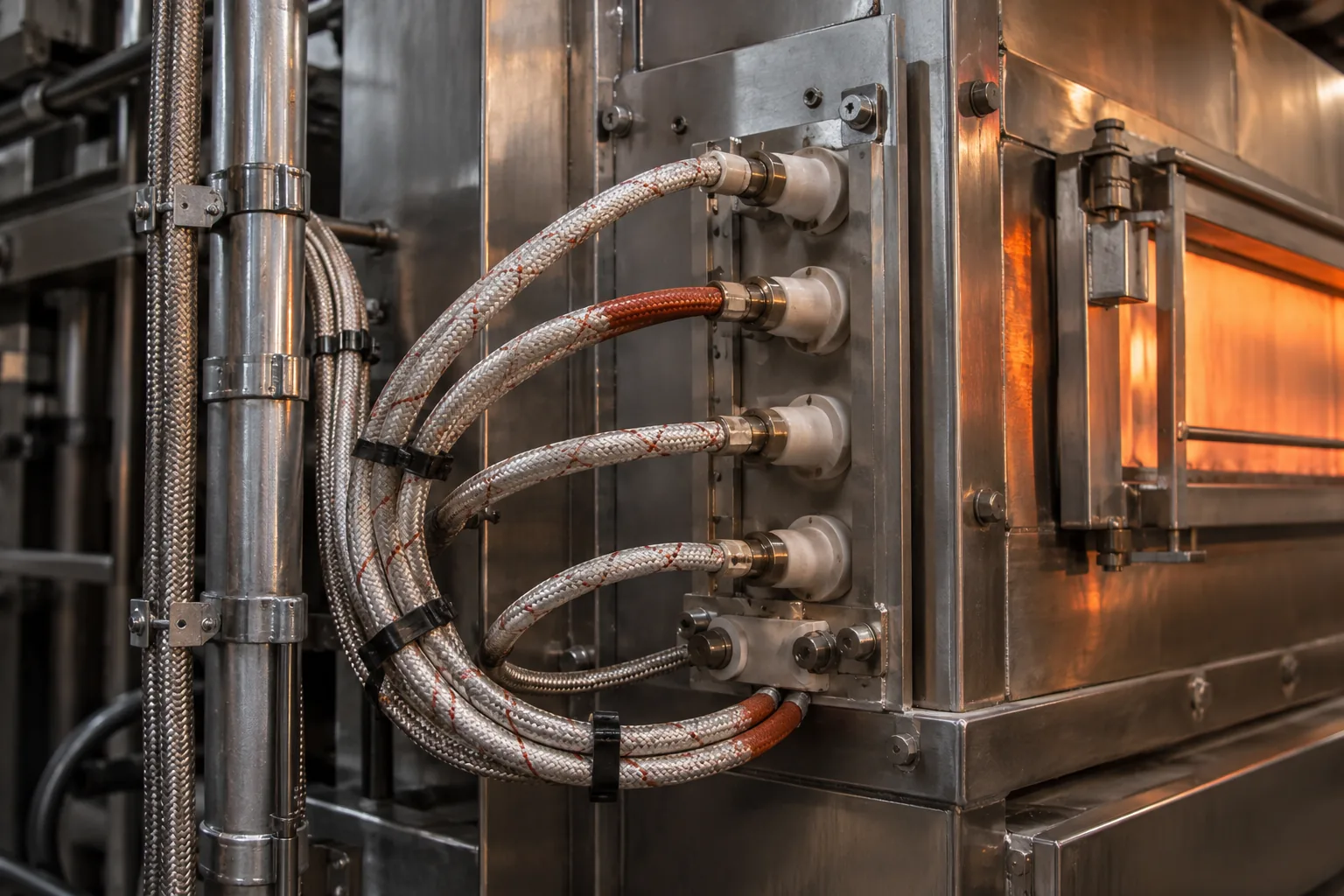
Industrial ovens, heaters, ignition systems, motors, test equipment and high-temperature machinery may need silicone, PTFE, fiberglass or other specialty insulation systems. The material should be selected from the continuous operating temperature, short-term heat exposure, voltage, conductor size, abrasion risk, flame requirement and installation method—not temperature alone.
These priority products are linked to their verified product pages. Use them as technical starting points, then confirm the exact construction, size, voltage, installation duty and documentation for the project.
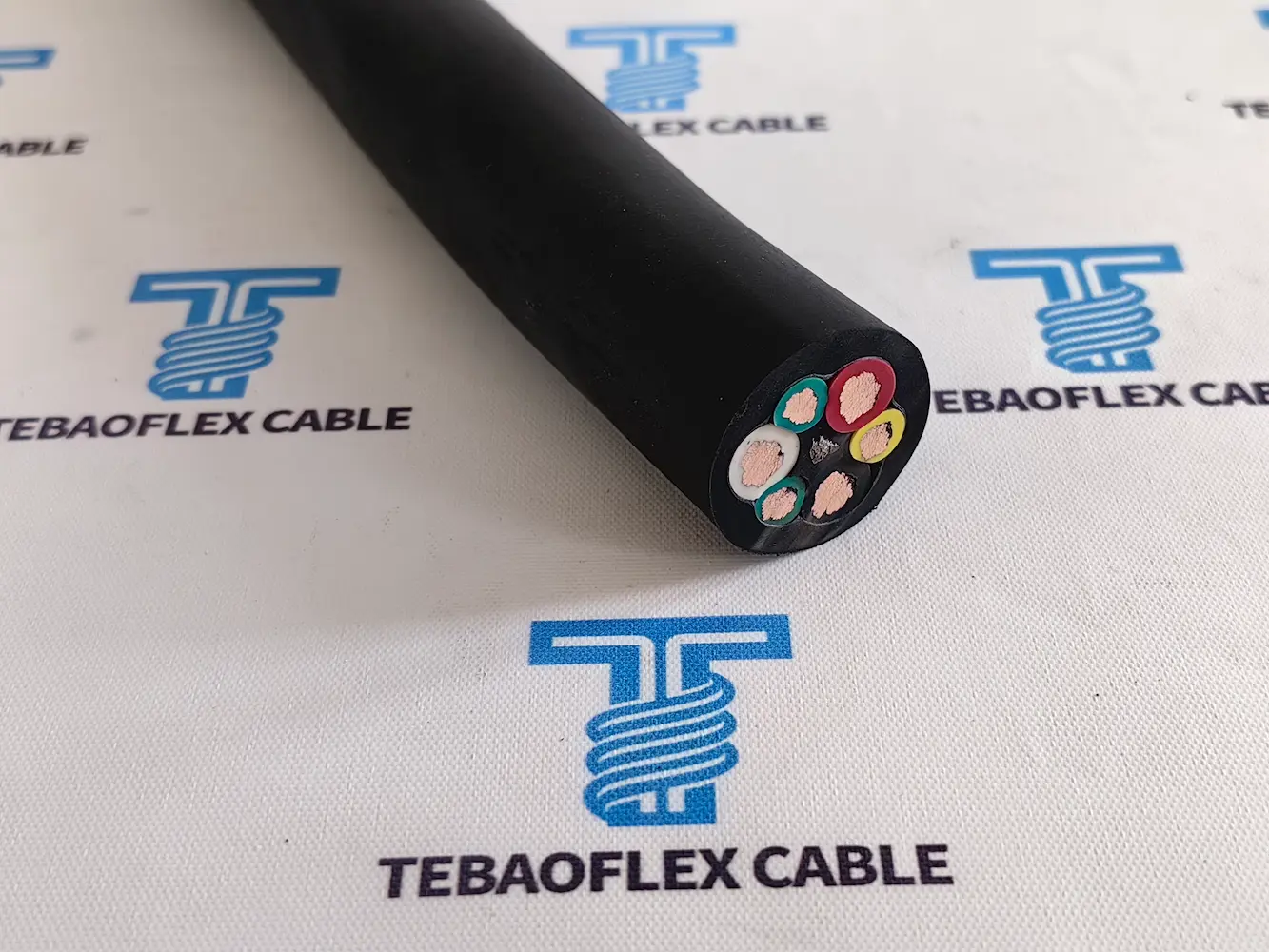
Heavy-duty flexible mining power cable for mobile equipment applications where the final grounding arrangement and route conditions are confirmed.
View Type G-GC product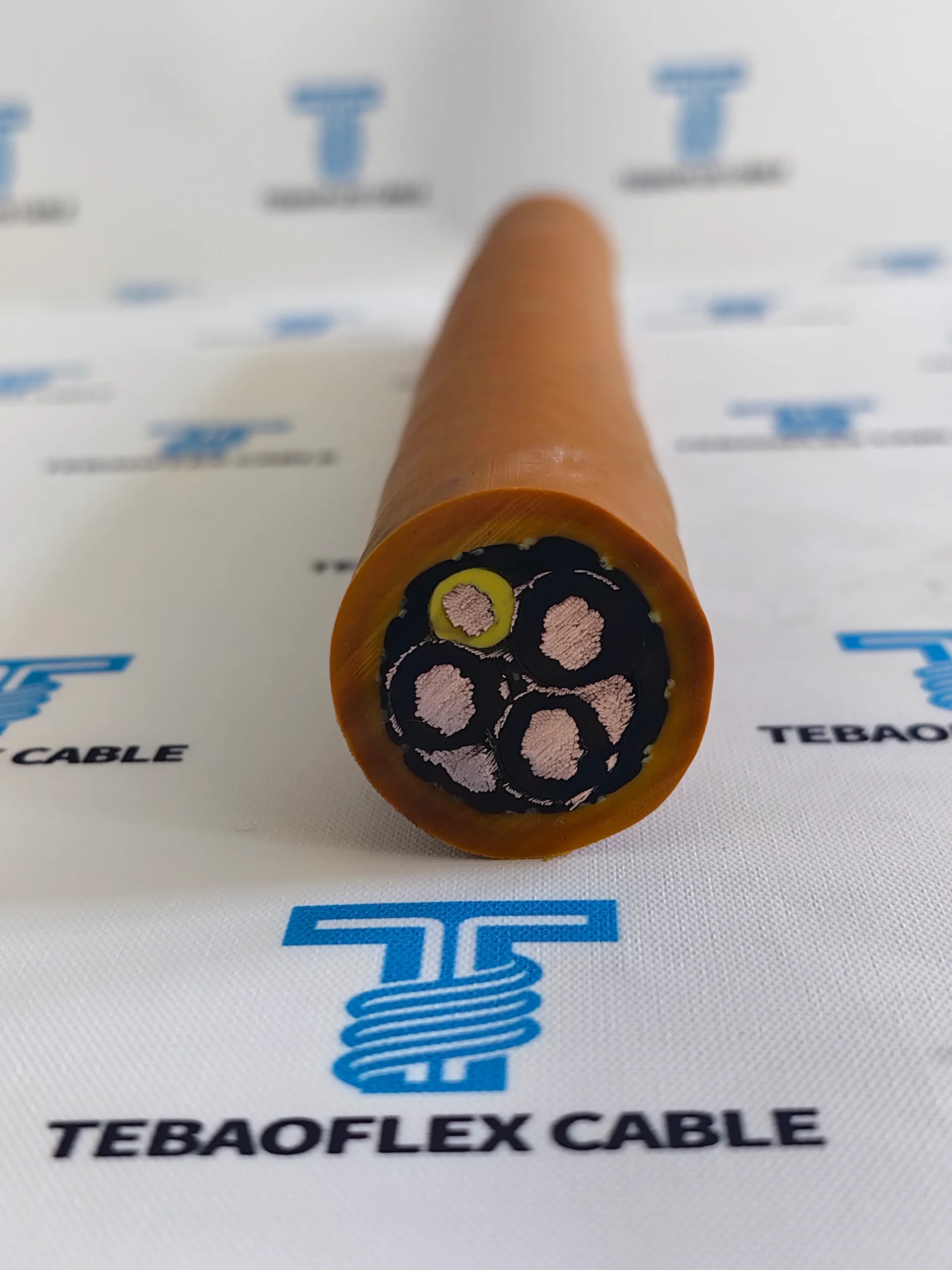
Shielded mining trailing-cable family for medium-voltage mobile equipment and project-defined grounding and ground-check systems.
View SHD-GC product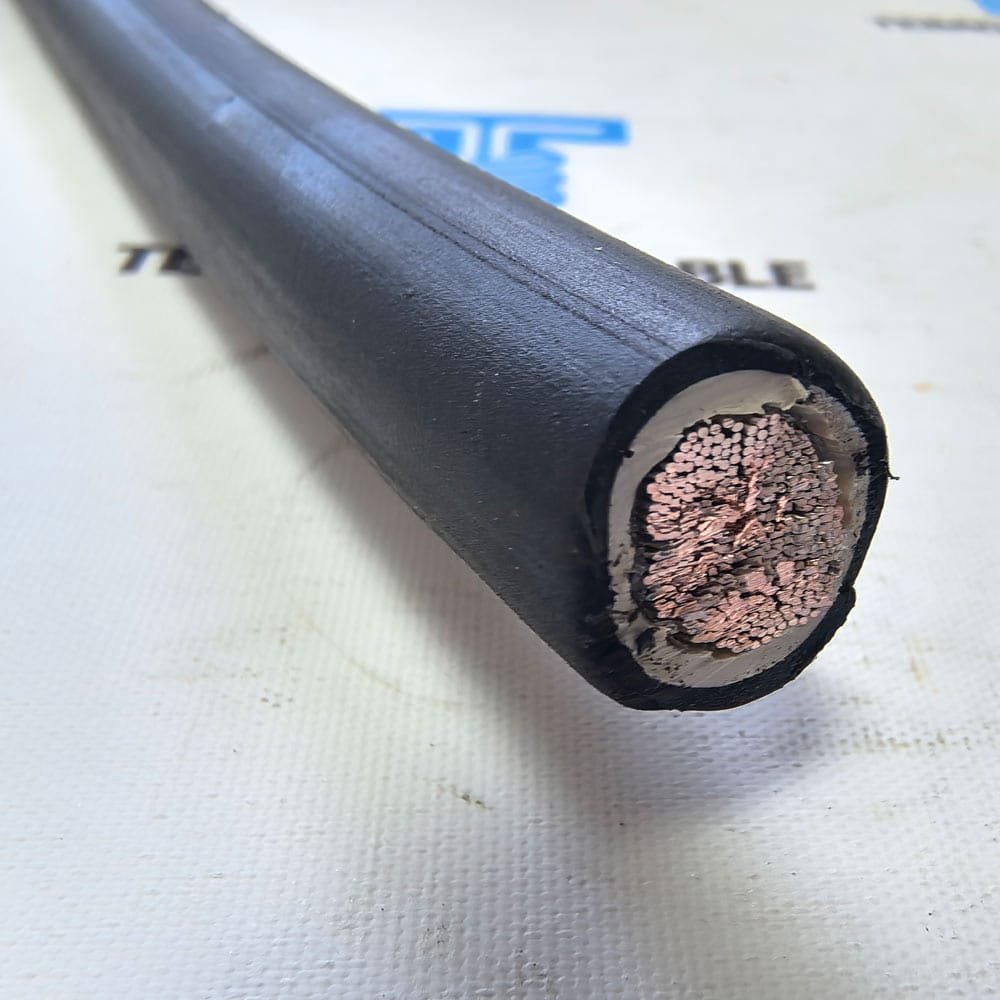
Flexible single-conductor power cable for locomotives, switchgear, motors, generators and heavy equipment when the listed construction suits the installation.
View DLO product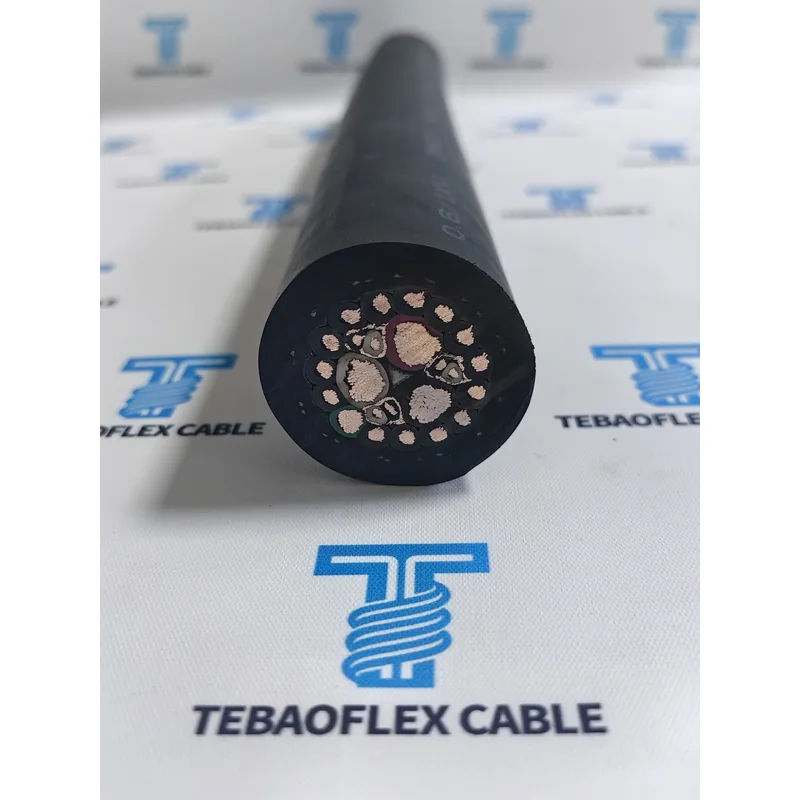
Flat flexible rubber cable for crane, festoon and material-handling routes where travel duty, support spacing and core configuration are defined.
View PNCT product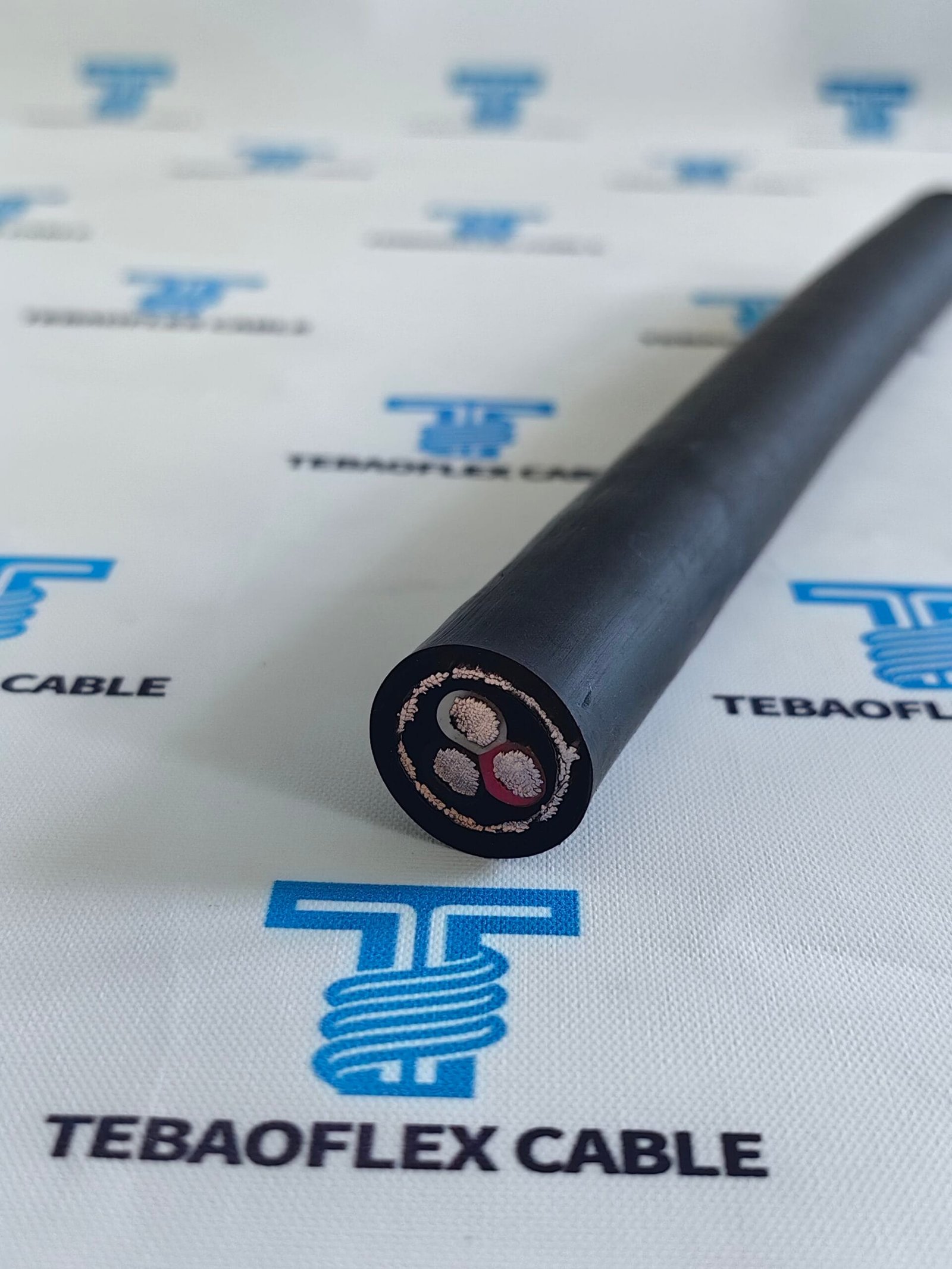
Offshore and marine cable family for general power distribution where the required flame, sheath, screening and project documentation are confirmed.
View RFOU product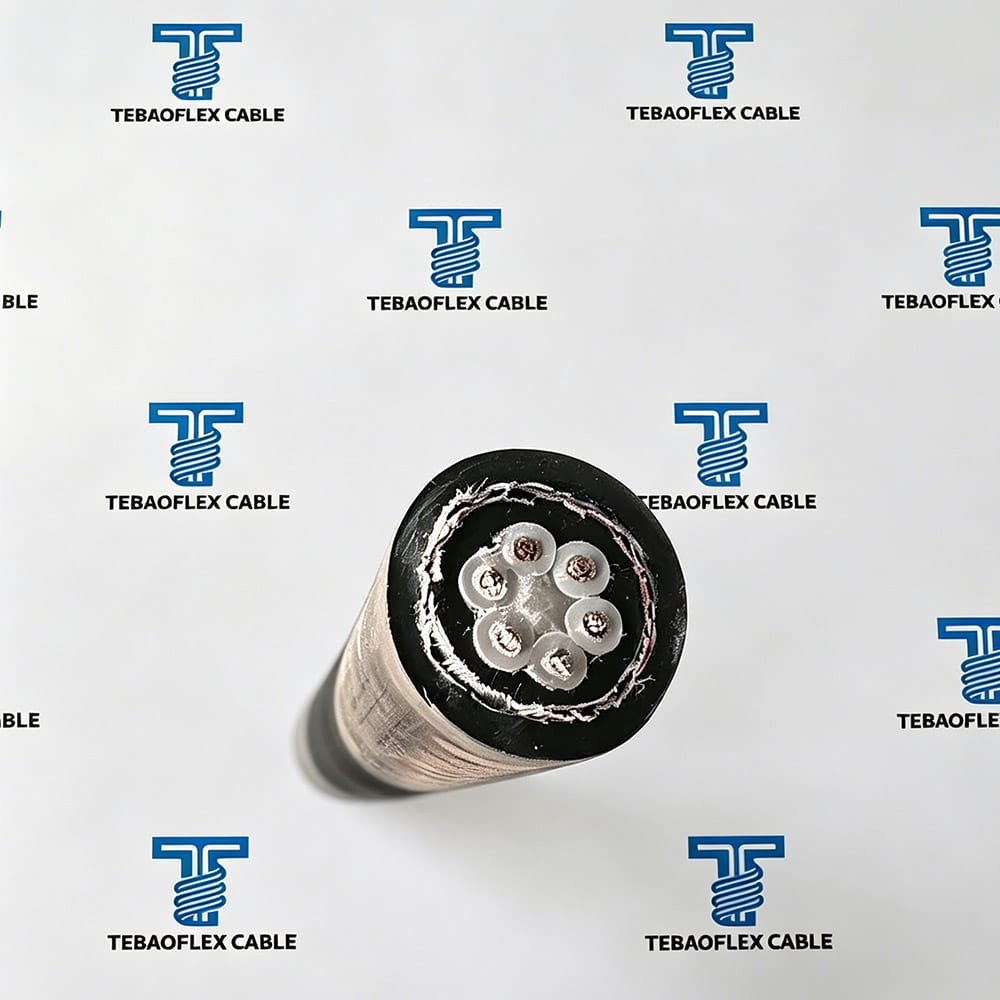
Fire-resistant offshore power cable for project-defined critical circuits where circuit integrity, materials and applicable test documents must be verified.
View BFOU productUse this matrix to identify a relevant starting category. It does not replace the approved equipment specification or project engineering review.
| Application | Typical equipment | Key information to confirm | Relevant cable range |
|---|---|---|---|
| Mining and tunneling | Drills, shovels, miners, pumps, conveyors | Voltage, route, movement, grounding, ground check, jacket exposure | Mining & Tunneling Cables |
| Port and crane systems | STS, RTG, reels, hoists, festoon systems | Travel distance, speed, bending, tensile load, guides, signals | Port, Crane & Festoon Cables |
| Offshore and marine | Platforms, vessels, FPSO, deck and process equipment | Circuit duty, fire requirement, sheath, screening, standards, documents | Oil, Gas & Marine Cables |
| Automation and motion | Robots, CNC, drag chains, mobile machinery | Bend radius, cycles, torsion, acceleration, EMC and routing space | Industrial & Control Cables |
| Submersible and underwater | Pumps, ROVs, subsea inspection systems | Depth, pressure, buoyancy, tensile load, water blocking, connectors | Submersible & Underwater Cables |
| High-temperature equipment | Heaters, ovens, ignition and test equipment | Continuous temperature, heat peaks, voltage, insulation and protection | High-Temperature & Specialty Cables |
| General flexible power | Motors, generators, switchgear, mobile equipment | Voltage, current, conductor size, route, movement and installation code | Rubber & Flexible Cables |
Complete project data reduces assumptions and helps distinguish between products that may look similar by name. Drawings, existing cable markings, connector details and route photographs can also support the review.
Use these pages to verify TEBAOFLEX capabilities and prepare a better-informed product enquiry.
These answers help purchasing teams and engineers identify the information needed for a project-specific review.
Provide the equipment type, voltage, current, reel diameter, number of layers, travel distance, speed, acceleration, bending radius, tensile load and operating environment. A general flexible cable should not be assumed suitable for continuous reeling without reviewing the complete movement profile.
A reeling cable winds onto a drum, a festoon cable travels in suspended loops or trolleys, and a drag-chain cable bends repeatedly inside a guided carrier. Each movement creates different bending, tensile, torsional and abrasion conditions, so the constructions are not interchangeable by name alone.
Both are associated with demanding mining power applications, but the required voltage, shielding, grounding arrangement, ground-check function, conductor configuration and equipment protection system must be reviewed. Use the linked product pages as starting points and confirm the approved mine and machine specification.
DLO is a flexible single-conductor power-cable family used for applications such as locomotives, switchgear, motors, generators and heavy-equipment connections. Its permitted use depends on the exact product marking, voltage, temperature, installation method and applicable code.
Begin with the tender specification and circuit duty. Confirm whether the circuit requires flame-retardant or fire-resistant performance, then verify the conductor arrangement, sheath, screening, installation, required standards, classification or test documentation, cable marking and destination requirements.
Core count, conductor size, materials, screening, reinforcement, colour, marking, packing length and documentation may be reviewed for a confirmed project. Availability, compliance scope, MOQ and delivery schedule should be confirmed only after the final construction and quantity are agreed.
Send the equipment type, voltage, conductor size, cable length, movement, environment, destination market and required documentation for a project-specific review.