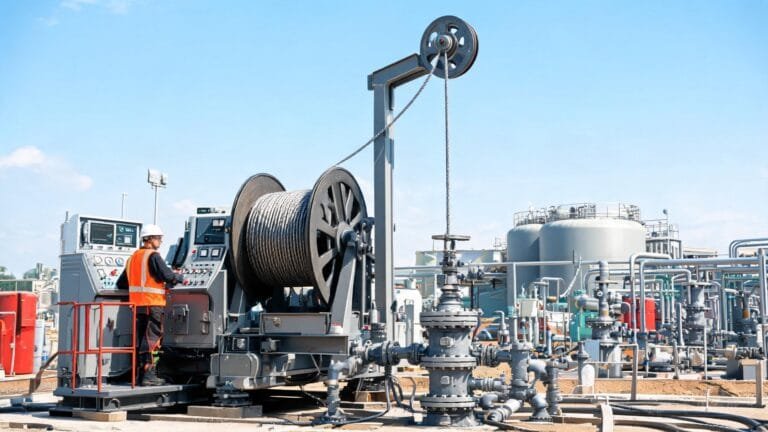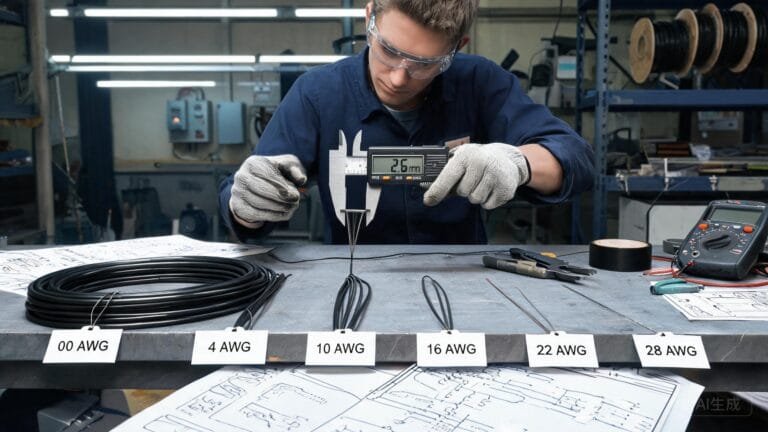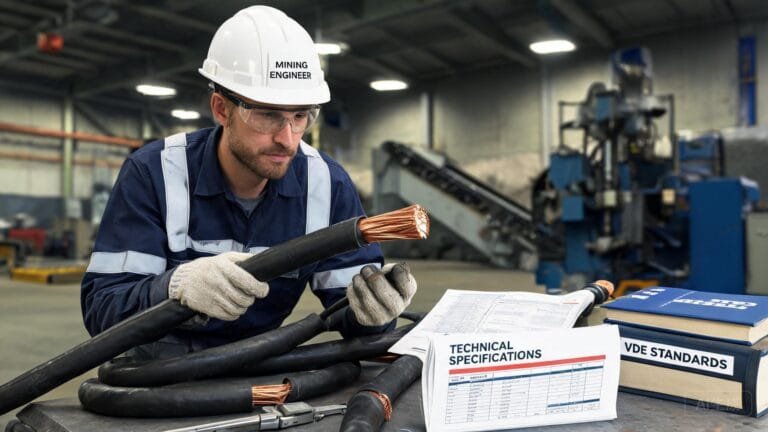

Underground mining cable must be selected around the complete route: equipment movement, confined-space handling, water exposure, electrical functions and terminations. A cable that is suitable for a fixed supply route may not be suitable for a mobile machine, and a visually similar replacement may not meet the approved project requirements.
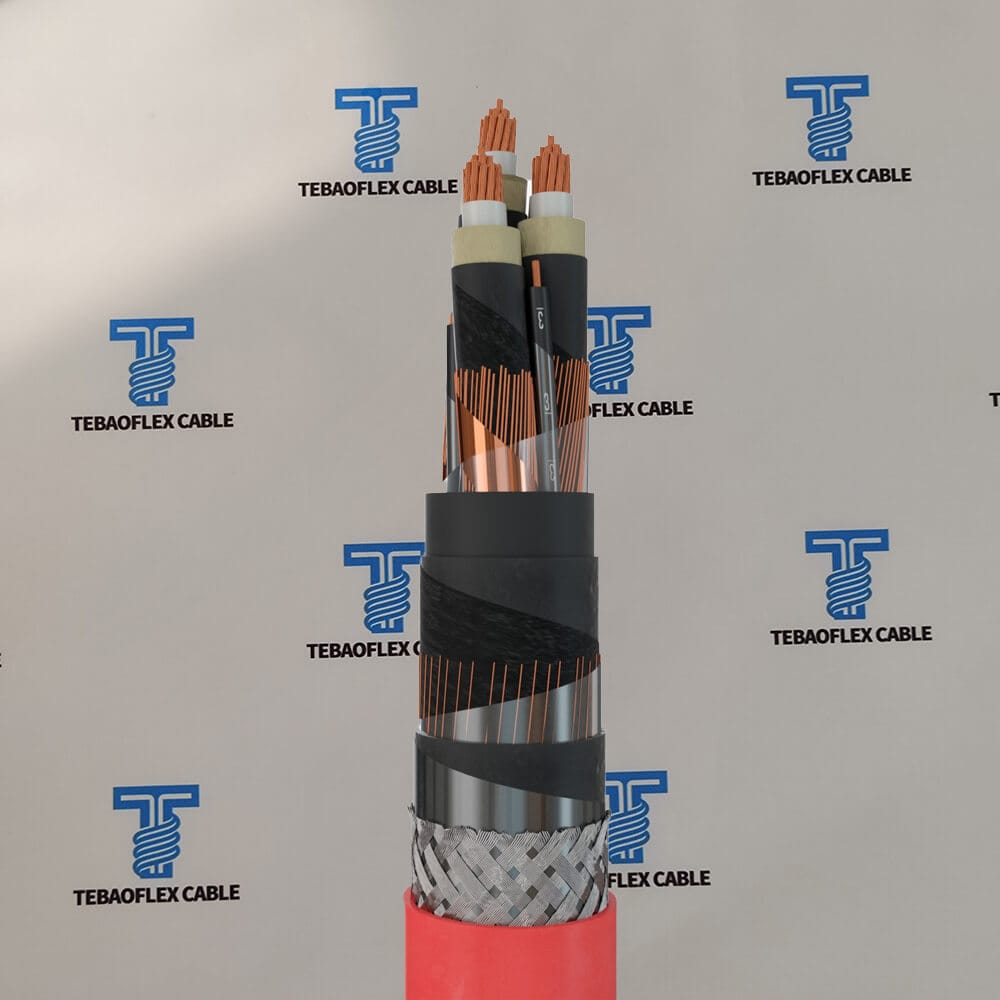
For mine electrical teams, the useful starting point is a route record rather than a product name. Mark every area where the cable moves, bends, hangs, touches the floor or wall, enters equipment, or could be exposed to water and debris. This lets the team distinguish the real duty from a general “mining cable” description.
Why the underground route changes cable selection
Underground routes can combine tight bends, reduced access, uneven floors, moisture, mobile plant and difficult repair windows. A trailing cable behind a continuous miner, drill or loader has to be assessed for repeated movement and contact points. A fixed feeder or equipment interconnection has different requirements for support, installation pull and protection.
Follow the cable from the supply point to the equipment connection. Record the free length, bends, clips, junction boxes, guide points and any areas where water, mud or abrasive fines accumulate. Cable handling is part of the design: poor routing, crushing or an unsuitable clamp can damage an otherwise appropriate cable.
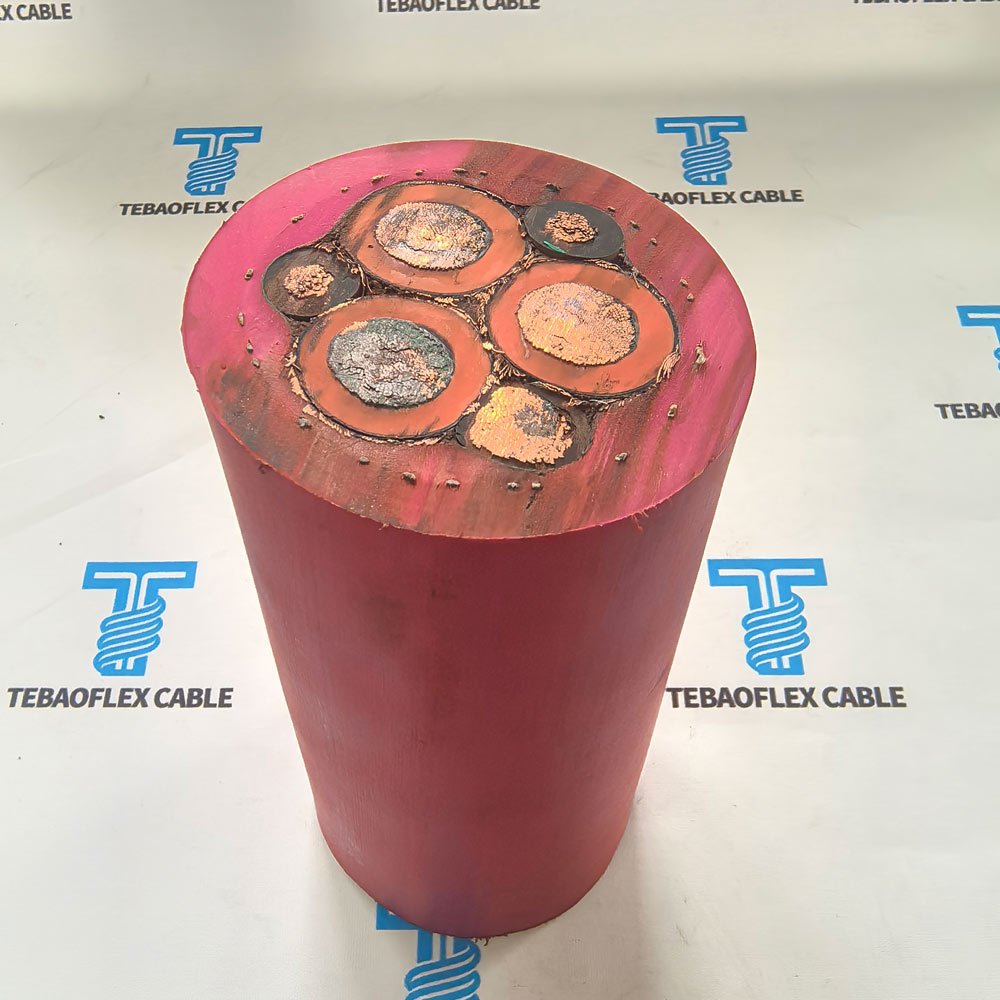
Match the cable to the duty, not only the voltage
Define whether the route is mobile trailing, fixed supply, machine interconnection, control/signal, or water-exposed service. Then confirm the voltage, load, protective earth, ground-check or pilot function where required, control and communication functions from the equipment documentation. These duties should be reflected in the approved construction and termination plan.
For a steel-wire-armoured application example, see the (N)3GHSSYCY armoured mining cable page. For shielded portable-power and ground-check discussions, see the SHD-GC Mining Cable page. These are product references, not automatic substitutes: the final underground mining cable must suit the approved application data.
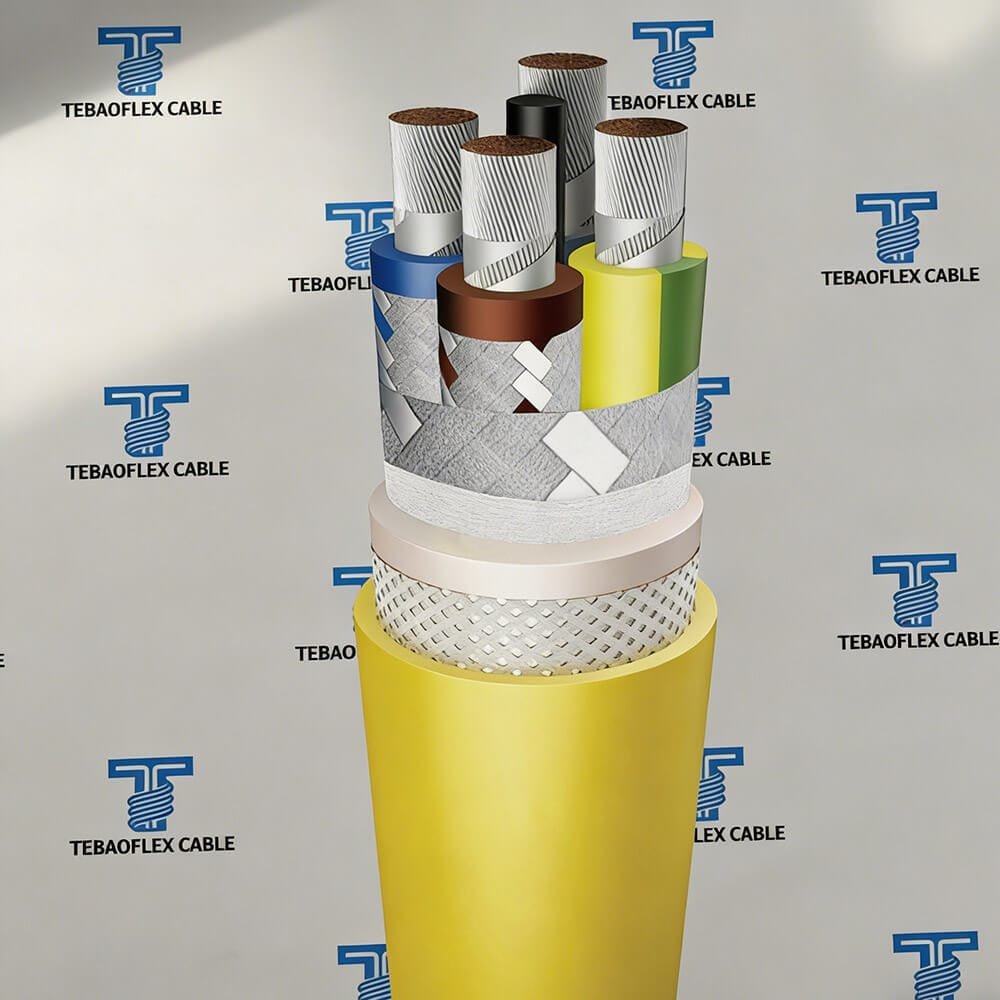
Document compliance and condition evidence
Use the cable marking, data sheet, drawings and local mine requirements as the specification record. Where a U.S. installation requires it, verify the applicable MSHA approval or acceptance status and marking; MSHA publishes information on flame-resistant cables accepted for mine use. Do not assume that an approval, test report or model designation transfers automatically to a different country, voltage or equipment route.
For replacement work, photograph the jacket marking, both terminations, damaged areas and the route. A cut sample can assist identification, but it does not replace the approved product specification. Keep records of recurring damage locations so that the route or handling method can be corrected instead of repeatedly replacing the cable.
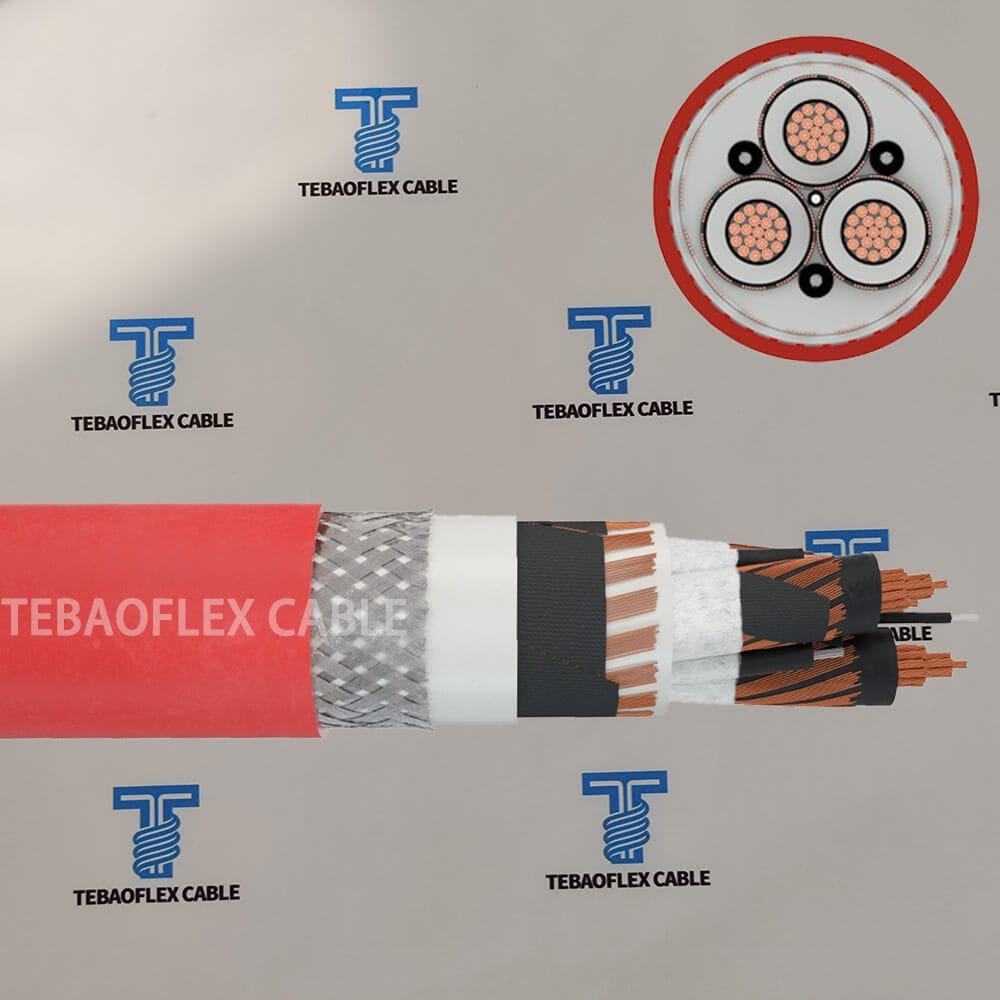
Underground mining cable RFQ checklist
| Record | What to provide | Selection value |
|---|---|---|
| Equipment duty | Machine type and mobile or fixed service | Sets the movement and construction path. |
| Route evidence | Travel, bends, clamps, floor/wall contact and access limits | Identifies abrasion, tension and pinch risks. |
| Water exposure | Water, mud, drainage and duration of exposure | Prevents unsupported wet-area assumptions. |
| Electrical functions | Voltage, load, earth, pilot/ground-check, control and data | Confirms core and termination requirements. |
| Compliance record | Local rules, required approvals, marking and test documents | Supports project-specific verification. |
| Existing evidence | Photos, cable marking, failure history and termination images | Improves replacement accuracy. |
Common replacement mistakes
- Ignoring the cable route. Voltage matching does not resolve crushing, tension or rubbing.
- Using an image as a full specification. Verify the marking and approved documents.
- Leaving terminations out of the enquiry. Clamps and strain relief are part of service life.
- Assuming every wet area needs the same construction. State the real water exposure and operating duty.
- Skipping compliance verification. Confirm local mine and project requirements before ordering.
For the broader equipment-motion method, read the mining equipment cable guide.
Frequently asked questions
What cable is used for underground mining equipment?
The correct cable depends on the machine, voltage, motion, route, environment and local requirements. Start with application data instead of a generic type name.
Can a fixed cable be used as a trailing cable?
Not without confirming that its documented construction and service limits suit the repeated movement and mechanical conditions of the route.
How should water exposure be specified?
State where the cable is exposed, how often, for how long, and whether the route includes drainage or immersion. This information must be assessed against the product documentation.
Why are termination photos important?
They show available space, glands, clamps and strain-relief arrangements that can affect suitability and installation quality.
What should be sent for a quotation?
Send the route record, electrical functions, standards, photos, marking and existing-cable history. You can send your underground mining requirements for a project review.
Specify from evidence, then select
A dependable underground mining cable decision connects the cable to its route, equipment and records. TEBAOFLEX can review project inputs before a new installation or replacement order is finalised.
Last reviewed: August 2026. Final suitability must be confirmed against the project specification, local rules and equipment requirements.