Facility and Equipment
Platform, FPSO, refinery, vessel, pump, compressor, emergency system or downhole instrument.

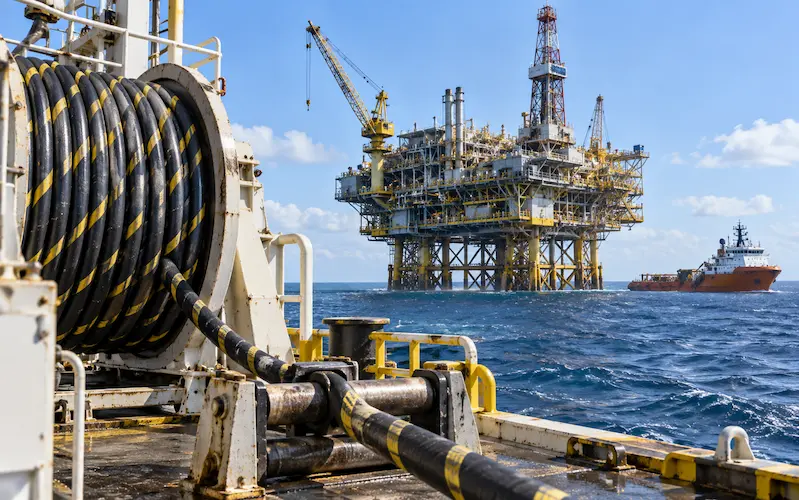
TEBAOFLEX supports cable selection for offshore platforms, FPSOs, drilling systems, refineries, petrochemical plants and marine vessels. Construction is reviewed against the circuit function, installation route, fire-performance requirement and exposure to oil, drilling fluids, chemicals, moisture and marine conditions.
Oil, gas and marine cable selection begins with the installation context rather than a product name. These four inputs establish the first engineering boundary before voltage, conductor size, materials and approvals are confirmed.
Platform, FPSO, refinery, vessel, pump, compressor, emergency system or downhole instrument.
Fixed tray, enclosed area, exposed deck, flexible connection, portable equipment or tubing-encapsulated route.
Oil, drilling mud, saltwater, humidity, UV, chemicals, temperature and mechanical loading.
General power, fire-critical power, control, instrumentation, communication or integrated services.
The application defines the environment. The circuit function defines the cable construction.
Use the operating environment to narrow the route, hazard and material requirements. The same facility may require several cable constructions because normal power, instrumentation and emergency circuits have different duties.
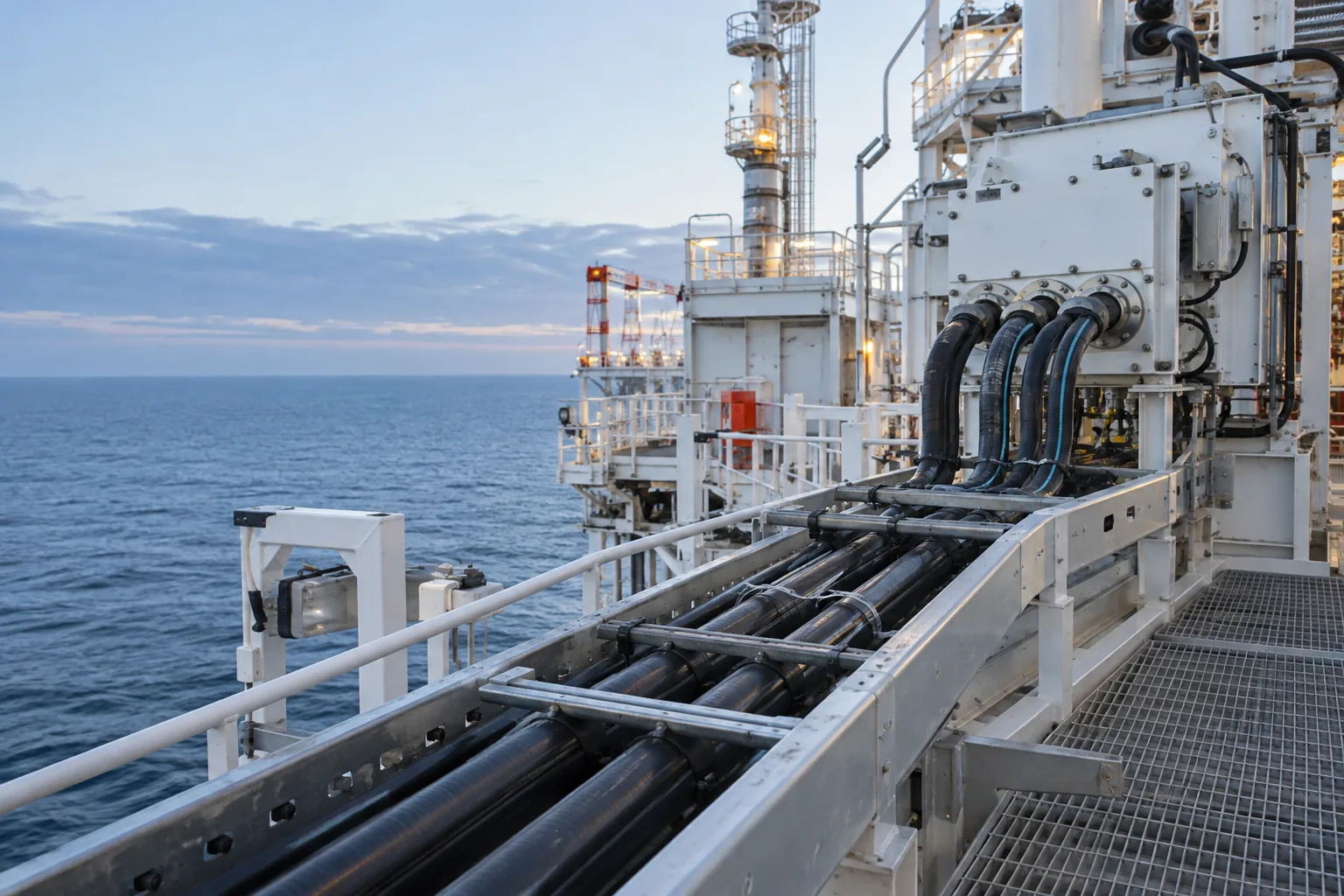
Fixed platforms, FPSOs, drilling units and production facilities exposed to saltwater, humidity, vibration, oil, mud, UV and fire-safety requirements.
Explore Offshore Applications ↓
Refineries, gas processing plants, tank farms, pipeline stations and process equipment with hydrocarbon, chemical, signal-integrity and fire considerations.
Explore Petrochemical Applications ↓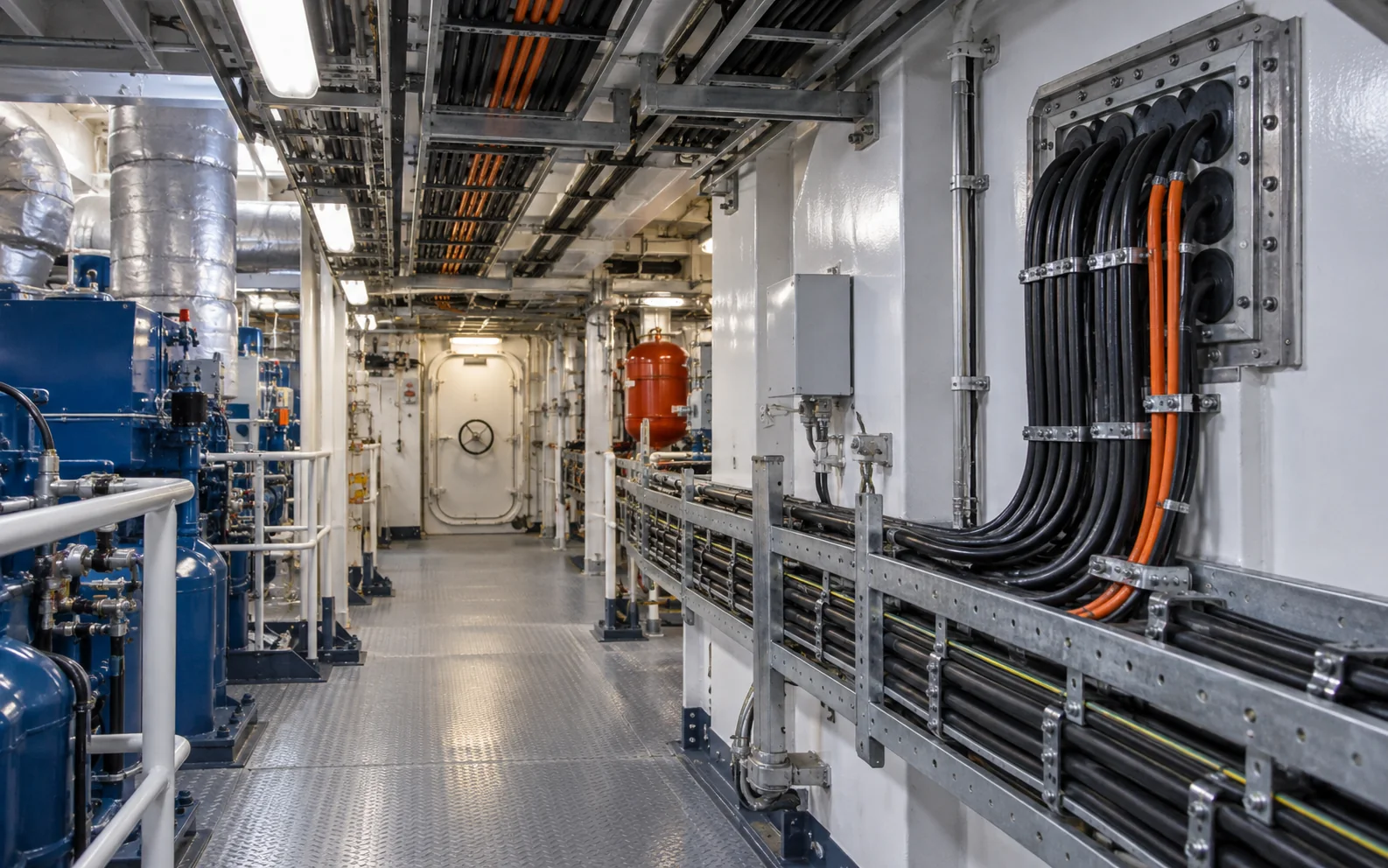
Shipboard distribution, engine rooms, deck machinery, lighting, emergency circuits and vessel control systems in humid and mechanically demanding routes.
Explore Marine Applications ↓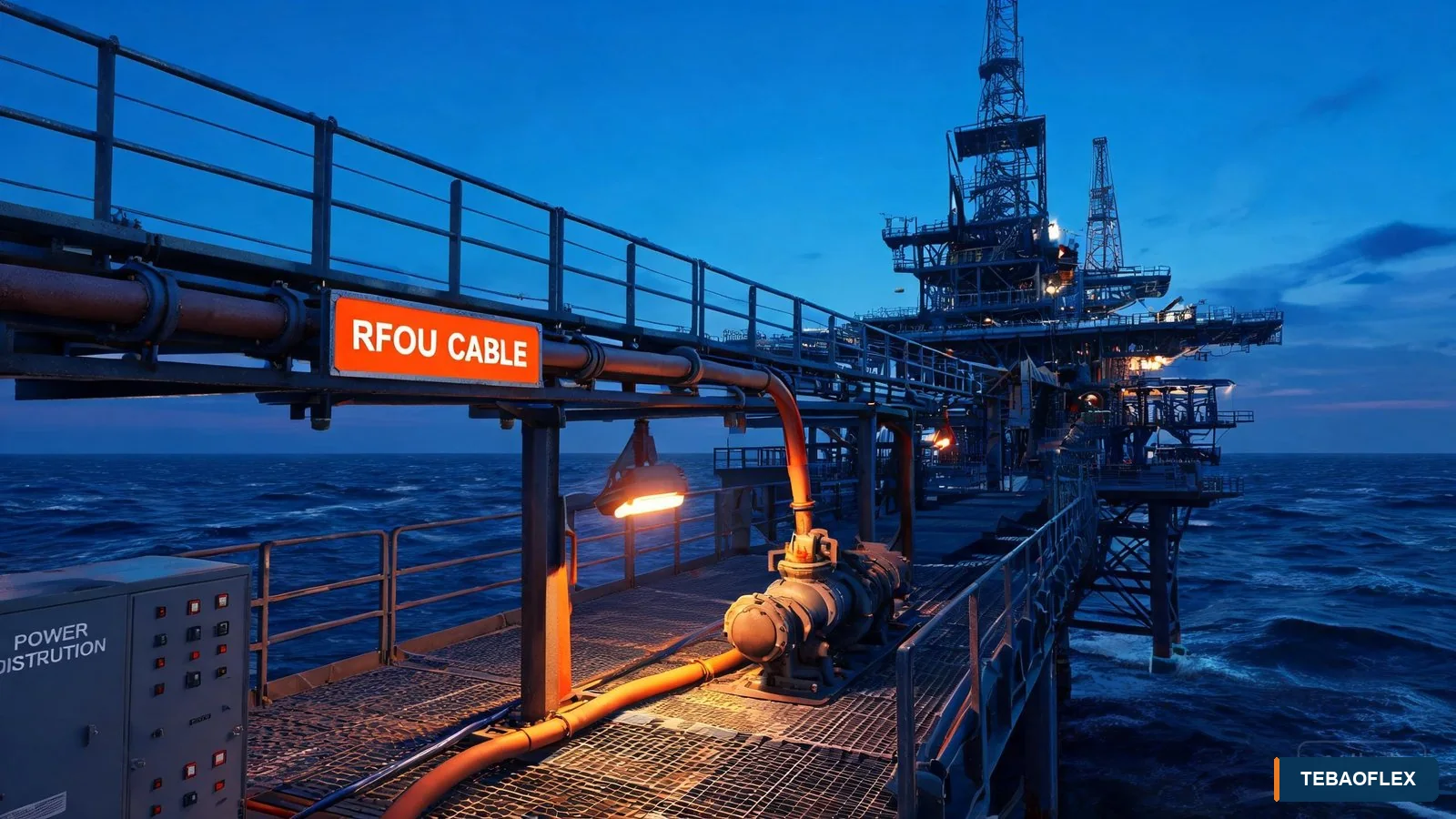
Fixed platforms, FPSOs, jack-up rigs, semi-submersible units and production systems combine process power, safety circuits, monitoring and exposed deck routes. A project may therefore need normal-operation cable families together with fire-resistant, screened or mechanically protected constructions.
Switchgear, motors, pumps, compressors, HVAC, utilities and lighting. RFOU and other offshore power cable constructions are reviewed against the confirmed route and project standard.
Fire pumps, emergency lighting, generators, ESD and alarm circuits may require verified circuit integrity during fire, making BFOU-type construction relevant where specified.
Process monitoring, sensors and control loops require core identification, screening and EMC performance matched to signal type and installation geometry.
Drill-floor, mud-handling and portable equipment can add oil, mud, bending and mechanical loads that must be separated from fixed-installation assumptions.
An FPSO combines marine movement, production modules, storage and offloading functions. Cable selection must coordinate the electrical duty with route, fire zone, deck exposure and project documentation.
Feeders for switchboards, motors, pumps, HVAC, utilities and production equipment.
Multicore and screened cables for sensors, control systems, instrumentation and monitoring.
Fire pump, emergency lighting, alarm, shutdown and essential circuits requiring project-defined fire performance.

Refineries, gas-processing plants, pipeline stations and tank farms place the emphasis on hydrocarbons, chemicals, temperature, flame propagation, fixed industrial routing and signal integrity. Offshore claims should not automatically be transferred to an onshore product without checking its own specification.
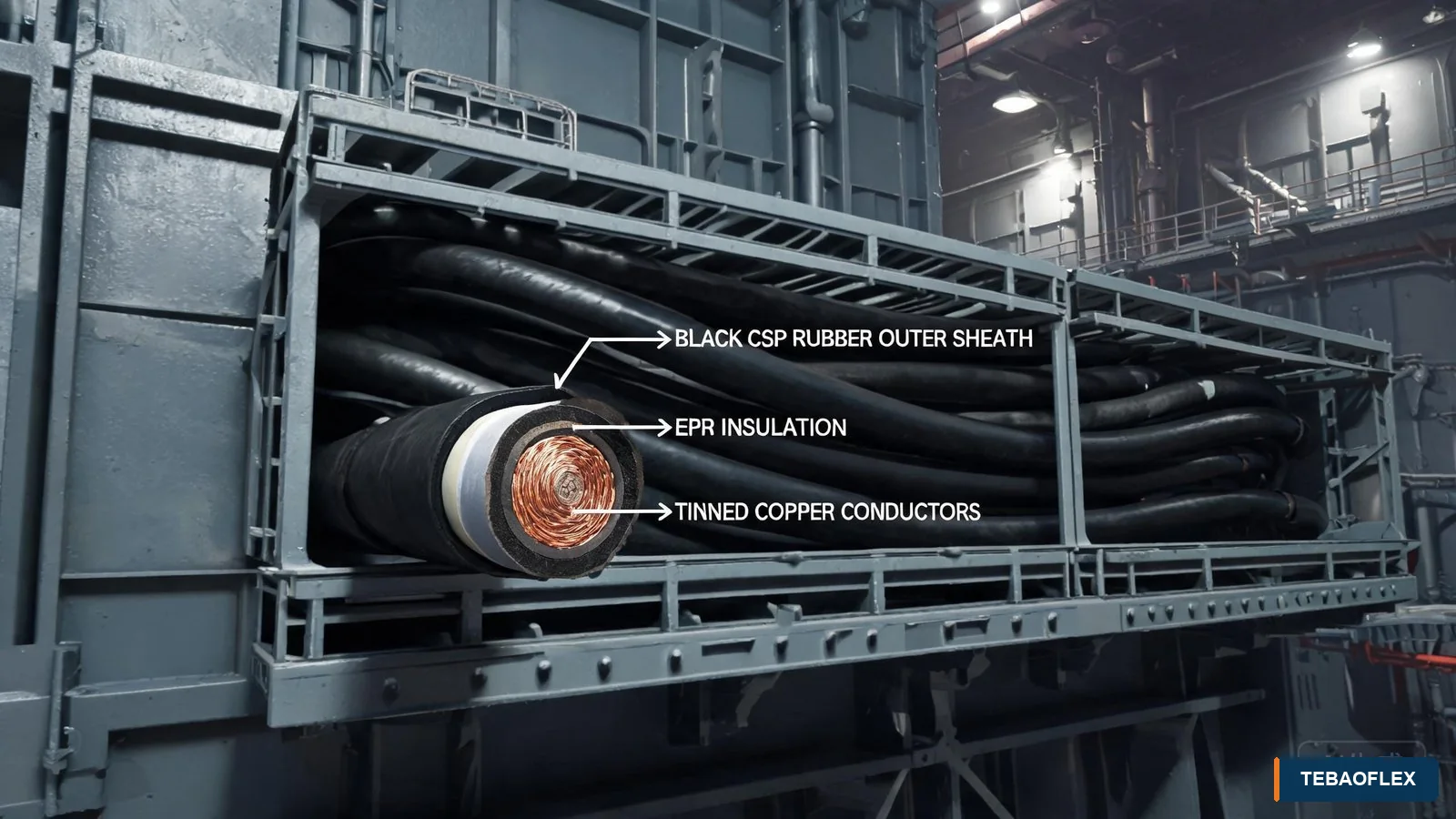
Commercial vessels, offshore support vessels and workboats require coordinated cable systems for the main switchboard, engine room, accommodation areas, deck machinery and emergency services. Fixed shipboard circuits and frequently flexing deck connections must be specified separately.
The table is a selection map, not a universal product approval. Final construction, voltage, conductor size, installation conditions, fire performance and documentation must be confirmed for each project.
| Circuit Function | Typical Application | Main Requirement | Starting Cable Family |
|---|---|---|---|
| General power | Pumps, motors, HVAC and lighting | Voltage, ampacity, oil/moisture exposure and flame performance | RFOU / marine power cable |
| Fire-critical power | Fire pump, emergency lighting and ESD | Documented circuit integrity during fire | BFOU |
| Control | Process equipment and machine control | Multicore organization and screening where required | Screened or unscreened control cable |
| Instrumentation | Sensors, monitoring and process signals | Signal integrity, pair/triad layout and EMC | Instrumentation cable |
| Marine heavy-duty power | Offshore machinery and vessel equipment | Mechanical protection and marine routing | Type P |
| Downhole monitoring | Well sensors and gauges | Pressure, temperature, chemicals and metal-tube construction | TEC cable |
| Specialized subsea systems | ROV and underwater equipment | Water pressure, tensile load and integrated services | Subsea / umbilical cable |
RFOU and BFOU may appear in the same project but serve different requirements. Selection should follow the circuit safety function and the documentation specified by the project.
These products are starting points for technical discussion. Product marking, voltage, core arrangement, materials, fire tests, approvals and installation limits must be checked against the selected model and purchase specification.
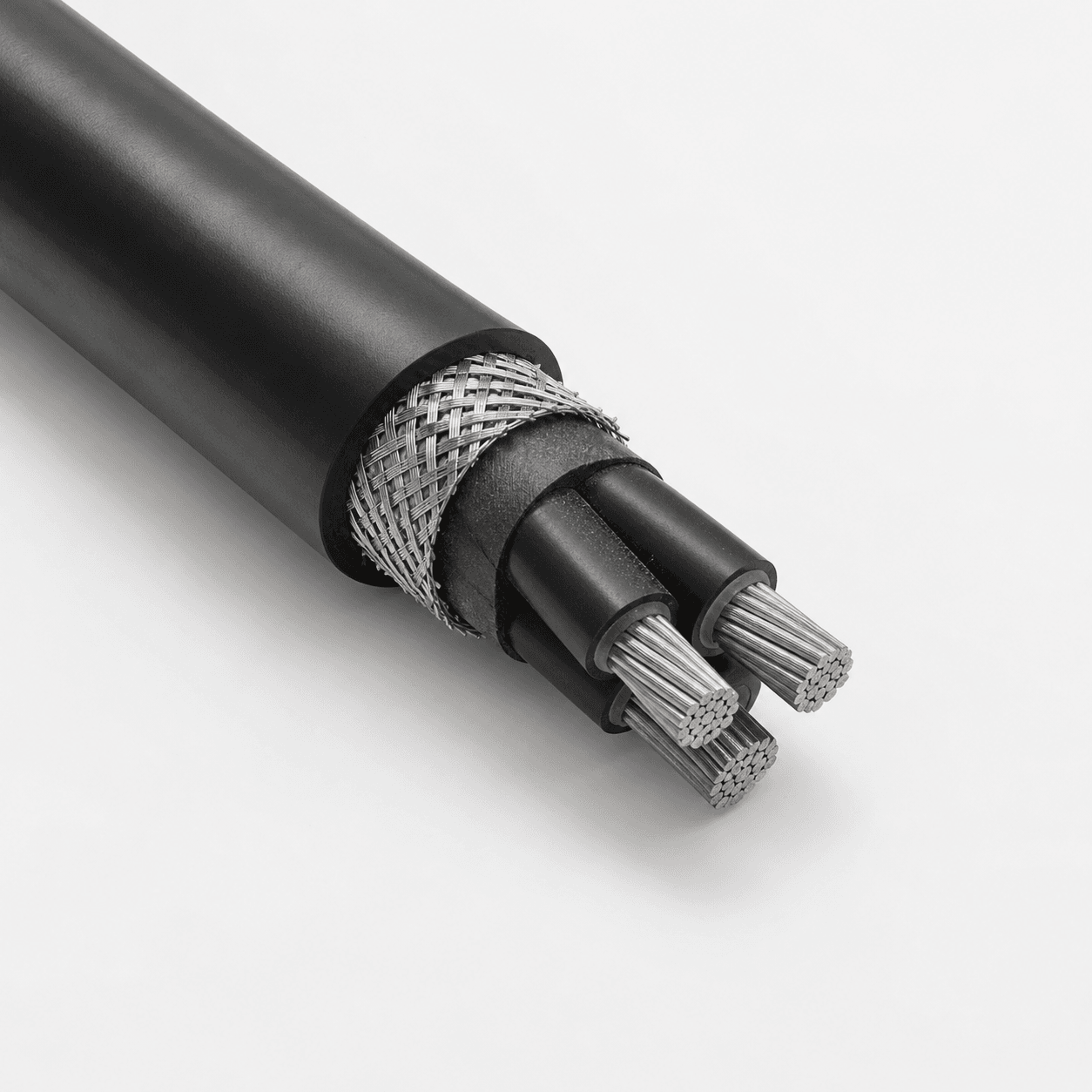
For suitable fixed offshore and marine power-distribution routes where the confirmed specification calls for an RFOU construction.
View RFOU cable →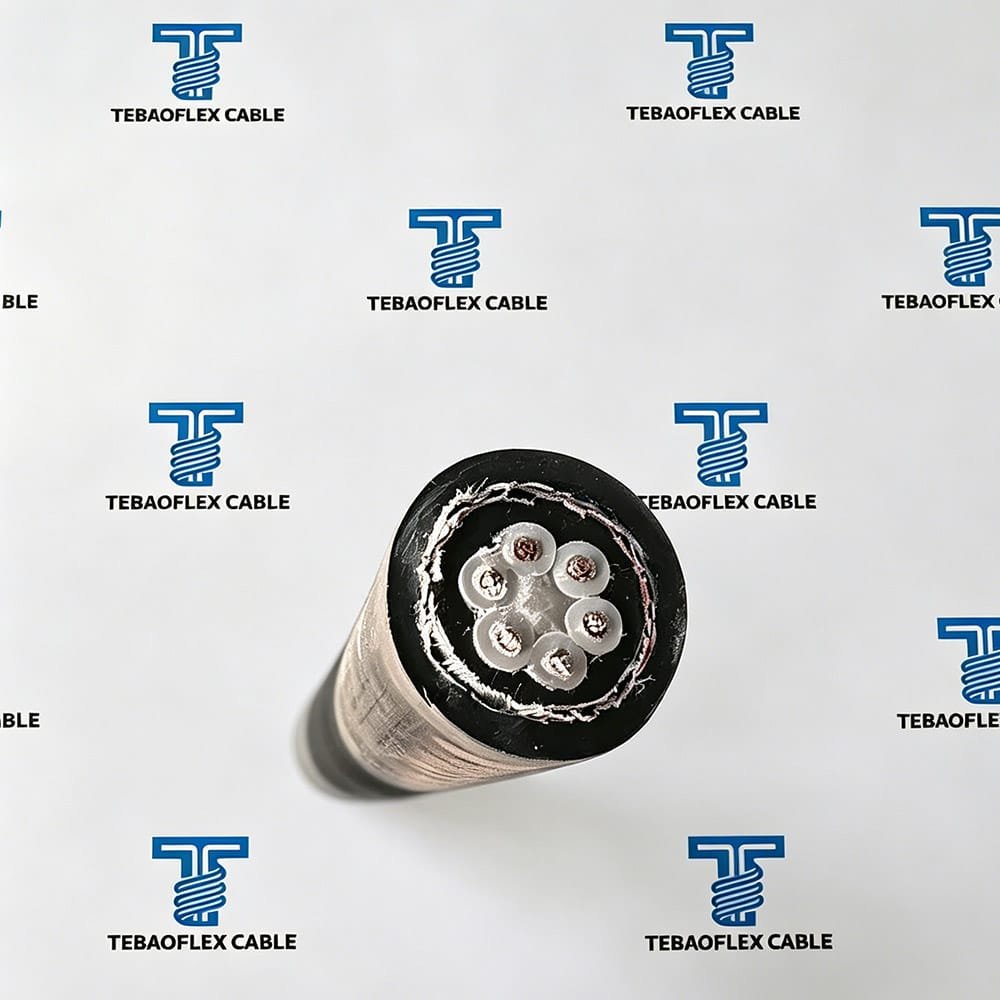
Fire-resistant offshore power cable for applicable emergency and safety circuits requiring verified circuit integrity.
View BFOU cable →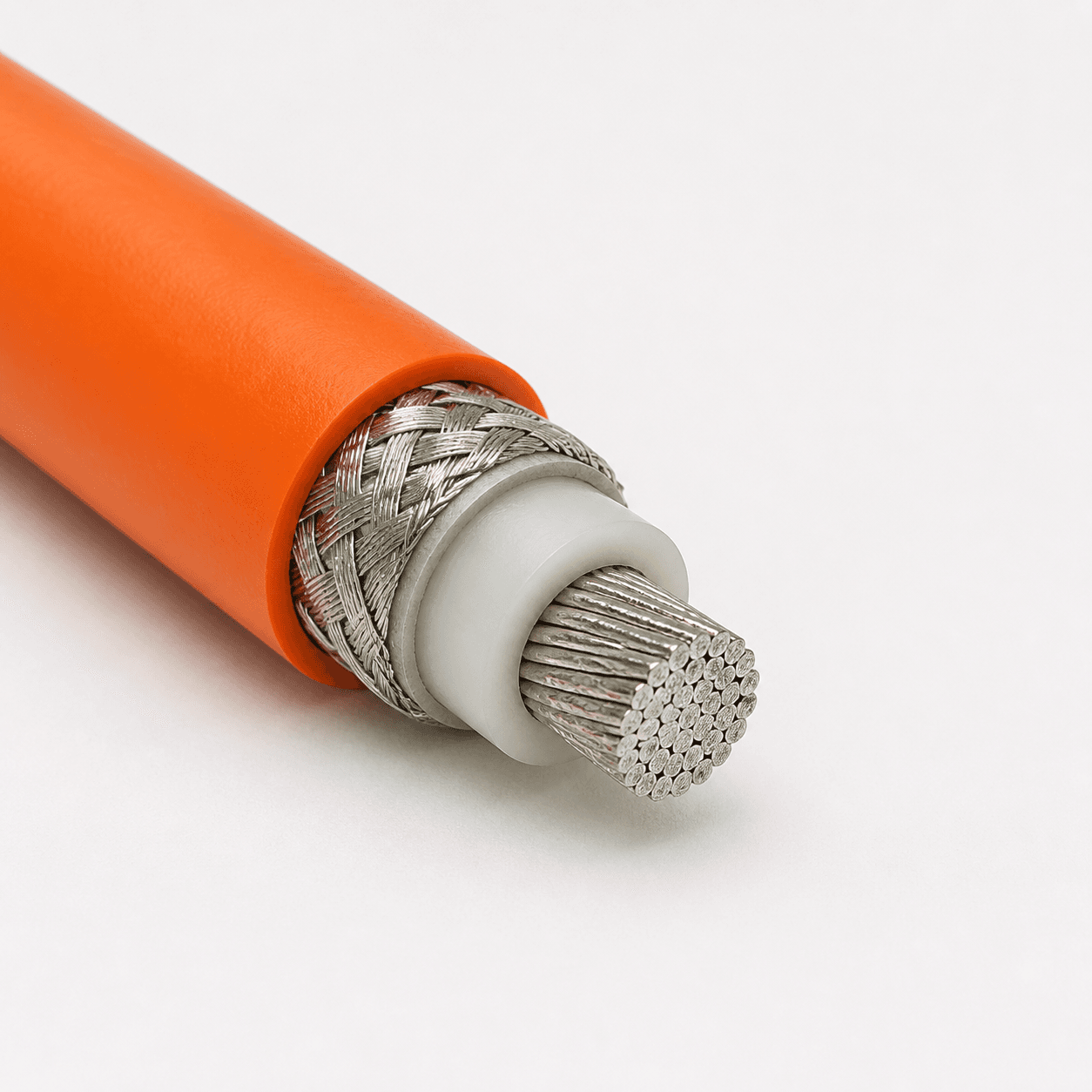
Single-conductor marine and offshore power cable for project routes requiring the confirmed Type P voltage and armour design.
View Type P cable →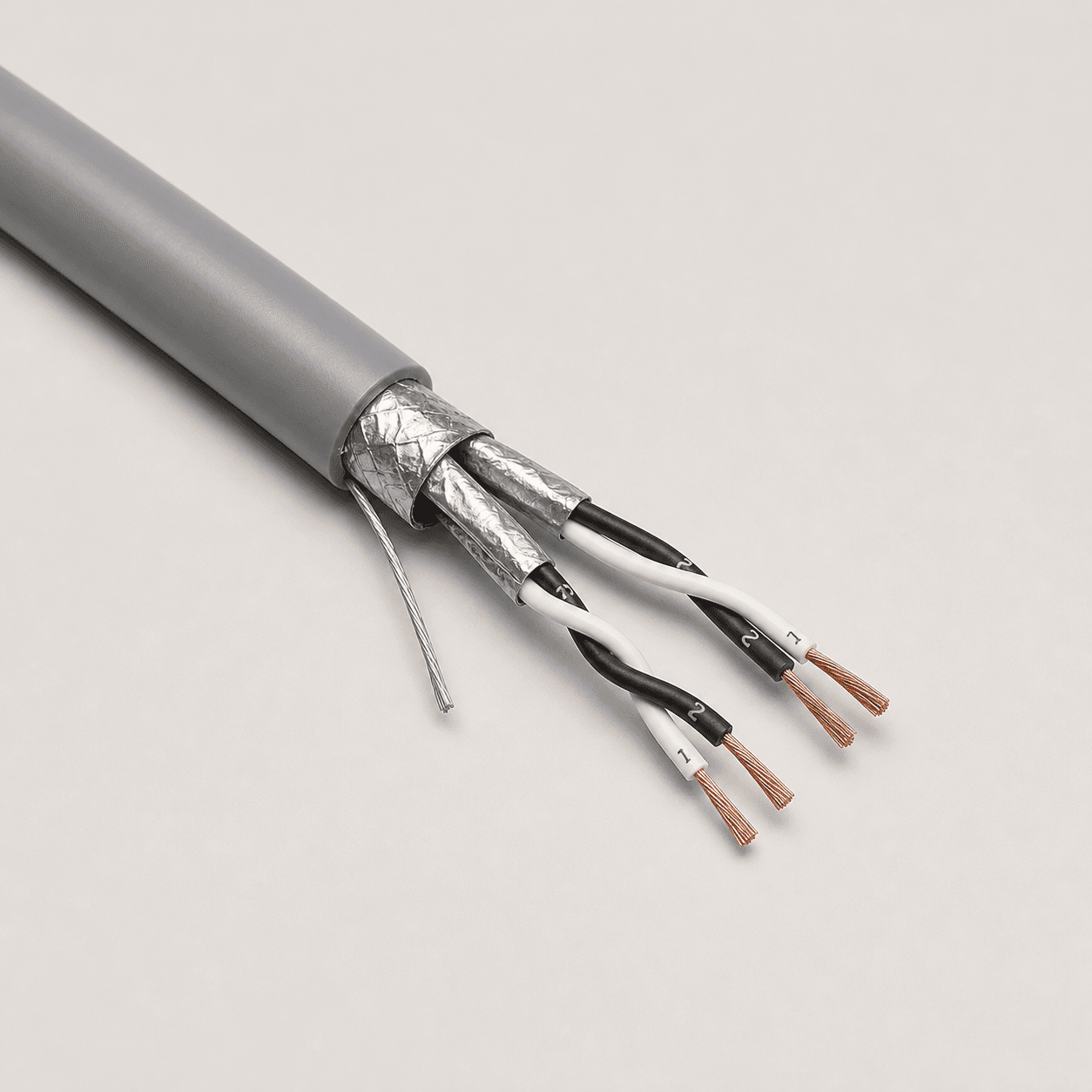
Screened instrumentation construction for applicable process signals, sensors and monitoring circuits.
View instrumentation cable →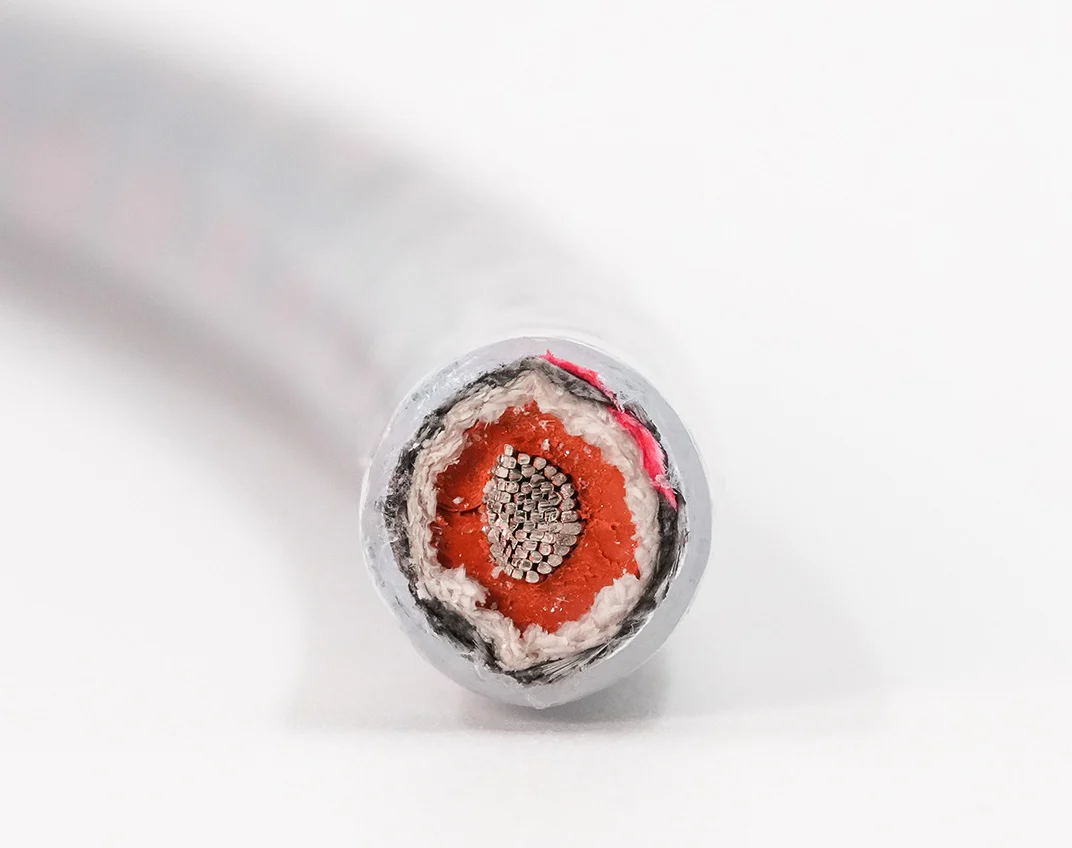
High-voltage ignition cable for confirmed flare and industrial ignition system requirements.
View flare stack cable →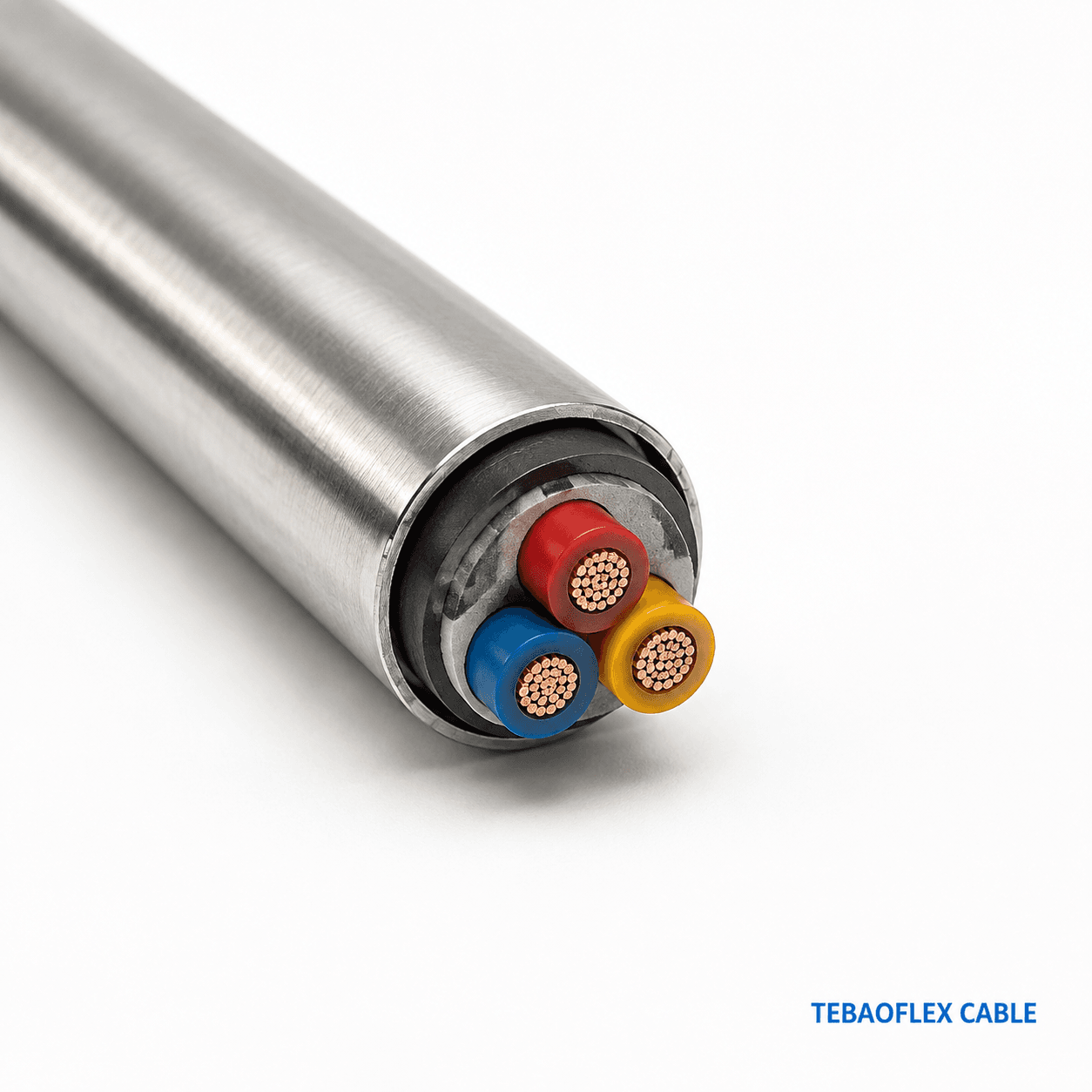
Metal-tube cable for defined downhole instrumentation and power functions subject to confirmed well conditions.
View TEC cable →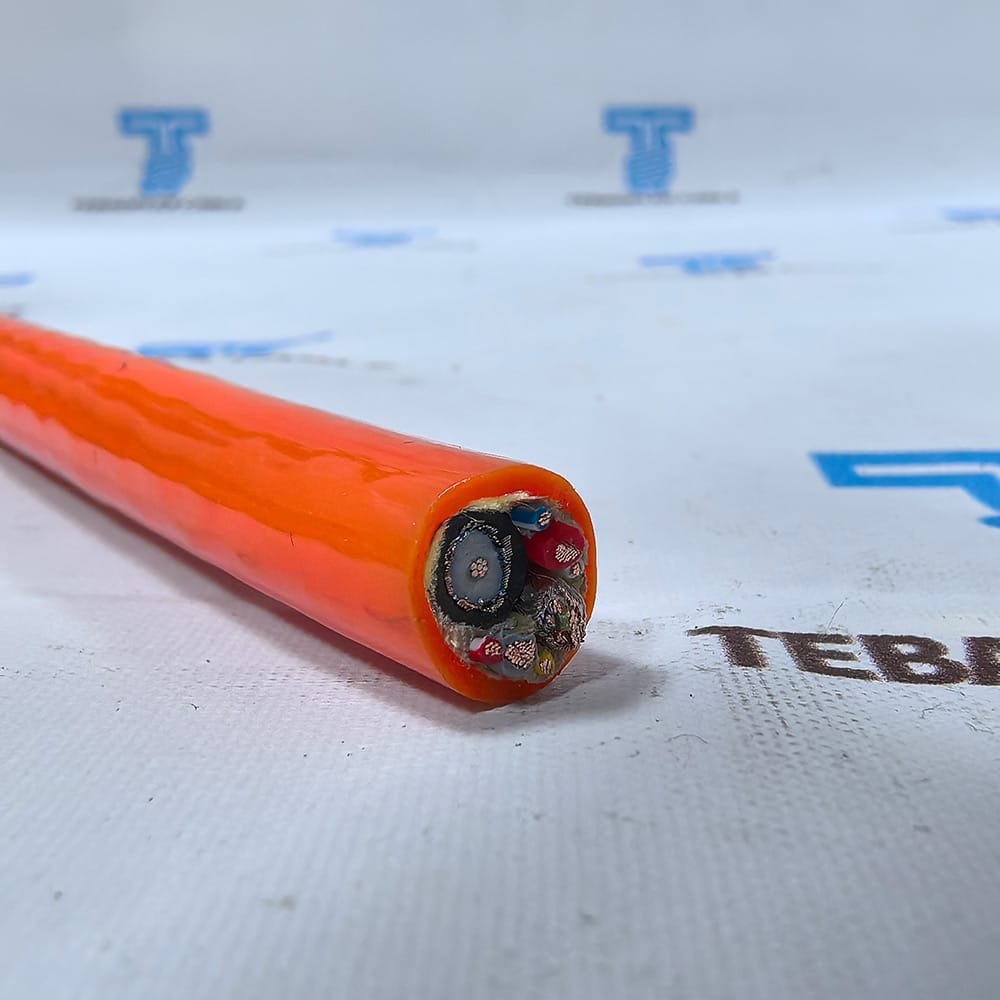
Project-specific integration of power, signal, fibre-optic or hose elements for specialized offshore and subsea systems.
View composite umbilical →The required cable construction depends on the actual exposure and circuit function. These conditions are specification inputs—not blanket performance claims for every product.
Confirm the fluid type, contact duration, temperature and applicable material test.
State the drilling-fluid environment and required test or project standard.
Review sheath, armour, glands and routing for the marine exposure.
Identify exposed-deck routes, solar loading and ambient conditions.
Distinguish flame propagation from circuit-integrity requirements.
Define vibration, crush, impact, tension, bending and protection needs.
Provide the chemical medium, concentration and service temperature.
Specify signal type, pair/triad layout, screen and grounding concept.
Standard references define different aspects of construction, selection or fire testing. Applicability must be confirmed for the specific cable, voltage, installation and destination project; a standard mentioned here does not mean every TEBAOFLEX product carries every approval.
| Standard / Requirement | How It Relates to the Project | Confirmation Needed |
|---|---|---|
| IEC 60092-350 | General construction and test methods for shipboard and offshore power, control and instrumentation cables for fixed electrical systems within its scope. | Cable type, voltage, route and applicable edition. |
| IEC 61892-4 | Cable selection for fixed electrical systems on mobile and fixed offshore units within its defined scope. | Unit type, fixed-system status and project design basis. |
| NEK TS 606 | Offshore cable requirements where the project specification calls for this technical specification. | Project-specified edition, cable designation and documentation. |
| IEC 60331 series | Fire-test methods for circuit integrity under defined conditions and cable scope. | Required part, cable size, test condition and acceptance evidence. |
| IEC 60332 series | Flame-propagation test methods for single cables or bunched cables, depending on the specified part. | Exact part/category and product test report. |
| Project / class requirement | DNV, ABS, LR, BV or other class and owner requirements when explicitly specified. | Selected product approval scope and destination acceptance. |
Applicable standards, approvals and certification scope must be confirmed for the selected cable type and destination project.
A useful enquiry connects the electrical duty with environmental and documentary requirements. The sequence below reduces avoidable revisions before quotation.
Identify platform, FPSO, refinery, vessel, process equipment or downhole system.
Define power, control, instrumentation, emergency, ignition or integrated service.
Provide voltage, conductor size, cores, load information and signal arrangement.
State fixed tray, exposed deck, flexible route, portable duty or metal-tube installation.
List oil, mud, saltwater, chemicals, UV, temperature and mechanical conditions.
Separate flame-retardant needs from fire-resistant circuit-integrity requirements.
Confirm signal type, screen arrangement, grounding plan and interference environment.
Name the required IEC, NEK, owner or project specification and edition.
List datasheets, drawings, tests, class documents and inspection requirements.
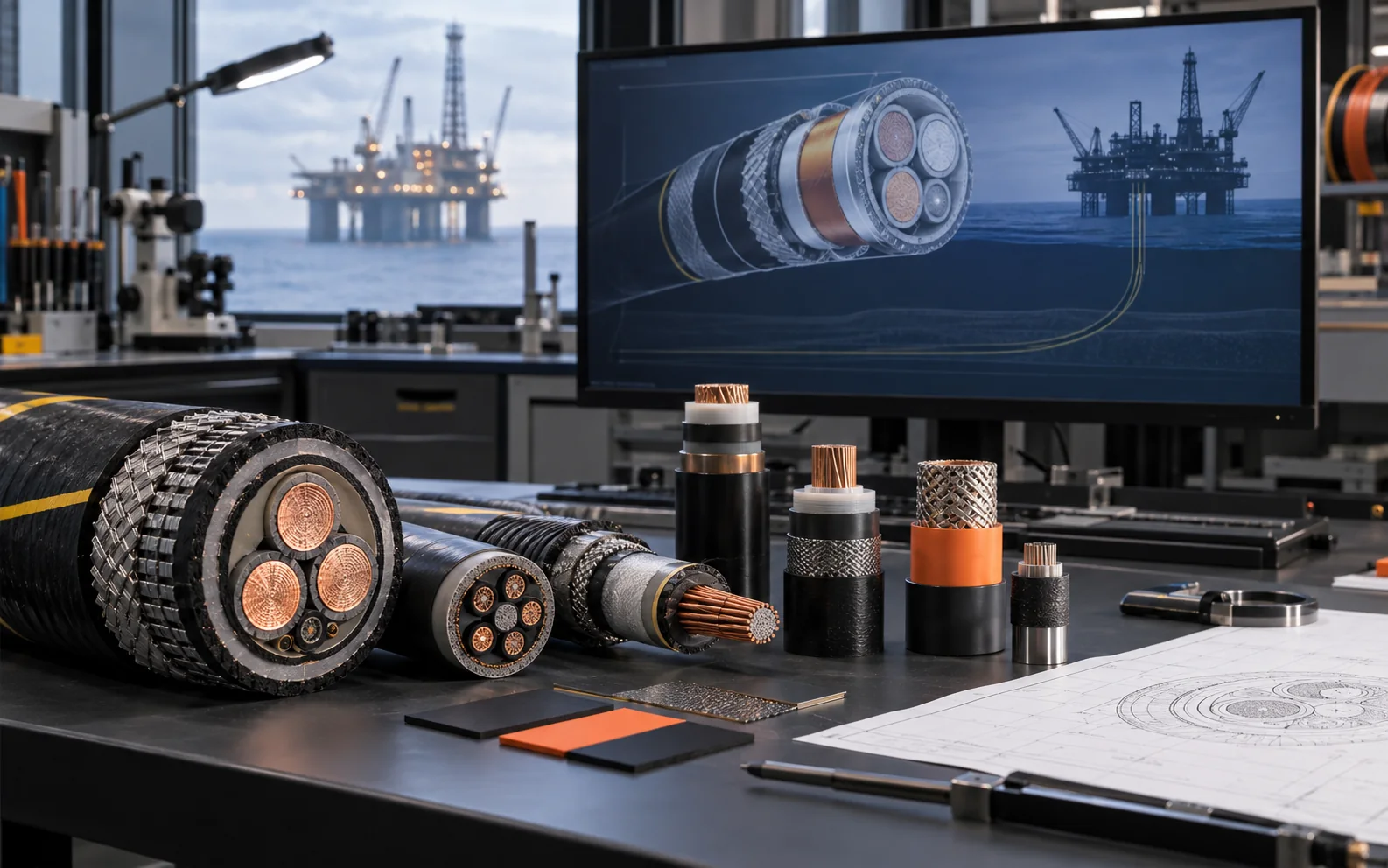
Customization should solve a defined electrical, environmental or installation problem. TEBAOFLEX can review the following construction areas after the application data and required standard are provided.
Power, control, auxiliary and grounding functions organized for the circuit.
Composite arrangements considered where system architecture justifies integration.
Individual or overall screening reviewed against signal and grounding requirements.
Fire barrier and test requirement aligned with the specified circuit-integrity duty.
Oil, mud, weather, armour and mechanical protection selected for actual exposure.
Fibre-optic elements and project cable marking reviewed when required.
Documentation is tied to the selected construction and order specification. Submit the required document list early so feasibility, test scope and approval status can be reviewed before production.
Confirmed construction, electrical data, dimensions and material information.
Core layout, screen, armour, sheath and marking configuration as applicable.
Relevant routine, type or project tests for the selected model and requirement.
Cross-check of cited standards against product scope and purchase specification.
Inspection, witness and reporting requirements agreed before manufacture.
Drum length, identification, protection and export packing based on the order.
Use these guides for deeper product-level explanation. The application page remains focused on system selection, while each guide covers a narrower cable family or operating question.
Short answers for project buyers and engineers. Product suitability still depends on the confirmed datasheet, route, circuit duty and required standard.
Typical systems include fixed power, fire-resistant power, control and instrumentation cables. RFOU, BFOU, marine power and screened signal families may be considered, but the final type depends on circuit function, voltage, installation and project requirements.
RFOU is commonly considered for general offshore power distribution, while BFOU adds a fire-resistant construction for applicable safety circuits. Confirm the exact product specification and fire-test requirement rather than selecting by name alone.
General feeders may start with an offshore or marine power-cable family such as RFOU, while emergency circuits may require BFOU or another fire-resistant construction. Voltage, ampacity, route, fire zone and class/project rules determine the final selection.
It is relevant when the project requires a circuit to maintain integrity during a defined fire test, such as for emergency power, fire pumps, alarms or shutdown functions. The specified standard, duration and test scope must be confirmed.
Select a sheath and construction whose documented test scope matches the actual fluid, temperature and exposure. No single material claim should be applied to every oil, mud, chemical and seawater condition.
Projects may reference IEC 60092, IEC 61892, NEK TS 606, IEC 60331, IEC 60332 and owner or class requirements. Applicability depends on cable type, circuit, installation and the edition specified by the project.
Provide facility, circuit function, voltage, cores and conductor size, installation, environmental exposure, fire requirement, standard, approval needs, length, quantity, destination and any datasheet or drawing.
Project-specific core configuration, screening, protection, sheath, fire-performance construction, integrated elements and marking can be reviewed when the technical requirement and applicable standard are supplied.
Send the facility type, cable function, voltage, conductor size, installation route, fire requirement, environmental exposure, required standard, length, quantity and destination. TEBAOFLEX will review a suitable starting construction for quotation.