What Is RFOU Cable?
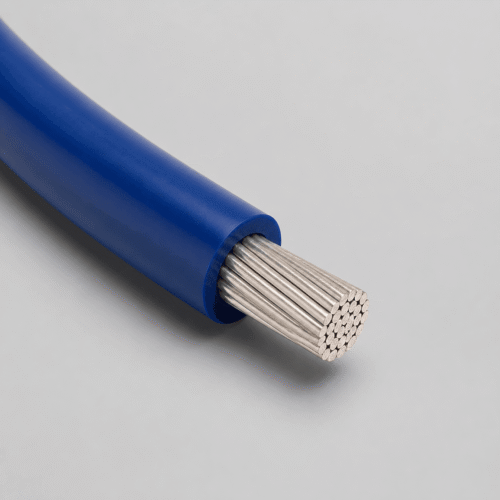
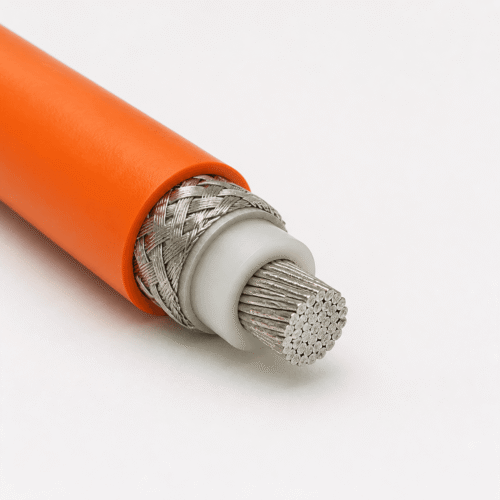
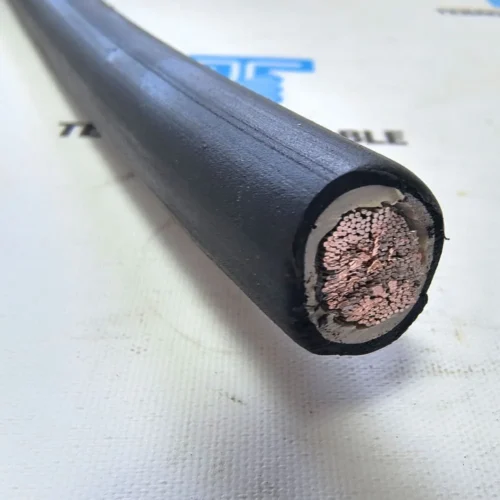
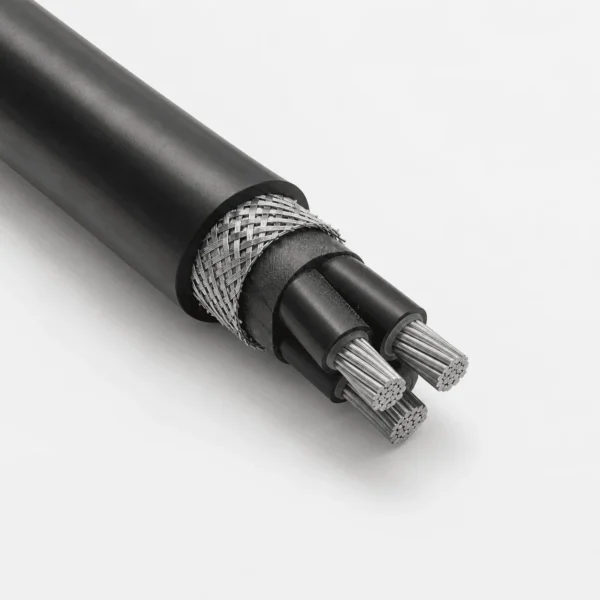
RFOU cable is a 0.6/1 kV flame-retardant, halogen-free and mud-resistant power cable for fixed offshore and marine installations. The listed construction uses Class 5 flexible tinned-copper conductors, EPR insulation, an SHF1 inner sheath, a tinned-copper wire braid and an SHF2 EVA outer sheath. It is specified for fixed power distribution, lighting and compatible control circuits on offshore platforms, marine vessels and oil-and-gas facilities where wet, oily or muddy exposure must be considered.
RFOU identifies a construction family, not automatic approval for every project. Engineers must confirm conductor size, core count, current rating, installation route, fire-performance requirements, mud and oil exposure, project standards and requested documentation. Read the RFOU cable specification guide or ask the TEBAOFLEX offshore cable team to review the project cable schedule.
RFOU 0.6/1kV Cable at a Glance
| Parameter | Listed construction | Selection note |
|---|---|---|
| Product type | RFOU offshore and marine power cable | Fixed installation |
| Rated voltage | 0.6/1 kV | Confirm circuit and project marking |
| Construction | EPR/EPR/TCWB/EVA | Final dimensions depend on core count and size |
| Conductor | Class 5 flexible tinned copper | Flexible for installation; not a continuous-flex cable |
| Screen / braid | Tinned-copper wire braid (TCWB) | Confirm earthing and termination method |
| Outer sheath | SHF2 EVA, halogen-free and mud-resistant | Confirm project test and documentation scope |
| Maximum conductor temperature | +90°C | Subject to loading and installation conditions |
How Is RFOU Cable Constructed?
| Layer | Construction detail | Function |
|---|---|---|
| Conductor | Class 5 flexible tinned copper | Power transmission with corrosion-resistant conductor surface |
| Insulation | EPR insulated core | Electrical insulation for the listed voltage system |
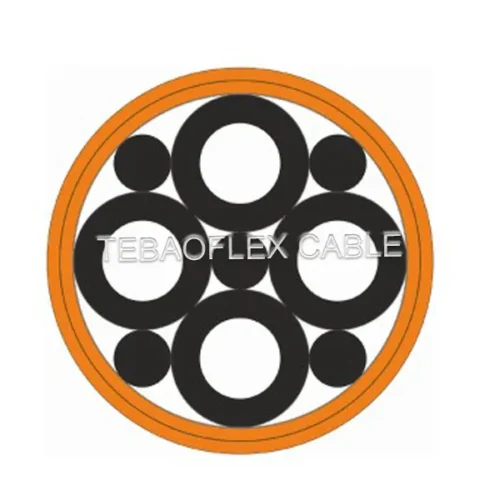
| Filler | Halogen-free filler where required by multicore construction | Maintains the laid-up cable shape |
| Tape | Wrapping tape over laid-up cores | Secures the core assembly |
| Inner sheath | SHF1 inner sheath | Bedding beneath the braid |
| Screen / braid | Tinned-copper wire braid (TCWB) | Screening and mechanical protection within the construction |
| Outer sheath | SHF2 EVA | Flame-retardant, halogen-free, oil- and mud-resistant outer protection |
The braid and sheath must be terminated according to the installation design. Cable glands, earth bonding, segregation and support spacing should match the approved cable diameter, braid arrangement and equipment-entry requirements.
Which Standards and Test References Apply?
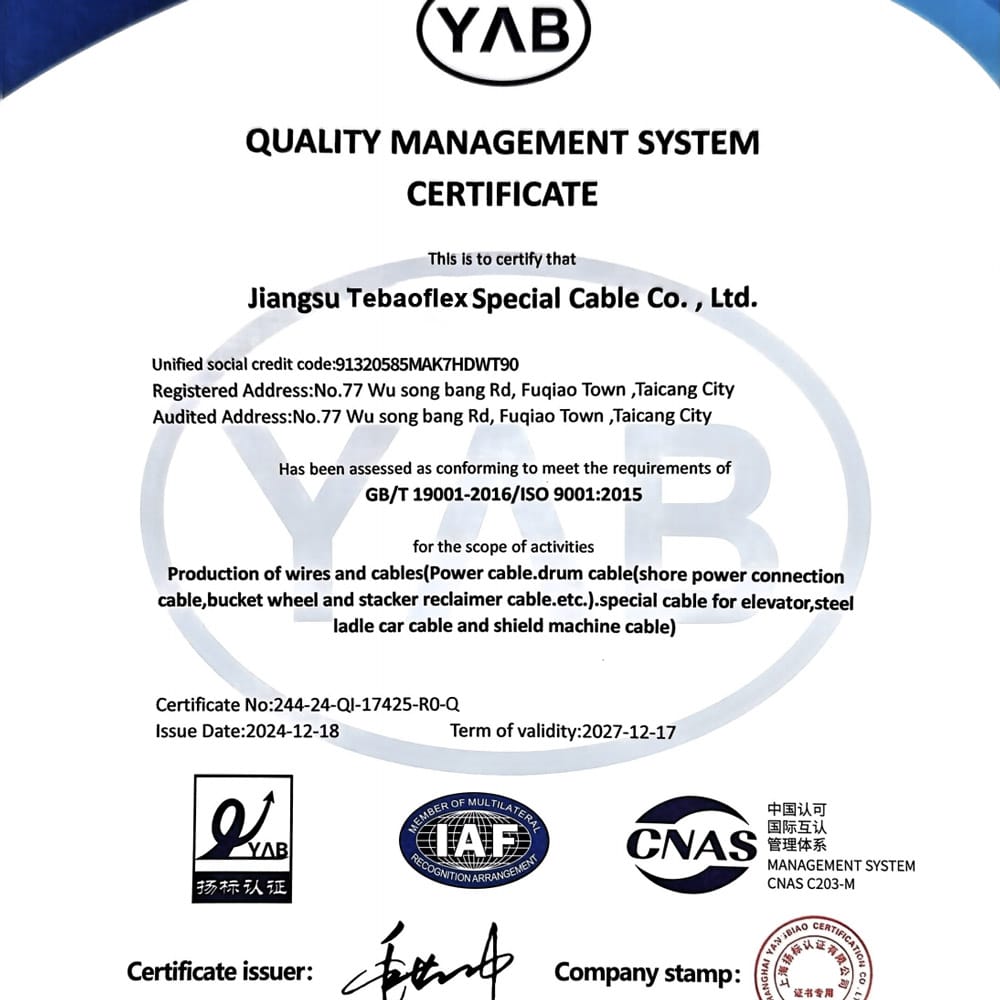
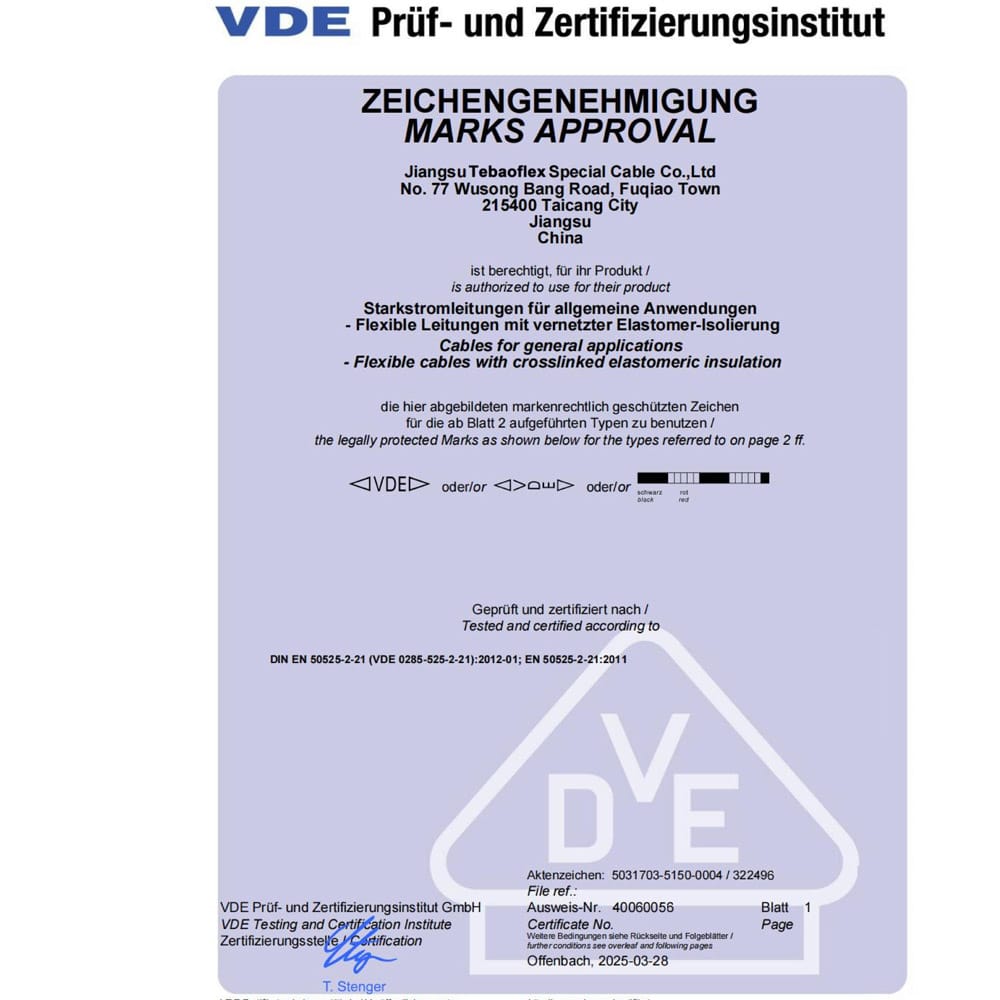
RFOU project specifications commonly reference NEK 606 and IEC 60092-353. Fire-related requirements can also cite the IEC 60332, IEC 61034 and IEC 60754 series. These references describe different construction or test aspects; listing them does not mean every size or customized design automatically carries every approval. Confirm the required edition, test scope, marking and documents before ordering.
| Requirement | Typical reference | Purpose |
|---|---|---|
| Offshore cable practice | NEK 606 | Common offshore cable constructions and mud-resistant requirements |
| Shipboard power cable design | IEC 60092-353 | Shipboard and offshore non-radial-field power cables for relevant voltage ratings |
| Flame propagation | IEC 60332 series | Flame-spread performance under defined test conditions |
| Smoke density | IEC 61034 | Smoke emission under defined fire conditions |
| Halogen and acidity | IEC 60754 series | Acid-gas and halogen-related material testing |
Where Is RFOU Cable Used?
- Fixed power-distribution circuits on offshore platforms
- Marine vessel power and lighting routes
- Compatible control and auxiliary circuits
- Oil-and-gas facility cable trays and protected fixed routes
- Wet, oily or muddy locations covered by the approved construction
Review the RFOU offshore applications guide for typical fixed power-distribution routes. RFOU is intended for fixed installation. It should not be selected as a continuous-flex, crane-reeling, trailing or submersible cable solely because it has a flexible conductor and offshore sheath. Explore the wider oil, gas and marine cable solutions and marine cable product range when the installation duty differs.
Which RFOU Cable Sizes Can Be Reviewed?
Single-core and multicore configurations can be reviewed against the electrical design. The examples below reflect previous project requests, not a complete stock list or automatic confirmation of current-carrying capacity.
| Example configuration | Application note |
|---|---|
| 4G 4 mm² | Multicore power, control or lighting circuit option |
| 1C 70 mm² | Single-core power-distribution option |
| 1C 120 mm² | Large single-core power-distribution option |
| 4G 16 mm² | Multicore offshore fixed-installation option |
| 4G 95 mm² | Heavy-duty multicore power-route option |
| 4G 185 mm² | Large multicore offshore power-cable option |
| 5G 25 mm² | Five-core power or control-route option |
| 5G 185 mm² | Large five-core power-cable option |
Final conductor size must be calculated from load current, route length, voltage drop, ambient temperature, grouping, installation method, short-circuit duty and applicable project rules. Request the completed data sheet for finished diameter, weight and electrical values.
How Do You Specify the Correct RFOU Cable?
1. Confirm voltage, system and circuit function
State the 0.6/1 kV system, AC frequency where relevant, power, lighting or control function, earthing arrangement and equipment interfaces.
2. Calculate conductor size and core count
Provide continuous and starting current, route length, allowable voltage drop, installation method, grouping and ambient temperature. Include protective-earth and neutral requirements.
3. Define the fixed installation route
Describe cable tray, conduit, open deck, enclosed space, vertical run, support spacing and gland entry. RFOU is a fixed-installation cable even though its conductor is flexible.
4. Describe offshore exposure
Identify mud, oil, drilling fluids, water, salt atmosphere, sunlight, chemicals and minimum or maximum temperature. State the required test method rather than using a general resistance claim alone.
5. Confirm fire-performance requirements
Specify flame propagation, smoke and halogen requirements. If circuit integrity during fire is required, compare the project need with a fire-resistant BFOU construction using the RFOU versus BFOU guide.
6. List documentation and delivery requirements
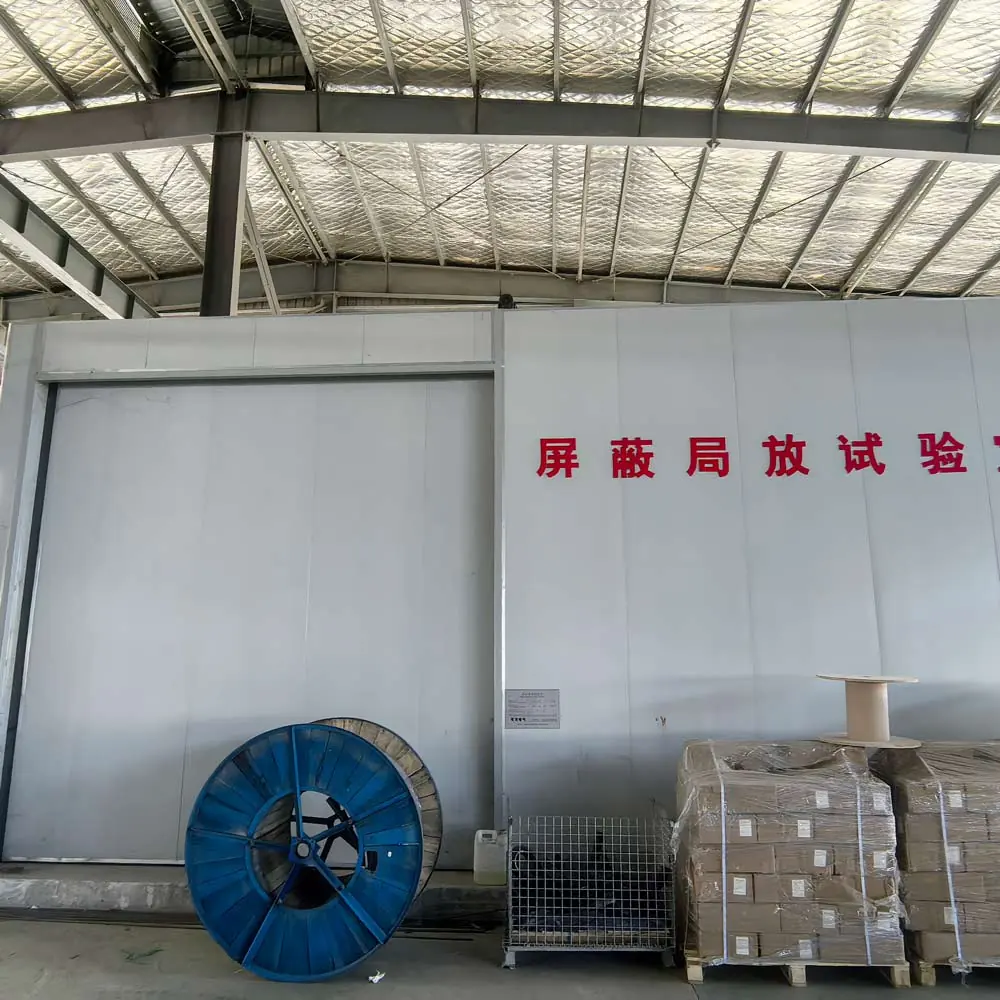
Provide standards and editions, classification or third-party requirements, test reports, inspection plan, cable marking, drum length, packing, destination and delivery schedule.
What Is the Difference Between RFOU and BFOU Cable?
RFOU is selected for flame-retardant, halogen-free and mud-resistant fixed installations. BFOU is reviewed when the project also requires fire-resistant circuit integrity. The cable names alone are not enough for substitution: compare conductor and insulation structure, fire test, braid, sheath, voltage, size, installation route and exact project documentation. RFBU and RFCU designations must likewise be checked against the stated project construction rather than treated as interchangeable names.
Installation Limits and Engineering Notes
- Use RFOU only within the voltage, temperature, bending and environmental limits on the approved data sheet.
- Do not use it for continuous flexing, reeling or trailing service without a separate engineering assessment.
- Confirm gland compatibility, braid termination, earth continuity and cable support before installation.
- Calculate ampacity for the actual route; conductor size examples are not current-rating recommendations.
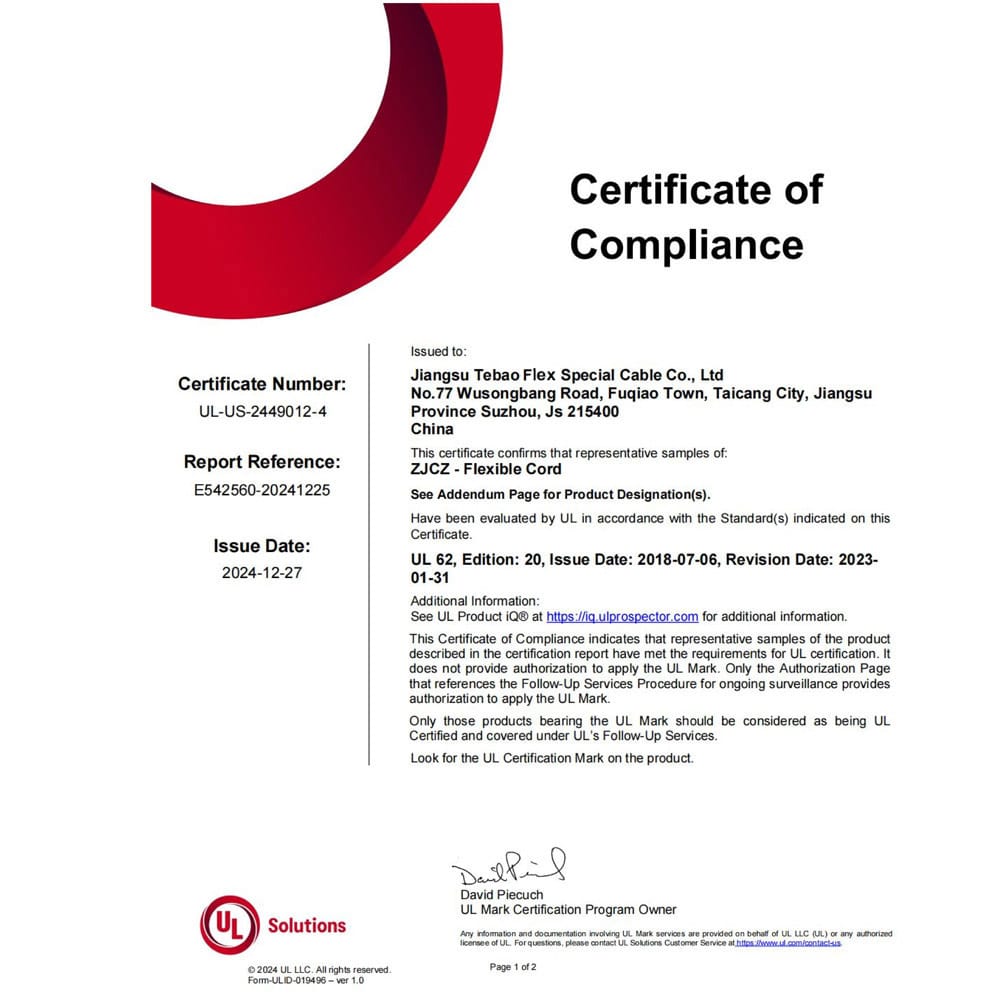
- Verify required standards and certification documents for the exact ordered construction.
Frequently Asked Questions
What does RFOU cable mean?
RFOU is an offshore and marine cable designation associated with a flame-retardant, halogen-free, braided and mud-resistant fixed-installation construction. The full project specification determines the exact materials, dimensions and compliance scope.
Is RFOU cable fire resistant?
RFOU is specified for flame-retardant performance, which limits flame propagation under defined tests. It is not the same as a fire-resistant circuit-integrity cable. Review BFOU when continued operation during fire is required.
Is RFOU suitable for drilling mud exposure?
The listed SHF2 EVA sheath is described as mud resistant. The project must still identify the fluid, test method, exposure duration and required documentation for the ordered construction.
Can RFOU cable be used outdoors or in wet areas?
It is used in offshore and marine fixed installations that can include wet, oily and outdoor exposure. Confirm the route, water exposure, UV conditions, glands and project requirements before selection.
What is the operating temperature?
The listed maximum conductor temperature is +90°C. Allowable ambient temperature and current depend on the installed construction, loading, grouping and project rules.
What information is needed for a quotation?
Send voltage, circuit function, core count, conductor sizes, route length, installation method, environmental exposure, standards, documentation, drum length, quantity, destination and delivery schedule.
Request an RFOU Cable Specification and Quotation
Submit the cable schedule and installation details so the conductor size, core arrangement, braid, sheath, dimensions, current rating and project documents can be reviewed before quotation.