
Technical selection guide for engineers, mine electrical teams and procurement managers specifying mobile mining power cable.
SHD-GC cable is a shielded heavy-duty mining trailing-cable family associated with a ground-check function. It is considered when a mobile or portable machine needs more than phase conductors: the cable, monitoring equipment and protective device must work as one system. That is why a sound selection cannot begin with conductor size alone. The right request starts with the actual electrical system, the machine’s travel pattern, the cable route and the required ground-continuity arrangement.
This guide gives purchasers a practical way to turn those conditions into a clear cable specification and an RFQ that can be reviewed without assumptions. It is not a substitute for the mine’s approved electrical design, machine documentation or applicable regulatory requirements.
What the SHD-GC designation means in a project context
In mining use, “SHD” is commonly used to describe a shielded, heavy-duty trailing cable construction, while “GC” identifies a ground-check arrangement. For a product-level overview of available construction options, see the SHD-GC mining cable product page, then confirm the final configuration against the project requirement. The designation is useful, but it is not a complete purchase specification. Core count, power-conductor size, grounding arrangement, ground-check conductor location, shielding design, voltage class, jacket construction and acceptance requirements must still be confirmed for the specific installation.
For United States underground coal applications, the statutory framework for medium-voltage trailing cables addresses grounding conductors, a ground-check conductor and metallic shielding, with conditions that depend on the application. The U.S. Code mining safety provisions and the mine’s approved system documentation are the right starting points for compliance decisions—not a generic cable name or a supplier’s shorthand.
Why the ground-check circuit changes the selection process
A ground-check circuit is part of a continuity-monitoring concept. Its purpose is not simply to add another conductor; it supports the system’s ability to detect a loss of the intended ground-continuity path and respond in the manner required by the equipment and protective scheme. The cable therefore has to match the machine end, coupler or termination method, power centre or switchgear, and the monitoring device.
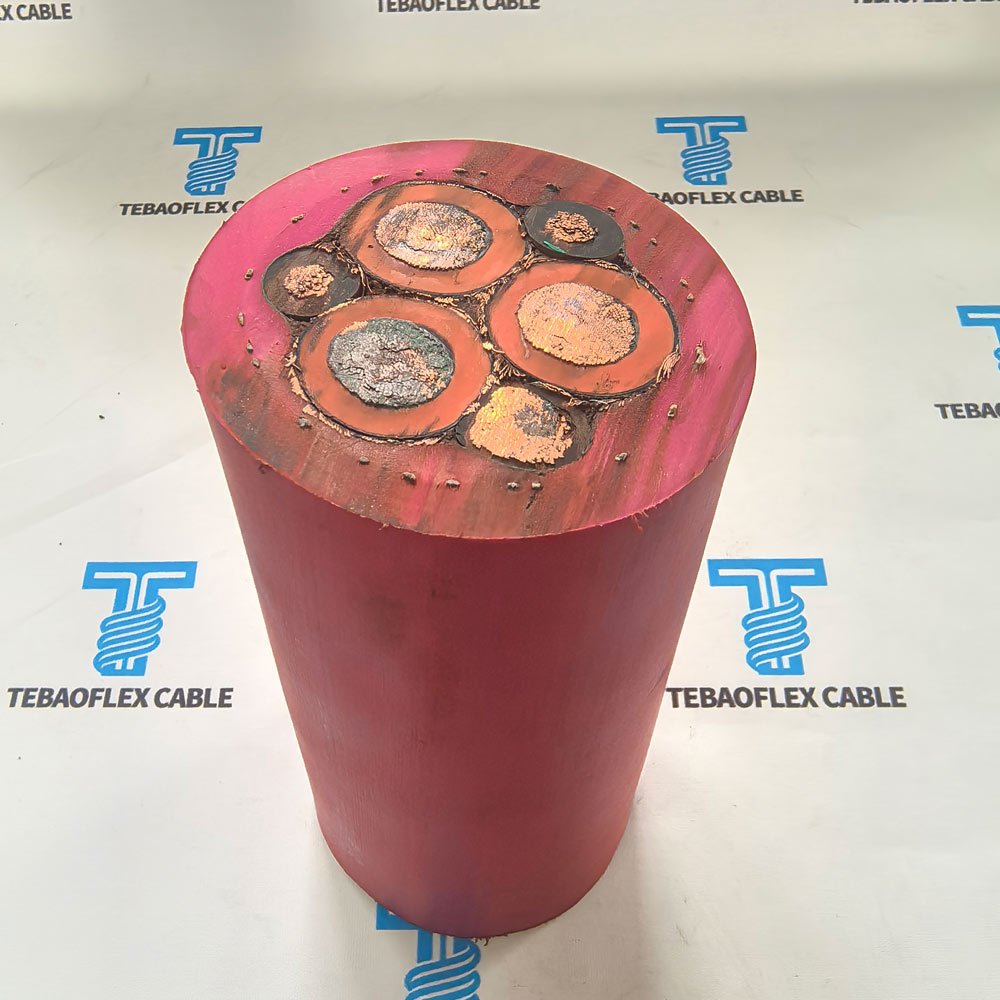
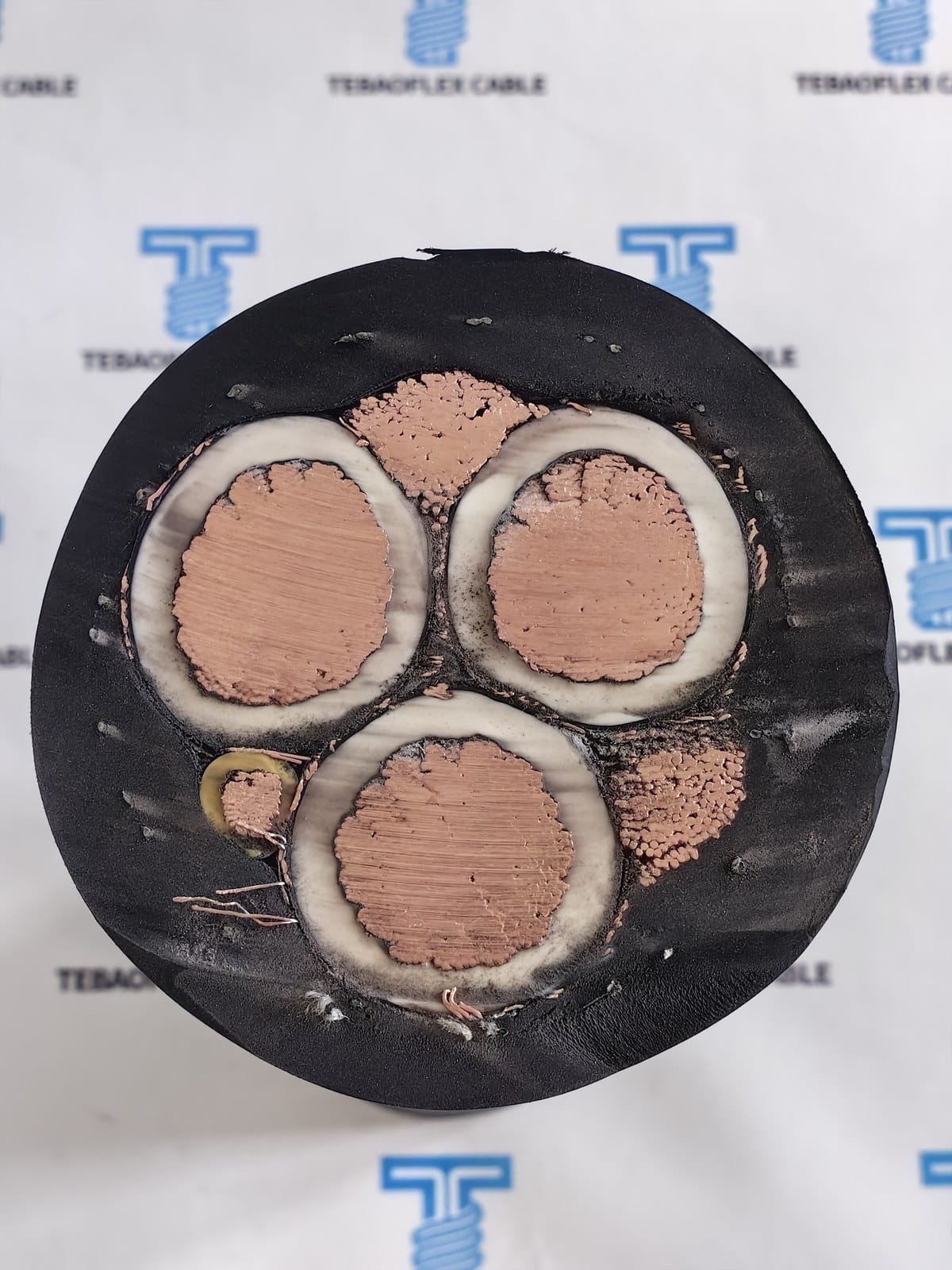
For example, a requirement can differ depending on whether the check conductor is positioned in an outer interstice or at the cable centre, how it terminates, and what the protective device expects to see. These are system-interface decisions. Treating the ground-check core as an interchangeable control core can create a cable that looks correct on paper but does not integrate correctly with the protection circuit.
MSHA guidance and rulemaking materials discuss both pilot-check and centre ground-check approaches in high-voltage mining contexts. They also emphasize a fail-safe response where ground continuity is lost. Review the applicable 30 CFR requirements and the project’s approved electrical drawings before defining the ground-check arrangement.
SHD-GC cable selection: the six decisions to make first
1. Define the electrical system, not just the machine name
Give the supplier the system voltage, phase arrangement, protective-device information and the machine’s approved electrical data. State the required conductor area or AWG size when known; otherwise provide the load and the project engineer’s design basis. Do not assume that a cable used on one loader, continuous miner or portable distribution unit can be copied to another machine with the same apparent duty.
2. Confirm power, grounding and ground-check architecture
List the number of power conductors, grounding conductors and any pilot or ground-check conductors separately. Identify the required ground-check location if the equipment documentation specifies it. Where shielding is required, define whether the project calls for individual shields, an overall grounded metallic shield or another approved arrangement. A supplier can then check construction compatibility rather than infer it from “SHD-GC” alone.
3. Map the cable route and movement
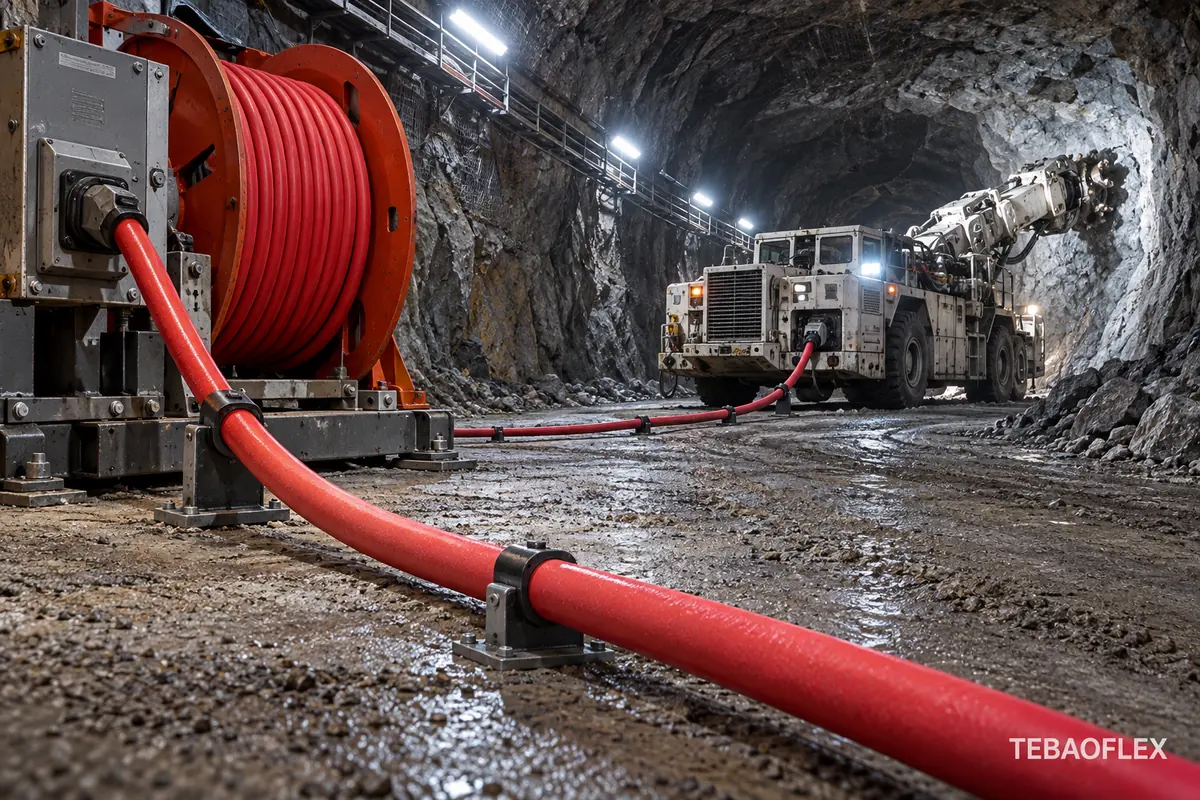
A trailing cable may be dragged, guided, reeled, hung, parked, crossed by equipment or routed through a protected trench. Each route introduces different risks: crushing, abrasion, tension, twisting, sharp edges, water, slurry, oil exposure, loose rock and repair access. State whether the cable is continuously moving, intermittently repositioned or installed mainly in a fixed protected run. Include the estimated route length and the smallest routing restriction identified by the equipment or installation design.
4. Choose jacket and mechanical protection for the real environment
Ask what is actually attacking the cable: abrasive rock, repeated drag, vehicle traffic, wet conditions, sunlight, hydraulic oil, process chemicals or temperature exposure. The answer guides material and construction review. Rubber, PUR and other jacket options serve different applications; no material should be selected by name alone. Where a reel, festoon or guided handling system is used, provide the equipment manufacturer’s cable-handling limits and drum or guide details.
5. Confirm terminations, couplers and repair practice
A cable is only one part of the connection. Specify the machine-side and supply-side connector or termination, shielding and grounding termination requirements, and the intended repair or splice approach. The applicable rules may require continuity through splices. A meaningful RFQ should also say whether a pre-terminated assembly is needed or field termination is planned.
6. Establish the acceptance and documentation path
Tell the supplier the mine country, regulatory jurisdiction, customer standard, requested marking and any approval or acceptance documents required for the installation. A cable may be technically appropriate for a duty yet still need a different construction or documentation package for that project. This is particularly important when equipment is exported or the purchasing specification references local mine rules. For an overview of available documentation and laboratory support, review our cable certifications and test-report resources; applicability must still be confirmed for the requested cable and project.
| Selection item | Information to confirm | Why it matters |
|---|---|---|
| Electrical duty | System voltage, phase arrangement, load basis and protective device | Prevents a conductor and insulation decision based only on equipment name. |
| Core architecture | Power, ground and ground-check conductor count and arrangement | Ensures the cable interfaces correctly with the continuity-monitoring system. |
| Shielding | Required shield construction and termination method | Must match the project’s electrical protection and installation design. |
| Mechanical duty | Travel type, route, drag exposure, tension and handling equipment | Drives jacket and construction review for the actual operating conditions. |
| Environment | Water, abrasion, oil, chemicals, heat, UV and contamination exposure | Avoids selecting a jacket on a generic “mining grade” description. |
| Compliance file | Country, mine rules, customer standard and required documents | Aligns the quote with acceptance requirements from the beginning. |
Common SHD-GC cable selection mistakes
Ordering by voltage only. Voltage class does not identify conductor size, ground-check configuration, shield construction or mechanical suitability.
Using “ground-check” without the monitor details. The supplier needs the required arrangement and equipment interface. A cable cannot be confirmed from a ground-check label alone.
Ignoring the travel path. A cable that performs in a protected run may not be appropriate for repeated drag, severe abrasion or a reel application. Discuss the actual movement before selecting jacket material or construction.
Assuming a previous cable is a complete specification. A sample or old part number is helpful, but it should be checked against the current equipment, terminations, regulatory requirements and route conditions. Use our SHD-GC vs Type W comparison when the choice is between general portable power cable and a mining-specific construction.
Leaving repair and inspection out of the plan. Mine procedures determine how cable condition, jackets, repairs and splices are examined. For example, MSHA rules for certain high-voltage continuous mining applications address routine trailing-cable inspection and ground-wire monitoring. A cable specification should support—not replace—the site’s inspection and maintenance program.
What to send in an SHD-GC cable RFQ
A precise RFQ shortens technical clarification and helps buyers compare quotations on like-for-like constructions. Start with the checklist below, then use the mining cable RFQ guide for a route-first enquiry format.
- Application and equipment make/model, with electrical drawings where permitted
- System voltage, phase arrangement, conductor size and required core count
- Grounding and ground-check requirement, including required interface or monitor details
- Shielding, marking and documentation requirements
- Whether the cable is dragged, reeled, guided, suspended or primarily stationary
- Route length, environmental exposures and any known installation constraints
- Connector or termination requirements, desired assembly length and quantity
- Mine country, applicable standard or authority requirements, and target delivery location
If your application is lower-voltage portable equipment, compare the ground-check needs with our Type G-GC selection guidance. For broader application planning, see the mining equipment cable selection guide.
FAQ
Is every SHD-GC cable built the same way?
No. The designation alone does not establish the required conductor sizes, core layout, shield arrangement, voltage class, jacket or documentation. Confirm the project specification and system interfaces.
Can I choose SHD-GC cable from an existing sample?
A sample can be a useful reference, but it should be reviewed against the current machine, protection system, terminations, route and compliance requirements before it is copied into a purchase order.
Does a ground-check conductor replace grounding conductors?
No. The ground-check function and the equipment-grounding path serve different roles within the complete electrical protection concept. Follow the approved electrical design and applicable regulations.
When should a cable reel be mentioned in the enquiry?
Always mention it when the cable is reeled in normal service. Share the reel or handling-system information supplied by the equipment manufacturer, together with movement pattern and route details.
Which standard should be written into the RFQ?
State the standard, customer specification or mine authority requirement that governs the project. If it is not yet known, provide the country, mine type and equipment documentation so the technical review can identify the questions that remain open.
Specify the system first, then the cable
The best SHD-GC cable selection is a coordinated decision: electrical duty, ground-check architecture, shielding, mechanical route, environment, termination and acceptance documentation all have to align. That approach reduces late-stage substitutions, compatibility questions and avoidable downtime risk.
TEBAOFLEX CABLE supplies flexible industrial cable solutions for demanding mining and mobile-equipment applications. Need help reviewing an SHD-GC cable enquiry? Send our engineering team the application, voltage, conductor size, core count, ground-check requirement, cable movement, installation environment, required documents and quantity. We can review the requirements and recommend a suitable cable construction for quotation.
Technical reference: U.S. Code, Title 30 mining safety provisions; 30 CFR Title 30, Part 77. Confirm applicability to the mine, equipment and jurisdiction before use.