

A Guyana project required an RFOU cable configuration range covering 3×2.5, 3×4, 3×6 and 3×25. For the engineering and procurement teams, the challenge was not simply to identify four conductor sizes. The request needed to be converted into a clear technical package that could support cable selection, documentation review and delivery coordination. This RFOU cable case study explains the review approach and the information buyers should prepare for comparable marine, offshore and industrial projects.
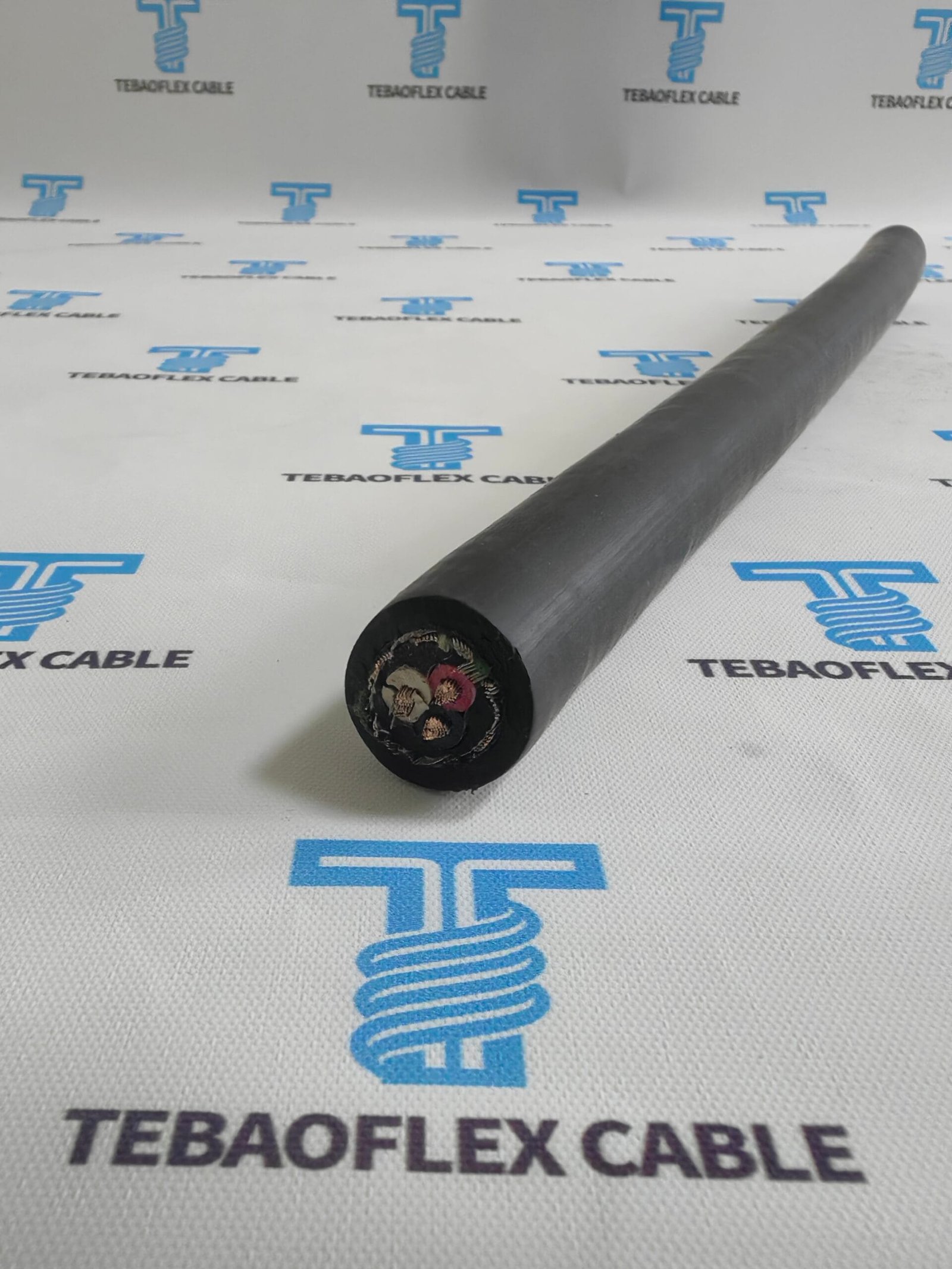
The Project Challenge: Aligning a Four-Configuration RFOU Cable Requirement
For industrial and offshore cable procurement, a familiar cable designation is only the starting point. A technically complete purchase decision also needs the circuit purpose, system voltage, conductor size, core arrangement, installation route, environmental exposure, project documentation and required delivery scope. This is particularly important when one project includes several conductor sizes. The supplied project material for Guyana covers RFOU references in 3×2.5, 3×4, 3×6 and 3×25 configurations, giving the engineering and purchasing teams a useful base for a structured review.
The goal is not to treat those four references as interchangeable. Each configuration must match the approved electrical design and the actual installation duty. A smaller multicore cable may serve a different circuit function from a larger configuration, even when the product family and project location are the same. The most reliable workflow is therefore to confirm the full requirement before production scheduling, packing approval and final delivery coordination.
Project Scope: RFOU Cable References for Guyana
The project material covers four RFOU references—3×2.5, 3×4, 3×6 and 3×25—and includes product images and sample footage. The case demonstrates a practical engineering and procurement challenge: several cable configurations must be checked against one coordinated requirement package before production and delivery planning can move forward.
Rather than treating the four sizes as unrelated line items, the review connects every configuration to its electrical function, installation route, environment and documentation requirement. Customer-sensitive details are not included; the case focuses on a transferable procurement lesson for comparable special-cable projects.
Video: RFOU Cable Sample Review for the Guyana Project
The video provides visual context for the cable samples and configuration range. It should be reviewed together with the approved data sheet, cable marking and project documents: footage can support visual traceability, while the formal technical records remain the acceptance basis.
How TEBAOFLEX Supports the Technical Review
For a project with several RFOU configurations, TEBAOFLEX CABLE helps turn a list of sizes into a set of checkable requirements. The review starts with the electrical function of every line item, then considers core arrangement, installation route, environmental conditions, required standards, documentation, quantity, packing and delivery requirements.
This approach prevents a common purchasing error: treating a nominal conductor size as a complete cable specification. It gives engineering and procurement teams a clearer basis for a technical recommendation and quotation.
Technical Considerations Behind an RFOU Cable Selection
The related RFOU 0.6/1kV offshore and marine power cable product range is intended for fixed-installation power, control and lighting routes where the cable construction and environmental requirements must be reviewed together. Depending on the approved design, buyers may need to consider conductor configuration, EPR insulation, braid or screen requirements, sheath construction, oil or mud exposure, halogen-free requirements and the applicable project standard.
None of these items should be inferred from conductor size alone. For example, a request for 3×25 must still state whether the cable will serve power, control or another circuit function; whether a protective conductor or a specific core identification is required; and whether the installation is fixed, protected, exposed or routed through equipment. The project specification remains the governing document.
This approach also avoids a common purchasing error: comparing cables only by nominal voltage and cross-sectional area. Two cables can share those values yet differ in construction, environmental capability, screening arrangement, required marking or project documentation. A technical review should identify these differences before a substitution or order is approved.
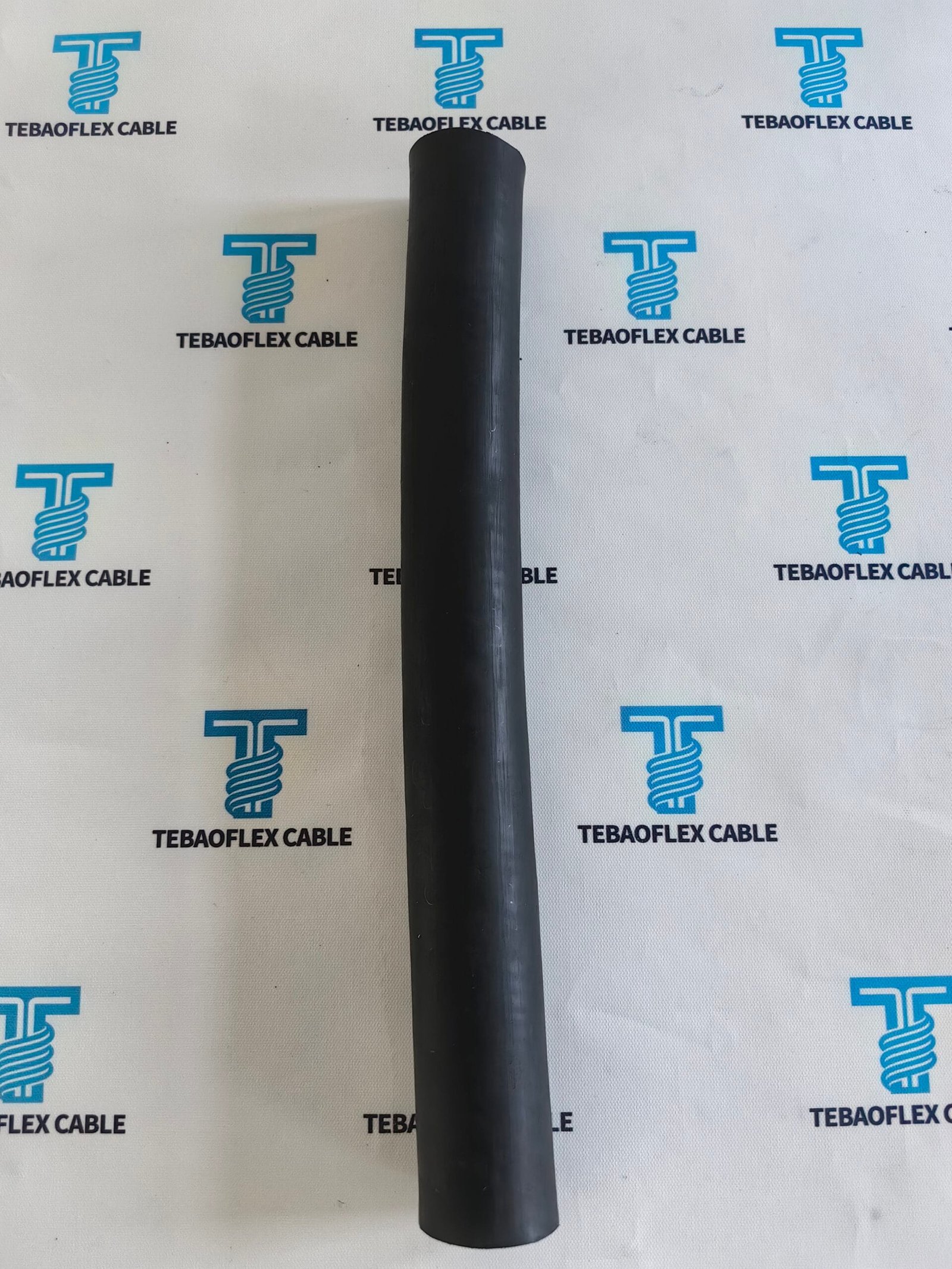
Configuration Review for the Guyana Project
The following table separates the configuration references visible in the project material from the information that must still be confirmed in the RFQ or approved technical file. This keeps the project record useful without overstating what the available images prove.
| Project requirement | TEBAOFLEX review focus | Value for the buyer |
|---|---|---|
| RFOU 3×2.5 configuration | Confirm circuit function, core identification, route and document requirement | Creates a clear basis for specification and quotation review |
| RFOU 3×4 configuration | Check electrical data, installation conditions and quantity | Reduces ambiguity across the cable schedule |
| RFOU 3×6 configuration | Review construction details, environment and packing requirements | Connects the selected cable to the actual project duty |
| RFOU 3×25 configuration | Verify circuit design, route, project standard and approval documentation | Supports a traceable technical decision before order release |
Before placing an order, the project team should compare the final cable designation on the request, quotation, technical data sheet, order confirmation and packing records. A consistent document trail helps reduce last-minute questions at inspection, dispatch and site receipt.
How TEBAOFLEX Supports Multi-Size RFOU Cable Reviews
The case value lies in applying one consistent review process across the configuration range. Each RFOU reference is checked against the circuit, route, installation environment and documentation requirement before the commercial scope is finalized.
A cable size is an important design input, but it is not a complete installation instruction. Engineering teams should confirm the route conditions that the cable will experience after it leaves the packaging: support method, tray or conduit arrangement, bend locations, entry points, terminations, exposure to moisture or process media, and access for inspection. These details influence the selected construction and the way the cable should be handled during installation.
For fixed-installation RFOU applications, the review should also distinguish between normal operating conditions and temporary construction or maintenance conditions. A route may be dry and protected during normal service but exposed to handling, oil, water, mud or mechanical contact during installation. Describing both conditions in the RFQ gives the supplier a more accurate basis for checking whether the requested construction and project documentation align.
Where a project uses several sizes, it is helpful to prepare a single cable schedule. The schedule should list each cable reference, electrical function, length, end points, installation route, required marking and documentation status. This allows procurement to compare the quotation with the engineering requirement line by line instead of treating the project as one generic RFOU cable request.
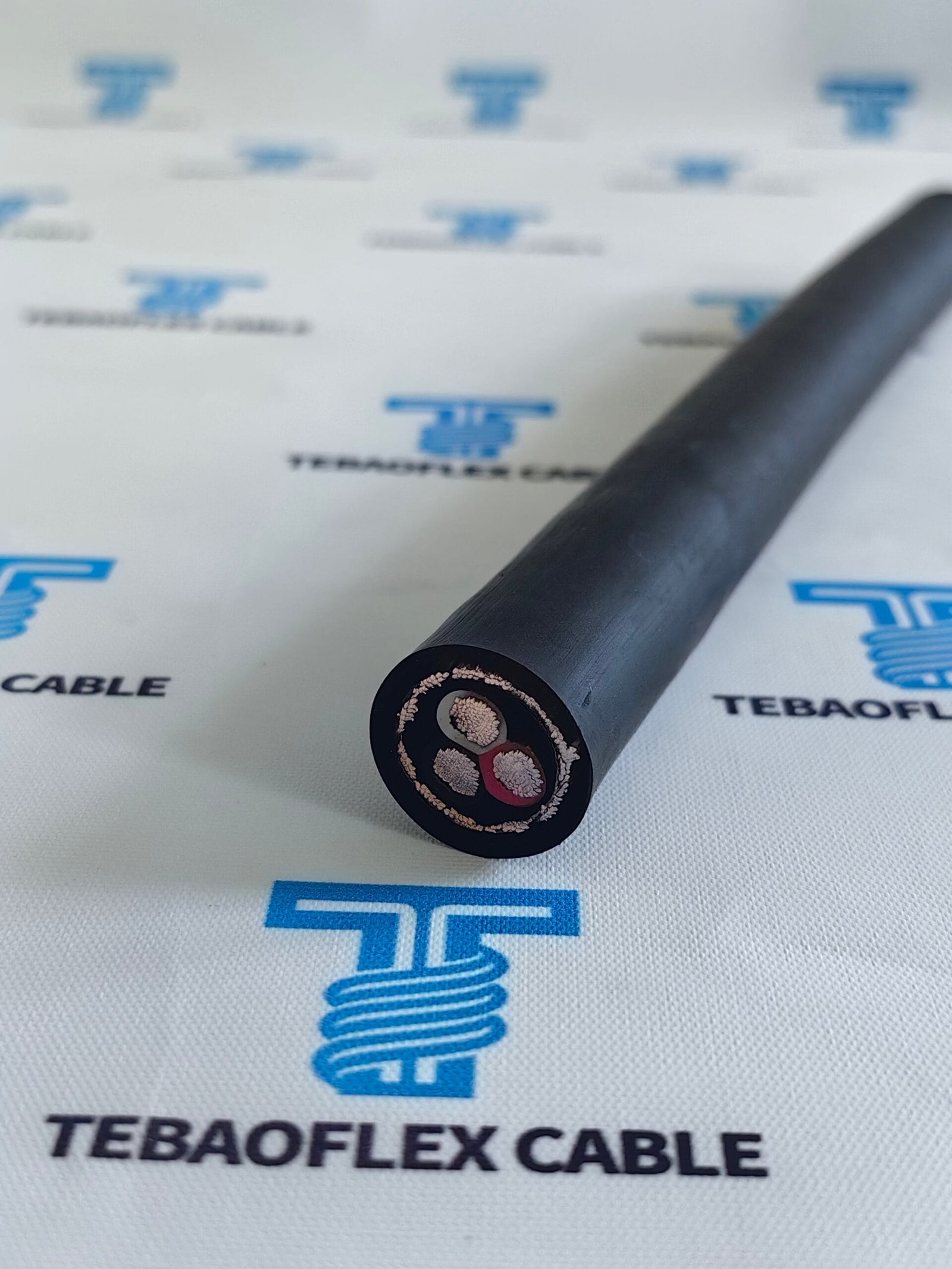
How Product Photos and Video Support Project Communication
Project photos add practical value when they show the cable condition, outer-sheath appearance, cut end, packaging or product marking. They can help the buyer, supplier and quality teams refer to the same physical item during a review. For a web article, they also demonstrate that the discussion is connected to actual supplied material rather than a generic stock image.
However, photos should not be used as proof of electrical ratings, test results, standard compliance, final delivery status or customer acceptance. Those claims require supporting records. Separating visual evidence from technical evidence is a simple but important way to preserve trust in project communications.
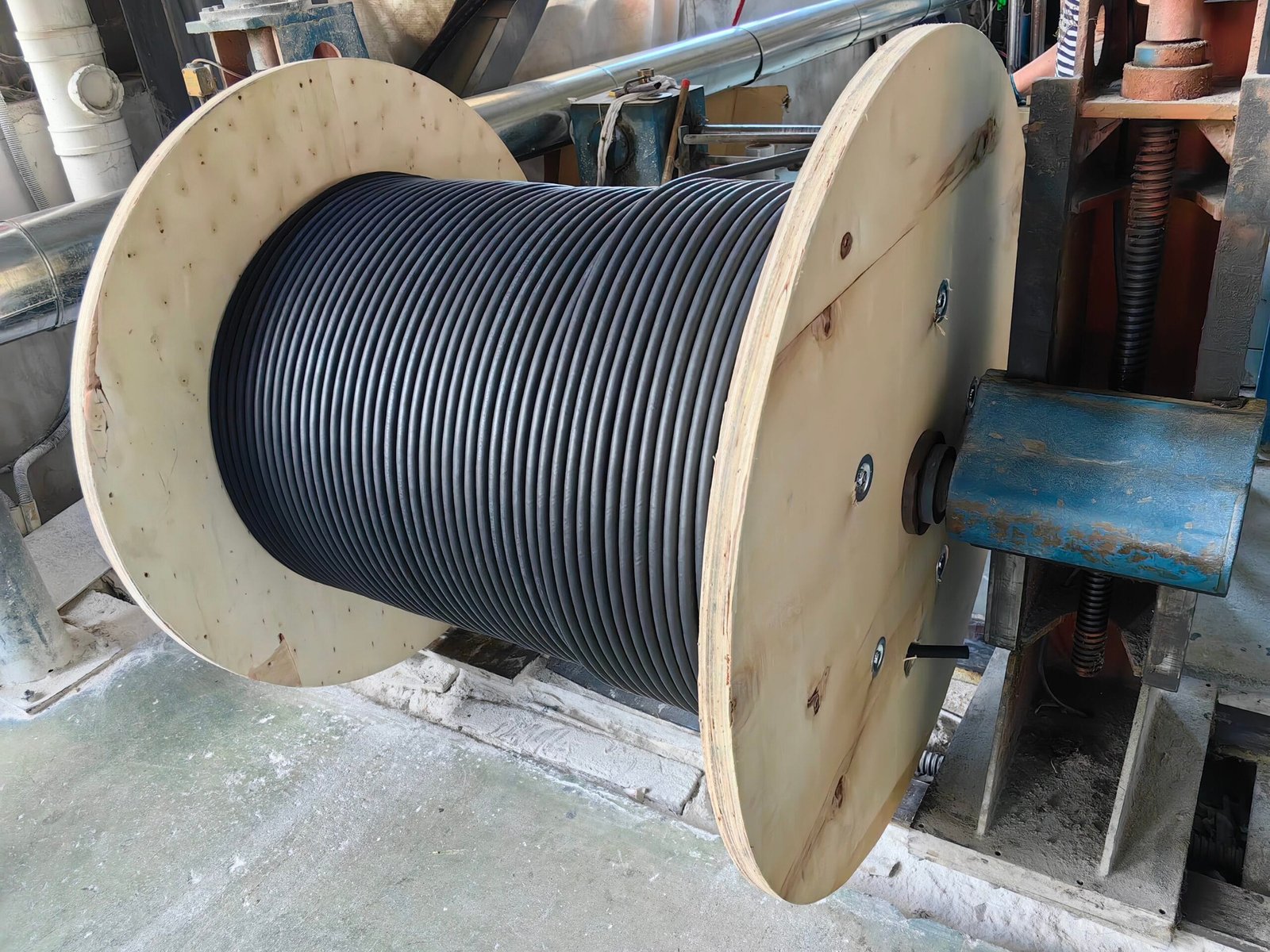
Documentation That Supports a Reliable Project Decision
For a complete RFOU cable review, the buyer should provide the latest cable schedule, circuit data, desired core configuration, route description, environmental conditions, required standards, requested marking, quantity and delivery schedule. If the application has special conditions—such as a particular screen requirement, a specified sheath material, exposure to oil or mud, or a customer documentation procedure—those details should appear in the request rather than being assumed from a product name.
TEBAOFLEX can then compare the request with the appropriate cable construction and identify open technical questions before quotation. This is more productive than offering a name-to-name substitute because it gives both the engineering and procurement teams a documented basis for their decision. It also helps clarify which information belongs in the product data sheet, which belongs in project documentation and which must be confirmed by the end user or EPC team.
Common Selection Mistakes and RFQ Information
- Equipment or project application and circuit function
- System voltage, conductor size, core count and core identification requirement
- Fixed installation route, termination points and available routing space
- Expected moisture, oil, mud, weather or other environmental exposure
- Required standards, approved data-sheet requirements and project marking needs
- Length per configuration, required quantity, packing preference and delivery schedule
Providing these details at the start allows the supplier to review the full application rather than responding only to a cable size. It also makes later technical clarification faster when several RFOU configurations are included in one project.
FAQ: RFOU Cable Case Study
Can RFOU cable be selected by conductor size alone?
No. Conductor size is only one input. The electrical circuit, core arrangement, installation route, environmental conditions, project standard and documentation requirements must also be checked.
Does a project photo prove the cable meets every project requirement?
No. A photo can document physical appearance or product handling, but the approved data sheet, cable marking, test records and project specification are required for technical acceptance.
Why should a buyer provide the installation route?
The route helps clarify whether the cable is fixed, protected, exposed to mechanical contact or subject to particular environmental conditions. That information may affect the construction review.
What should be compared before approving a replacement?
Compare the original cable marking and approved documentation with the actual circuit, core configuration, installation duty, environmental exposure and project requirements. Do not approve a replacement on product name or outside appearance alone.
Need an RFOU Cable Review for Your Project?
TEBAOFLEX CABLE supplies special and flexible industrial cable solutions for project-driven requirements. To discuss an RFOU cable request, send the application, voltage, conductor size, number of cores, installation environment, required standards, quantity and delivery schedule through our technical enquiry channel. Our team can review the available information and recommend the next specification steps.
For additional product and application information, visit the TEBAOFLEX CABLE website.