
When a wire runs close to heating elements, motors, power electronics, lighting assemblies or other thermal sources, selecting it by conductor size alone can create an avoidable reliability risk. UL high temperature wire is chosen by matching the electrical duty and real thermal environment with the correct insulation system, UL AWM Style and equipment-level approval path. The right choice is not simply “the highest temperature rating available”; it is the construction that satisfies the complete application without adding unnecessary cost, stiffness or installation risk.
This guide is written for OEMs, panel builders, electrical engineers and procurement teams who need to compare PTFE and silicone insulated wire, understand the UL 758 AWM boundary and prepare a technically complete request for quotation.
What is UL high temperature wire?
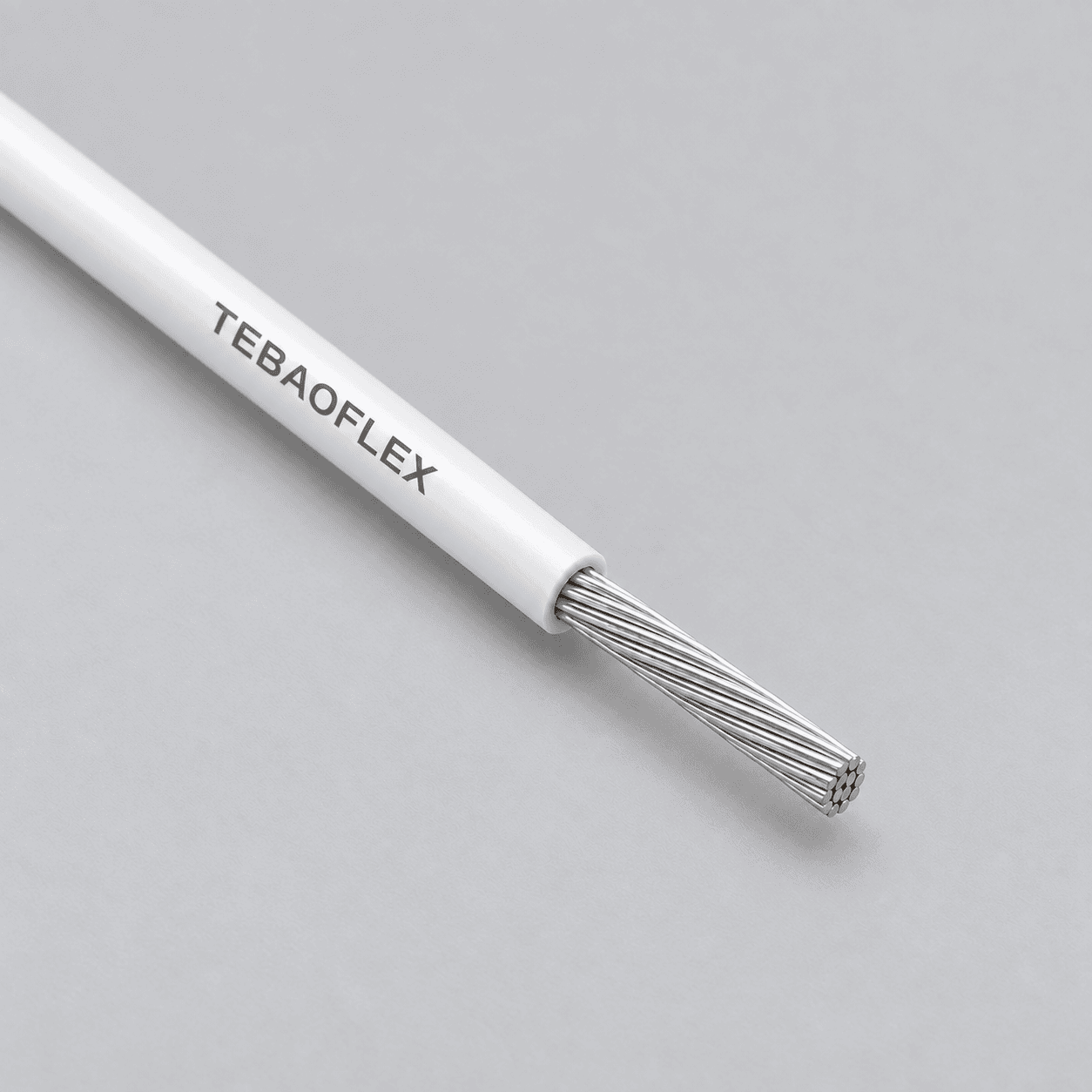
In industrial sourcing, the phrase generally refers to insulated wire designed for elevated-temperature service and specified with a UL-recognized appliance wiring material (AWM) style or other applicable UL requirement. The temperature, voltage, conductor range, insulation material, flame designation and permitted use are construction-specific. A 200°C PTFE wire and a 200°C silicone wire can both be described as high-temperature wire, yet their mechanical handling, outer protection and intended equipment use can differ significantly.
The term should therefore be treated as a selection category, not as a stand-alone specification. A correct purchase description identifies the intended circuit, conductor size, number of cores, insulation system, target temperature, voltage, flexibility requirement, environmental exposure and required documentation.
UL 758 AWM scope: the first check before selection
UL 758 covers Appliance Wiring Material (AWM), including single insulated conductors and multiconductor cable constructions. Its scope addresses factory-installed internal wiring, external interconnection of appliances/equipment and components for multiconductor cables. It does not make AWM a general replacement for wire or cable types governed by the National Electrical Code for building installation. See the UL 758 scope before defining the approval route.
For buyers, that distinction matters. The wire may be appropriate inside a listed machine, but the machine manufacturer, control-panel builder or installation authority still needs to confirm the complete end-product and installation requirements. Avoid RFQs that state only “UL approved high-temperature wire”; instead, request the applicable Style and the required marking or documentation.
PTFE vs silicone: choose the insulation around the application
PTFE and silicone are both widely considered in elevated-temperature applications, but they solve different combinations of needs. PTFE-based constructions are often selected where compact insulation, high-temperature capability and resistance to particular chemical exposures are relevant. Silicone constructions are often selected where a softer, more flexible insulated wire is useful around equipment. Neither material should be chosen by name alone: the specific compound, wall thickness, conductor plating, outer covering, voltage rating and approved Style define the actual offer.
| Selection question | PTFE-oriented evaluation | Silicone-oriented evaluation | What to confirm |
|---|---|---|---|
| Thermal requirement | Assess the specified Style and insulation construction for continuous and transient exposure. | Assess the specified Style and insulation construction for continuous and transient exposure. | Actual conductor-adjacent temperature, ambient temperature and duty cycle. |
| Installation and movement | Review bend space, routing and mechanical protection for the selected build. | Review flexing, vibration, routing and protection for the selected build. | Fixed or moving installation, bend requirement, vibration and termination space. |
| Environmental exposure | Check compatibility against the documented media and cleaning process. | Check compatibility against the documented media and cleaning process. | Oil, chemical, moisture, abrasion, flame and UV exposure where relevant. |
| Electrical duty | Define voltage, current, conductor size and any signal/shielding need. | Define voltage, current, conductor size and any signal/shielding need. | Approved circuit function, load, conductor count and maximum cable length. |
| Compliance evidence | Confirm UL Style, required marking and project documentation. | Confirm UL Style, required marking and project documentation. | Customer specification, end-product approval and purchasing document requirements. |
How to select UL high temperature wire for industrial equipment
1. Define the thermal envelope
Start with the maximum expected temperature at the wire—not only the equipment’s nominal operating temperature. Identify continuous exposure, start-up or fault-related peaks, hot spots near heaters or terminals, ventilation conditions and possible heat accumulation inside an enclosure. Then compare that information with the exact rating shown on the proposed wire’s approved Style and datasheet.
2. Confirm voltage, conductor size and circuit function
The temperature rating does not determine ampacity, voltage suitability or voltage-drop performance by itself. Provide nominal voltage, AC/DC duty, current, conductor size or required resistance, core count and circuit type. If the wire serves sensors, feedback or sensitive control functions, specify shielding, grounding and signal-interface requirements separately from the power-circuit requirements.
3. Account for the physical environment
High temperature may be only one stress factor. Oil mist, fuel, cleaning fluids, moisture, metal edges, vibration, abrasion, confined routing and repeated movement can each affect the construction choice. A high-temperature wire for a protected internal fixed route may not be suitable for a location requiring continuous flexing or abrasion resistance. Where an outer braid, jacket, sleeving or conduit is needed, define it as part of the assembly.
4. Check the complete assembly, not just the wire
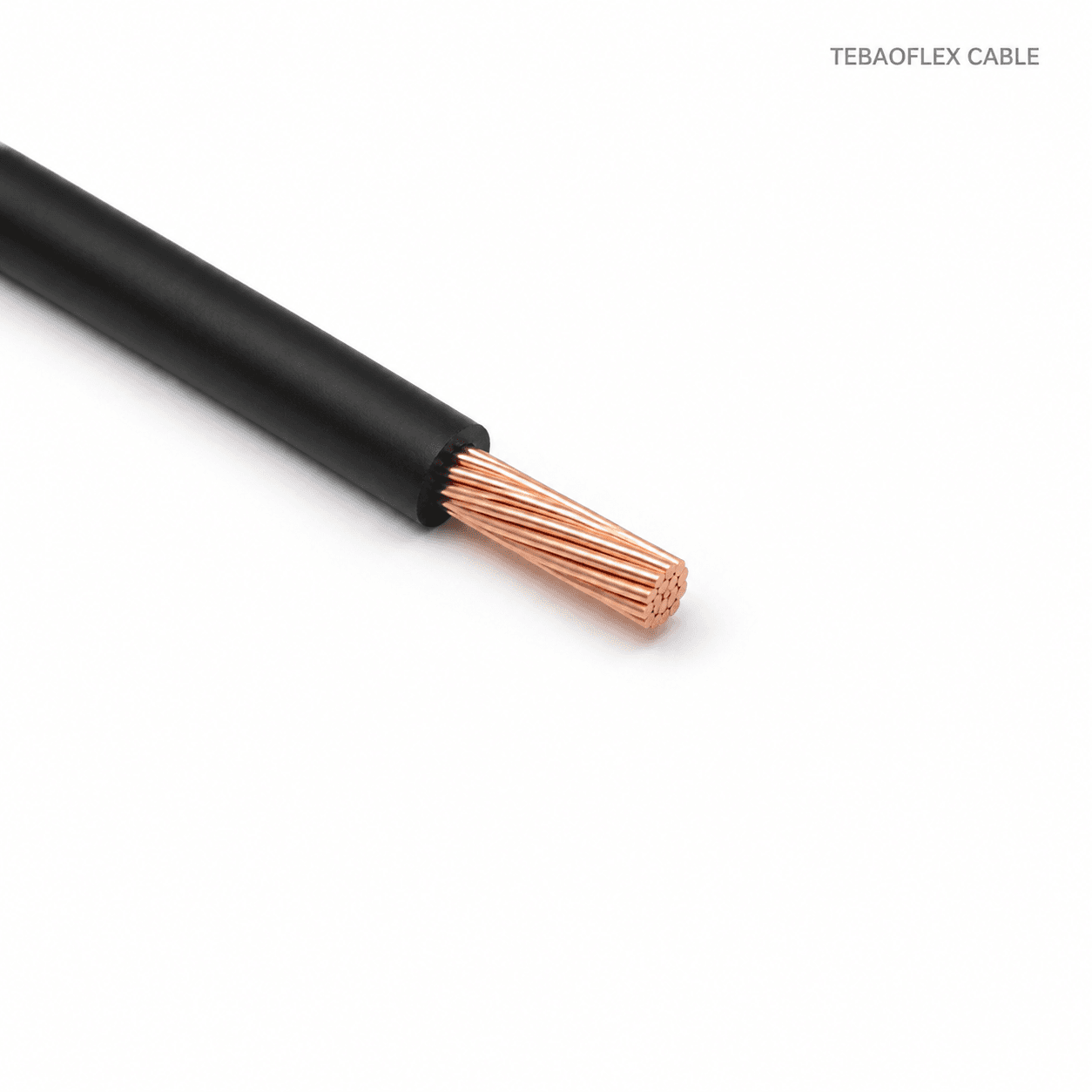
Connector bodies, terminals, splices, sleeving, heat-shrink components, cable glands and enclosure materials can become the practical temperature limit of the system. Ask whether they see the same thermal environment as the wire and whether their ratings, materials and installation instructions remain appropriate. This is especially important for compact equipment where heat migrates into termination areas.
Typical industrial applications
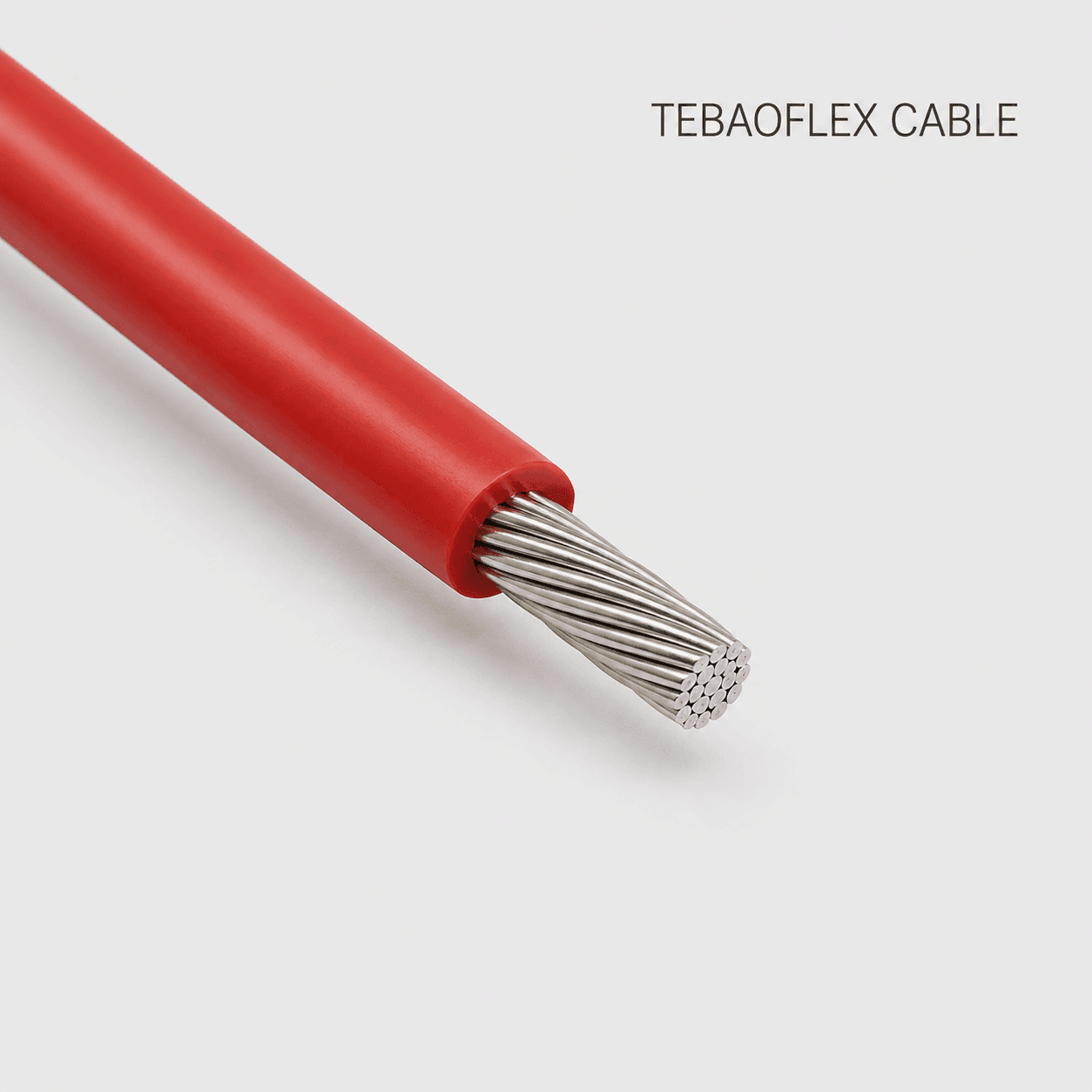
UL high temperature wire is commonly evaluated for internal equipment wiring in heating and thermal-processing equipment, motor-adjacent wiring, power supplies, industrial lighting, control assemblies, ignition-related systems and other machinery with elevated thermal exposure. The final application must match the wire’s approved use and the end-product engineering requirements. For example, a product labelled for a particular temperature and voltage is not automatically appropriate for high-vibration, exposed or moving service without further confirmation.
Common selection mistakes
- Choosing only by temperature. Voltage, conductor size, installation method and environmental exposure remain essential.
- Using “UL approved” as a complete specification. Specify the required UL Style, marking, documentation and end-product acceptance path.
- Confusing AWM with building wire. Review the intended installation route and applicable code requirements before ordering.
- Ignoring peak temperature and termination heat. The hottest point may be at a terminal, heater connection or enclosure hot spot.
- Overlooking mechanical handling. Tight routing, vibration and movement may require a different construction or added protection.
What to include in a UL high temperature wire RFQ
| RFQ item | Information to provide |
|---|---|
| Application | Equipment type, circuit function and installation position inside or between equipment assemblies. |
| Electrical requirement | Voltage, AC/DC duty, current, AWG or mm², core count, conductor type, shielding and grounding requirement. |
| Temperature requirement | Continuous and peak temperature at the wire, nearby heat sources, duty cycle and expected service duration. |
| Mechanical/environmental exposure | Fixed or moving installation, bend need, vibration, oil, chemicals, moisture, abrasion, flame and UV exposure. |
| Compliance and documentation | Required UL Style, marking, customer specification, test documents, certificates and end-product approval information. |
| Commercial details | Colour, length, packaging, quantity, delivery destination and required delivery date. |
UL high temperature wire FAQ
Is UL high temperature wire the same as UL 758 AWM?
Not necessarily as a general label. UL 758 is the standard for Appliance Wiring Material, while the required construction, temperature, voltage and marking are determined by the individual AWM Style and product documentation.
Can UL AWM wire be used as building wire?
Do not assume so. UL 758 defines an equipment and appliance wiring scope; building installation must be evaluated against the applicable code, installation method and end-product instructions.
Should I choose PTFE or silicone insulation?
Select the specific construction against the thermal envelope, electrical duty, routing, mechanical exposure and required approval path. Material family alone is not sufficient for a purchase decision.
Does a 200°C wire always suit a 200°C environment?
No. Confirm whether the stated value applies to the proposed Style, the actual wire temperature, the duration of exposure and the complete termination/assembly system.
What documents should accompany the quotation?
State the project’s required UL Style evidence, marking, datasheet, test or inspection documentation and any customer-specific approval forms before production begins.
Specify the right UL high temperature wire with TEBAOFLEX
The best UL high temperature wire selection starts with complete application data and ends with a construction that can be verified against the required Style and equipment design. TEBAOFLEX supports customised industrial cable requirements and can help buyers align conductor, insulation, temperature, voltage, colour, packaging and documentation needs. Review our UL 1180 300 V 200°C PTFE high-temperature wire, 200°C silicone wire range, 250°C silicone wire range and our 200°C silicone cable selection guide.
Need help selecting the right wire for your equipment? Send TEBAOFLEX your requirements:
- application or equipment;
- voltage and circuit duty;
- conductor size and number of cores;
- cable movement and installation environment;
- required UL Style or other applicable standards; and
- required quantity and delivery information.
Our engineering team can review the requirements and recommend a suitable cable solution.