
Introduction to Gas Resistant Pair Solid Cables
Gas resistant pair solid cables are specialized cables designed for use in hazardous environments commonly found in the gas and oil industry. These cables feature solid conductors paired together, providing reliable signal and power transmission in areas where exposure to corrosive gases, petroleum vapors, and other harsh chemicals is a constant concern. TEBAOFLEX offers a comprehensive range of industrial cables engineered for these demanding conditions.
Why Solid Pair Cables Are Essential for Gas and Oil
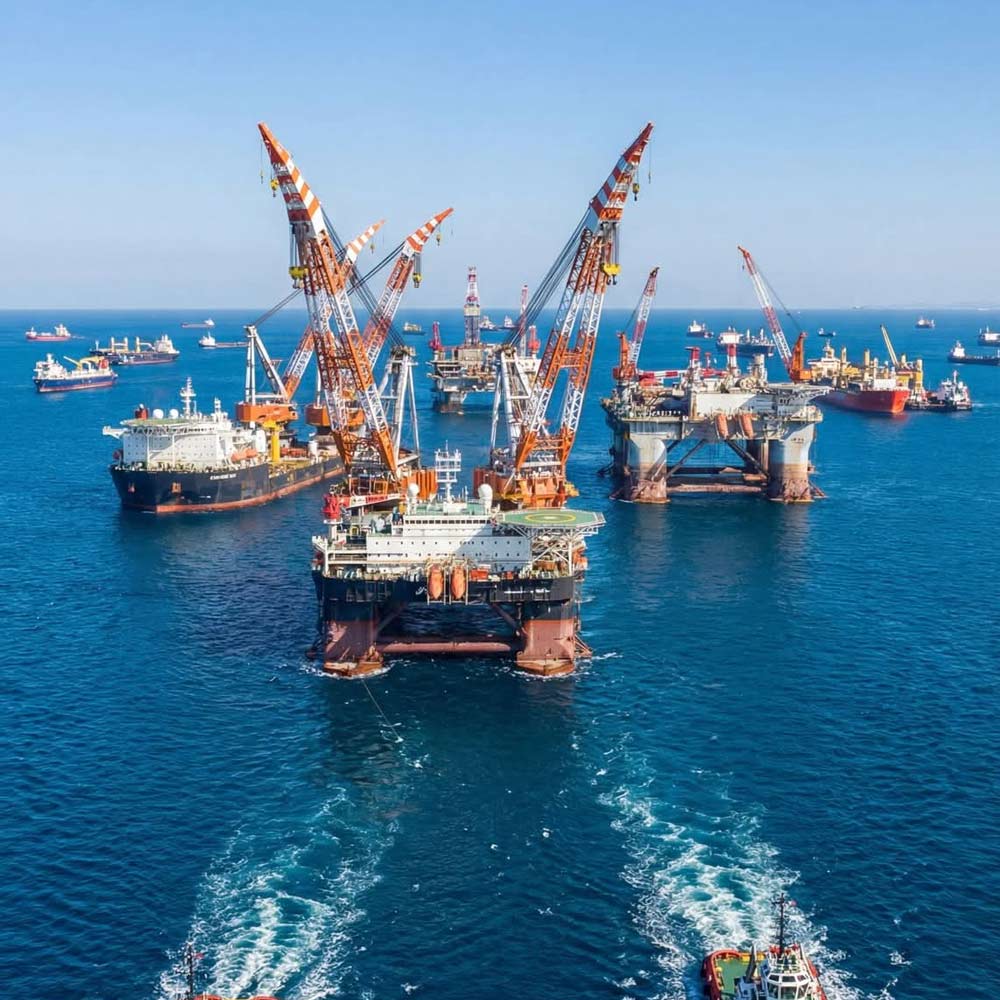
The gas and oil industry operates in some of the most demanding environments on earth. From offshore drilling platforms to onshore refineries, pipelines, and petrochemical plants, cables must withstand:
- Exposure to hydrocarbon gases and vapors
- Corrosive chemical environments
- Extreme temperature variations
- Mechanical stress and vibration
- Moisture and humidity ingress
- Fire and flame propagation risks
Solid pair cables offer distinct advantages in these scenarios, providing stable electrical performance and enhanced resistance to gas penetration compared to stranded alternatives. For more details on chemical exposure specifications, see our Oil Resistant Cable Guide.
Construction and Design Features
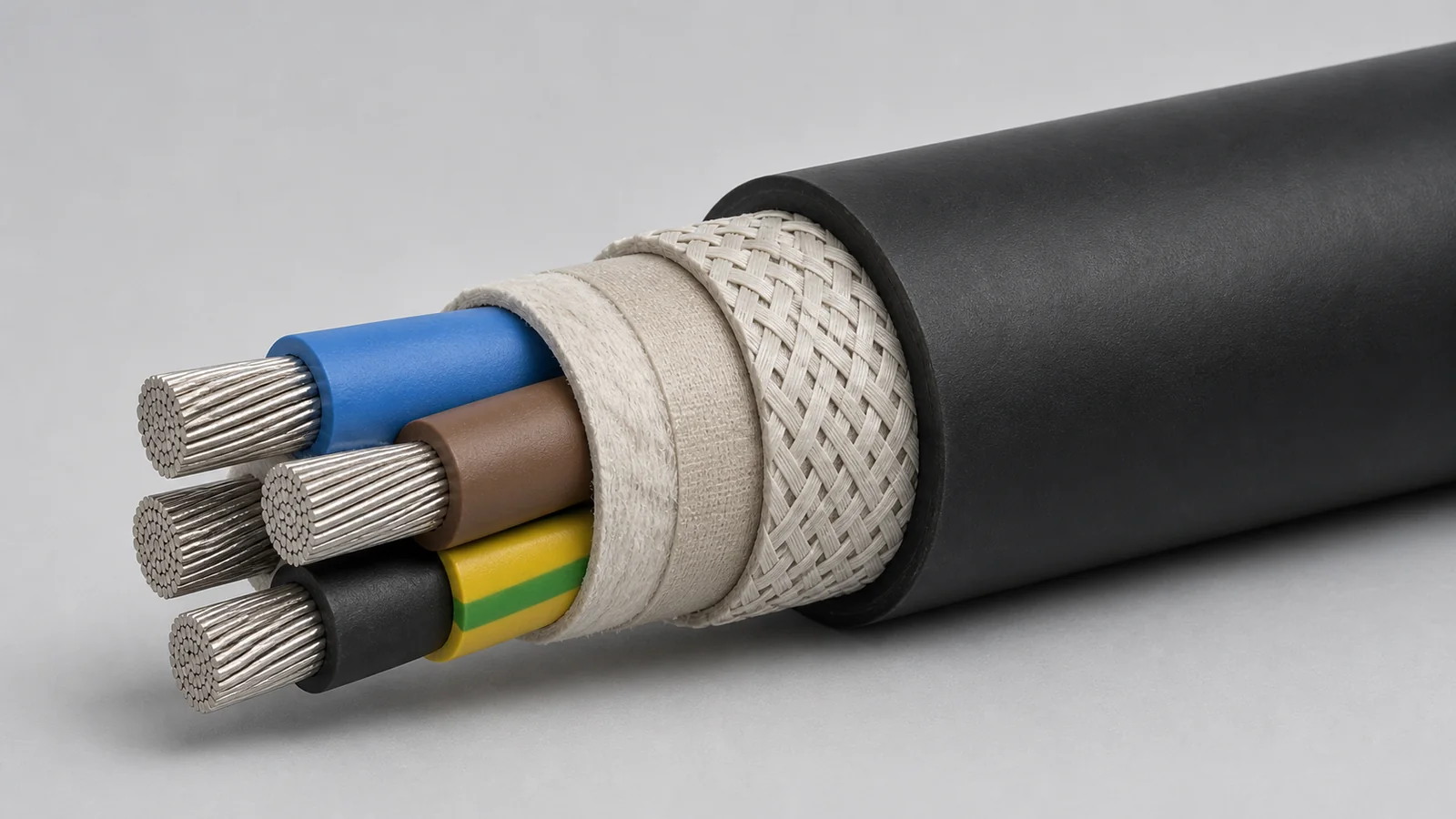
Solid Conductors
The use of solid conductors in pair cables provides several key benefits for gas and oil applications:
- Gas tightness: Solid conductors eliminate the interstices found in stranded constructions, reducing pathways for gas migration
- Corrosion resistance: Fewer entry points for corrosive substances to penetrate the conductor
- Stable impedance: Consistent electrical characteristics for reliable signal transmission
- Mechanical rigidity: Better suited for fixed installations in industrial settings
Pair Configuration
The paired design ensures balanced signal transmission, minimizing electromagnetic interference (EMI) from nearby high-power equipment commonly found in oil and gas facilities. This is critical for:
- Instrumentation and control systems
- Telecommunications in hazardous areas
- Data acquisition and monitoring systems
- Safety shutdown systems
Insulation and Sheathing Materials
Gas resistant pair solid cables typically employ advanced polymer compounds for insulation and sheathing, including:
- LSZH (Low Smoke Zero Halogen): Reduces toxic gas emission during fire
- XLPE (Cross-linked Polyethylene): Excellent thermal and chemical resistance
- EPR (Ethylene Propylene Rubber): Superior flexibility and heat resistance
- Lead sheathed options: For extreme chemical resistance in petrochemical plants
For guidance on selecting the right material construction, refer to our Rubber Cable Types Selection Guide.
Key Performance Specifications
| Parameter | Specification |
|---|---|
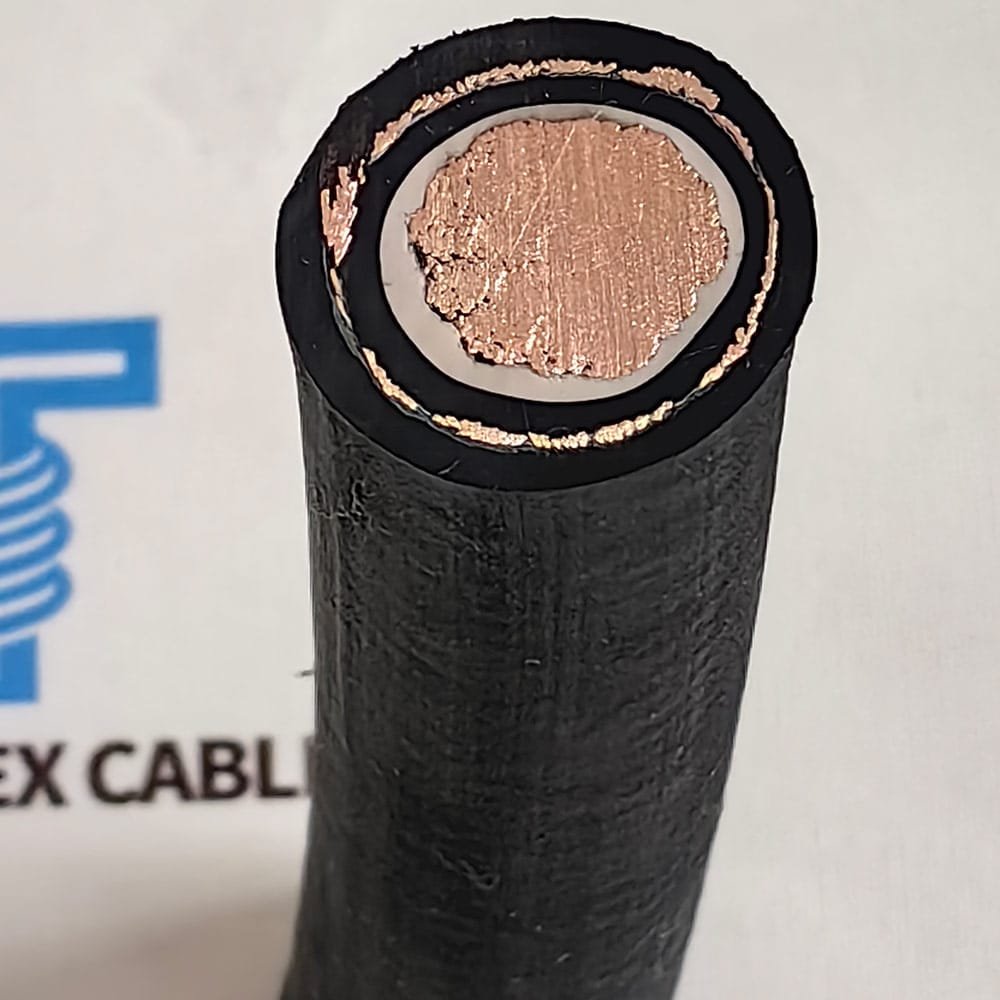
| Conductor Type | Solid copper (Class 1) |
| Voltage Rating | 300/500V – 0.6/1kV |
| Temperature Range | -40C to +90C |
| Gas Resistance | Resistant to methane, propane, butane, H2S |
| Flame Retardancy | IEC 60332, IEC 60331 fire resistant options |
| Oil Resistance | IRIS / oil resistant sheathing per IEC 60811 |
| Pair Count | 1 pair to 100+ pairs available |
Applications in Gas and Oil Industry
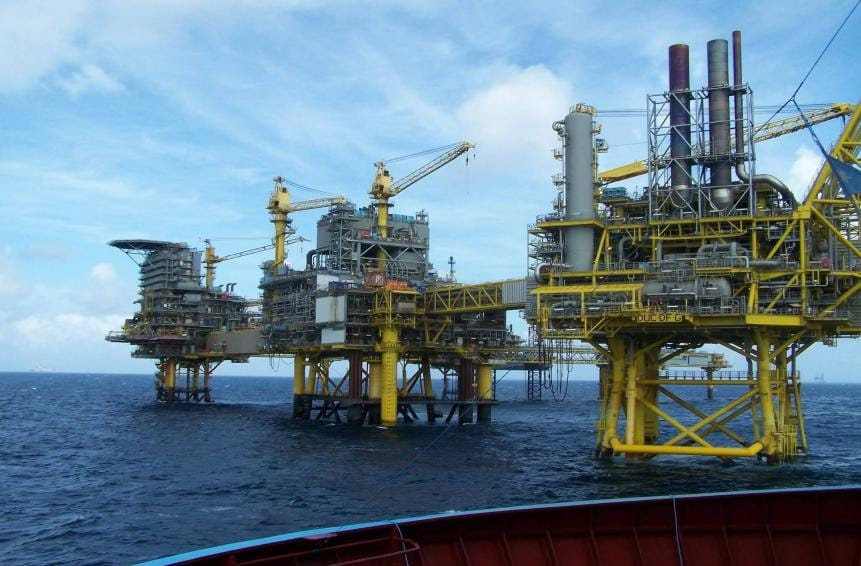
Upstream Operations
In exploration and production, gas resistant pair solid cables are used for:
- Wellhead monitoring and control systems
- Downhole instrumentation
- Christmas tree control panels
- Drilling rig communication systems
Midstream Pipeline Operations
For transportation of gas and oil through pipelines, these cables support:
- SCADA (Supervisory Control and Data Acquisition) systems
- Leak detection sensors
- Cathodic protection monitoring
- Valve actuator control circuits
Downstream Refining and Petrochemical
In refineries and petrochemical complexes, the cables are essential for:
- Process control instrumentation
- Emergency shutdown (ESD) systems
- Fire and gas detection systems
- Distributed control systems (DCS)
Explore more industrial cable application cases across these sectors.
Certification and Compliance Standards
Gas resistant pair solid cables for hazardous area applications must meet stringent international standards:
- IEC 60079: Equipment for explosive atmospheres (Ex e, Ex i)
- IEC 60332-1: Flame retardant single cable test
- IEC 60331: Fire resistant cable requirements
- IEC 61034: Smoke density measurement
- EN 50267: Halogen acid gas determination
- NES 02-713 / NES 713: Toxicity index testing
- API Recommended Practice 14F: Offshore platform electrical system design
Selection Guide: Choosing the Right Cable
When selecting gas resistant pair solid cables for gas and oil applications, consider the following factors:
- Hazardous area classification: Determine Zone 1, Zone 2, or Zone 0 requirements
- Gas group: Identify the specific gases present (Group IIA, IIB, IIC)
- Temperature class: Match the cable temperature rating to the environment
- Environmental conditions: UV exposure, moisture, chemical exposure
- Installation method: Tray, conduit, direct burial, or flexible routing
- EMI environment: Proximity to high-power equipment and interference sources
- Regulatory requirements: Local and international compliance mandates
TEBAOFLEX Gas Resistant Pair Solid Cables
TEBAOFLEX manufactures a comprehensive range of gas resistant pair solid cables designed specifically for the demanding conditions of the gas and oil industry. Our cables are engineered with:
- Premium solid copper conductors for optimal gas-tight performance
- Advanced LSZH, XLPE, and EPR insulation systems
- Robust oil and chemical resistant outer sheathing
- Full compliance with IEC, EN, and API standards
- Custom pair counts and configurations available on request
Contact TEBAOFLEX today to discuss your specific gas resistant pair solid cable requirements for gas and oil applications. You can also browse our full product catalog for additional cable solutions.
Conclusion
Gas resistant pair solid cables play a vital role in ensuring safe and reliable operations across the gas and oil industry. Their solid conductor construction, paired design, and specialized materials make them the preferred choice for hazardous area applications. By understanding the construction, specifications, and selection criteria outlined above, engineers and procurement professionals can make informed decisions that enhance safety, reliability, and longevity of critical industrial systems.