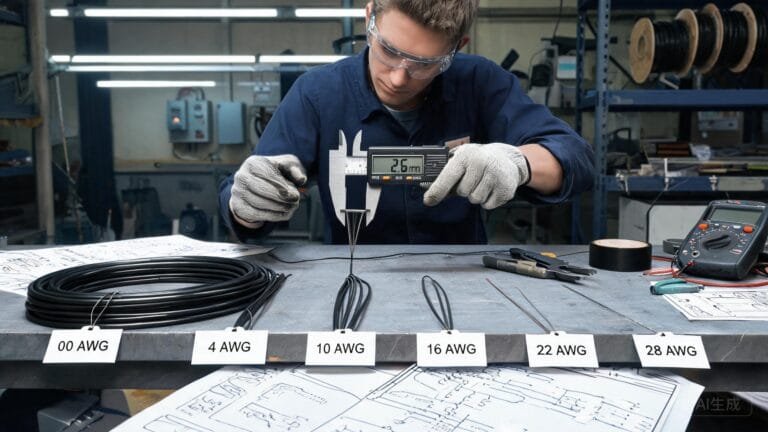

An aircraft ground power cable is the flexible connection between a ground power unit (GPU) and the aircraft power inlet while the aircraft is on the apron. For a 400 Hz application, selection must consider the specified electrical system, connector arrangement, repeated handling, cable route and operating environment—not simply the outside diameter or a general-purpose power-cable description.
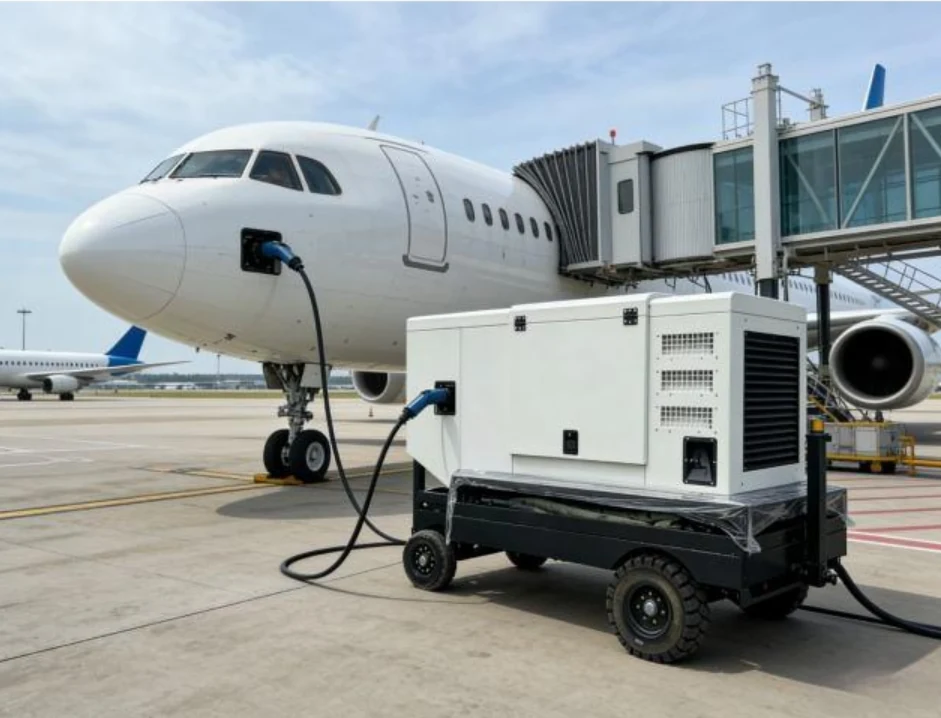
Ground power lets an aircraft receive external electrical supply during ground operations. The reference material for this article identifies 400 Hz as the aircraft ground-power context and notes that higher frequency supports smaller, lighter magnetic equipment in aircraft electrical systems. The exact supply, connector and cable requirements must always be confirmed from the aircraft, GPU and airport project documentation.
Why a 400 Hz GPU cable is a distinct application
A GPU cable is repeatedly deployed, connected, disconnected and returned around airport ground-support equipment. Its service route can include vehicle movement, apron surfaces, handling by operators, bending near the connector and exposure to weather. This is different from a fixed distribution cable and should be specified as a complete connection system.
The cable may carry the main power circuits and, depending on the approved system design, control or monitoring conductors. Confirm the required circuit functions from the connection schedule rather than inferring them from an image or a previous cable order.
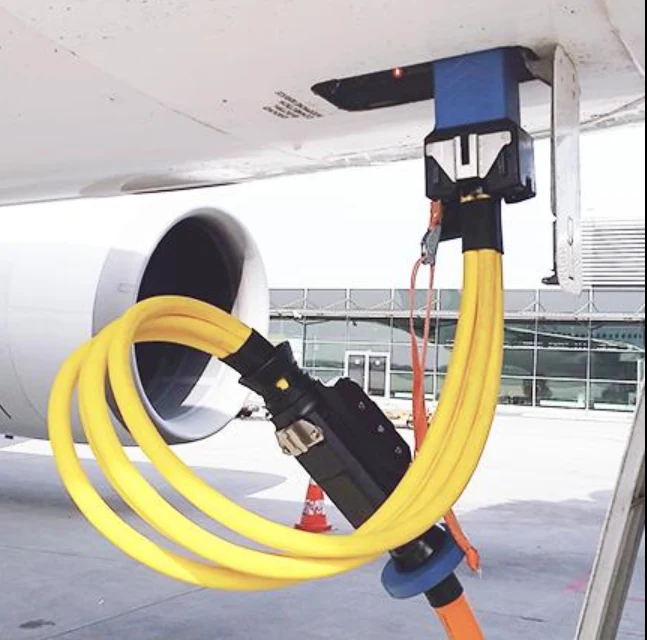
Check the cable, connector and apron route together
Start with the GPU type, aircraft interface, required frequency, voltage and power rating stated in the project documents. Then record cable length, route, minimum clearance, movement method, storage arrangement, connector support and potential contact with tyres, equipment edges or apron debris. These inputs define the mechanical duty as much as the electrical selection.
For a relevant product starting point, see the 400Hz Airport Ground Power Cable page. The final configuration must be checked against the approved aircraft/GPU interface and the site’s operating conditions.
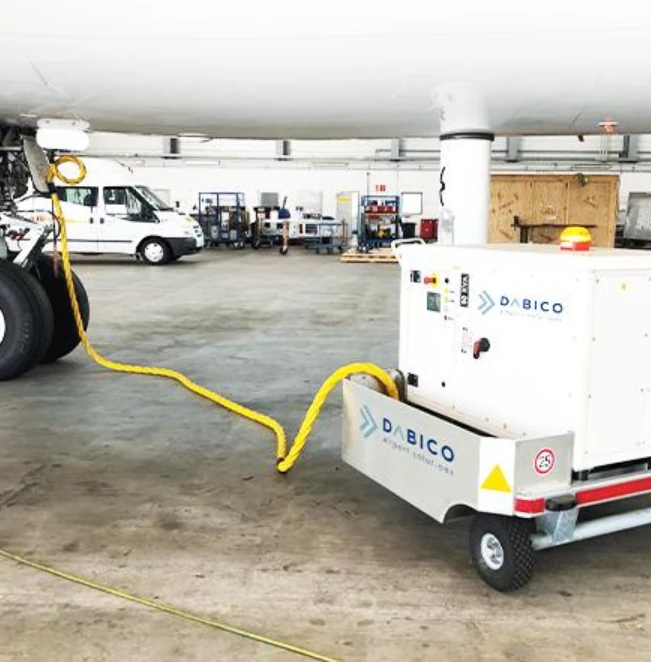
Do not mix aircraft-cable applications
The supplied reference material also covers airfield-lighting cable and aircraft/UAV cable assemblies. These are separate applications. Airfield-lighting circuits serve the airport lighting system and have their own circuit and installation requirements. Aircraft and UAV assemblies are designed around their specific internal power, signal, control and installation constraints. A ground-power cable should never be substituted across those roles without a verified engineering specification.
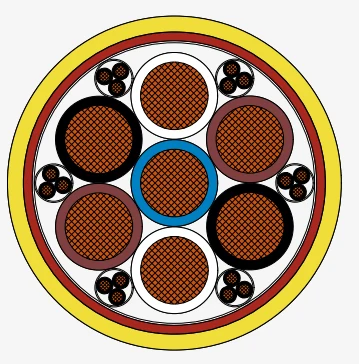
Aircraft ground power cable RFQ checklist
| Information to provide | What to confirm | Why it matters |
|---|---|---|
| GPU and aircraft interface | GPU model, aircraft connection and approved connector arrangement | Sets the connection-system boundary. |
| Electrical duty | Specified frequency, voltage, power and circuit functions | Confirms the required cable and connector design. |
| Cable route | Length, deployment path, bend points and storage method | Identifies handling and mechanical risk. |
| Apron environment | Weather, contamination, traffic exposure and cleaning practice | Supports appropriate sheath and protection review. |
| Terminations | Connector support, strain relief and available installation space | Protects the electrical connection during repeated use. |
| Evidence | Existing marking, photos, drawings and test requirements | Helps prevent an unsuitable visual substitute. |
Installation and maintenance checks
Before service, confirm that the cable can be deployed and stored without being forced around sharp edges or left in an unprotected traffic route. Inspect the connector body, strain relief, jacket, markings and points of repeated bending. Record any recurring wear location: it may indicate a route or handling issue rather than a cable-only issue.
For broader project support, review Industrial Cable Applications and Cable Certifications, Test Reports & Laboratory Support. These pages help project teams identify the documentation required for a specific cable enquiry.
Frequently asked questions
What is an aircraft ground power cable?
It is the external flexible cable assembly that connects an approved ground power unit to an aircraft power inlet during ground operations.
Why is 400 Hz mentioned for aircraft ground power?
The supplied reference material identifies 400 Hz as the ground-power context for aircraft electrical systems. Confirm the exact interface requirements from the aircraft and GPU documentation.
Can an airfield-lighting cable be used as a GPU cable?
No assumption should be made. Lighting and GPU connections have different circuit, route and interface requirements that must be verified separately.
What information is needed for a quotation?
Provide the GPU and aircraft interface, electrical duty, cable length, route, operating environment, connector details and any existing documentation.
How can TEBAOFLEX help?
TEBAOFLEX can review your connection and route information before a configuration is proposed. Send your aircraft ground power cable requirements for a project-specific discussion.
Specify the complete ground-power connection
A reliable aircraft ground power cable is selected from the approved electrical interface and the real apron duty together. By documenting the GPU, connector, route and service conditions, the project team can make a clearer and more defensible selection decision.