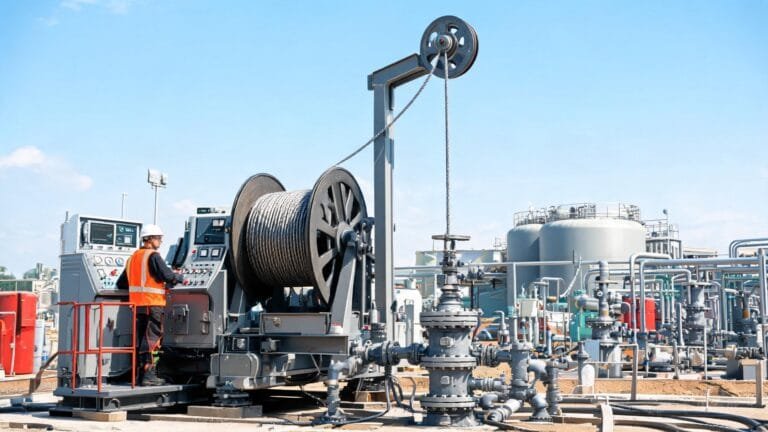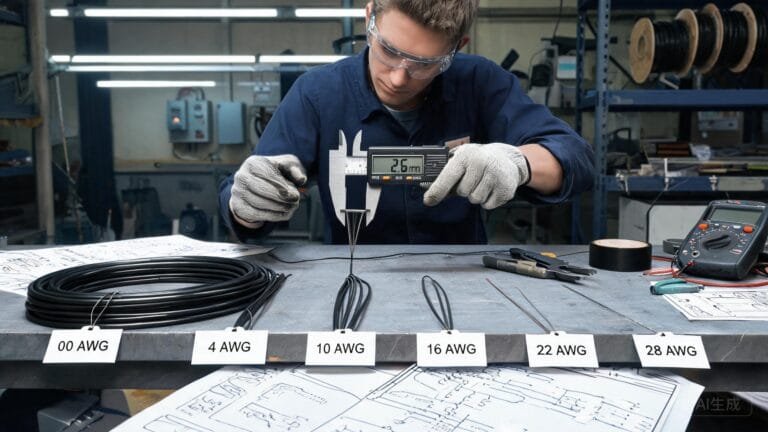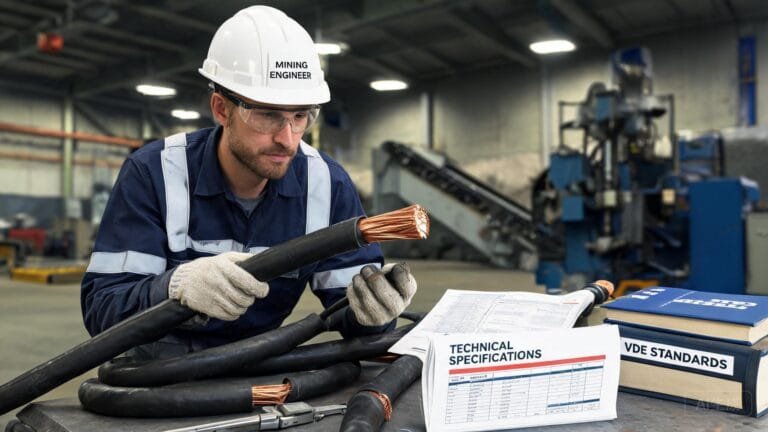

SHD-GC vs Type W Cable is best assessed from the application record: electrical function, route, movement, environment, terminations and required evidence. Compare the documented electrical functions, route and compliance requirements before treating these U.S. cable designations as alternatives.
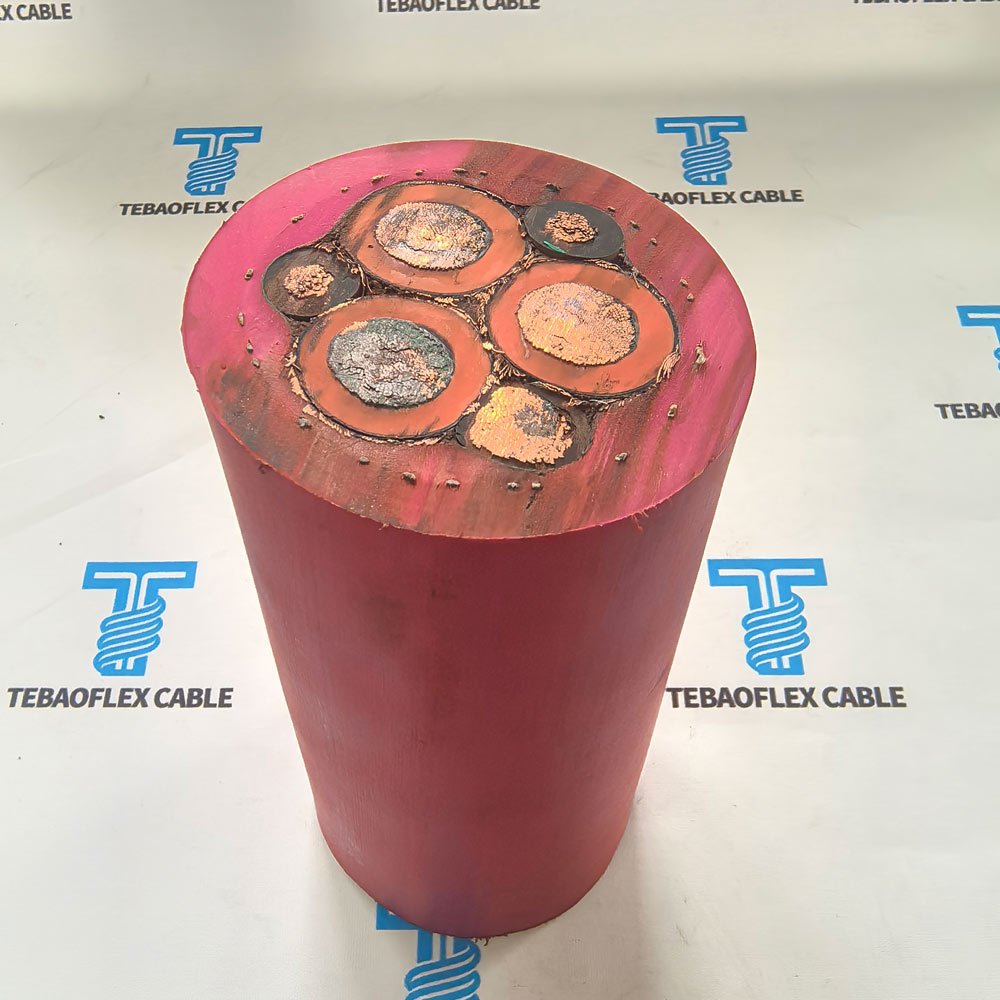
Start with the application record
Record the equipment, route, maximum movement, contact points, voltage, load and operating environment. This prevents a selection decision from being based on only one attribute such as conductor count, jacket colour or a familiar designation.
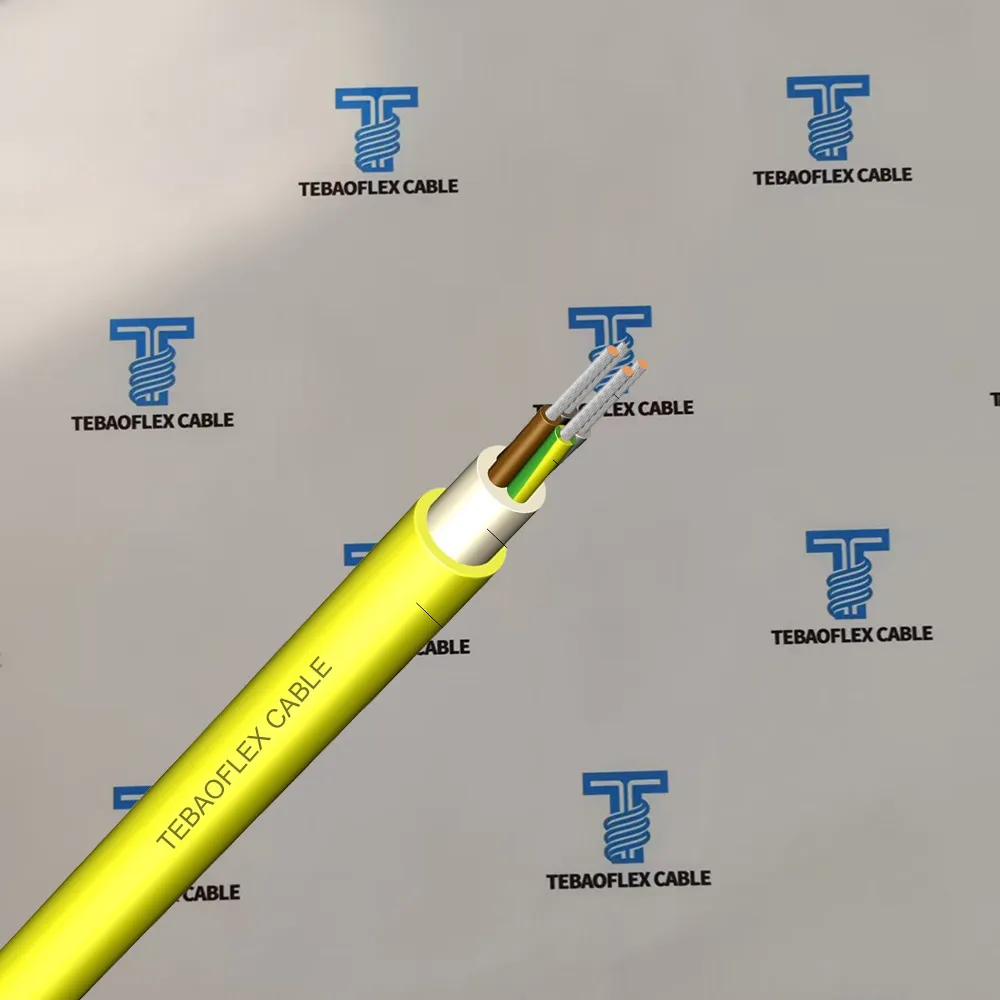
What to verify before selection
Confirm the equipment connection, protection scheme, termination space, bending or drag path, and service exposure. When the application changes, the supporting documents must be checked again. See the related SHD-GC Mining Cable for a confirmed TEBAOFLEX reference.
For U.S. mine projects, confirm applicable approval or acceptance requirements and markings against official MSHA cable information. Other jurisdictions and contracts may require different evidence.
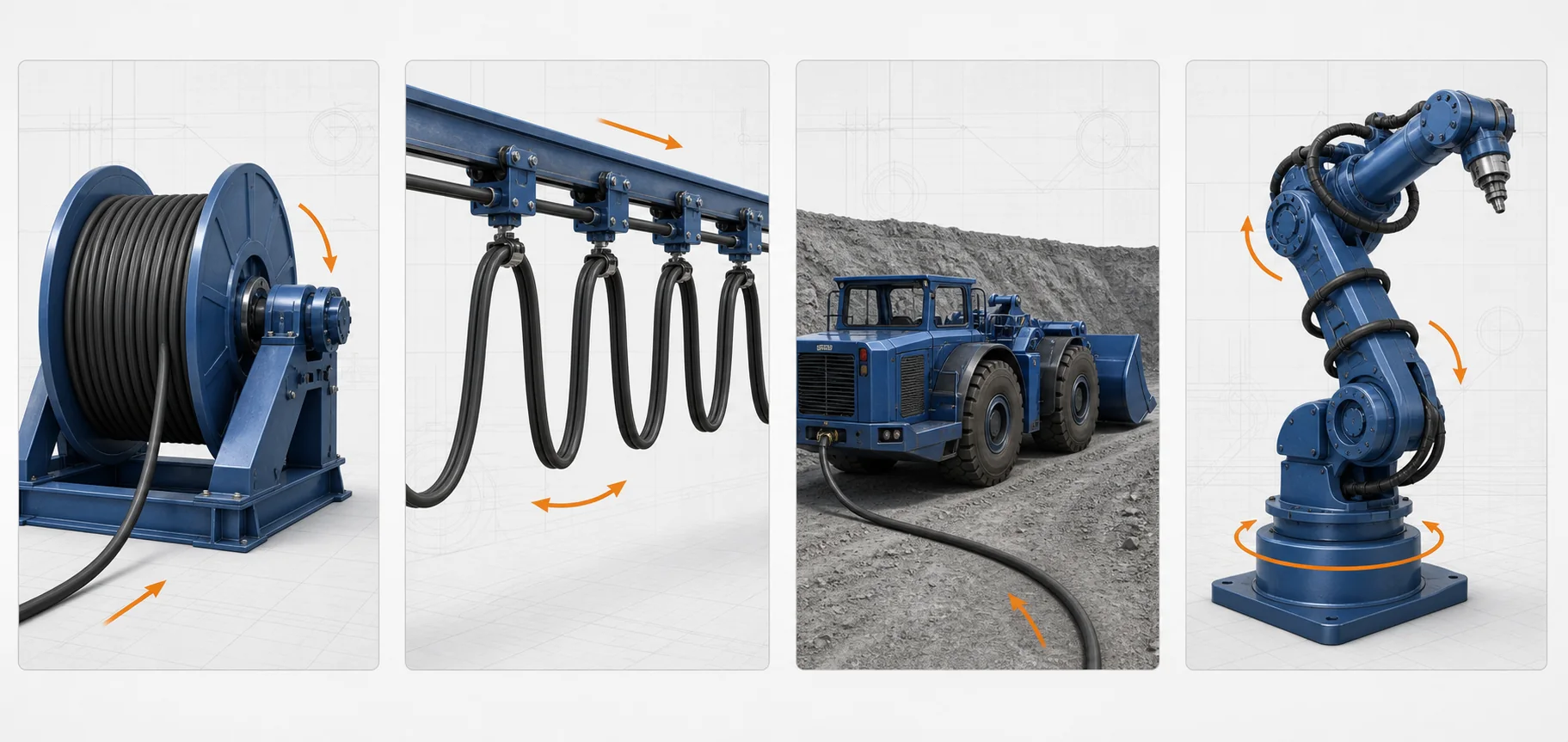
Project verification checklist
| Check | Record | Why it matters |
|---|---|---|
| Equipment duty | Machine and operating task | Defines the application context. |
| Cable route | Movement, bends, guides and contact points | Identifies mechanical risk. |
| Electrical function | Voltage, load, earth, control and data | Confirms the required construction. |
| Environment | Temperature, oil, water, UV, dust or terrain | Prevents unsupported material assumptions. |
| Evidence | Marking, data sheet, test records and photos | Supports project verification. |
Common mistakes
- Using a name as a full specification. Check the current application and documents.
- Ignoring the route. Movement, guides and terminations affect service life.
- Assuming one approval covers every project. Confirm jurisdiction and contract requirements.
Frequently asked questions
What information is needed before ordering?
Provide equipment details, route, electrical functions, environment, required standards and available cable evidence.
Can a similar cable be substituted?
Only after the approved data and route requirements are reviewed for the actual project.
Why are termination details needed?
They affect strain relief, available space and the connection arrangement.
How should a damaged cable be documented?
Record marking, photos, failure location and route conditions before replacement.
Where can I request a review?
You can send your cable requirements to the TEBAOFLEX team.
Make the decision evidence-led
TEBAOFLEX can help review the application record before a new purchase or replacement is finalised.
Last reviewed: August 2026. Final suitability must be confirmed against the project specification, local rules and product documentation.
Application Review Before Cable Selection
For mining and heavy-duty portable power systems, selection should start with the operating duty rather than a broad material or cable-family name. Buyers should verify the required product designation, voltage, core arrangement, ground-check need, machine movement, route and applicable project requirements. These details establish a practical basis for comparing cable constructions and installation methods.
Use the approved project documentation and selected product datasheet as the decision record. Where a requirement is unclear, provide the route drawing, existing cable marking and operating conditions for technical review.
Prepare a Clear RFQ
Include the equipment application, voltage, conductor size, number of cores, required length, cable movement, installation route, environmental conditions, required standards, termination needs and quantity. For replacement work, explain what must remain unchanged and what operating problem should be solved.
Common Mistake
A frequent error is treating two cable names as equivalent without comparing the exact construction, marking and intended use. Product names and broad performance statements are useful starting points, but they cannot replace a review of the exact cable construction and real installation duty.
FAQ
What should be checked first?
Start with the equipment and route, then compare the exact product documentation with the electrical and environmental requirement.
Can TEBAOFLEX review the project?
TEBAOFLEX CABLE can review application-specific requirements when the electrical, mechanical and environmental inputs are supplied.
Next Step
Need help with SHD-GC vs Type W cable? Send TEBAOFLEX CABLE the application, electrical data, movement, route, environment, required standards and quantity. Contact our engineering team for a cable selection review.