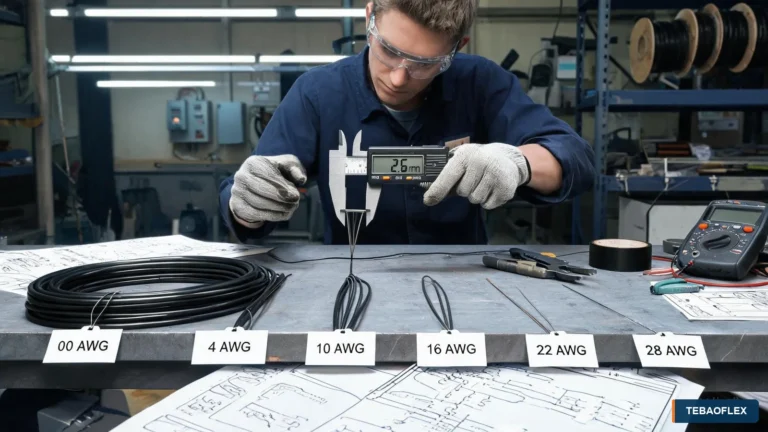
AWG to mm² Conversion & Current Rating Chart
Convert AWG to mm² (0.35mm², 0.5mm², 0.75mm², 1.0mm², 1.5mm², 24 AWG to 4/0 AWG) and compare conductor diameters and NEC copper current ratings for industrial cables.

Learn about advanced cable technologies, materials, designs, and performance characteristics for demanding industrial environments.
Convert AWG to mm² (0.35mm², 0.5mm², 0.75mm², 1.0mm², 1.5mm², 24 AWG to 4/0 AWG) and compare conductor diameters and NEC copper current ratings for industrial cables.
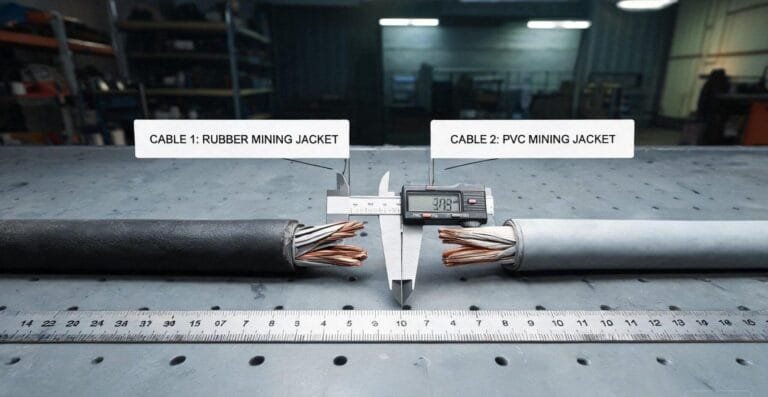
Selecting the correct trailing cable for mining equipment is a decision that directly impacts operational safety, equipment uptime, and total cost of ownership. Knowing how to select NTSCGEWOU trailing cable for specific mining operations requires understanding voltage requirements, environmental conditions,…
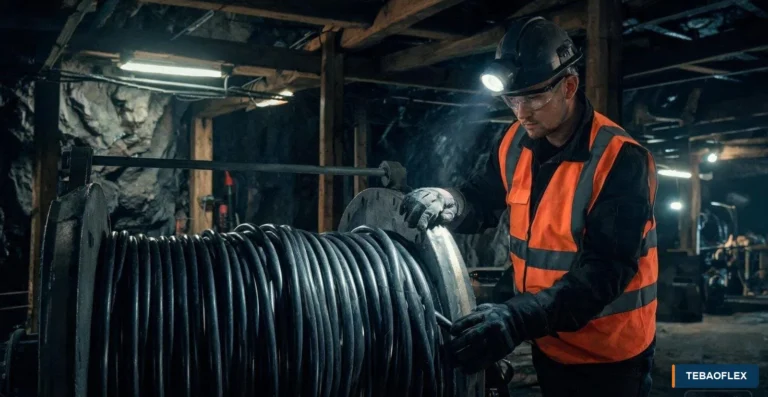
The NTSCGEWOU vs NTSCGEWOEU comparison is one of the most frequently encountered questions in mining cable specification. These two cable designations share many characteristics but differ in construction details that affect their application scope, performance, and cost. Understanding these differences…
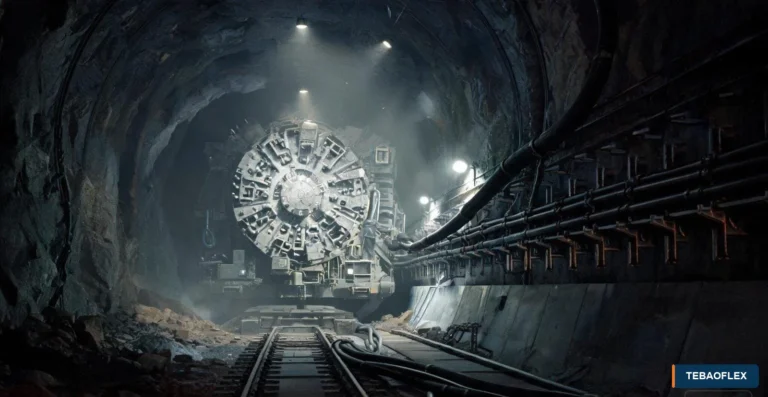
This comprehensive NTSCGEWOU cable FAQ addresses the most common questions from mining engineers, maintenance technicians, and procurement professionals who specify, install, and maintain medium-voltage trailing cable systems in mining and tunnelling operations. Whether you are selecting a cable for a…
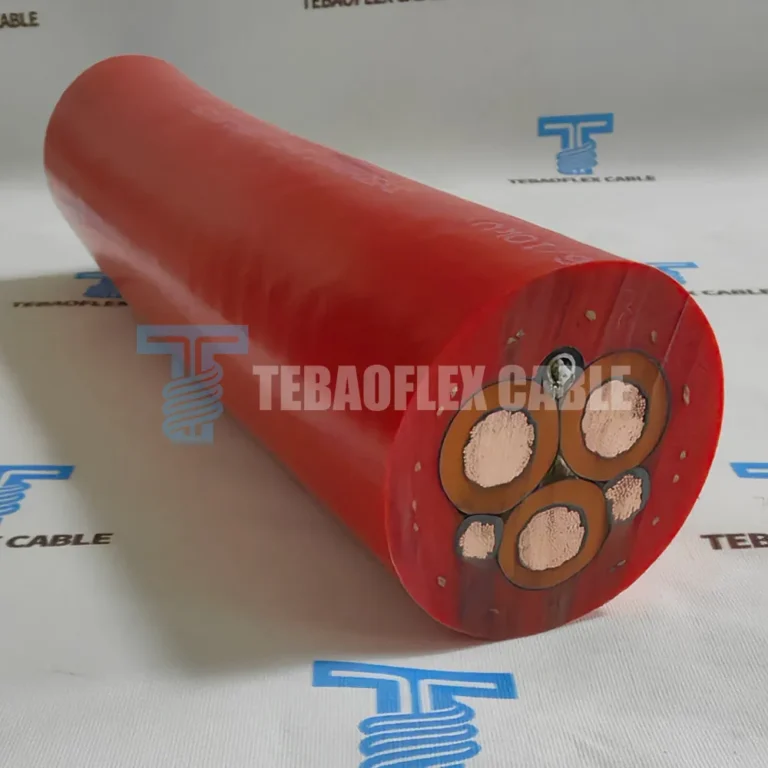
In the world of large-scale material handling, NTSCGEWOU cable applications cover the most demanding power supply scenarios — from open-pit mining excavators to underground tunnel boring machines. These medium-voltage flexible trailing cables are the lifeline that connects mobile mining equipment…

When powering large-scale mining and tunnelling equipment, the choice of trailing cable directly impacts operational safety, equipment uptime, and worker protection. The NTSCGEWOU cable specifications defined under VDE 0250-813 represent a specialized class of medium-voltage flexible trailing cables engineered for…
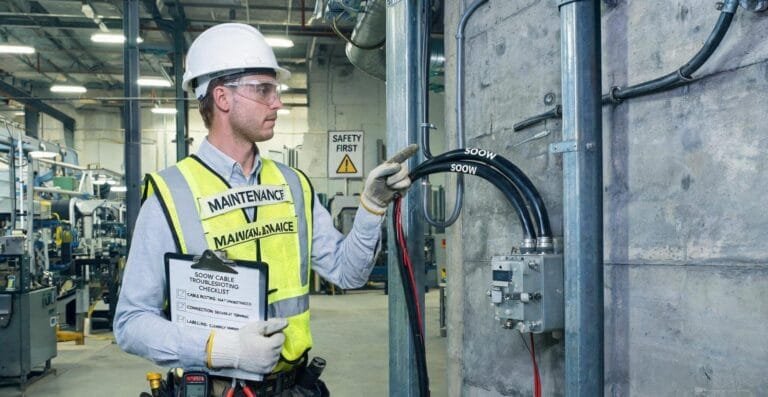
Silicone Rubber Cable 200°C: High-Temperature Cable Selection & Application Guide When electrical equipment operates at elevated temperatures, standard PVC or rubber insulation degrades rapidly — leading to premature cable failure, short circuits, and safety hazards. Silicone rubber cable 200°C is…
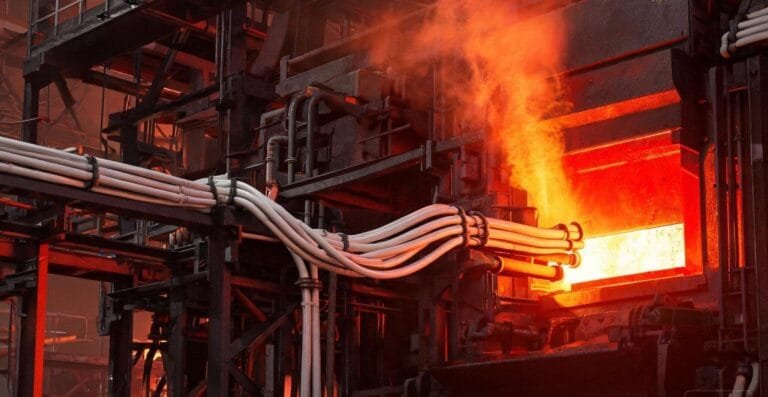
This comprehensive SOOW SJOOW cable FAQ addresses the most common questions from electrical engineers, maintenance technicians, and procurement professionals who specify, install, and maintain portable cord systems in industrial environments. Whether you are selecting a cable for a new installation…
Selecting the correct portable cord is a decision that directly impacts equipment safety, regulatory compliance, and long-term operating costs. For engineers and procurement professionals, knowing how to select SOOW SJOOW portable cord for specific industrial applications requires understanding voltage requirements,…

SOOW is a 600 V portable-cord type; SJOOW is 300 V. Compare type markings, ampacity, outside diameter, connector fit and certification before substituting either cord.