
This comprehensive NTSCGEWOU cable FAQ addresses the most common questions from mining engineers, maintenance technicians, and procurement professionals who specify, install, and maintain medium-voltage trailing cable systems in mining and tunnelling operations. Whether you are selecting a cable for a new installation or troubleshooting an existing setup, these answers provide practical, engineering-focused guidance.
For detailed product specifications, visit our NTSCGEWOU trailing cable product page. For additional resources on industrial cable solutions, browse our complete product catalog.
Cable Selection FAQ
What does NTSCGEWOU stand for?
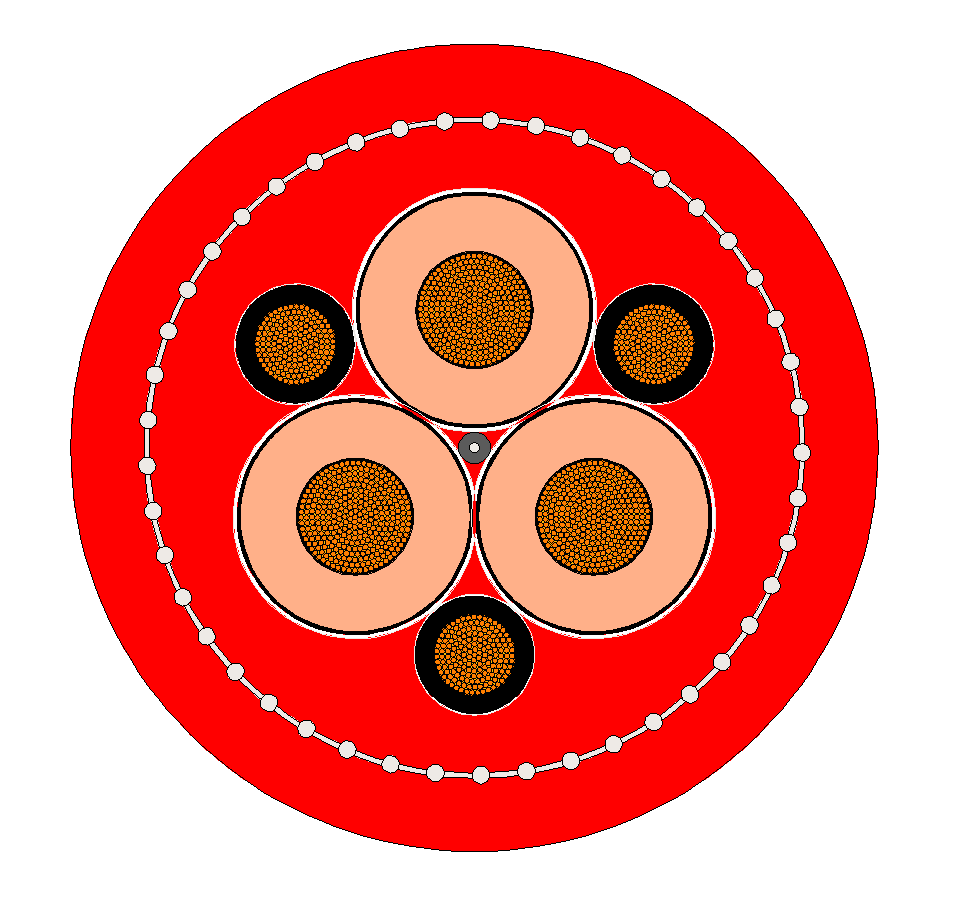
NTSCGEWOU is a VDE cable designation: N = sheathed, T = three-core, S = screened, C = copper conductor, G = rubber insulation (EPR), E = earth conductor, and WOU = resistant to water, oil, and UV/abrasion. The designation follows VDE 0250-813 standards for mining cables.
What voltage ratings are available for NTSCGEWOU cable?
NTSCGEWOU cables are available in voltage ratings from 3.6/6kV to 20/35kV, covering medium-voltage to high-voltage mining power supply applications. The specific voltage rating is selected based on the connected equipment’s rated voltage and the power distribution system design.
What is the difference between NTSCGEWOU and NTSCGEWOEU?
The primary difference is that NTSCGEWOEU includes an additional oil-resistant designation, indicating enhanced oil-resistant construction compared to NTSCGEWOU. NTSCGEWOU provides standard water, oil, and UV resistance, while NTSCGEWOEU offers enhanced oil resistance for environments with heavy hydraulic oil exposure.
What conductor type is used in NTSCGEWOU cable?
NTSCGEWOU cables use Class 5 stranded tinned copper conductors per IEC 60228. The Class 5 fine-wire stranding provides the flexibility required for trailing and reeling applications, while tinning prevents oxidation and corrosion in humid mining environments. For custom conductor requirements, contact our engineering services team.
Installation and Standards FAQ
What standard does NTSCGEWOU cable comply with?
NTSCGEWOU cables are manufactured in accordance with VDE 0250-813, the German standard for cables used in mining and similar heavy-duty applications. They also comply with IEC/EN 60332-1-2 for flame retardancy. Manufacturers may hold additional certifications including ISO 9001, Mining Safety Mark (MA), and CE marking.
What is the minimum bending radius for NTSCGEWOU cable?
The minimum bending radius for NTSCGEWOU trailing cables depends on the specific cable diameter and construction. Typically, the minimum bending radius is 6 to 8 times the cable outer diameter for trailing applications and may be larger for reeling applications. Always consult the manufacturer’s published specifications for the exact cable size and construction.
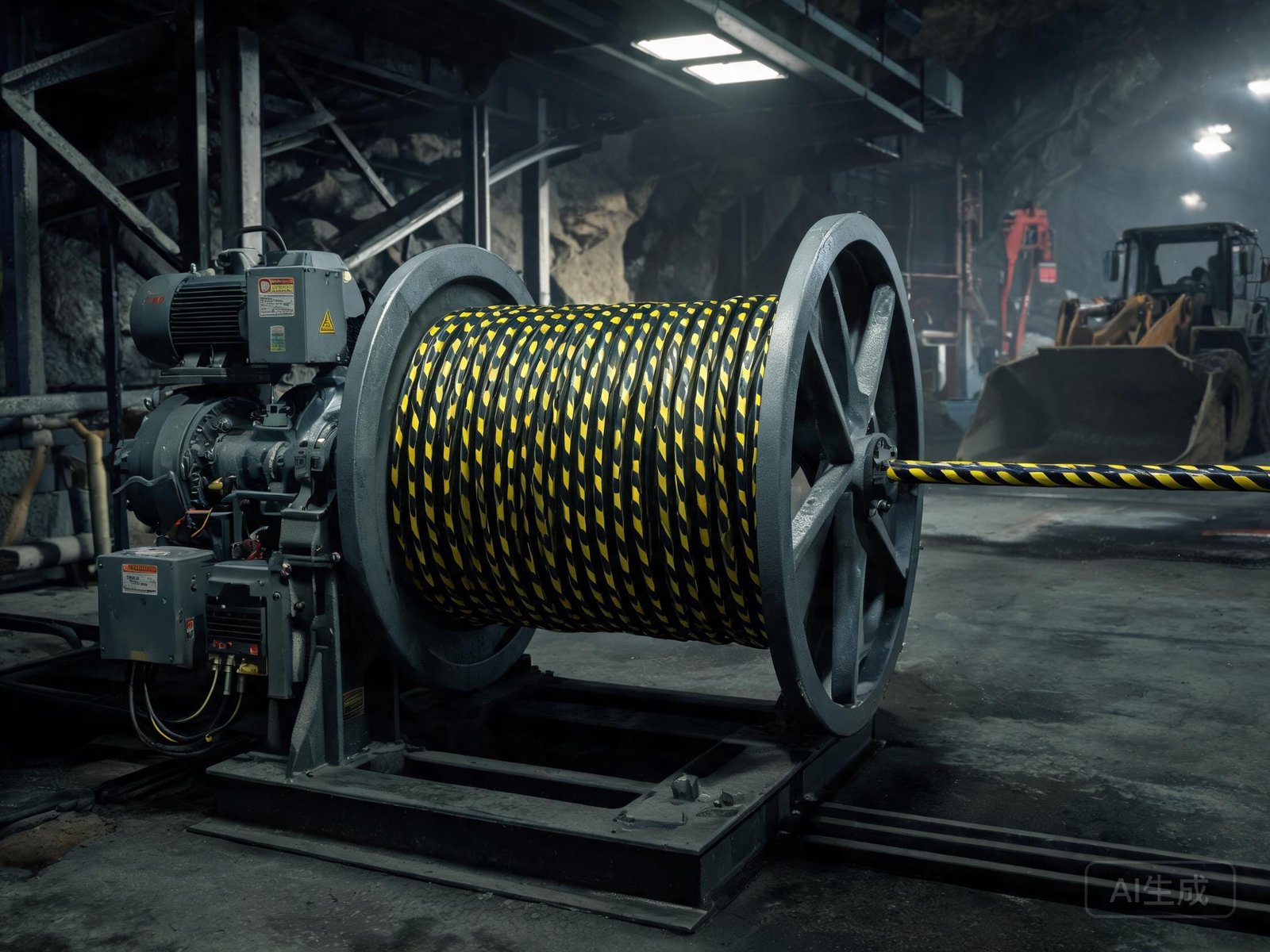
Can NTSCGEWOU cable be used in underground mining?
Yes. NTSCGEWOU cables are suitable for underground mining applications. They are flame retardant to IEC/EN 60332-1-2, water resistant for wet underground environments, and designed for the mechanical stresses of trailing and reeling operations common in underground mines and tunnels.
What travel speed can NTSCGEWOU cable handle?
NTSCGEWOU cables are engineered for travel speeds up to 120 meters per minute. This rating accommodates the operational speeds of most mining excavators and material handling equipment. For applications requiring higher travel speeds, consult the manufacturer for specialized constructions.
Troubleshooting and Maintenance FAQ
How do I inspect NTSCGEWOU cable for damage?
Regular visual and electrical inspection should check for:
- Jacket damage: Cuts, gouges, abrasions, and exposed insulation require immediate cable replacement
- Jacket swelling: Softening or swelling indicates chemical or oil incompatibility — investigate the source and replace the cable
- Hot spots: Use thermal imaging to detect conductor overheating at connection points or along the cable run
- Insulation resistance: Periodic megohmmeter testing detects insulation degradation before failure occurs
- Reel condition: Inspect the reeling drum, cable guides, and tensioning system for proper operation
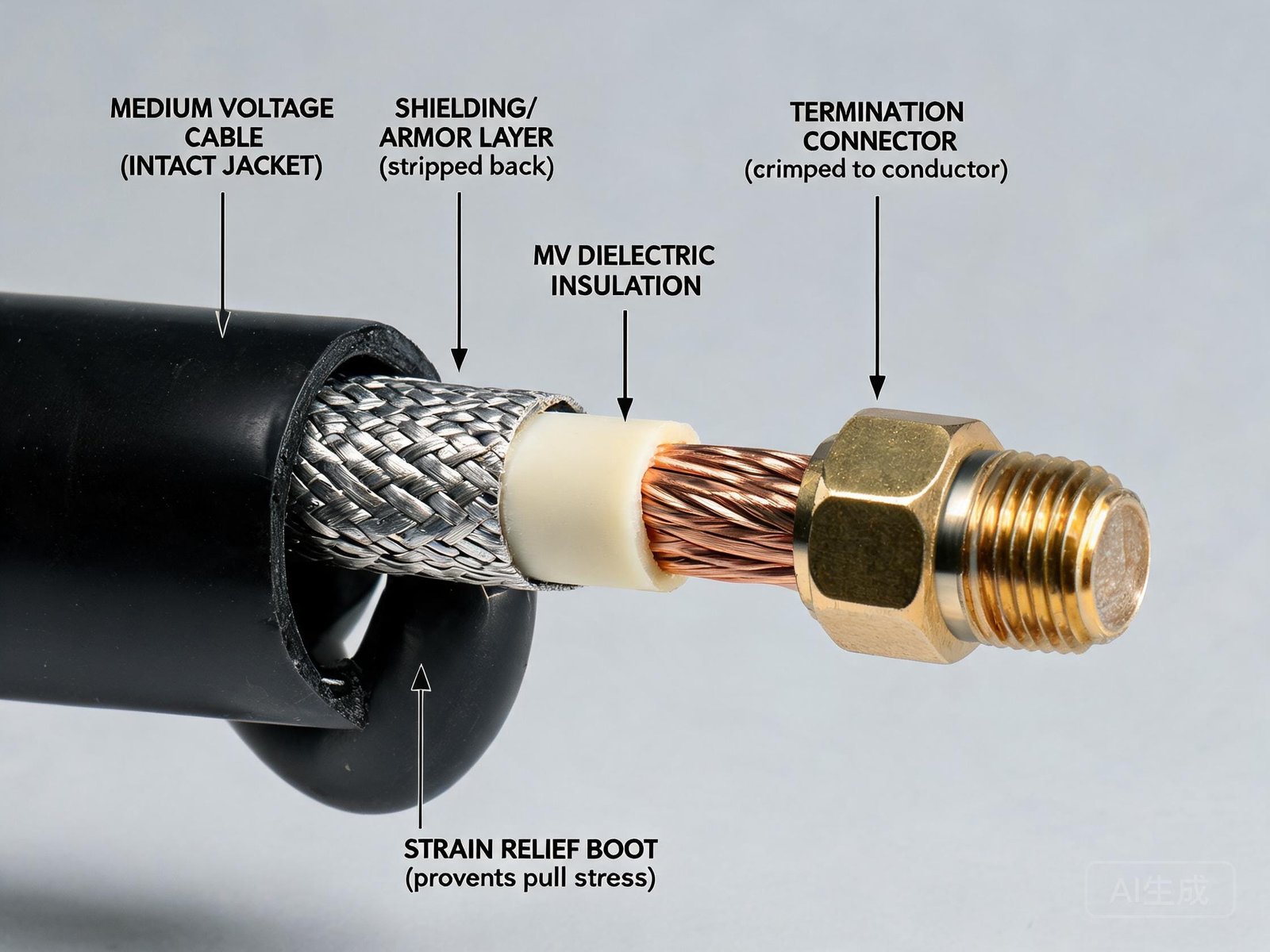
Why is my NTSCGEWOU cable overheating?
Cable overheating typically results from one of several causes: conductor undersizing for the actual load current, loose or corroded connections creating high-resistance joints, excessive ambient temperature beyond the cable’s rating, damaged insulation causing leakage currents, or improper reeling causing cable crowding and inadequate heat dissipation. Investigate the root cause immediately to prevent cable failure and potential fire.
How often should NTSCGEWOU cable be inspected?
The inspection frequency depends on the application severity. For continuous-operation mining equipment, visual inspection should be performed at each shift change, with more thorough inspections weekly. Insulation resistance testing should be performed at least quarterly, with the frequency adjusted based on environmental severity and historical failure data.
Storage and Handling FAQ
How should NTSCGEWOU cable be stored?
Store NTSCGEWOU cable on its delivery reel in a dry, covered area away from direct heat sources and chemical exposure. When installing cable from a reel, use a powered unreeling mechanism that rotates the reel, rather than pulling the cable off the side, to prevent twisting. Avoid dragging the cable over sharp edges or abrasive surfaces during installation.
What is the expected service life of NTSCGEWOU cable?
Service life varies significantly based on application conditions, including travel distance, reeling cycles, environmental exposure, and maintenance practices. Regular inspection and prompt replacement of damaged sections are the best approach to maximizing cable life and preventing unplanned downtime. Consult the manufacturer for application-specific life expectancy guidance.
Standards and Certification FAQ
What certifications should I look for when buying NTSCGEWOU cable?
At minimum, verify VDE 0250-813 compliance and IEC/EN 60332-1-2 flame retardancy. For mining jurisdictions requiring additional certifications, look for Mining Safety Mark (MA), CE marking, and manufacturer ISO 9001 quality management certification. Review our certifications documentation for details.
Are NTSCGEWOU cables flame retardant?
Yes. NTSCGEWOU cables manufactured to VDE 0250-813 comply with IEC/EN 60332-1-2 flame retardancy requirements. This test evaluates the cable’s ability to resist flame propagation when a small flame is applied to a single vertical wire or cable. For underground mining applications, flame retardancy is a critical safety requirement.
Conclusion
This NTSCGEWOU cable FAQ covers the most frequently encountered questions in selection, installation, troubleshooting, and maintenance of medium-voltage trailing cable systems for mining and tunnelling. The key takeaways: match voltage rating to equipment requirements, verify torsional resistance for reeling applications, follow proper installation practices for bending radius and strain relief, and inspect cables regularly for mechanical and electrical damage.
For projects requiring NTSCGEWOU trailing cables with VDE 0250-813 compliance, TEBAOFLEX CABLE provides standard and custom configurations with full technical documentation. Our engineering team is available to answer additional questions and provide cable recommendations for your specific mining application.
Have more questions about NTSCGEWOU cable? Contact us or Request a Quote.
Send us your application/equipment, voltage, conductor size, number of cores, cable movement, installation environment, required standards, and required quantity — our engineering team will review and recommend a suitable cable solution.