
Introduction to Cable Insulation Materials
When specifying power cables for industrial, utility, or marine applications, the choice of insulation material directly impacts performance, longevity, and cost. Two of the most widely used thermosetting insulation materials are XLPE (Cross-Linked Polyethylene) and EPR (Ethylene Propylene Rubber). Both are engineered to withstand temperatures and voltages beyond what standard PVC can handle, yet they differ significantly in electrical properties, mechanical characteristics, and application suitability.
TEBAOFLEX manufactures cables with both XLPE and EPR insulation across our product range, and we help customers select the right material for their specific operating environment. This comparison provides the technical foundation for that decision.
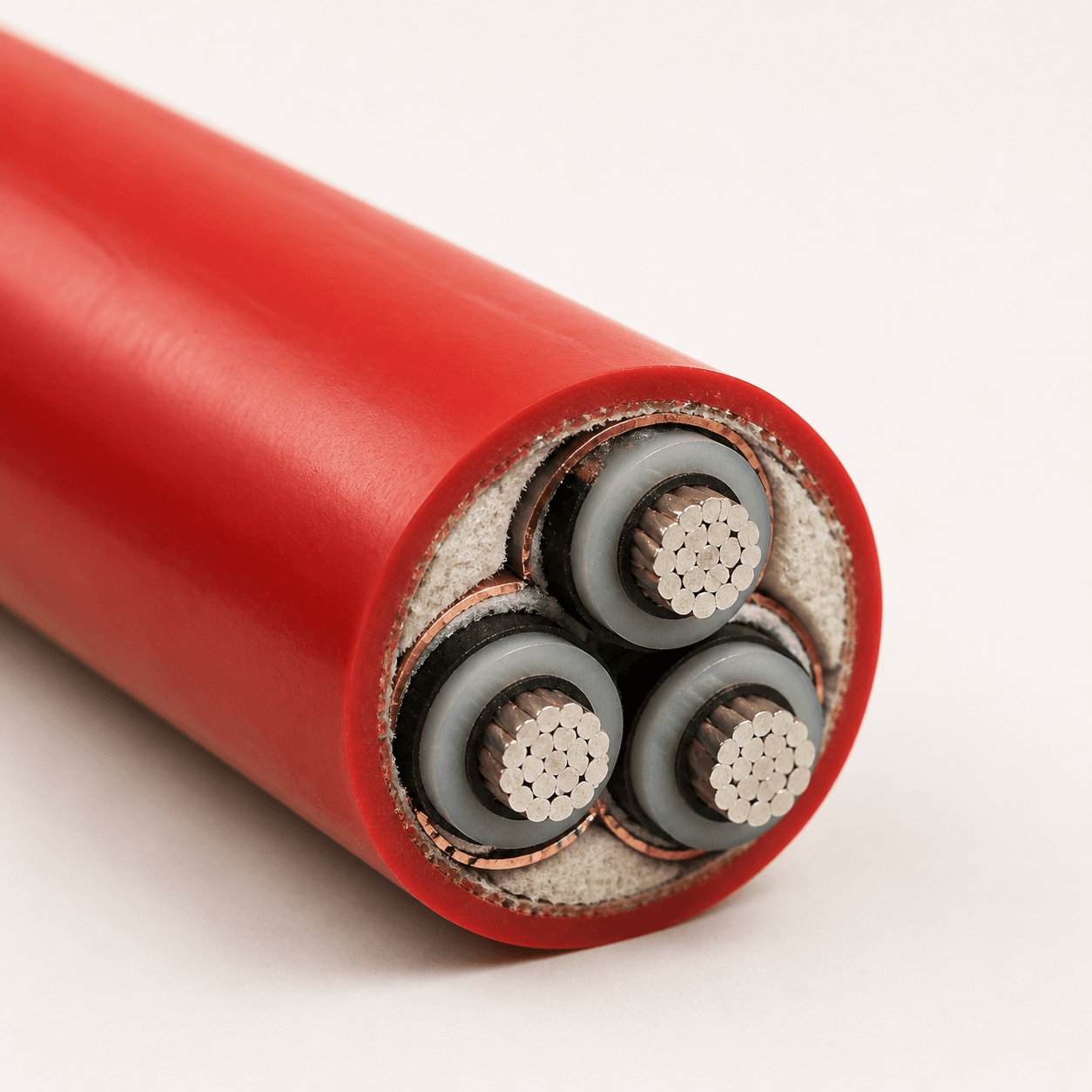
What Is XLPE Insulation?
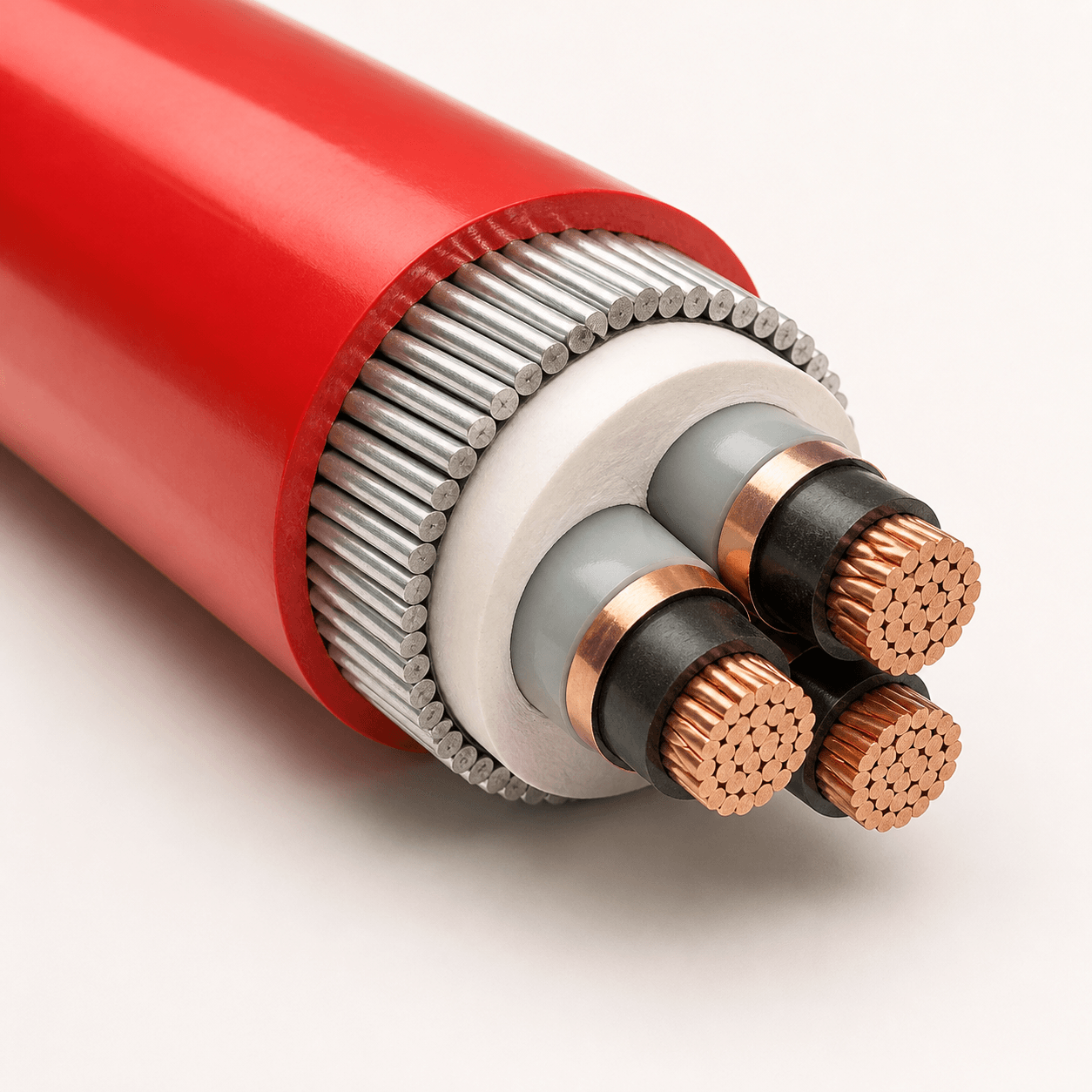
XLPE (Cross-Linked Polyethylene) is created by chemically cross-linking polyethylene molecules, transforming the thermoplastic material into a thermoset. This cross-linking process gives XLPE its defining characteristics:
- Maximum conductor temperature: 90°C continuous operation (250°C short-circuit)
- Excellent dielectric strength: 20-25 kV/mm, making it ideal for medium and high voltage cables
- Low dielectric loss: Power factor (tan δ) of approximately 0.001 at 20°C, minimizing energy losses in AC applications
- High moisture resistance: Superior water treeing resistance compared to older insulation technologies
- Good mechanical properties: High tensile strength and abrasion resistance after cross-linking
XLPE insulation is designated as type XLPE in IEC 60502-1 and is used extensively in power distribution cables up to 500kV. Explore our XLPE insulated cable products for available configurations.
What Is EPR Insulation?
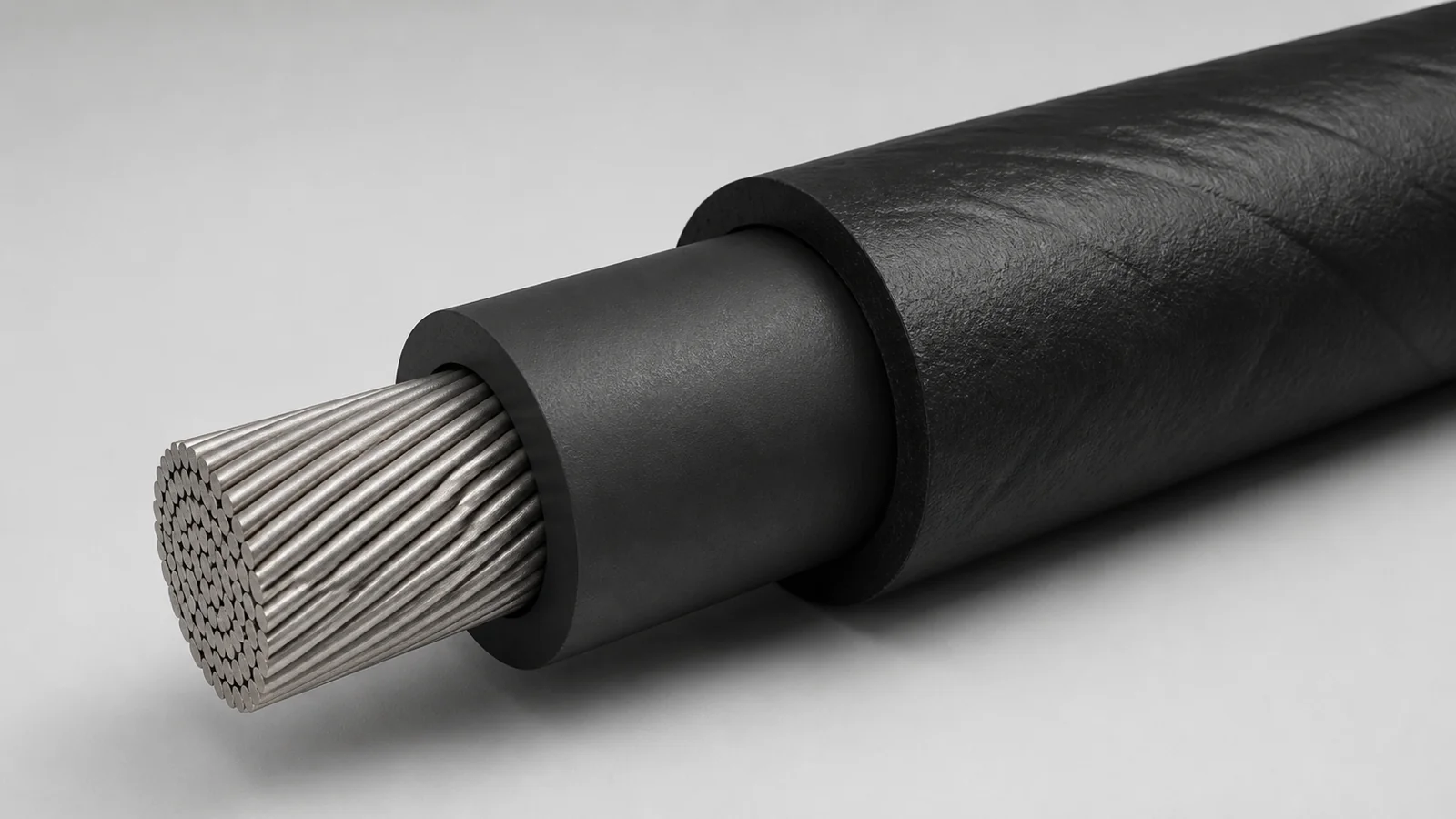
EPR (Ethylene Propylene Rubber) is a thermoset elastomeric insulation compound based on ethylene-propylene copolymer. It is available in two main grades:
- Standard EPR (IEC 60502-1 Type EPR): Rated for 90°C continuous operation. Good flexibility, excellent water and chemical resistance.
- High-grade EPR (HEPR): Rated for 90°C to 110°C with improved dielectric properties, used in medium voltage cables to 150kV.
Key EPR characteristics include:
- Excellent flexibility: EPR is a rubber-based compound, making it inherently more flexible than XLPE, which is essential for portable, trailing, and reeling cables
- Superior water resistance: EPR performs exceptionally well in wet environments, making it the preferred insulation for submarine, mining, and marine cables
- Good chemical resistance: Resistant to oils, acids, alkalis, and many industrial chemicals
- Higher dielectric loss: Power factor (tan δ) approximately 0.01-0.02 at 20°C, higher than XLPE
- Excellent aging resistance: Maintains electrical and mechanical properties over decades of service
Head-to-Head: XLPE vs EPR Comparison
| Property | XLPE | EPR |
|---|---|---|
| Material Type | Cross-linked thermoplastic (thermoset) | Synthetic rubber elastomer (thermoset) |
| Max Continuous Temp | 90°C | 90°C (HEPR: 110°C) |
| Short-Circuit Temp | 250°C | 250°C |
| Dielectric Strength | 20-25 kV/mm | 15-20 kV/mm |
| Dielectric Loss (tan δ) | ~0.001 | ~0.01-0.02 |
| Flexibility | Good | Excellent |
| Water Resistance | Very Good | Excellent |
| Chemical Resistance | Good | Very Good |
| Abrasion Resistance | Very Good | Good |
| UV Resistance | Good (with carbon black) | Excellent |
| Cost | Lower | Higher |
| Max Voltage | up to 500kV | up to 150kV |
When to Choose XLPE Insulation
XLPE is the preferred insulation material in the following scenarios:
- Fixed installation power cables: XLPE’s lower cost and superior dielectric properties make it ideal for permanent power distribution in buildings, industrial plants, and utility grids
- Medium and high voltage applications: For cables rated above 15kV, XLPE’s low dielectric loss reduces energy losses and heating, making it more efficient for continuous high-voltage transmission
- Dry or moderately humid environments: While XLPE has good moisture resistance, in continuously wet or submerged conditions, EPR may offer better long-term performance
- Cost-sensitive projects: XLPE insulation typically costs 15-25% less than EPR for equivalent cable ratings, making it the economic choice for large-scale installations
- Underground distribution: XLPE-insulated MV cables (e.g., IEC 60502-1) are the standard for underground power distribution worldwide
TEBAOFLEX offers a full range of XLPE insulated cables for industrial and utility applications.
When to Choose EPR Insulation
EPR is the better choice when these factors are critical:
- Dynamic and flexible applications: Mining trailing cables, crane festoon cables, reeling cables, and portable power cables require the flexibility that EPR inherently provides
- Wet and submerged environments: Submarine cables, submersible pump cables, and cables in waterlogged installations benefit from EPR’s superior water resistance
- Chemical exposure: In petrochemical plants, refineries, and chemical processing facilities where cables may be exposed to oils, solvents, or corrosive substances
- Extreme temperature cycling: EPR maintains flexibility across a wide temperature range (-40°C to +90°C) without cracking or embrittlement
- Marine and offshore applications: Ship-to-shore, offshore platform, and subsea cables where flexibility, water resistance, and chemical resistance are all required simultaneously
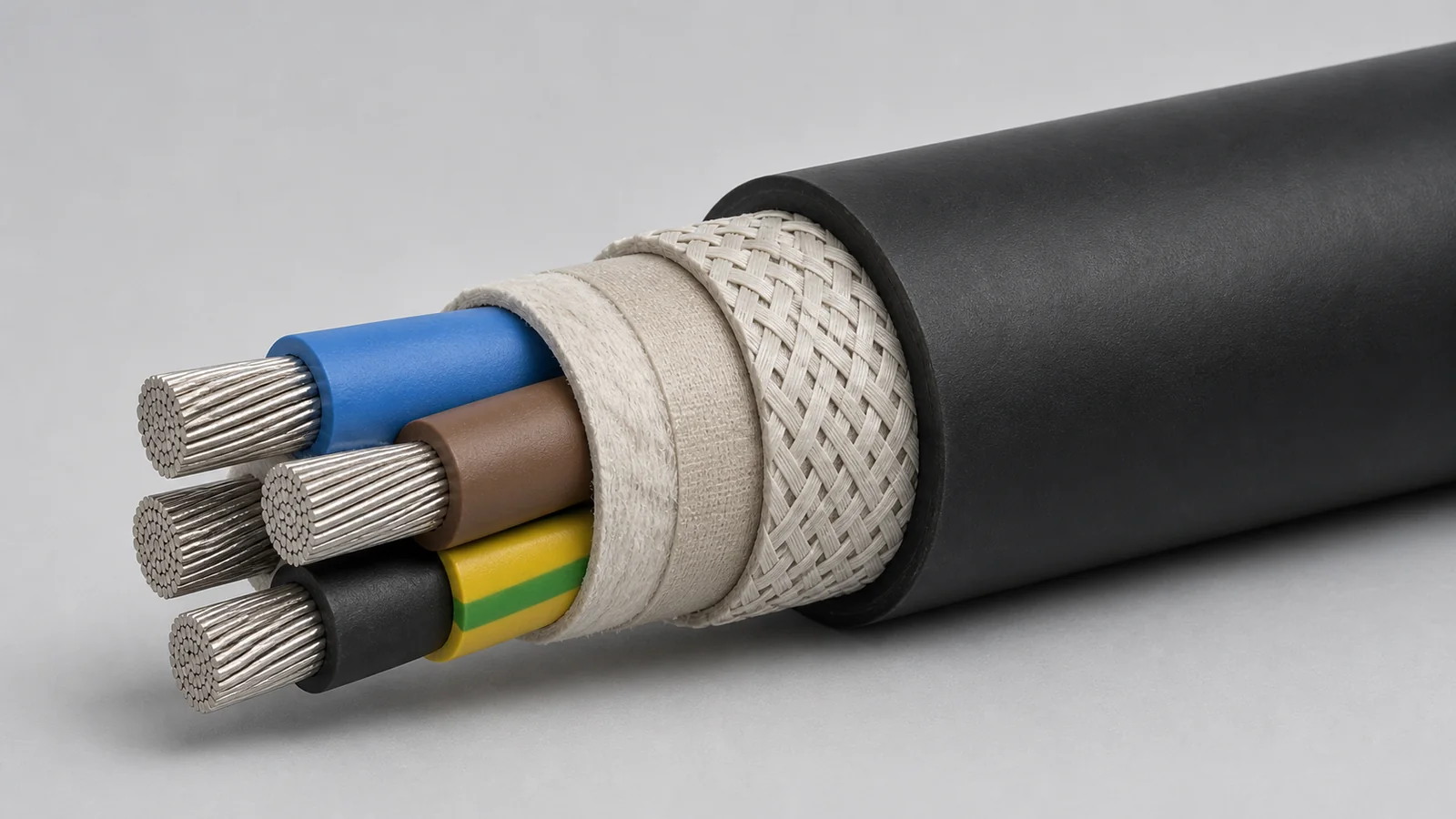
- High-reliability fire circuits: EPR insulation combined with mica tape is used in fire-resistant cables (such as BFOU and RFOU types) where circuit integrity must be maintained during fire
Performance in Critical Environments
Water Treeing and Moisture Aging
Both XLPE and EPR are resistant to water treeing, a phenomenon where water penetrates insulation under electrical stress and forms tree-like channels that can lead to breakdown. EPR has inherently better water treeing resistance due to its rubber structure. For cables in continuously wet environments (submarine, direct burial in high water table areas), EPR is often preferred despite its higher cost.
Thermal Aging
XLPE and EPR both have a rated continuous operating temperature of 90°C. However, EPR typically shows better thermal aging characteristics, maintaining its flexibility and dielectric properties longer at elevated temperatures. HEPR (high-grade EPR) rated at 110°C offers even further margin. For applications where cables may experience sustained temperatures near rated limits, EPR provides additional longevity.
Mechanical Stress and Flexing
EPR’s elastomeric nature gives it a significant advantage in applications involving repeated flexing, bending, or mechanical stress. Mining trailing cables, port crane festoon systems, and reeling applications require thousands to millions of flex cycles. XLPE, while flexible, is more prone to fatigue cracking under dynamic conditions. This is why international standards for trailing and reeling cables (such as IEC 60502-4, VDE 0271) predominantly specify EPR insulation.
Cost Considerations
The cost difference between XLPE and EPR insulation is a practical factor in cable selection:
- Material cost: EPR insulation compound costs approximately 20-40% more than XLPE per unit volume
- Manufacturing complexity: EPR requires specialized compounding and curing processes, adding to production cost
- Total cost of ownership: In dynamic applications, the longer service life of EPR cables can offset the higher initial cost by reducing replacement frequency and downtime
- Project budget: For fixed installations where flexibility and water resistance are not critical, XLPE provides the best value
For a detailed cost analysis tailored to your project, contact TEBAOFLEX for engineering consultation and quotation.
Industry Standards and Certifications
Both XLPE and EPR insulation materials are governed by international standards:
- IEC 60502-1: Power cables with extruded insulation for rated voltages from 1kV to 30kV. Covers both XLPE (type XLPE) and EPR (type EPR) insulation
- IEC 60840: Power cables with extruded insulation from 30kV to 150kV. Primarily XLPE, with HEPR as an alternative
- IEC 62067: Power cables from 150kV to 500kV. Exclusively XLPE
- UL 1072: Medium voltage cables in North America. Both XLPE and EPR are recognized
- IEEE 382: Standard for qualifying electric cables for nuclear power plants. Both materials are tested
TEBAOFLEX cables comply with applicable international standards. View our certifications for details.
Selection Decision Framework
- Identify the application type: Fixed installation → XLPE; Dynamic/flexible → EPR
- Assess environmental conditions: Wet/submerged → EPR; Dry/moderate humidity → XLPE or EPR
- Determine voltage level: Up to 150kV → either; Above 150kV → XLPE only
- Evaluate chemical exposure: Significant chemical/oil exposure → EPR; Minimal → XLPE
- Consider temperature extremes: Sustained near-limit temperatures → EPR or HEPR; Normal operating range → XLPE
- Assess mechanical stress: High flexing/abrasion → EPR; Static → XLPE
- Compare total cost: Budget-limited fixed installation → XLPE; Long-life dynamic application → EPR
- Consult with manufacturer: For complex applications, contact TEBAOFLEX for engineering guidance
Why Choose TEBAOFLEX
TEBAOFLEX manufactures both XLPE and EPR insulated cables, giving you an unbiased source for either material:
- XLPE insulated power cables from 0.6/1kV to 35kV for fixed installations
- EPR insulated medium voltage cables (RG7H1OR, RG7OZR series) for industrial and offshore applications
- EPR insulated mining trailing and reeling cables for dynamic applications
- Fire-resistant cables with EPR + mica tape insulation for circuit integrity
- Custom engineered solutions for specialized environments
Our engineering team helps you select the right insulation material based on your application requirements, environmental conditions, and budget constraints. Browse our product catalog or request a consultation for your next project.
Request a Quote
Need XLPE or EPR insulated cables for your project? Our technical team will respond within 24 hours with specifications, insulation recommendations, and pricing. Submit your cable inquiry to TEBAOFLEX.