
Mobile mining and tunnelling equipment needs a power connection that is specified for the real project duty, not simply for its voltage. A cable feeding an excavator, tunnel boring machine, mobile conveyor, crane or auxiliary mining unit can be exposed to movement, drag, reeling, guide contact, abrasive terrain and difficult environmental conditions. The route, the electrical function and the equipment arrangement all influence the cable construction that should be reviewed.
The NTSCGEWOU flexible trailing cable is a mining and tunnelling cable family used in applications where a flexible medium-voltage power connection is required. This article explains how project teams can evaluate the application, what information is needed for a technical review and how to avoid treating a trailing cable as a generic power cable.
NTSCGEWOU Flexible Trailing Cable: Begin with the Mining Duty
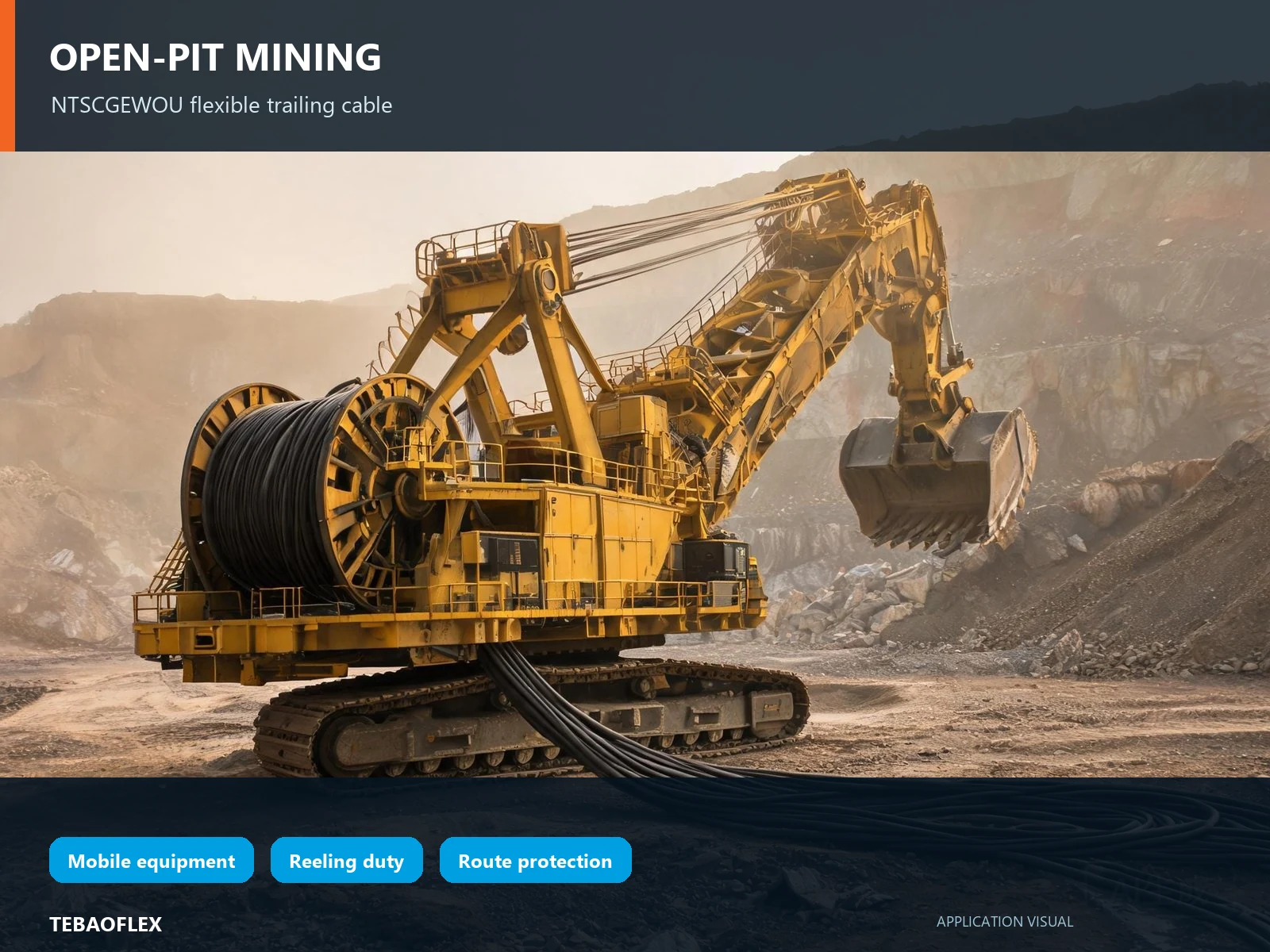
“Trailing cable” describes an application involving movement between a power source and mobile equipment. That movement may include dragging across a working area, guided travel, reel operation, changing ground contact or a protected route through a tunnel. Each arrangement creates different mechanical and environmental inputs. The cable’s exact construction, rating and intended use must be checked against the selected product documentation and the project specification.
Before comparing cables, describe the equipment and route. Is the cable connected to an open-pit excavator, a tunnelling machine, a mobile conveyor or another moving load? Does it lie on the ground, pass through a guide, operate on a drum or run in a protected channel? Is the motion continuous, intermittent or limited to equipment repositioning? These questions help distinguish a trailing application from fixed installation.
What to Review in the Cable Construction
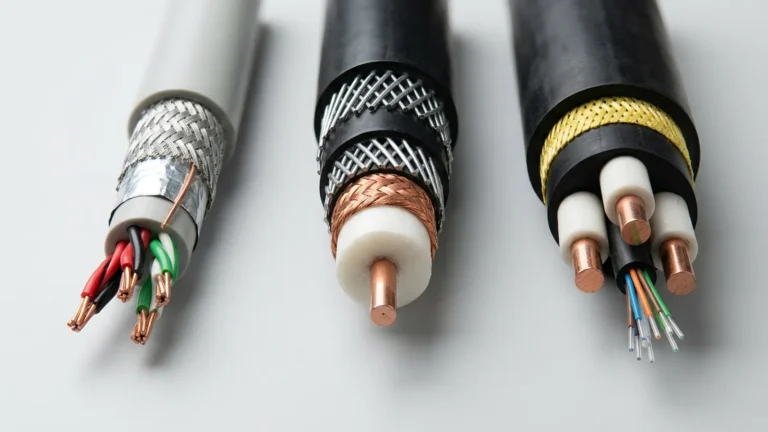
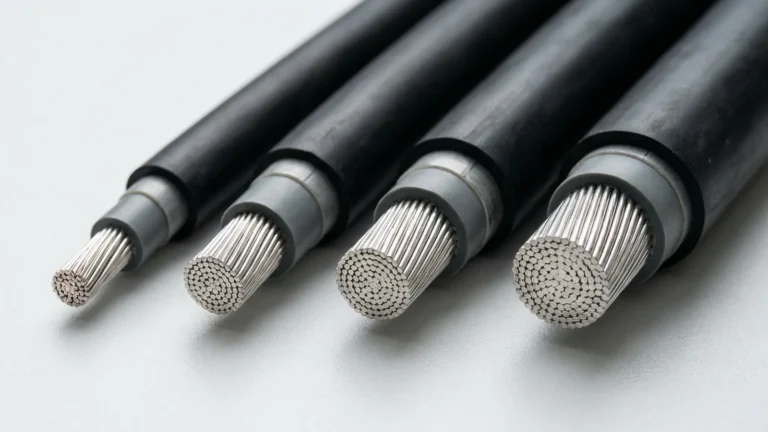
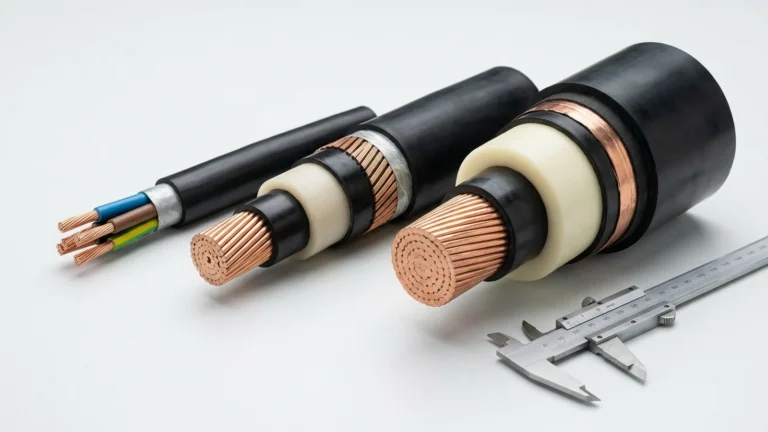
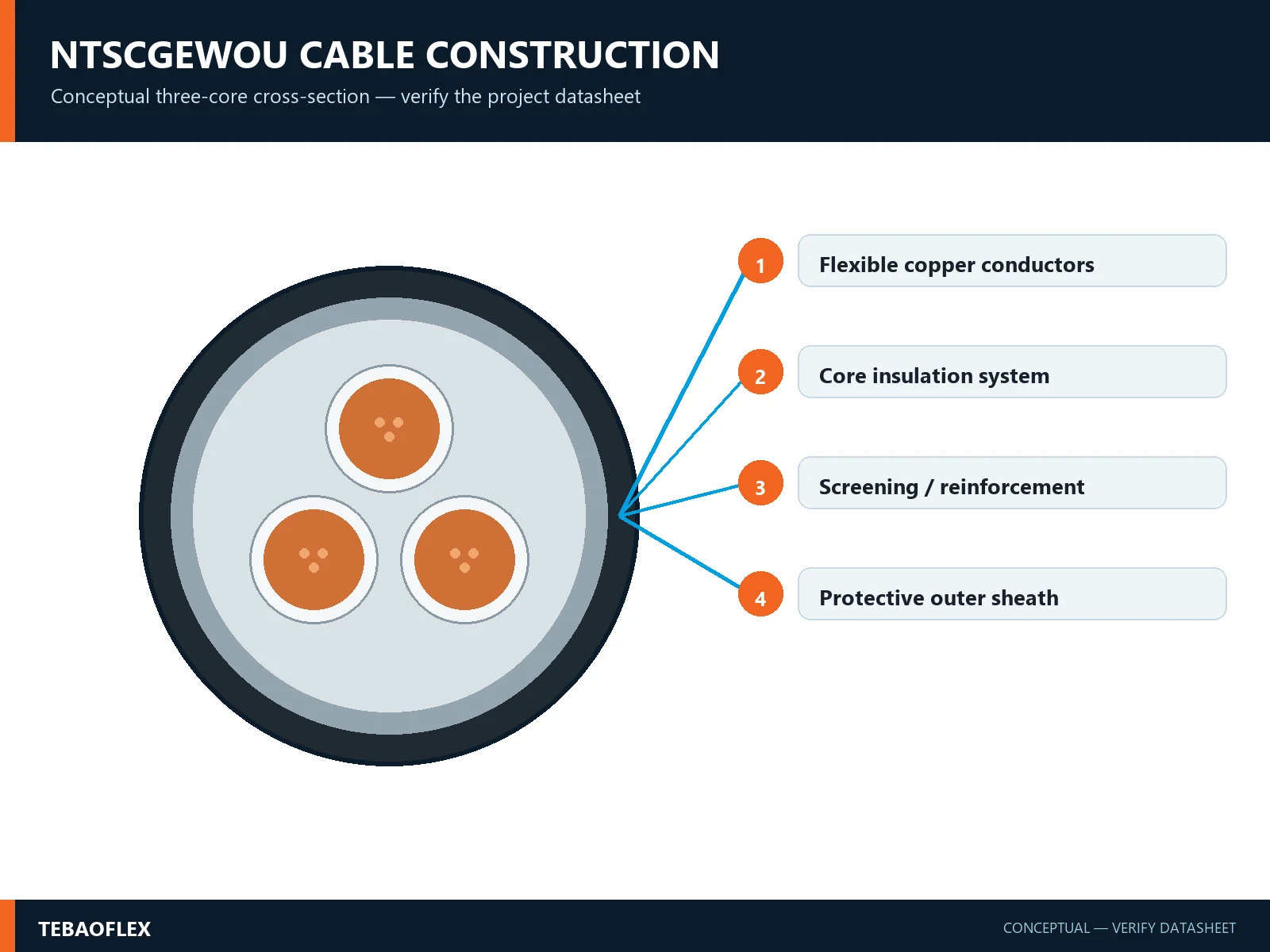
A mining trailing cable may combine flexible conductors, insulated power cores, protective conductor arrangements, screens or semiconductive layers, reinforcement and an outer sheath. The applicable construction depends on the selected design and voltage class. Do not copy one configuration into every project: core arrangement, conductor size, earth-conductor requirement and protective elements must match the equipment’s approved electrical design.
For the NTSCGEWOU family, the associated NTSCGEWOU flexible trailing cable product page should be used as the reference for the available product construction and stated specification. If the project needs a particular voltage rating, conductor size, core configuration, screen or reinforcement, include those requirements in the enquiry. The supplier can then confirm the suitability of the selected construction rather than assuming that a product-family name covers every variant.
Electrical and System Information Matters
Start with the equipment’s electrical requirements: operating voltage, load information, conductor size, number of power cores, protective conductor arrangement and any control, monitoring or communication circuits. A cable may be required to supply power only, or it may need additional functions integrated into the connection. State these functions clearly before requesting a quotation.
Where screening is required, explain the circuit type, the nearby equipment and the machine’s grounding or termination method. Screening is not a general upgrade; it must be coordinated with the system design. Likewise, a specified standard should be stated exactly as required by the project. The cable’s product documentation determines whether a particular construction is identified against that standard and under which conditions it applies.
Movement, Reeling and Route Conditions
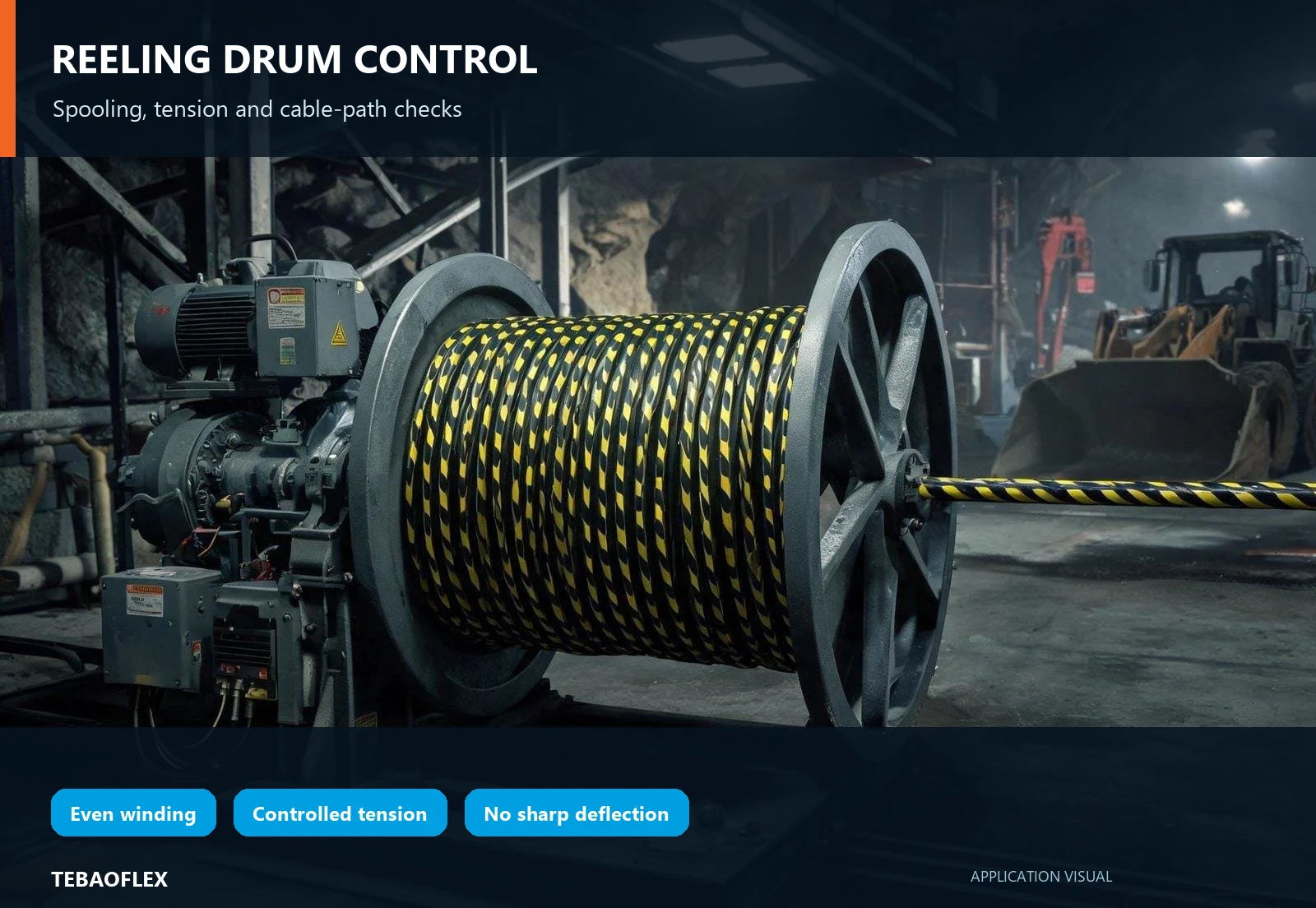
Mining cable performance is strongly influenced by installation. For a reeled route, document the drum type, cable guide, installed length, travel, cable layers and any tension-management arrangement. For a dragged route, describe the ground surface, obstacles, contact points, support method and how the cable is protected from vehicle traffic or sharp edges. For underground work, identify the route through the tunnel, support locations, water or dust exposure and access for inspection.
Do not assume that a cable specified for one movement pattern will suit another. A trailing cable on prepared ground, a cable on a controlled reel and a cable routed near a tunnel-boring machine may face materially different conditions. The route should be reviewed with the equipment layout and the relevant product data before installation.
Environmental Inputs for Mining and Tunnelling
Mining environments can involve abrasion, moisture, dust, oils, process fluids, sunlight, temperature changes and mechanical contact. The relevant question is what the cable actually encounters during the operating cycle. Record the substance or condition, where contact occurs, how often it occurs and whether the cable is protected by guides, covers or supports.
A general statement that a cable is suitable for “harsh conditions” is not enough to confirm compatibility with a particular mine or tunnel. Any claims regarding oil, chemical, weather, flame or temperature performance must be checked against the relevant selected product documentation and the project’s required standard. This protects the purchaser from applying a generic statement to a duty it was not intended to cover.
NTSCGEWOU Mining Cable Project Checklist
Use the following checklist to prepare a project enquiry. It is designed to organize the technical inputs; it does not replace the approved equipment specification or the cable product datasheet.
| Project input | Why it matters | Information to provide |
|---|---|---|
| Equipment and application | Defines the power connection and expected cable duty. | Excavator, TBM, conveyor, crane, mobile machine or other equipment. |
| Electrical function | Determines core configuration and conductor requirement. | Voltage, load information, conductor size, power cores, earth, control or monitoring needs. |
| Movement and route | Supports review of mechanical duty and installation method. | Trailing, reeling, guided travel, route drawing, installed length and equipment travel. |
| Reel information | Needed where the cable winds and unwinds. | Drum type, guide arrangement, cable layers, tension control and available bend space. |
| Environment | Informs review of outer protection and installation safeguards. | Ground condition, dust, water, oil, chemicals, UV, abrasion points and temperature conditions. |
| Project requirements | Supports an accurate technical and commercial review. | Required standards, drawings, marking, termination, quantity and delivery requirements. |
Common Selection Mistakes
Selecting from voltage alone
Voltage and conductor size are essential, but they do not define a moving mining route. Include the equipment, route, motion and environmental details before comparing a cable construction.
Using “trailing” and “reeling” as interchangeable terms
Both involve movement, but the actual mechanical duty can differ. A cable drum arrangement requires information about winding, guiding and tension; a dragged route needs terrain and protection information.
Leaving earth and monitoring requirements until late in the enquiry
Power cores, protective conductors, control cores and monitoring elements must be identified at the beginning so the full construction can be reviewed correctly.
Applying generic environmental claims to a specific mine
Record the actual contaminants and exposure conditions. Confirm the selected product’s documented suitability rather than relying on a broad statement about mining use.
Related NTSCGEWOU Resources
For focused technical review, see the NTSCGEWOU technical specifications guide. Application context is covered in the NTSCGEWOU mining and tunnelling applications guide, while the NTSCGEWOU mining cable selection guide helps organize a more detailed project comparison. Where an alternative construction is under consideration, review the NTSCGEWOU vs NTSCGEWOEU comparison against the actual application rather than by name alone.
Installation handover and inspection
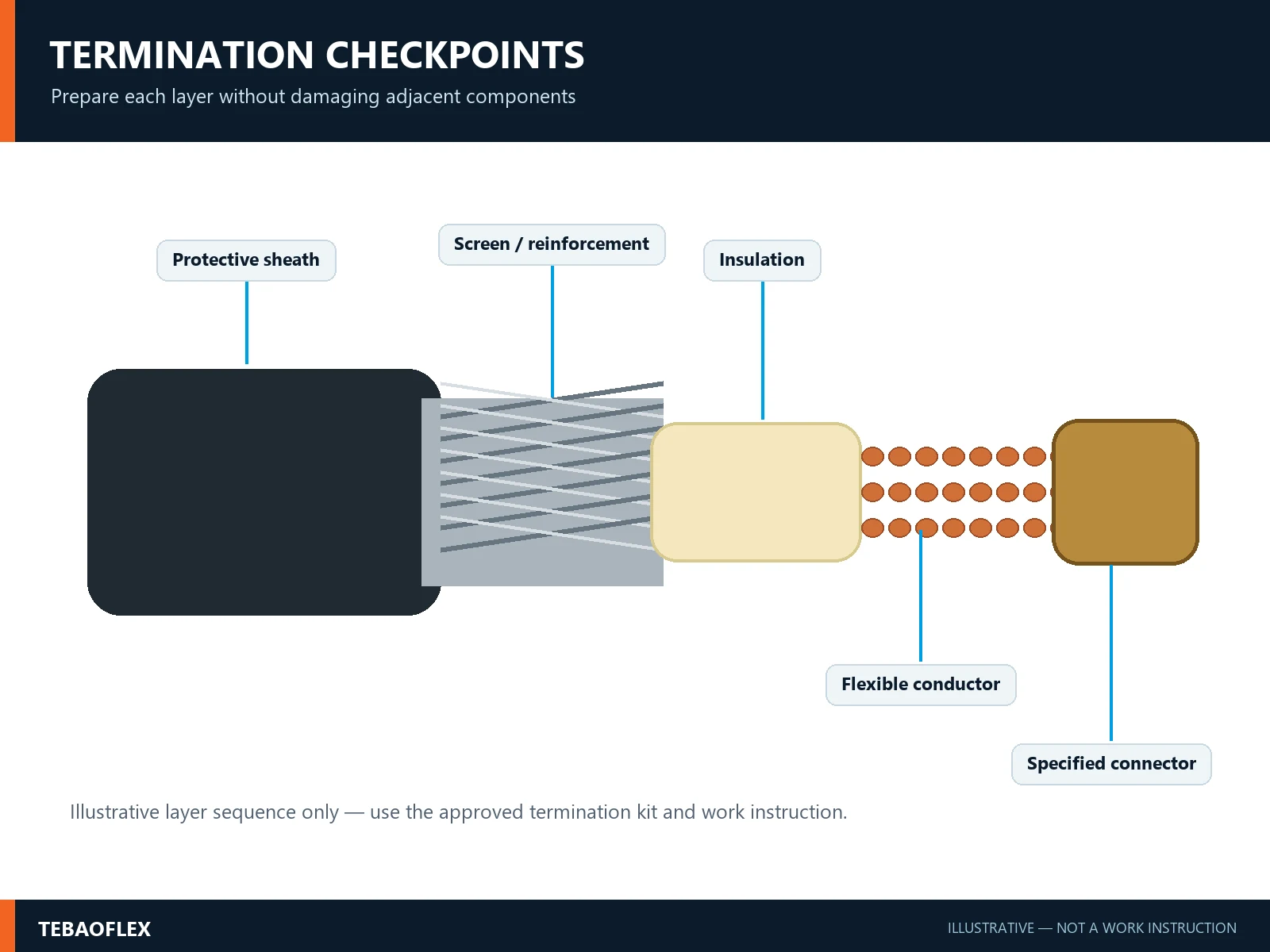
Before commissioning, confirm the approved route, cable length, drum or guide layout, termination orientation and marking against the project documents. Record the installed cable identification and visible protection points. This provides maintenance teams with a baseline for routine inspection and helps identify whether a later issue relates to the cable, the route or the equipment arrangement.
FAQ: NTSCGEWOU Flexible Trailing Cable
What is NTSCGEWOU flexible trailing cable used for?
It is used for mining and tunnelling applications where mobile equipment requires a flexible medium-voltage power connection. Confirm the exact product variant and intended use against the product documentation.
Can NTSCGEWOU cable be used on a reel?
Reel suitability depends on the specific cable construction and the actual drum arrangement. Provide the reel, route and movement details for a technical review.
What electrical information should a buyer provide?
Provide voltage, load or power information, conductor size, core count, protective conductor requirement and any control, monitoring or screening need.
How should buyers describe the mining environment?
State whether the route is open-pit or underground, whether the cable is dragged, reeled or guided, and the actual exposure to moisture, dust, fluids, abrasion and temperature conditions.
Can TEBAOFLEX review a customized mining cable enquiry?
TEBAOFLEX CABLE can review project-specific requirements for mining, tunnelling and mobile equipment cables. A clear RFQ supports a more accurate recommendation.
Specify the Project, Not Just the Cable Name
Effective NTSCGEWOU flexible trailing cable selection connects the cable to the real mining project: electrical function, movement, reel or route, environment and installation method. Defining these inputs early gives engineering and procurement teams a stronger basis for comparing suitable cable constructions.
Need help selecting a cable for mining or tunnelling equipment? Send TEBAOFLEX CABLE your application, voltage, conductor size, number of cores, movement, route or reel details, installation environment, required standards and quantity. Our engineering team can review the requirements and recommend a suitable cable solution. Contact TEBAOFLEX CABLE to discuss your mining cable requirement.