
When specifying portable power cables for industrial environments, understanding the complete SOOW SJOOW portable cord specifications is essential for ensuring safety, compliance, and long-term performance. These rubber-jacketed portable cords are among the most widely used cable types in North American industrial, construction, and commercial applications — but the differences between SOOW and SJOOW ratings are frequently misunderstood, leading to costly selection errors.
This guide provides a detailed technical breakdown of SOOW and SJOOW portable cord construction, materials, electrical ratings, and performance characteristics to help engineers and procurement teams make informed specification decisions.
Understanding SOOW and SJOOW Cable Designations
The letter codes in SOOW and SJOOW designations follow the UL 62 standard for flexible cords and cables. Each letter carries a specific technical meaning:
- S — Service cord (extra-hard usage for SOOW, junior hard usage for SJOOW)
- O — Oil-resistant jacket (first O)
- O — Oil-resistant insulation (second O)
- W — Water and moisture resistant
- SJ — Junior service (indicates 300V rating vs 600V for S-type)
The critical distinction is voltage rating: SOOW is rated for 600V while SJOOW is rated for 300V. This single difference affects conductor sizing, application scope, and overall cable dimensions.
Cable Construction and Materials
Conductor Construction
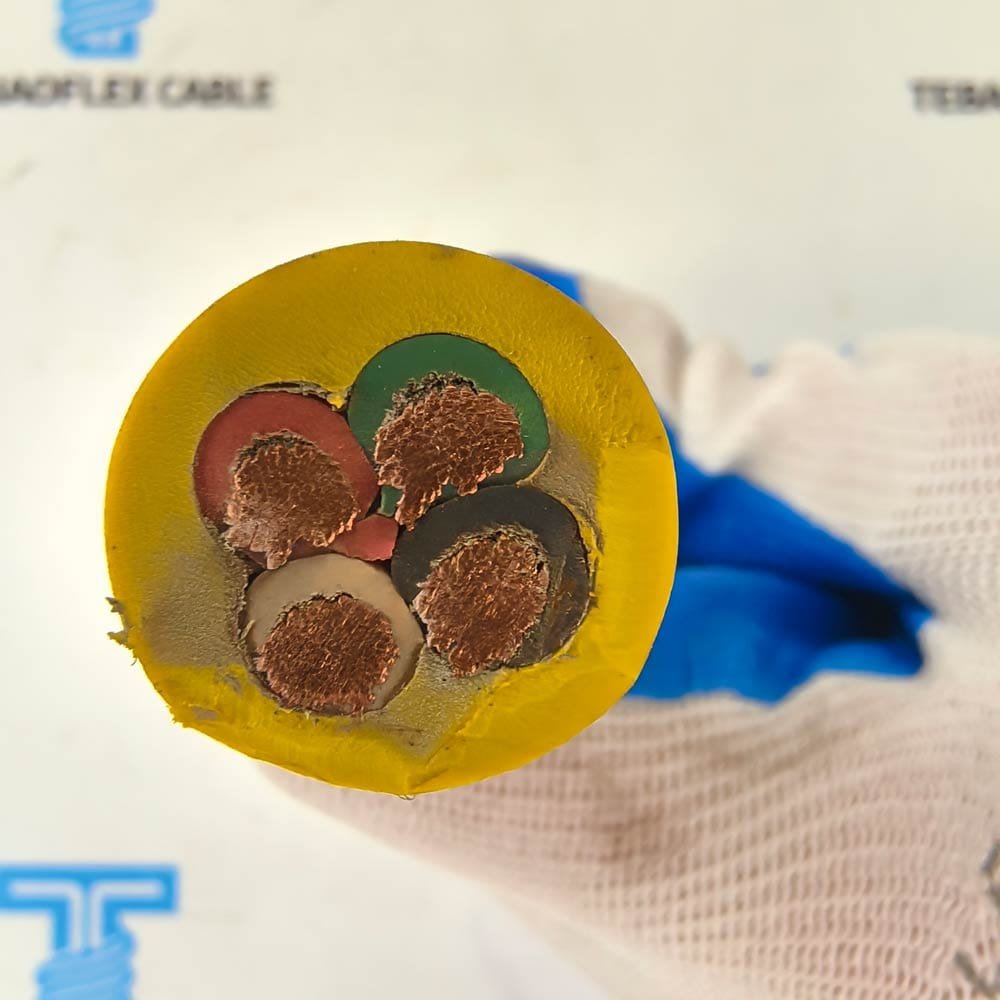
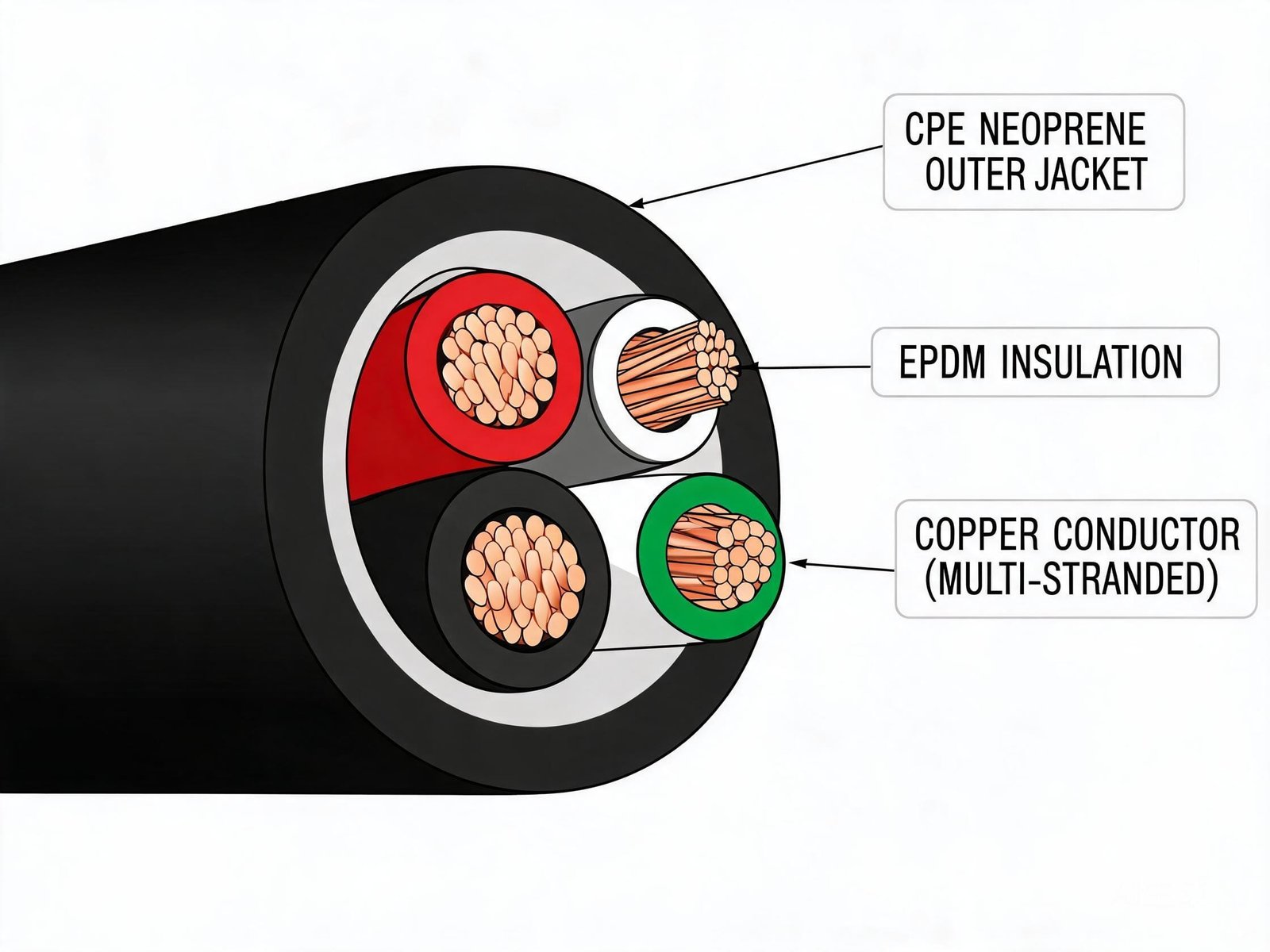
Both SOOW and SJOOW portable cords use annealed stranded copper conductors that comply with ASTM B-174 and B-33 standards. The stranding provides the flexibility required for portable applications where cables are frequently moved, coiled, and uncoiled. Conductors are typically Class K (rope-lay stranding) for larger AWG sizes, ensuring excellent flex life in demanding service conditions.
Insulation and Jacket Materials
The insulation and jacket materials determine the cable’s environmental resistance:
- Insulation: EPDM (Ethylene Propylene Diene Monomer) rubber compound — provides excellent electrical properties, heat resistance, and flexibility at low temperatures
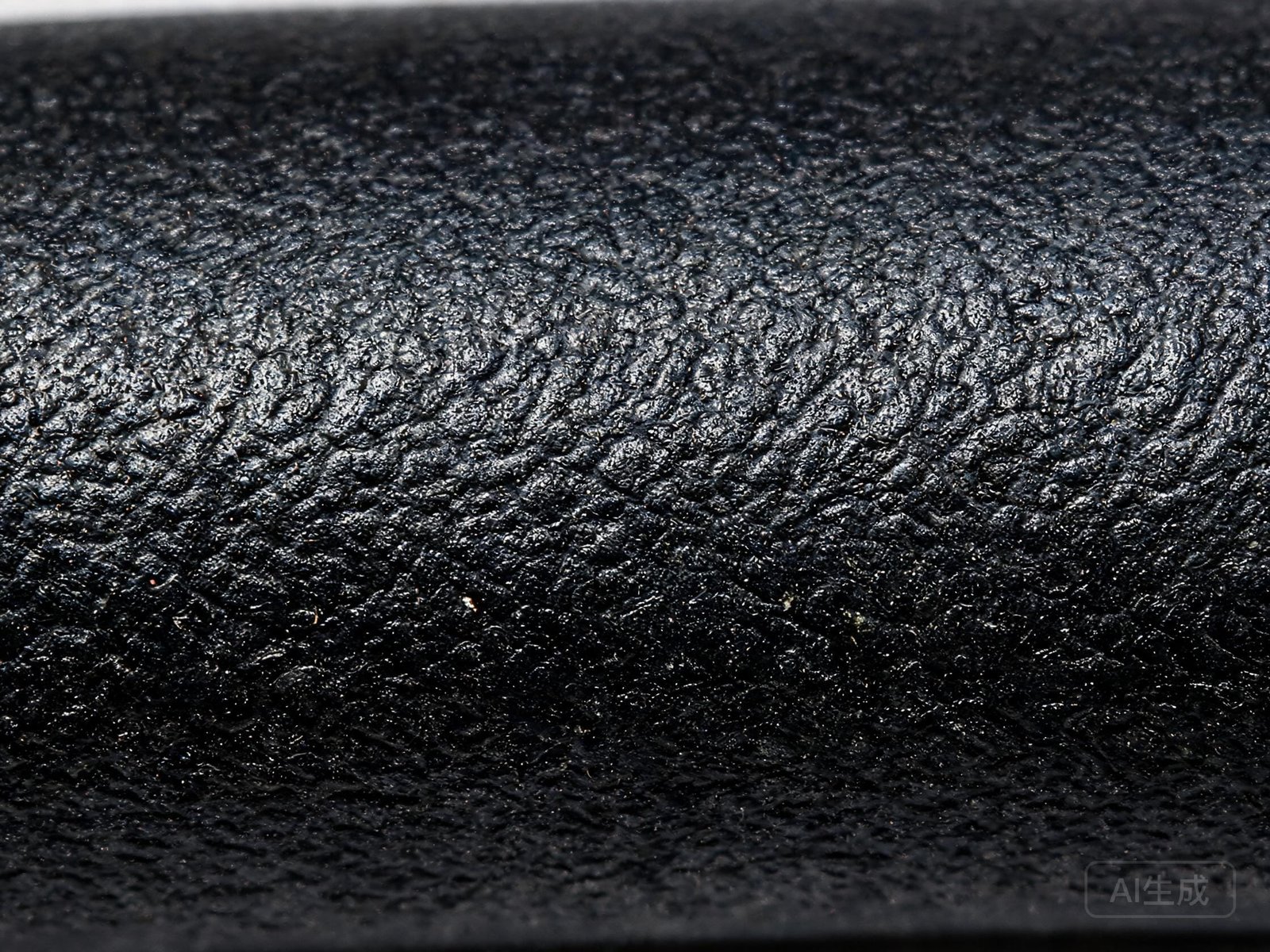
- Jacket: Thermoset elastomer — typically a polychloroprene (neoprene) or CPE (Chlorinated Polyethylene) compound that offers superior resistance to abrasion, oil, water, and sunlight
The “OO” designation means both insulation and jacket are oil-resistant, making these cords suitable for industrial environments where oil and chemical exposure is common. For applications requiring specific chemical resistance ratings, check our certifications and compliance documentation.
Key Technical Specifications
Voltage and Temperature Ratings
| Parameter | SOOW | SJOOW |
|---|---|---|
| Voltage Rating | 600V AC | 300V AC |
| Temperature Range | -40°C to 90°C | -40°C to 90°C |
| Standard | UL 62 / CSA C22.2 | UL 62 / CSA C22.2 |
Both cable types share the same temperature range, meaning cold-weather flexibility and high-temperature performance are comparable. The primary differentiator remains the voltage rating, which determines the maximum operating voltage of the connected equipment.
Available Conductor Configurations
SOOW and SJOOW portable cords are available in a wide range of conductor sizes and core counts:
- SOOW: 2 to 5 conductors, AWG sizes from 18 AWG to 2 AWG
- SJOOW: 2 to 6 conductors, AWG sizes from 18 AWG to 10 AWG
For applications requiring higher current capacity or longer runs, larger conductor sizes in the SOOW family provide the necessary ampacity. Our portable cord product range includes standard and custom configurations to meet specific project requirements.
Performance Characteristics
Mechanical and Environmental Resistance
The thermoset rubber jacket on SOOW and SJOOW cables provides several key performance advantages over thermoplastic alternatives:
- Abrasion resistance: The neoprene/CPE jacket withstands mechanical wear from being dragged across concrete, metal, and rough surfaces
- Oil resistance: Suitable for use in machine shops, factories, and garages where oil and grease are present
- Water resistance: The “W” designation indicates suitability for wet locations and outdoor exposure
- Sunlight resistance: The jacket compound includes UV inhibitors for extended outdoor service life
- Cold-temperature flexibility: Remains flexible at -40°C, preventing jacket cracking in winter conditions
Flexibility and Bending Performance
The rope-lay stranding and rubber insulation system gives SOOW and SJOOW cords exceptional flexibility compared to PVC-jacketed alternatives. This flexibility translates to easier handling on job sites, reduced fatigue at connector points, and longer service life in applications involving frequent cable movement.
Applicable Standards and Certifications
SOOW and SJOOW portable cords manufactured by TEBAOFLEX CABLE are produced in compliance with:
- UL 62: Standard for Flexible Cords and Cables
- CSA C22.2 No. 49: Canadian standard for flexible cords and cables
- FT-2: Horizontal flame test rating
- RoHS compliant: Free from hazardous substances per EU directive
Always verify that the cable you select carries the appropriate UL listing mark for your application. If you need detailed compliance documentation for your project, learn more about our custom cable manufacturing services.
Common Specification Mistakes
- Confusing SOOW with SJOOW voltage ratings: Selecting SJOOW (300V) for equipment that requires 600V rated cable creates a safety hazard and code violation
- Overlooking temperature requirements: While both types are rated for -40°C to 90°C, verify that the specific application does not exceed these limits
- Underestimating conductor sizing: Always calculate ampacity based on the actual load, run length, and ambient temperature derating factors
- Ignoring environmental exposure: If oil resistance is not required, standard SOW cords may suffice — but for industrial use, the OO designation is recommended
Conclusion
Understanding SOOW SJOOW portable cord specifications — from conductor construction and insulation materials to voltage ratings and environmental resistance — is fundamental to selecting the correct cable for any portable power application. The UL 62 standard provides a consistent framework for specifying these cords, but the technical details of construction, materials, and performance must be matched to the specific application requirements.
For projects requiring portable cords that meet UL 62 standards with reliable performance in demanding industrial environments, TEBAOFLEX SOOW and SJOOW portable cords offer a proven solution with full compliance documentation.
Frequently Asked Questions
What does the “W” in SOOW stand for?
The “W” designation indicates that the cable is water and moisture resistant, making it suitable for wet locations and outdoor use. This rating is defined under the UL 62 standard for flexible cords.
Can I use SJOOW cable for 600V applications?
No. SJOOW is rated for 300V maximum. Using it on circuits exceeding 300V is a safety violation and code non-compliance. For 600V applications, select SOOW cable instead.
What is the minimum bending radius for SOOW cable?
The minimum bending radius for portable cords is typically 4 to 5 times the cable outside diameter. However, always consult the manufacturer’s published specifications for the specific cable size and construction, as values may vary.
Is SOOW cable suitable for outdoor use?
Yes. The “W” in SOOW indicates water resistance, and the thermoset rubber jacket includes UV inhibitors, making it suitable for outdoor and wet-location applications per the National Electrical Code (NEC).
What conductor sizes are available in SOOW portable cord?
SOOW portable cord is commonly available in conductor sizes from 18 AWG to 2 AWG, with 2 to 5 conductors. Larger sizes and custom configurations may be available — contact the manufacturer for specific requirements.
How does SOOW compare to Type W cable?
SOOW is rated 600V with rubber insulation and jacket, designed for portable power. Type W is also rated 600V but typically has larger conductor sizes and is designed for heavier industrial and mining applications. For more details on heavy-duty options, explore our industrial cable applications.
Need help selecting the right SOOW or SJOOW cable for your equipment? Contact us or Request a Quote.
Send us your application/equipment, voltage, conductor size, number of cores, cable movement, installation environment, required standards, and required quantity — our engineering team will review and recommend a suitable cable solution.