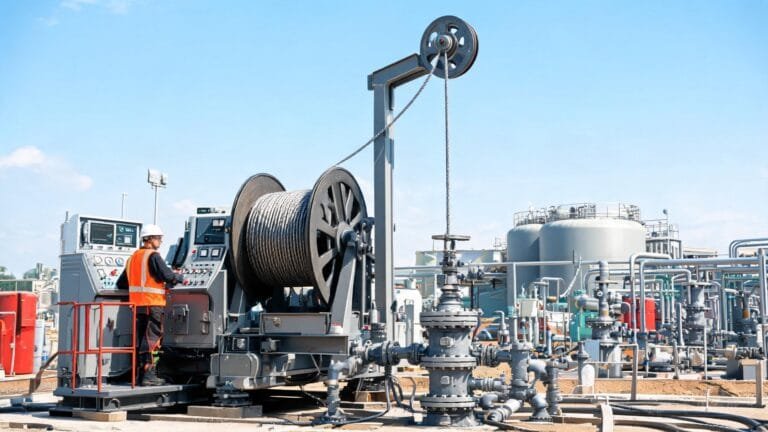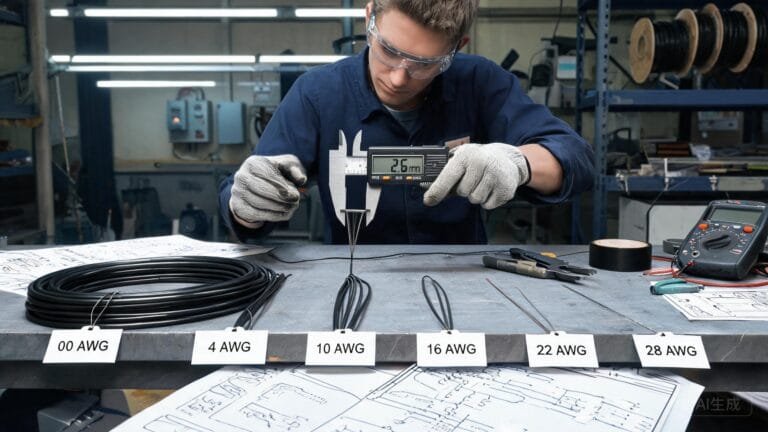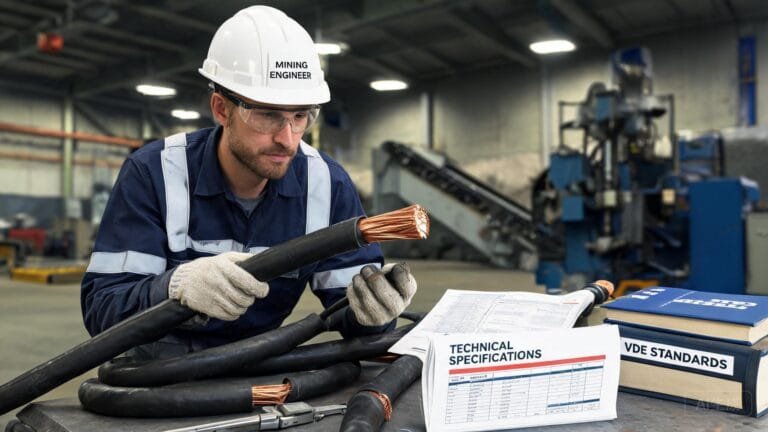

SOOW SJOOW cable applications span a remarkably broad range of industrial and commercial environments where portable, flexible, and durable power delivery is required. From construction sites to factory floors, these rubber-jacketed portable cords provide the reliable electrical connection that keeps equipment running in conditions that would rapidly degrade standard cabling.
This guide examines the primary SOOW and SJOOW portable cord applications, helping engineers and maintenance teams understand where each cable type excels and how to match the correct cord to the operating environment.
Why SOOW and SJOOW for Portable Power Applications
The design of SOOW and SJOOW cables directly addresses the demands of portable power delivery. The thermoset rubber jacket resists abrasion from being dragged across rough surfaces, while the oil-resistant insulation and jacket compounds tolerate exposure to lubricants, fuels, and chemicals common in industrial settings. The “W” rating confirms water resistance for outdoor and wet-location use.
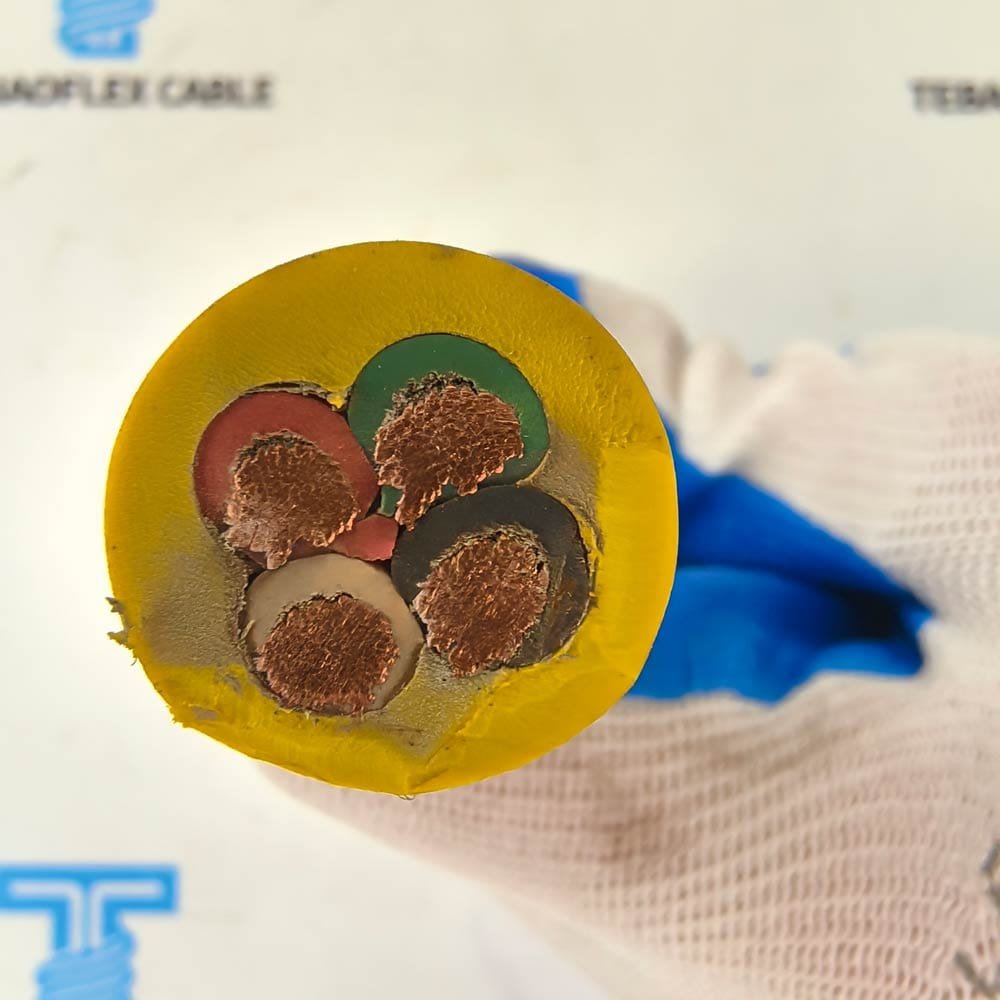
Compared to thermoplastic alternatives like STO or STTW, the rubber-jacketed SOOW and SJOOW provide superior cold-temperature flexibility (rated to -40°C), better abrasion resistance, and longer flex life. For a comprehensive overview of our industrial cable product range, including portable and flexible cord options, the product catalog provides detailed specifications.
Primary SOOW SJOOW Cable Applications
Construction Site Power Distribution
Construction sites represent one of the largest application areas for SOOW portable cord. The 600V rating of SOOW makes it suitable for connecting temporary power panels, distribution boxes, and heavy equipment operating at higher voltages. Cables are routinely subjected to mechanical abuse, weather exposure, and being run over by vehicles — the rubber jacket’s abrasion resistance is essential in this environment.
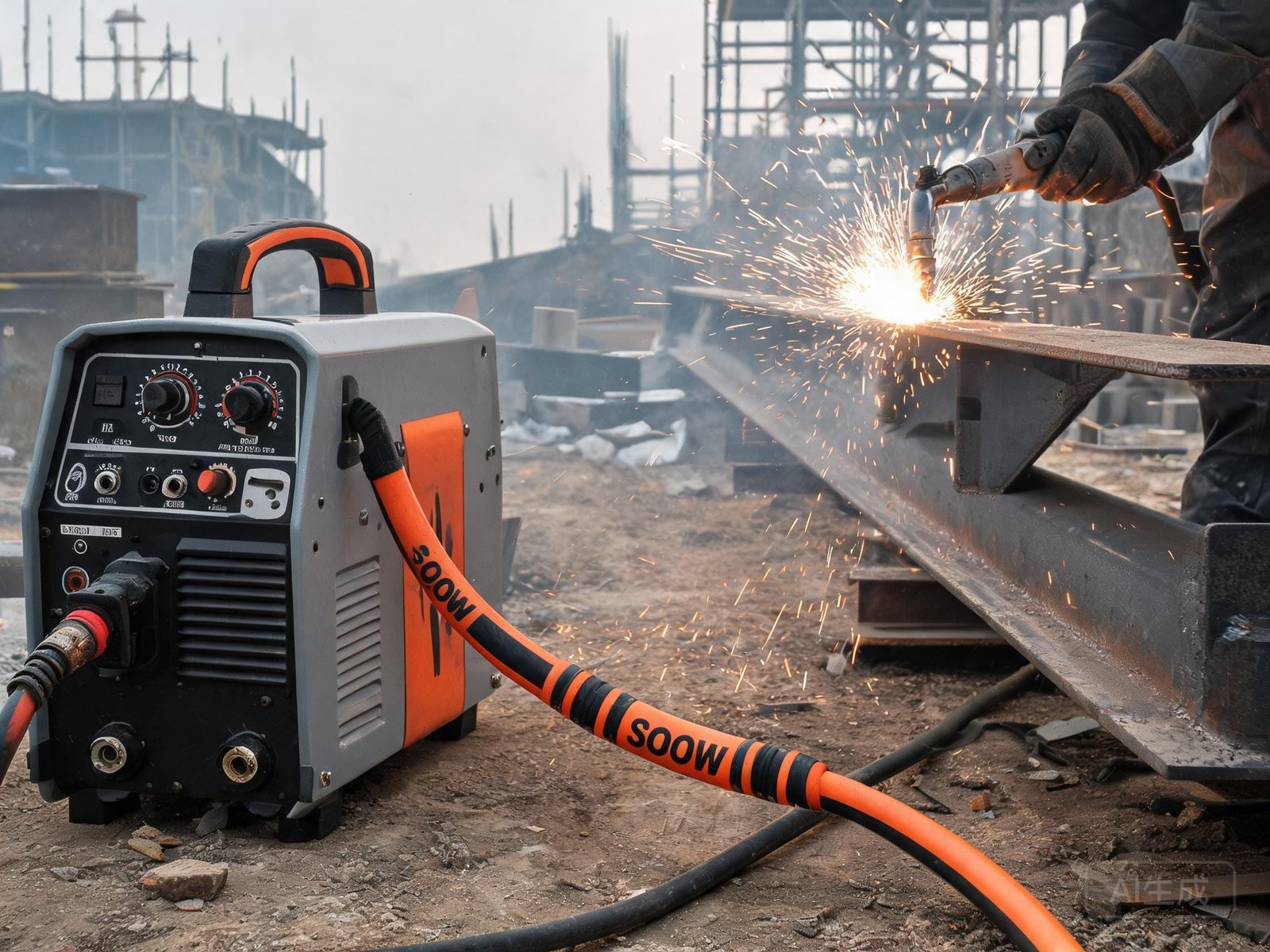
Common construction applications include:
- Temporary power distribution panels and spider boxes
- Welding machine power connections
- Portable lighting towers
- Concrete mixers and vibrators
- Pumps and dewatering equipment
Industrial Workshop and Factory Floor
Inside industrial facilities, SJOOW cables are frequently used for 300V-rated equipment connections, while SOOW handles higher-voltage machinery. The oil-resistant jacket is particularly valuable in metalworking shops, automotive repair facilities, and food processing plants where lubricants and process fluids are present.
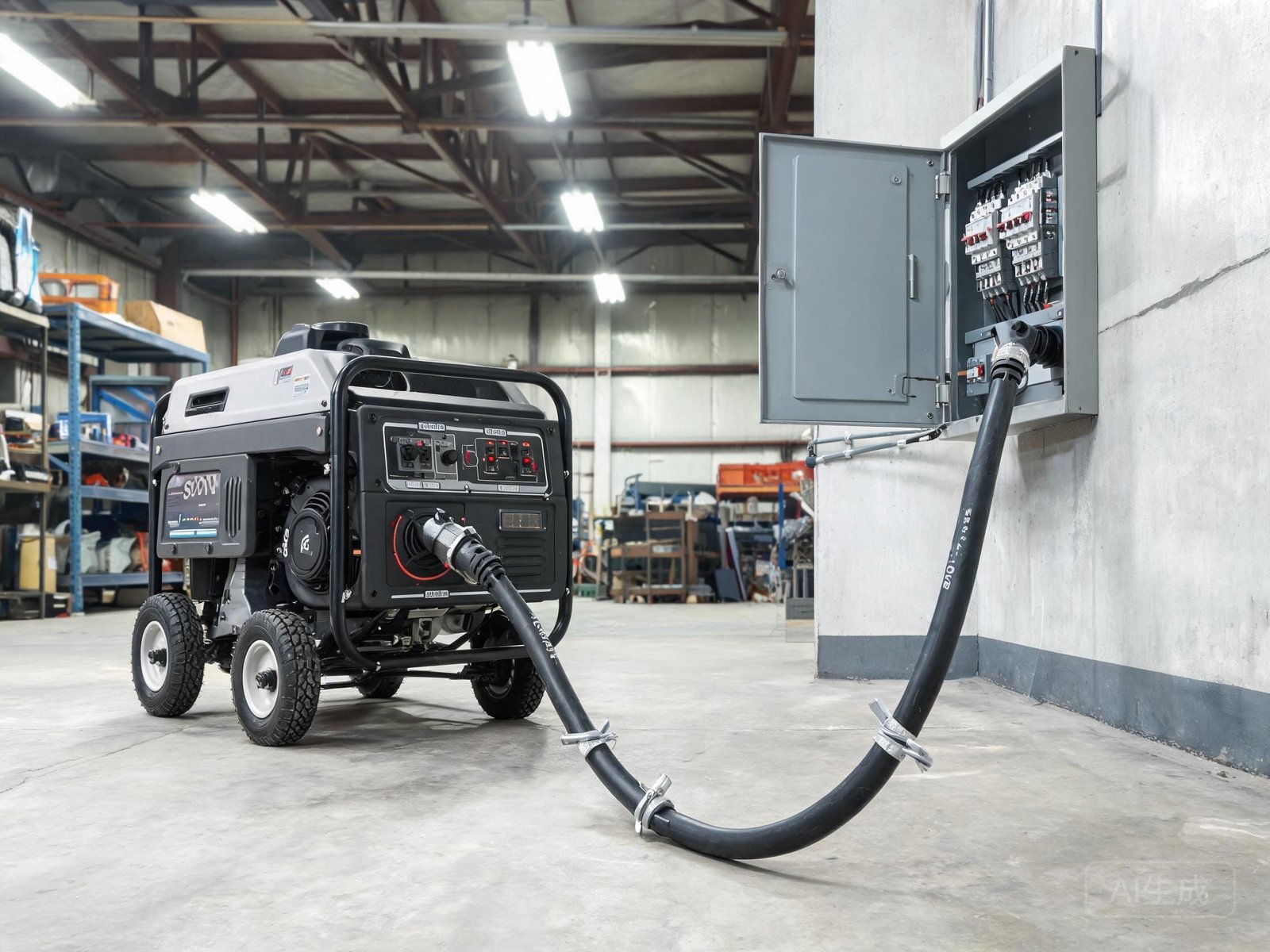
Typical industrial applications include:
- Portable tool stations and bench equipment
- Generator connections and backup power tie-ins
- Machinery relocation and temporary setups
- Maintenance and repair equipment
- Process equipment that requires portable connectivity
Portable Generator and Temporary Power
Both SOOW and SJOOW are widely used to connect portable generators to distribution panels, transfer switches, and direct-use equipment. The cable’s flexibility allows easy coiling for transport, while the durable jacket withstands the mechanical stress of frequent connection and disconnection cycles.
Entertainment and Event Production
The entertainment industry relies heavily on SOOW and SJOOW cables for stage power distribution, lighting rigs, and sound system connections. The cables must withstand being walked on, exposed to weather, and repeatedly deployed and recovered — applications where the rubber jacket’s durability provides significant advantages over PVC alternatives.
Marine and Dockside Applications
The water-resistant “W” rating makes SOOW suitable for dockside power connections, boat shore power cords, and marine repair facility wiring. However, for permanent marine installations, dedicated marine and offshore cable solutions may provide superior long-term saltwater and UV resistance.
Selecting Between SOOW and SJOOW by Application
When to Choose SOOW (600V)
- Equipment operating at 480V or 600V
- Heavy-duty industrial machinery connections
- Construction site power distribution
- Welding equipment at higher voltages
- Generator connections for larger loads
When to Choose SJOOW (300V)
- Equipment operating at 120V or 240V
- Light-duty portable tool connections
- Indoor workshop equipment
- Smaller portable generators
- Applications where 300V rating is sufficient
Environmental Factors Affecting Cable Performance
When selecting SOOW or SJOOW cable for a specific application, consider these environmental factors:
- Temperature: Both types are rated -40°C to 90°C. In extremely cold environments, the rubber jacket remains flexible, reducing the risk of cracking during cable handling.
- Oil and chemical exposure: The “OO” designation ensures both insulation and jacket resist common industrial oils and solvents.
- Moisture: The “W” rating confirms suitability for wet locations. However, continuous submersion is not recommended.
- UV exposure: The thermoset rubber jacket includes UV inhibitors, but extended direct sunlight exposure will eventually degrade any rubber compound.
- Mechanical stress: For applications involving cable reels or frequent reeling, verify that the cable’s bending radius and flex life are appropriate. Our cable engineering services can provide detailed flex-life data.
Installation Best Practices
- Use cable ramps or protective covers where cables cross vehicle traffic areas
- Avoid tight bends — maintain minimum 4-5× cable diameter bending radius
- Use proper strain relief at connector points to prevent conductor fatigue
- Inspect jackets regularly for cuts, abrasions, and swelling from chemical exposure
- Store coiled cables on reels to prevent kinking and tangling
Conclusion
SOOW SJOOW cable applications extend across construction, industrial, entertainment, and marine environments where portable, flexible, and durable power connections are required. The key to successful application lies in matching the cable type (600V SOOW vs 300V SJOOW) to the equipment voltage, and ensuring the environmental resistance properties align with the operating conditions.
For applications requiring specialized cable solutions — including custom conductor configurations, extended temperature ranges, or specific certification requirements — TEBAOFLEX CABLE offers SOOW and SJOOW portable cords manufactured to UL 62 standards with full compliance documentation.
Frequently Asked Questions
Can SOOW cable be used indoors?
Yes, SOOW cable can be used indoors. While it is designed for outdoor and wet-location use, its oil and abrasion resistance also makes it an excellent choice for industrial workshop environments where these hazards are present.
Is SJOOW suitable for outdoor use?
Yes. The “W” designation in SJOOW means it is water-resistant and suitable for outdoor and wet-location applications, same as SOOW. The difference is the 300V voltage rating, not the environmental resistance.
Can I use SOOW cable for shore power connections?
SOOW cable can be used for temporary shore power connections due to its water and oil resistance. For permanent marine installations, dedicated marine-certified cables are recommended for better long-term saltwater and UV resistance.
What is the typical service life of SOOW cable on construction sites?
Service life varies significantly based on usage conditions, frequency of handling, and environmental exposure. Regular visual inspection of the jacket for cuts, abrasions, and chemical damage is the best indicator for cable replacement timing.
Are SOOW and SJOOW cables flame retardant?
Yes. SOOW and SJOOW cables manufactured to UL 62 standards carry an FT-2 horizontal flame test rating, indicating resistance to flame propagation. Always verify the specific flame rating on the cable’s marking and documentation.
Need help selecting the right SOOW or SJOOW cable for your application? Contact us or Request a Quote.
Send us your application/equipment, voltage, conductor size, number of cores, cable movement, installation environment, required standards, and required quantity — our engineering team will review and recommend a suitable cable solution.