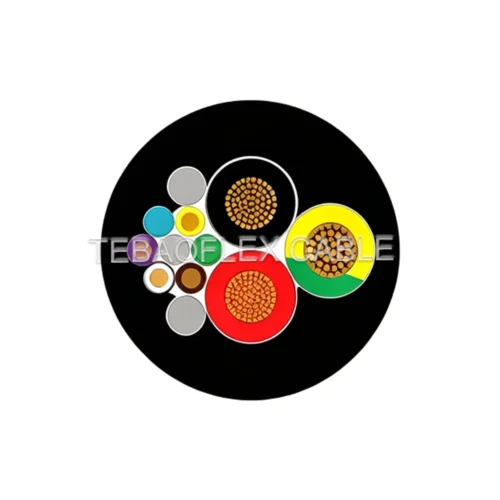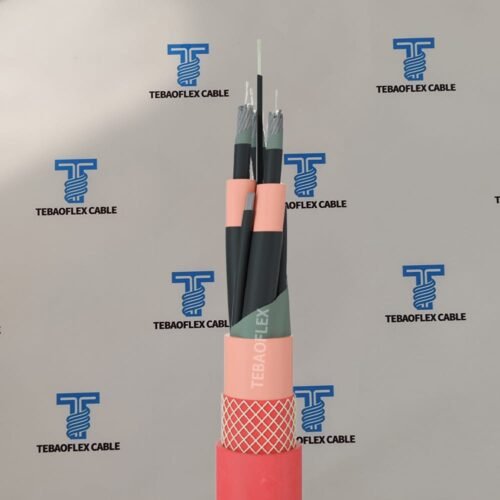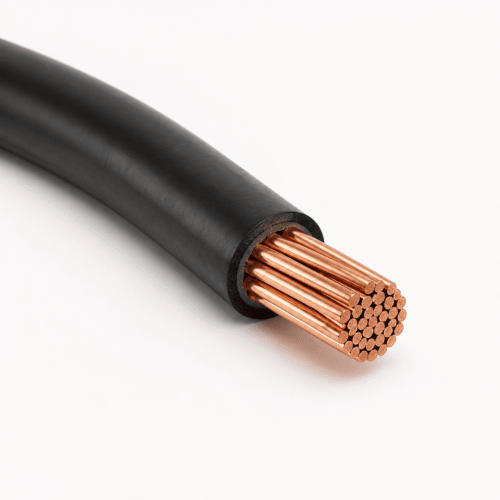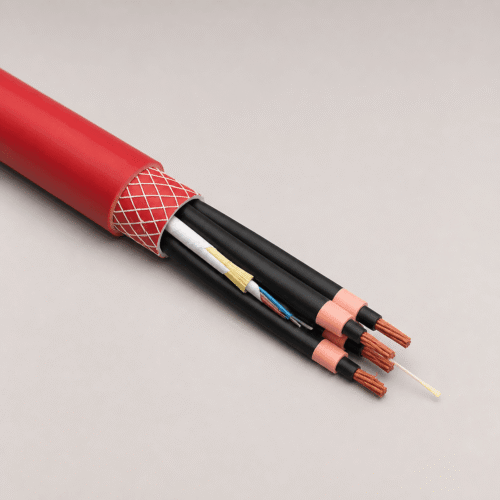
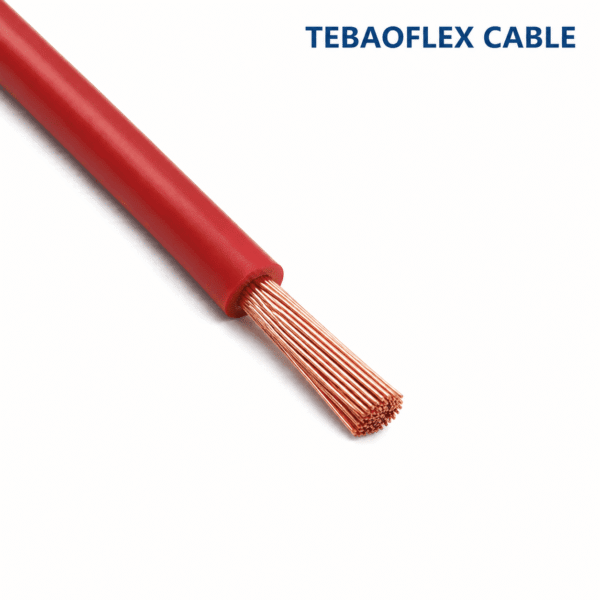
CS-FRNC / ECS-FRNC 180°C flame-resistant silicone wire is a single-core high-temperature cable for 300/500 V installations that require flexible Class 5 conductors and specified flame-resistance characteristics. The product family is available with bare or tinned copper conductors.
Key Features
- Class 5 flexible conductor construction according to IEC 60228.
- Flame-resistant silicone insulation for use from -60 °C to +180 °C.
- 300/500 V rated construction with a 2 kV test voltage.
- Specified for vertical flame propagation resistance in accordance with IEC 60332-1-2 / EN 60332-1-2 and NF C 32-070 test C2.
- Halogen-free, low-corrosivity and low-smoke properties are identified in the source data.
Typical Applications
Suitable for heating appliances, class H rotating machines, lighting installations, and industrial hot areas where a flame-resistant single-core silicone wire is required.
Technical Parameters
| Parameter | Specification |
|---|---|
| Conductor options | Class 5 bare copper (CS-FRNC) or tinned copper (ECS-FRNC) |
| Insulation | Flame-resistant silicone rubber |
| Rated voltage | 300/500 V |
| Test voltage | 2 kV |
| Operating temperature | -60 °C to +180 °C |
| Flame resistance | IEC 60332-1-2 / EN 60332-1-2; NF C 32-070 C2 |
| Reference material standards | IEC 60754-1/-2; IEC 61034-2 |
Selection note: Confirm required conductor finish, section, and applicable project approvals before ordering.
What Is Flame-Resistant 180°C Silicone Wire?
CS-FRNC / ECS-FRNC is a single-core, flame-resistant silicone wire family for high-temperature equipment wiring. CS-FRNC uses Class 5 bare copper and ECS-FRNC uses Class 5 tinned copper. The listed design is rated 300/500 V and references IEC 60332-1-2 / EN 60332-1-2 and NF C 32-070 C2 flame tests.
For procurement and engineering review, TEBAOFLEX can confirm the requested construction against the operating temperature, electrical load, installation space and project documentation before production.
Selection and Ordering Details
- Choose conductor finish, section and colour to match the circuit and termination system.
- State the required flame test, smoke or halogen requirement instead of relying on a generic flame-retardant description.
- Confirm operating temperature, installation method and equipment standard with the enquiry.
Engineering Notes and Usage Limits
- Flame resistance is not the same as circuit integrity during fire and does not make the wire fireproof.
- The wire is single-core and unscreened; additional protection may be required in exposed or EMC-sensitive routes.
- System temperature and current rating remain limited by terminals, enclosures and installation conditions.
Related High-Temperature Cable Options
- CS / ECS 180°C Silicone Insulated Wire
- ECSC-HRD 180°C Sheathed Silicone Power Wire
- View high-temperature and specialty cables
Frequently Asked Questions
What does FRNC mean for this silicone wire?
It identifies the flame-resistant product family and its referenced material and flame-test performance. Exact project requirements should be stated in the RFQ.
What is the difference between CS-FRNC and ECS-FRNC?
CS-FRNC uses Class 5 bare copper; ECS-FRNC uses Class 5 tinned copper.
Is flame-resistant wire fireproof?
No. Flame-spread performance does not mean the wire will maintain circuit operation during a fire. Fire-survival requirements need a separately verified design.
What are the listed electrical ratings?
The listed rating is 300/500 V with a 2 kV test voltage and an operating range from -60°C to +180°C.
What should be included in a quotation request?
Provide conductor section, copper finish, colour, quantity, installation temperature and the exact flame, smoke, halogen or approval requirement.
Send Your Requirements
Send the model or style, conductor size, voltage, temperature, installation conditions, quantity and required test documentation. Our technical team will review the construction before quotation.