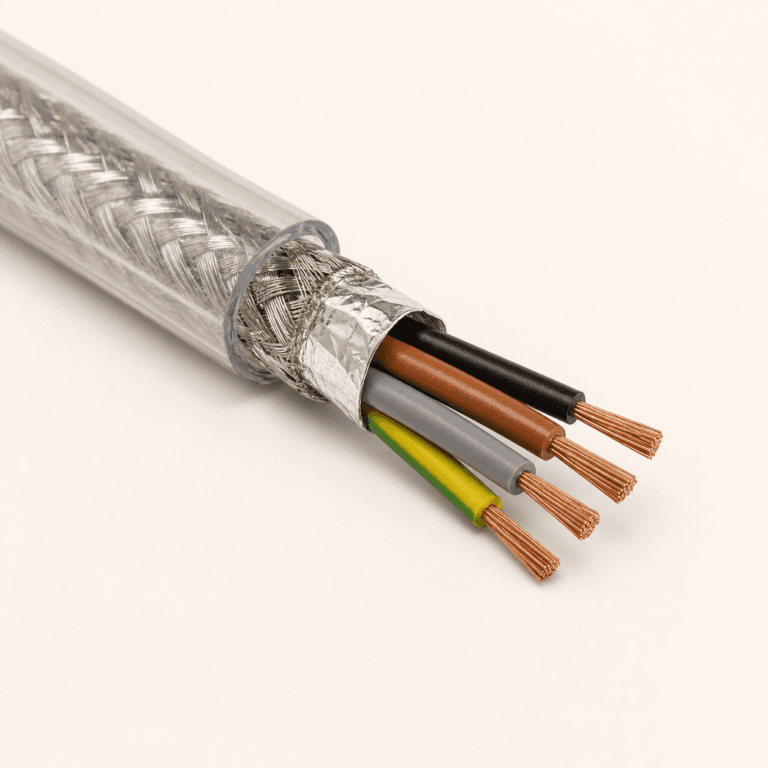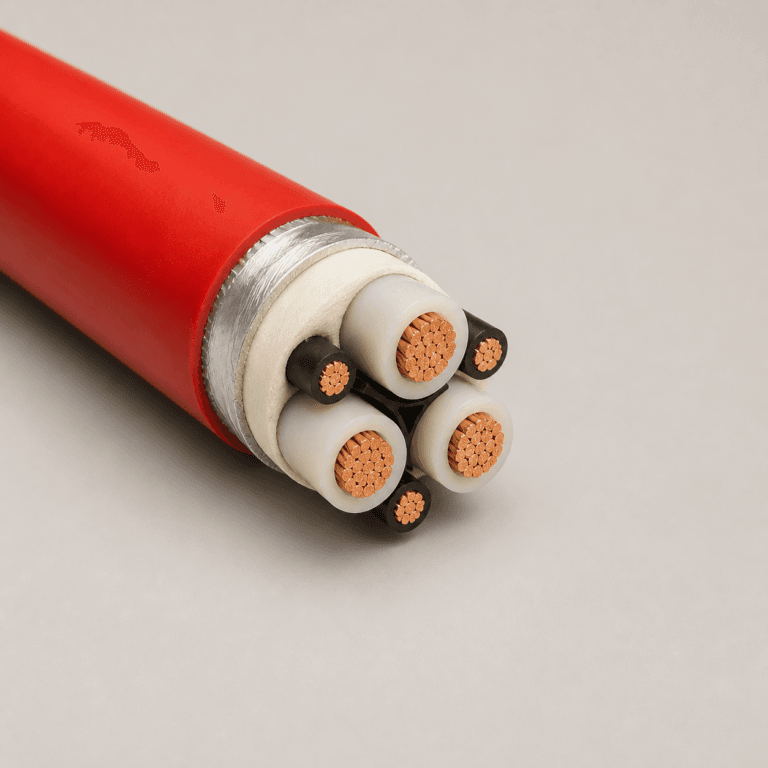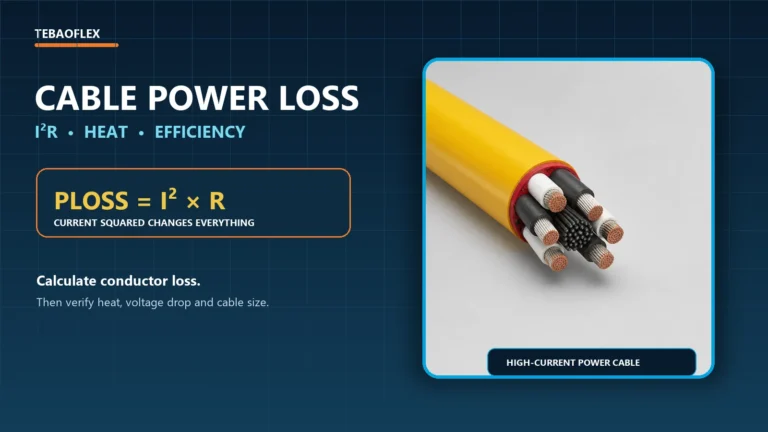

Single ETFE, FEP, PFA and silicone Teflon high-temp wire is used when standard wire insulation cannot reliably handle heat, chemicals or continuous industrial stress. In equipment design, the conductor may sit close to heating elements, control panels, motors, lighting systems or compact wiring spaces where thermal resistance is critical.
Choosing the right high-temperature wire is not only about the maximum temperature rating. Flexibility, dielectric performance, chemical resistance, flame behavior and long-term aging all affect how well the wire performs in actual use.
Why High-Temp Wire Selection Matters
Heat can gradually break down insulation, harden jackets and reduce conductor reliability. If the wire is used near ovens, industrial heaters, hot process machines or tight control enclosures, the wrong material may crack, deform or lose performance much earlier than expected.
That is why ETFE, FEP, PFA and silicone are often chosen for demanding applications. Each material offers a different balance of temperature resistance, flexibility and chemical stability, so the best option depends on the operating environment rather than on temperature alone.
For buyers looking for a dedicated product page, the Single ETFE/FEP/PFA/Silicone High-Temp Wire provides a direct reference for material options, insulation choice and application matching.
ETFE, FEP, PFA and Silicone: What Is the Difference?
- ETFE: Known for toughness, abrasion resistance and good thermal performance in compact wiring spaces.
- FEP: Offers excellent chemical resistance, low friction and stable performance in high-temperature environments.
- PFA: Suitable for more demanding chemical and thermal conditions, often used where premium fluoropolymer performance is needed.
- Silicone: Very flexible across a wide temperature range and often chosen for wiring that must remain soft and easy to route.
For applications that need heat-resistant control wiring rather than only a single high-temp conductor, TEBAOFLEX also offers flexible industrial cable solutions such as the JZ-500 PVC Control Cable and CVV-S Screened Control Cable for control and signal systems that require organized wiring layouts and reliable transmission.
Where Single High-Temp Wire Is Commonly Used
This type of wire is often used in equipment where heat exposure is continuous or unavoidable. Typical applications include industrial ovens, heating equipment, laboratory instruments, automation panels, appliances, machinery wiring, lighting systems and electronic assemblies with tight packaging limits.
- Heating and thermal processing equipment
- Industrial automation enclosures
- Control cabinets and instrumentation panels
- Appliances and electrical heating devices
- Test equipment and laboratory wiring
- Motors, sensors and compact machine assemblies
What Engineers Should Check Before Choosing the Wire
- Maximum operating temperature
- Short-term peak temperature
- Voltage rating
- Conductor size and stranding
- Need for flexibility during installation
- Exposure to oil, solvents or chemicals
- Required flame resistance
- Available installation space
- Whether the wire will move or remain static
For projects that need related industrial wiring solutions, products such as SY LSZH PVC Control Flexible Cable and PUR-C-HF EMC Festoon Cable can be reviewed when the application combines flexible routing, shielding and rugged industrial use.
ETFE vs FEP vs PFA vs Silicone in Real Projects
In practical selection work, ETFE is often chosen when toughness and compact routing matter. FEP and PFA are better known for fluoropolymer stability in harsher thermal or chemical conditions. Silicone is usually preferred when the wire must stay flexible after repeated bending or when low-temperature softness is still important.
There is no universal best option. The right wire depends on how much heat, movement and chemical exposure the installation will face. Matching those conditions early reduces rework, insulation failure and service interruptions later in the project.
How to Improve Service Life
- Keep the wire away from unnecessary hot surfaces.
- Respect the minimum bend radius during installation.
- Avoid sharp edges and abrasion points.
- Use the correct conductor size for the load.
- Check compatibility with chemicals or cleaning agents.
- Confirm the jacket or insulation is rated for the full duty cycle.
A Practical High-Temp Wire Solution
Single ETFE, FEP, PFA and silicone Teflon high-temp wire is best selected as part of the whole system design. When the application data is clear, TEBAOFLEX can help match the insulation material, conductor structure and cable form to the real working environment instead of relying on generic catalog assumptions.
For industrial manufacturers, automation builders and electrical contractors, that approach helps improve safety, reduce maintenance and support stable performance in high-temperature conditions.