
Introduction to Rubber Insulated Power Cables
When industrial environments demand reliable power transmission under extreme conditions—high temperatures, mechanical stress, chemical exposure, or moisture—rubber insulated power cables remain the engineered solution of choice. Unlike PVC-insulated alternatives, rubber compounds such as EPR (ethylene propylene rubber), SBR (styrene-butadiene rubber), and PCP (polychloroprene/neoprene) deliver superior flexibility, thermal stability, and abrasion resistance across a wide operating range from −40°C to +90°C.
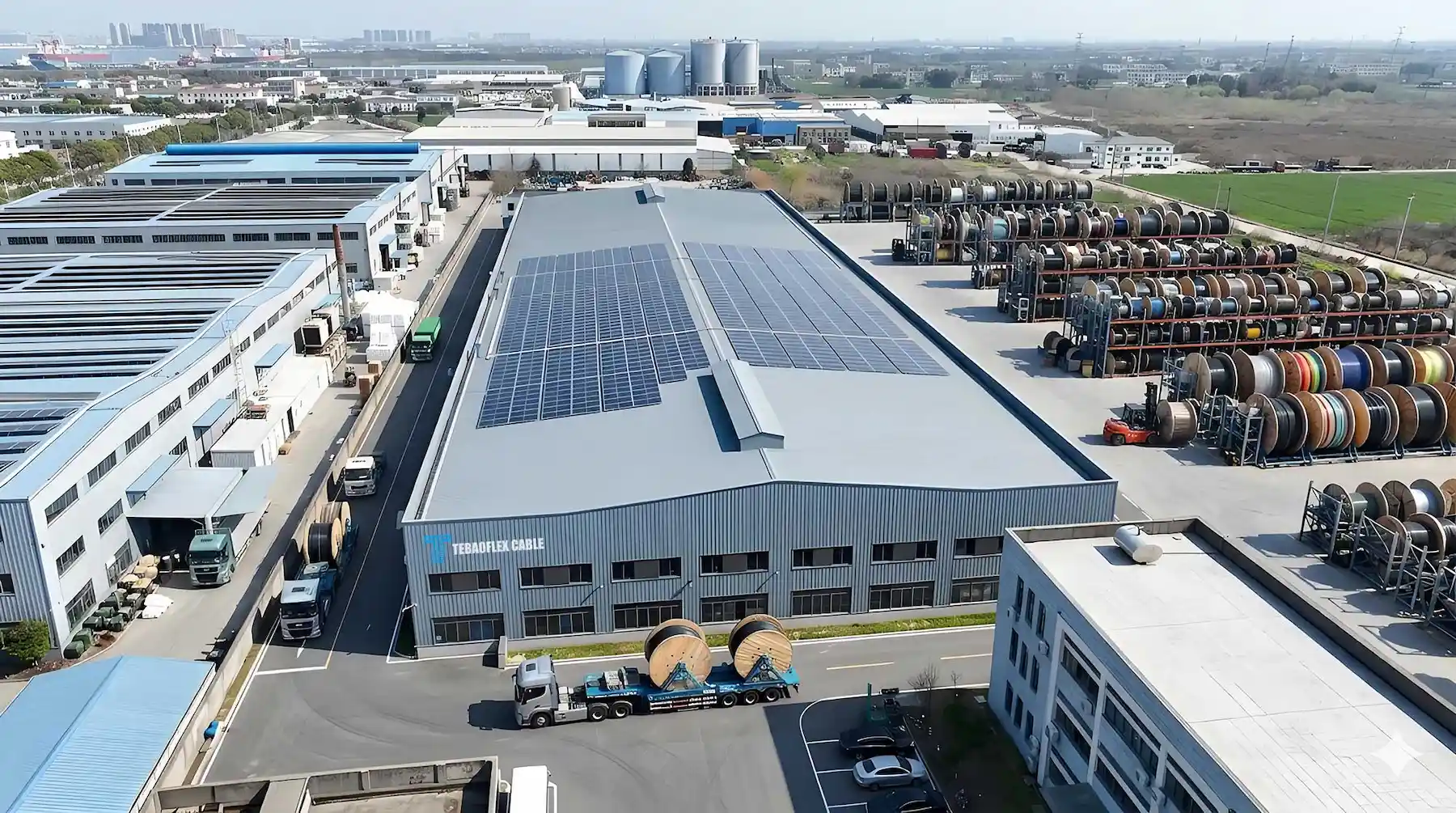
At TEBAOFLEX, we manufacture a comprehensive range of rubber insulated power cables designed for heavy-duty industrial applications—from mining and steel mills to offshore platforms and renewable energy installations. This guide covers construction principles, key specifications, application scenarios, and selection criteria to help engineers and procurement teams make informed decisions.
What Are Rubber Insulated Power Cables?
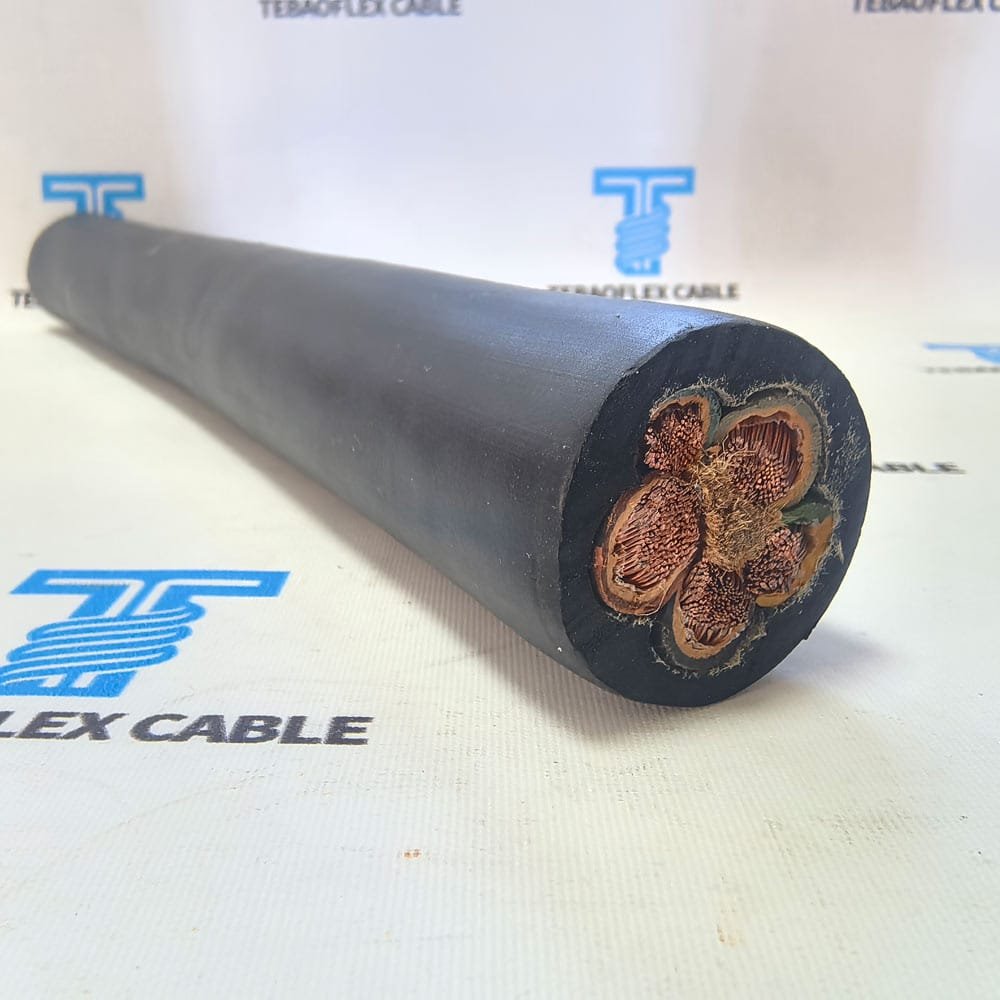
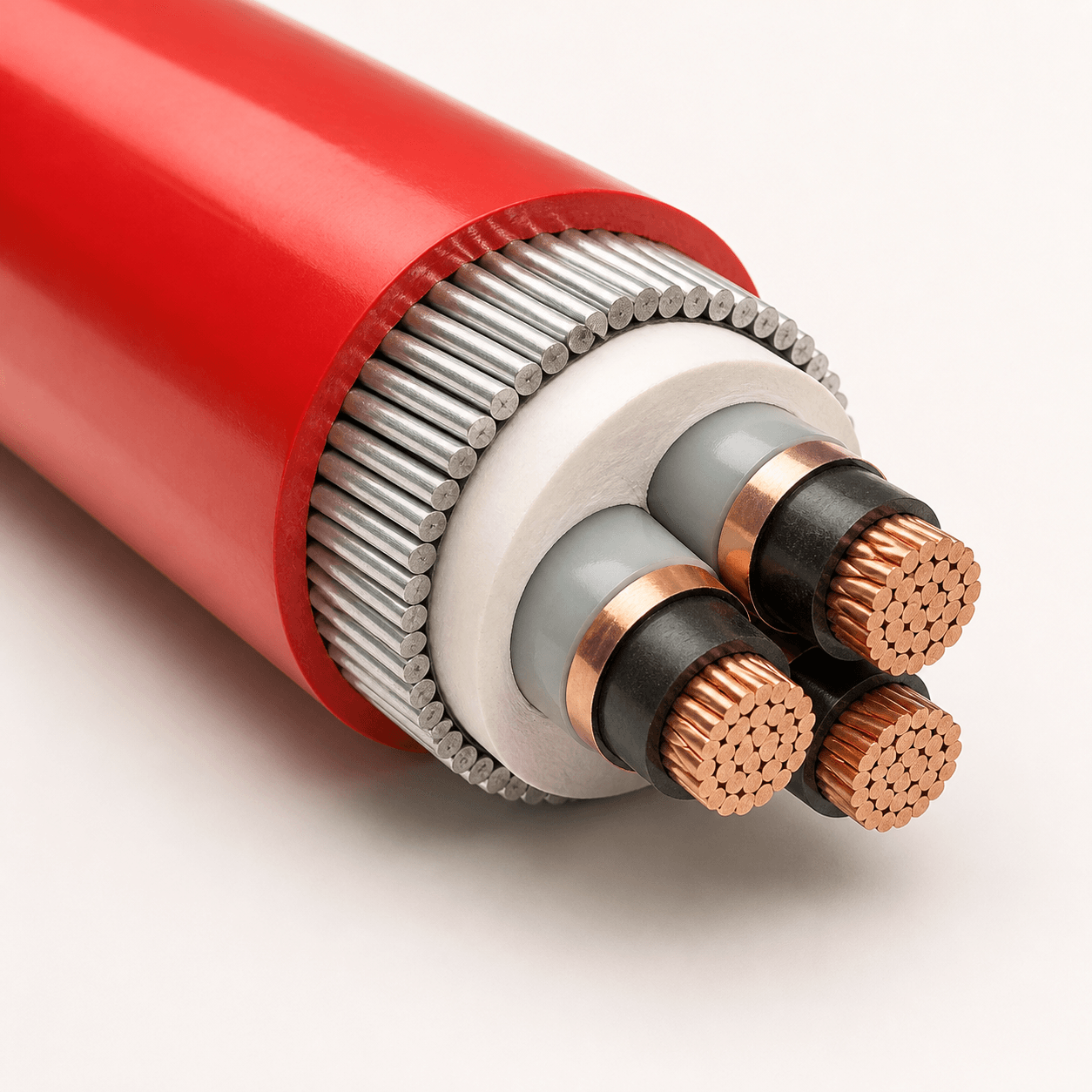
Rubber insulated power cables use elastomeric compounds as the insulation layer around conductors, providing a combination of electrical performance and mechanical durability that thermoplastic materials cannot match. The fundamental construction consists of:
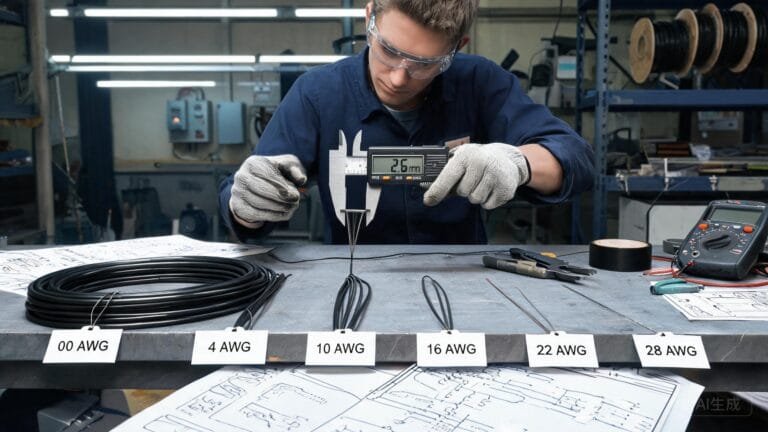
- Conductor: Plain or tinned copper, solid or stranded (Class 2, 5, or 6 per IEC 60228) depending on flexibility requirements
- Insulation: EPR, SBR, silicone rubber, or PCP, selected by thermal class and environmental exposure
- Inner sheath: Rubber compound compatible with the insulation, filling interstices for circular cross-section
- Armor (optional): Steel wire armor (SWA) or steel tape armor (STA) for mechanical protection and direct burial
- Outer sheath: Heavy-duty rubber compound such as PCP (neoprene), CSP (chlorosulfonated polyethylene), or HO7RN-F-type rubber for weather, oil, and flame resistance
The multi-layer construction allows rubber insulated power cables to maintain electrical integrity under dynamic mechanical stress—a critical advantage in applications involving repeated bending, dragging, or vibration. Explore our full range of industrial rubber cables for detailed product specifications.
Key Advantages Over PVC Power Cables
Understanding the performance differences between rubber and PVC insulation helps engineers select the right cable for demanding environments:
| Property | EPR/SBR Rubber | PVC |
|---|---|---|
| Operating Temperature Range | −40°C to +90°C | −15°C to +70°C |
| Flexibility at Low Temperature | Excellent (remains supple) | Poor (stiffens, risk of cracking) |
| Abrasion Resistance | High | Moderate |
| Oil & Chemical Resistance | Excellent (PCP/CSP sheath) | Limited |
| Flame Retardancy | IEC 60332-1, IEC 60332-3 | IEC 60332-1 |
| Dynamic Bending Life | 10,000+ cycles | 500–1,000 cycles |
| Tensile Strength | 12–20 N/mm² | 10–15 N/mm² |
The data shows why rubber insulated power cables dominate in mining, construction, offshore, and heavy industrial applications where cables are subject to continuous mechanical stress, thermal cycling, and chemical exposure.
Rubber Insulation Types and Material Selection
Not all rubber compounds perform identically. Selecting the correct insulation and sheath material is critical for long-term cable performance:
Ethylene Propylene Rubber (EPR)
EPR is the most widely used rubber insulation for medium-voltage power cables. It offers excellent thermal aging resistance (rated for 90°C continuous conductor temperature), outstanding moisture resistance, and good electrical properties with high dielectric strength. EPR-insulated cables comply with IEC 60502-1 for rated voltages up to 0.6/1 kV and IEC 60502-2 for 1.8/3 kV to 8.7/15 kV systems.
Styrene-Butadiene Rubber (SBR)
SBR provides a cost-effective insulation solution for low-voltage applications. It maintains good flexibility and electrical properties at moderate temperature ratings (70°C) and is commonly used in flexible cord and control cable constructions.
Silicone Rubber
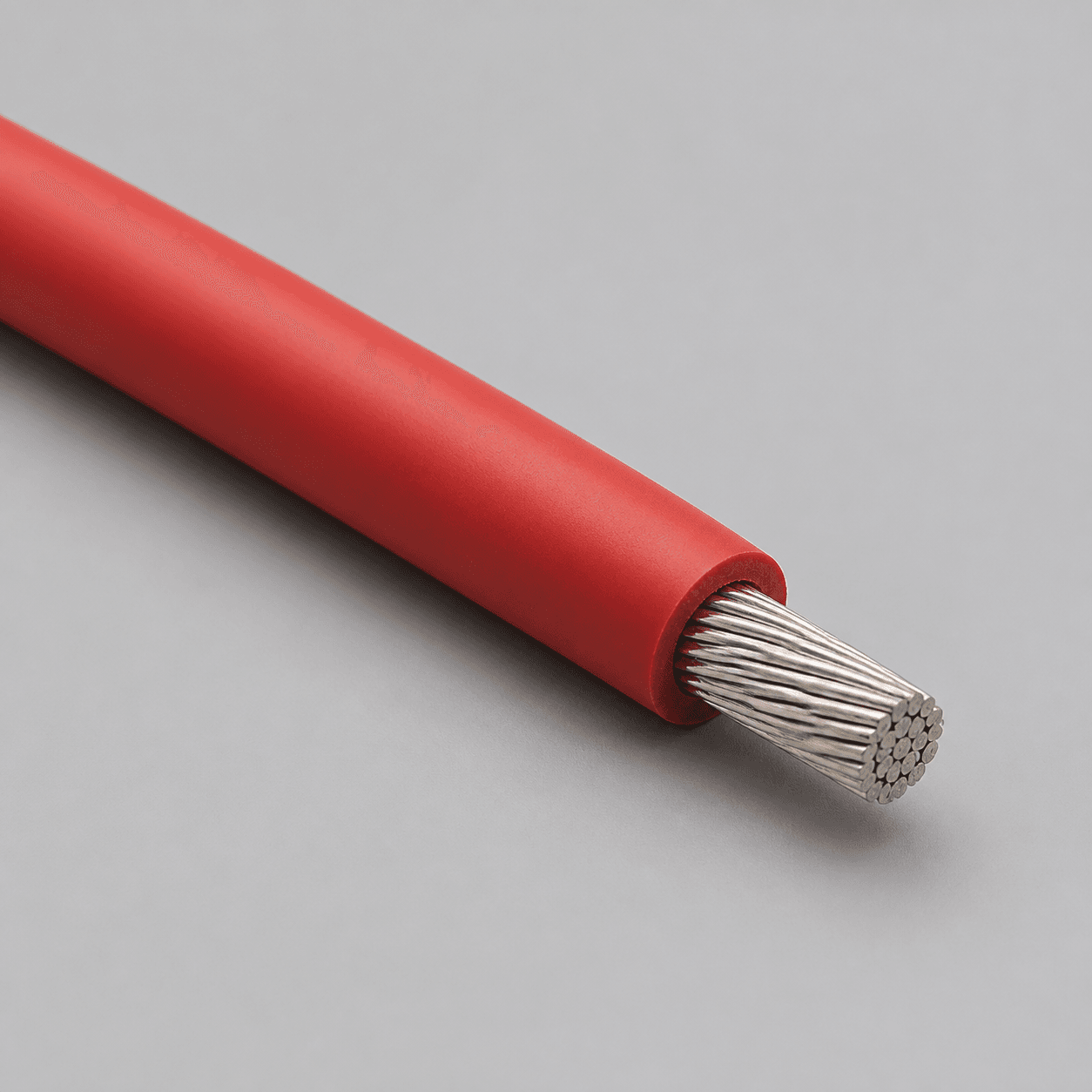
Silicone rubber insulation is specified when extreme temperature performance is required—from −60°C to +180°C continuous. It is inherently flame retardant, produces minimal smoke, and is often selected for high-temperature industrial furnaces, steel mills, and foundry applications. Refer to our silicone rubber cable product range for detailed specifications.
Polychloroprene (PCP/Neoprene)
PCP is primarily used as an outer sheath material due to its excellent oil, weather, and flame resistance. Cables with PCP sheaths (designation HO7RN-F) meet IEC 60245-4 and are standard for outdoor industrial use, construction sites, and equipment power supply.
Technical Specifications and Standards
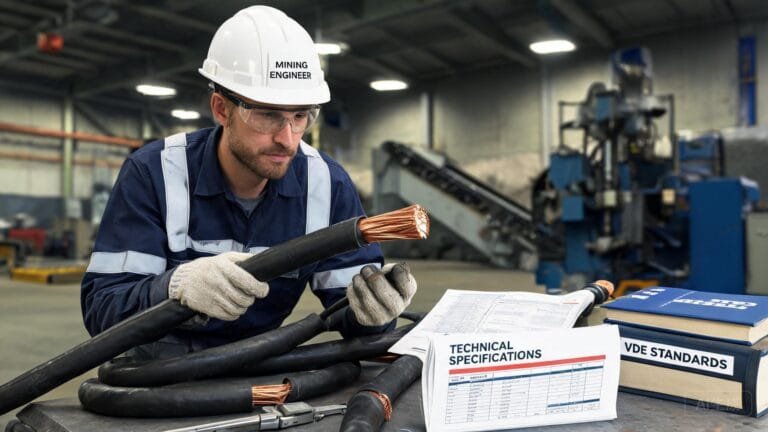
TEBAOFLEX rubber insulated power cables are designed and tested to meet international standards:
- IEC 60228: Conductor classes (Class 1 solid, Class 2 stranded, Class 5 flexible)
- IEC 60502-1: Power cables with rated voltage 0.6/1 kV
- IEC 60502-2: Power cables with rated voltage 1.8/3 (3.6) kV to 8.7/15 (18) kV
- IEC 60332-1: Flame retardant single cable test
- IEC 60332-3: Flame retardant bundled cables test
- IEC 60754: Acid gas emission test for halogen-free cables
- BS 6724 / BS 5467: British Standards for armoured rubber-insulated cables
- VDE 0276 / DIN: German cable standards for European market compliance
Typical technical parameters for TEBAOFLEX rubber insulated power cables:
| Parameter | Low Voltage (0.6/1 kV) | Medium Voltage (3.6/6 kV–8.7/15 kV) |
|---|---|---|
| Conductor | Copper, Class 2 or 5 | Copper, Class 2 |
| Insulation | EPR / SBR | EPR (4mm minimum thickness) |
| Max Conductor Temperature | 90°C | 90°C |
| Short Circuit Temperature | 250°C (5 sec) | 250°C (5 sec) |
| Outer Sheath | PCP / CSP / HO7RN-F | PCP / CSP |
| Armor | SWA or STA (optional) | SWA |
| Min Bending Radius | 6 × D (unarmored) / 12 × D (armored) | 12 × D |
| Voltage Test | 3.5 kV / 5 min | Up to 30 kV / 5 min |
Full certification and test reports are available for all TEBAOFLEX cable products, ensuring compliance with international procurement requirements.
Applications Across Industries
Rubber insulated power cables are deployed across diverse industrial sectors where reliability under harsh conditions is non-negotiable:
Mining and Quarrying
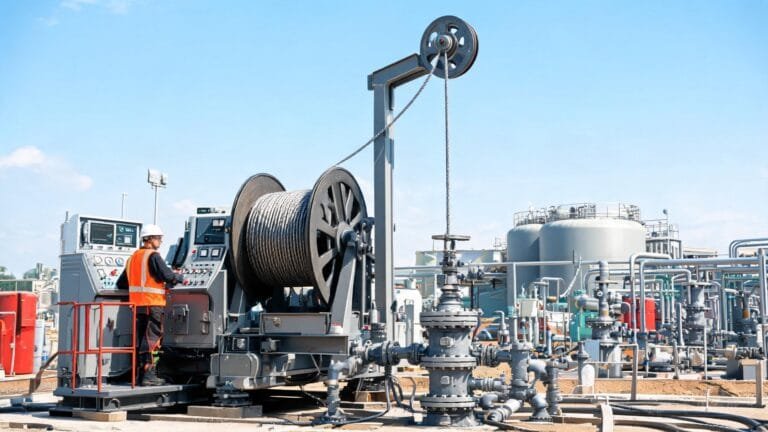
In underground and open-cast mining, cables face abrasion from draglines, shuttle cars, and continuous miners. Reeling cables with reinforced rubber sheaths and heavy-duty armor withstand repeated spooling and unspooling while maintaining insulation integrity in damp, abrasive environments. See mining cable application cases.
Oil and Gas
Onshore drilling rigs and offshore platforms require cables with oil-resistant rubber sheaths (CSP or PCP) that maintain performance despite exposure to hydrocarbons, saltwater, and extreme temperatures. Flame-retardant rubber compounds per IEC 60332-3 ensure safety in hazardous zones.
Steel and Metallurgical Industry
Furnace and mill installations demand cables that withstand radiant heat, molten metal splash risk, and heavy mechanical stress. Silicone rubber insulated cables rated to 180°C are deployed in proximity to furnaces and continuous casting equipment.
Renewable Energy
Wind turbines and solar farms use rubber-insulated cables for their UV resistance, flexibility in cold climates, and long-term aging performance. Dynamic cables in wind turbine towers undergo millions of flex cycles, requiring high-flex-life rubber compounds.
Construction and Infrastructure
Temporary power distribution on construction sites relies on HO7RN-F rubber cables for their portability, weather resistance, and mechanical durability. Armored rubber cables are used for permanent underground installations.
Selection Guide: How to Choose Rubber Insulated Power Cables
Selecting the correct rubber insulated power cable requires evaluating multiple environmental and operational factors. Use this checklist for your next specification:
- Determine voltage rating: Identify system voltage (LV: 0.6/1 kV, MV: up to 8.7/15 kV) and select cable per IEC 60502-1 or 60502-2
- Assess temperature range: Consider both ambient and conductor operating temperatures; choose EPR (90°C) or silicone (180°C) accordingly
- Evaluate mechanical stress: Static installations use Class 2 stranded conductors; dynamic/flexing applications require Class 5 flexible conductors
- Check chemical exposure: Oil and hydrocarbon environments require PCP or CSP sheaths; consult our rubber cable types selection guide for detailed compound compatibility
- Select armor type: SWA for general mechanical protection, STA for lighter-duty applications, unarmored for flexible/portable use
- Verify flame requirements: Confirm IEC 60332-1 for single-cable and IEC 60332-3 for grouped installation; request LSZH compounds where smoke emission is critical
- Calculate current carrying capacity: Apply derating factors for ambient temperature, grouping, and installation method per IEC 60364-5-52
- Specify certification needs: Ensure compliance with destination market standards (IEC, BS, VDE, UL) — view our certifications
Why Choose TEBAOFLEX for Rubber Insulated Power Cables
TEBAOFLEX has specialized in rubber insulated cable manufacturing for over a decade, serving clients across 40+ countries in mining, oil & gas, steel, and renewable energy sectors. Our manufacturing capabilities include:
- Full production line from copper drawing to final testing, ensuring quality control at every stage
- Custom cable design for non-standard voltage ratings, special conductor configurations, and unique environmental requirements
- In-house laboratory for type testing per IEC, BS, and VDE standards
- OEM and private label manufacturing services for global distributors
- Comprehensive technical support from specification to installation
Our custom cable manufacturing services support both standard product supply and engineered-to-order solutions for your most demanding applications. For pricing and technical consultation, contact TEBAOFLEX or browse our complete product catalog.
Request a Quote
Need rubber insulated power cables for your project? Our engineering team will respond within 24 hours with detailed specifications, pricing, and delivery timelines. Submit your inquiry to TEBAOFLEX and receive a customized quote tailored to your application requirements.