
Choosing between a YY YSLY PVC control cable and an SY LSZH flexible control cable starts with the installation environment. Both cable types support industrial control circuits, automation equipment and machinery wiring. However, their material priorities differ. YY YSLY is a practical option for many standard industrial installations, while SY LSZH is intended for projects where low-smoke, halogen-free performance is an important requirement.
YY YSLY PVC Control Cable for Standard Industrial Systems
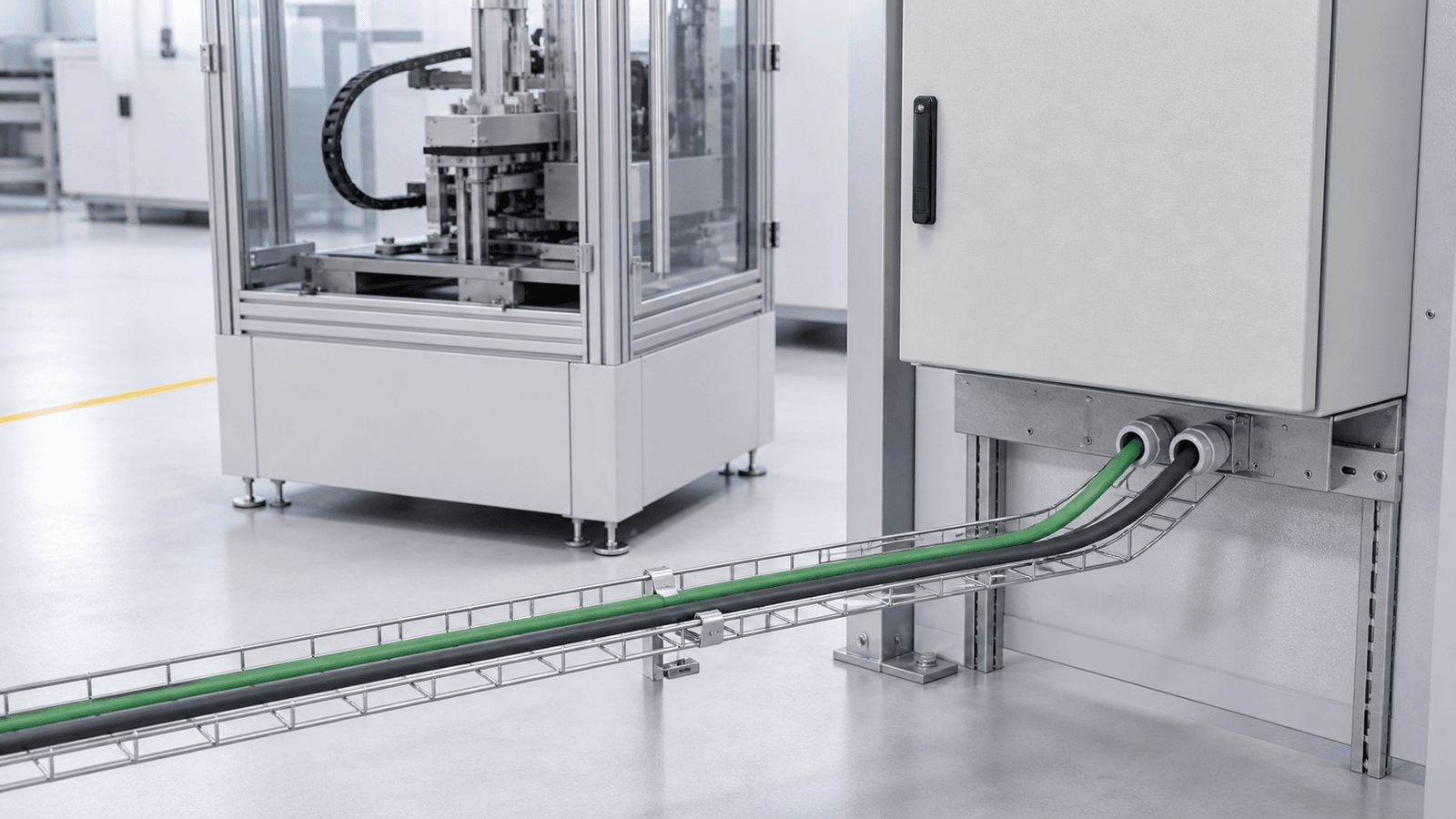
A YY YSLY PVC control cable is designed for reliable signal transmission and flexible routing in common industrial control applications. PVC insulation and sheathing provide electrical protection and mechanical performance for control cabinets, machinery wiring, production lines and automation equipment.
In particular, YY YSLY is a suitable choice when the cable will be installed in a normal industrial environment and the project requires a dependable, cost-conscious control cable. Its flexible conductor construction also helps installers route the cable around equipment and through limited spaces.
SY LSZH Flexible Control Cable for Safety-Focused Installations
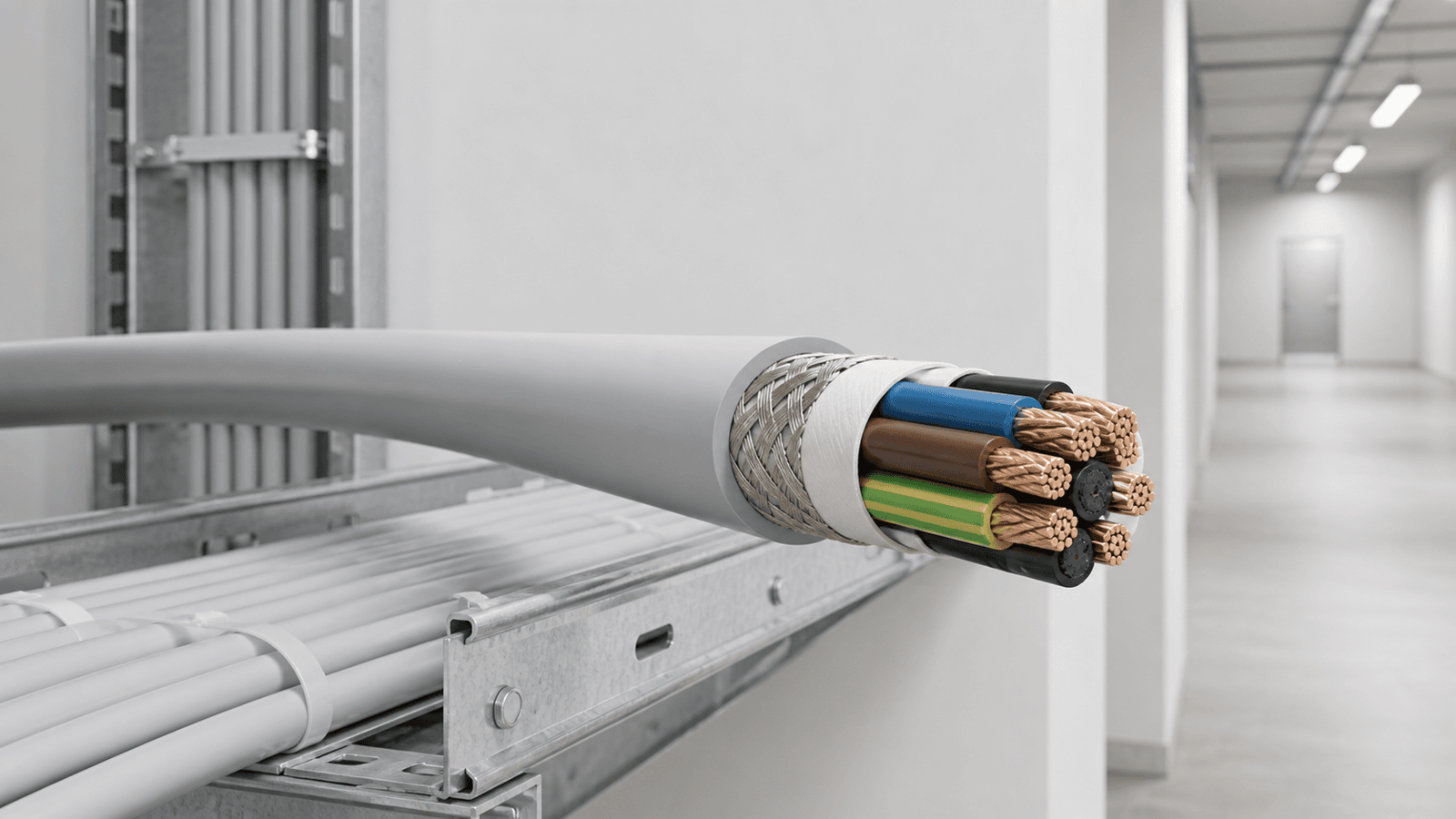
An SY LSZH flexible control cable is intended for applications that need flexibility together with low-smoke, zero-halogen material characteristics. During fire conditions, LSZH materials are designed to reduce smoke emission and avoid corrosive halogen gases associated with conventional halogen-containing materials.
Therefore, this cable type is relevant to indoor industrial facilities, automation systems, transportation infrastructure and other locations where project safety requirements influence cable selection. Flexible construction also supports installation around moving equipment or in confined routing paths.
YY YSLY PVC Cable vs SY LSZH Control Cable
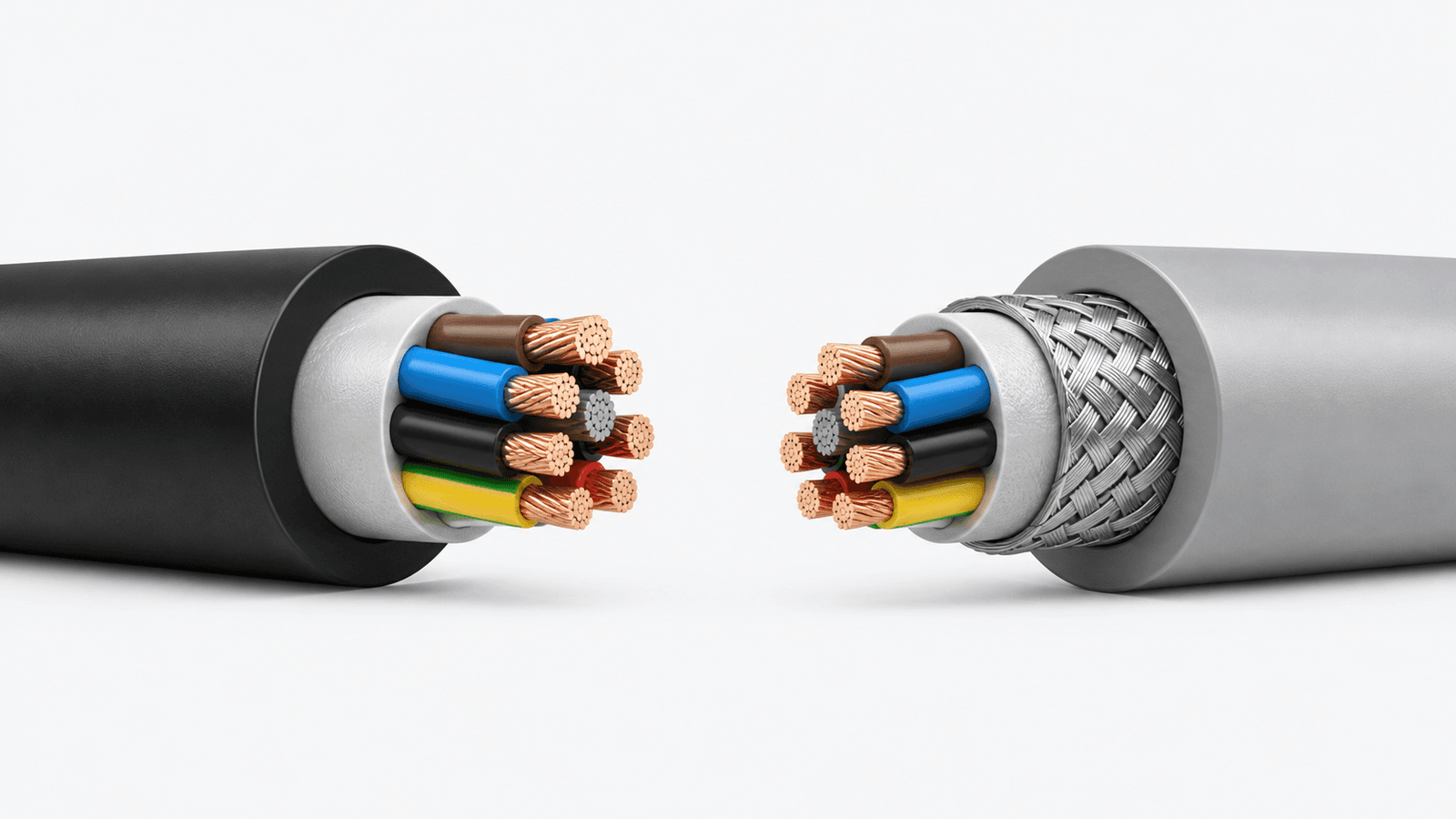
| Selection factor | YY YSLY PVC Control Cable | SY LSZH Flexible Control Cable |
|---|---|---|
| Primary application | General industrial control circuits | Control circuits with added safety-oriented material requirements |
| Sheath approach | PVC | LSZH |
| Smoke and halogen consideration | Selected for standard industrial conditions | Selected where low-smoke and halogen-free characteristics are required |
| Installation | Flexible routing in machinery, cabinets and production systems | Flexible routing in indoor, public or safety-sensitive installations |
| Typical decision driver | Practical performance for conventional industrial control | Project-specific fire-safety and material requirements |
How to Choose the Right Control Cable
Start with the actual duty conditions rather than the cable name alone. First, identify whether the cable will be fixed in place or subject to movement, vibration or repeated installation adjustments. Next, review the installation location, available routing space and any requirements for low smoke or halogen-free materials.
For standard machinery, automation panels and production equipment, YY YSLY can be an efficient control-cable solution. Conversely, when an indoor project or safety policy calls for LSZH material performance, SY LSZH should be evaluated. In every case, confirm conductor size, core count, voltage requirement, mechanical duty and applicable project standards before placing an order.
Control Cable Selection Checklist
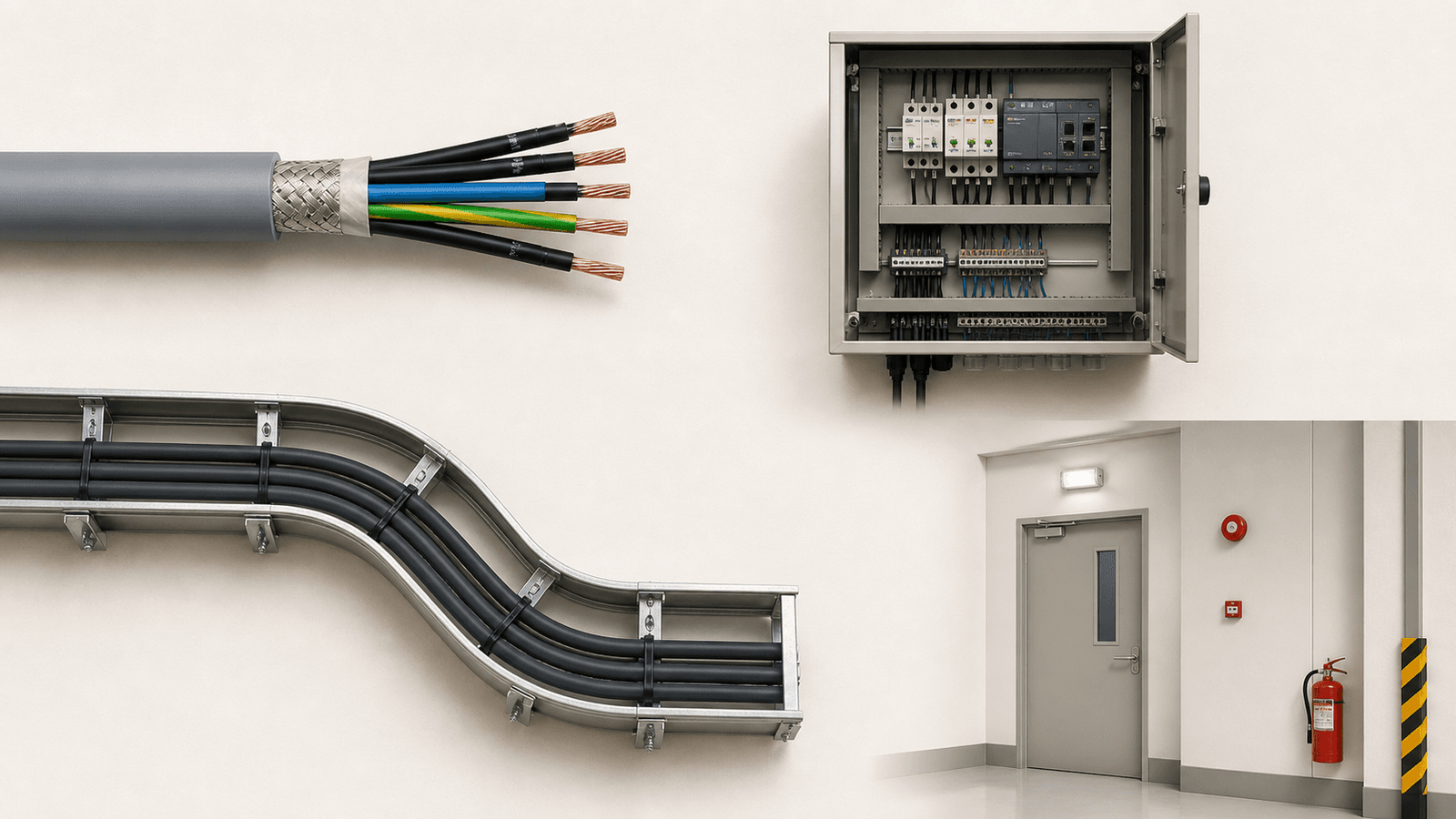
- Installation environment: Identify temperature, moisture, vibration and available routing space.
- Cable movement: Confirm whether the application is fixed or involves regular equipment movement.
- Safety requirements: Check whether the specification calls for low-smoke, halogen-free materials.
- Control circuit design: Verify the required core count, conductor size and signal requirements.
- Project documentation: Review the customer or local standard requirements before final selection.
Control Cable Support from TEBAOFLEX
TEBAOFLEX supports industrial customers with control-cable selection based on application conditions and confirmed technical requirements. Our team can discuss conductor size, core configuration, insulation and sheath materials, as well as options suited to standard industrial systems or safety-oriented installations.
Frequently Asked Questions
What is the main difference between YY YSLY and SY LSZH control cables?
The main difference is the material and application focus. YY YSLY PVC control cable is commonly chosen for general industrial control applications. SY LSZH cable is considered when low-smoke, halogen-free material characteristics are required.
Are flexible control cables suitable for automation equipment?
Yes. Flexible control cables are commonly used in automation equipment, machinery and production systems. The correct cable should still be selected according to the expected movement, routing conditions and technical specification.
Can TEBAOFLEX support customized control cable requirements?
Yes. Customers can provide their required conductor size, core count, installation environment and performance needs for a technical review. For more general guidance, visit the TEBAOFLEX FAQ center.
Conclusion
YY YSLY PVC and SY LSZH flexible control cables both serve industrial control applications, but they answer different project priorities. Choose YY YSLY for many conventional industrial installations. Choose SY LSZH when low-smoke, halogen-free characteristics are a defined requirement. A clear review of the environment, movement and safety specification will help you select the right control cable with confidence.