
Control Cables: A Critical Connection Behind Modern Industrial Systems
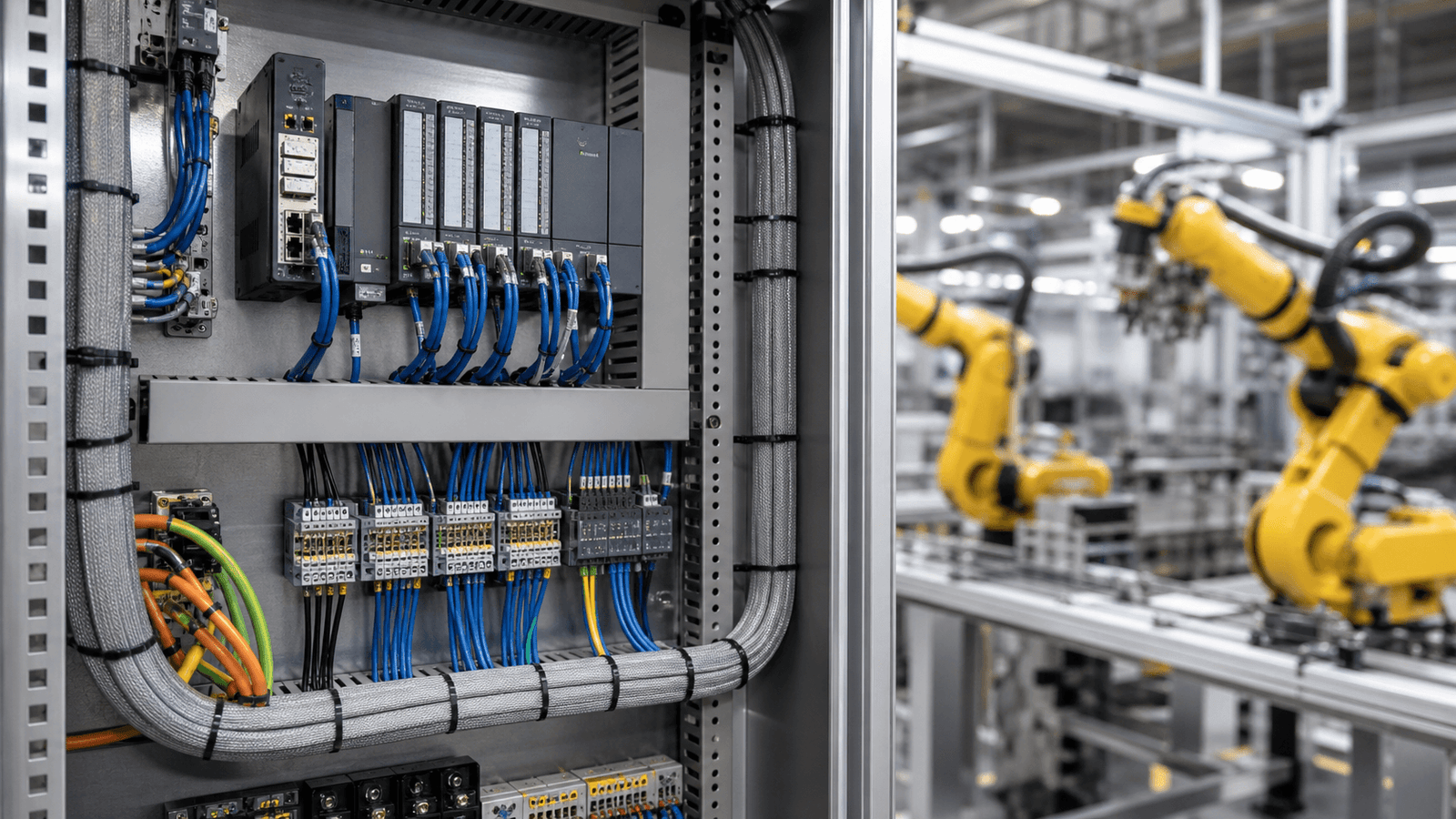
In modern factories and industrial facilities, automation systems depend on accurate signal transmission and stable control connections.
While motors, sensors, PLC systems, and control equipment receive most of the attention, the cables connecting these components play an equally important role in maintaining reliable operation.
Control cables are responsible for transmitting signals, control commands, and monitoring information between different parts of an industrial system. When equipment operates in environments with electrical interference, mechanical stress, or continuous operation, cable selection becomes an important factor affecting system stability.
For industries such as manufacturing, automation, machinery production, and energy systems, reliable control cable solutions help reduce signal interference, improve equipment communication, and support long-term operation.
Why Industrial Applications Require Specialized Control Cables
Industrial environments are very different from standard electrical installations.
Control cables may be exposed to:
- Electromagnetic interference
- Oil and chemicals
- Mechanical movement
- Temperature changes
- Continuous operation cycles
A standard cable may not provide sufficient protection in these conditions.
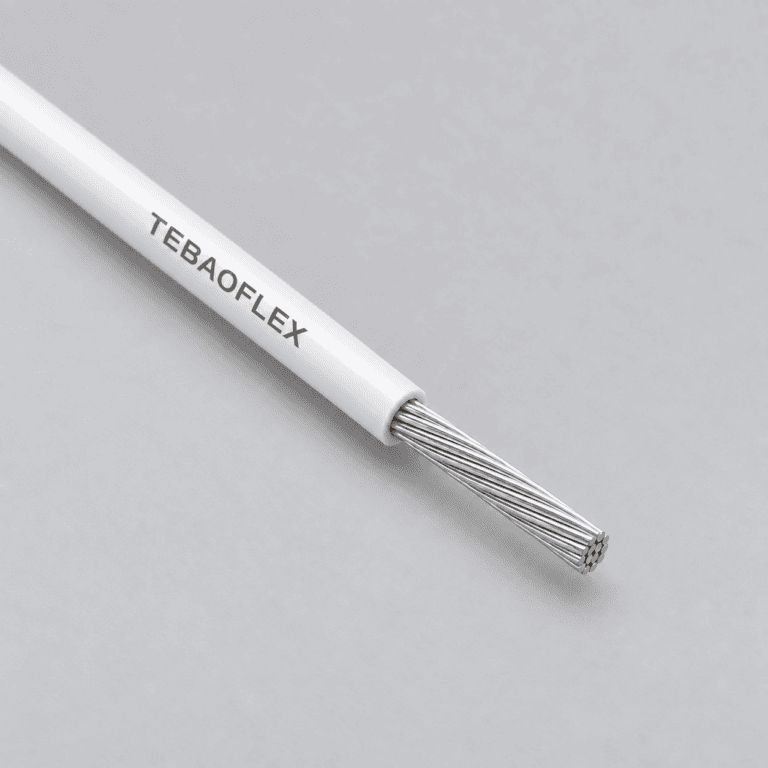
Modern industrial control cables are designed with specific structures to improve performance, including:
- Flexible copper conductors
- Shielding layers
- Protective insulation materials
- Durable outer sheaths
These designs help maintain signal quality while providing better protection in demanding working environments.
The Importance of Shielding Technology in Control Cables
With the increasing use of automation equipment, electromagnetic interference has become a common challenge in industrial systems.
Variable frequency drives, motors, and power equipment can generate electrical noise that affects sensitive control signals.
Shielded control cables, such as CVV-S type cables, are designed to provide additional protection against external interference.
A shielding layer helps reduce unwanted electrical noise and supports more stable signal transmission in applications such as:
- Factory automation systems
- Control panels
- Industrial machinery
- Process control equipment
Flexible Control Cable Solutions for Moving Machinery
Many industrial machines require cables that can withstand repeated movement.
Applications including:
- CNC machines
- Production lines
- Conveyor systems
- Machine tools
- Automated equipment
often require flexible control cables that can follow equipment movement while maintaining electrical performance.
JZ-500 type flexible control cables are commonly used in machinery and production environments where control, measurement, and signal transmission are required.
The combination of flexible conductors and durable insulation materials allows these cables to perform reliably in industrial applications.
TEBAOFLEX Cable Solutions for Industrial Control Applications
TEBAOFLEX Cable develops specialized cable solutions for industries requiring reliable power and signal transmission.
Our control cable solutions are designed for applications including:
- Industrial automation
- Machinery manufacturing
- Production equipment
- Control systems
- Heavy industrial environments
The TEBAOFLEX Cable CVV-S, CVV-SWA and JZ-500 series are developed to meet different installation requirements, from fixed control systems to applications requiring additional mechanical protection.
By focusing on cable structure, material selection, and application requirements, TEBAOFLEX Cable helps customers build more reliable industrial systems.
Choosing the Right Control Cable for Your Application
Selecting a suitable control cable depends on several factors:
Installation Environment
Indoor, outdoor, underground, or industrial environments may require different cable constructions.
Signal Protection Requirements
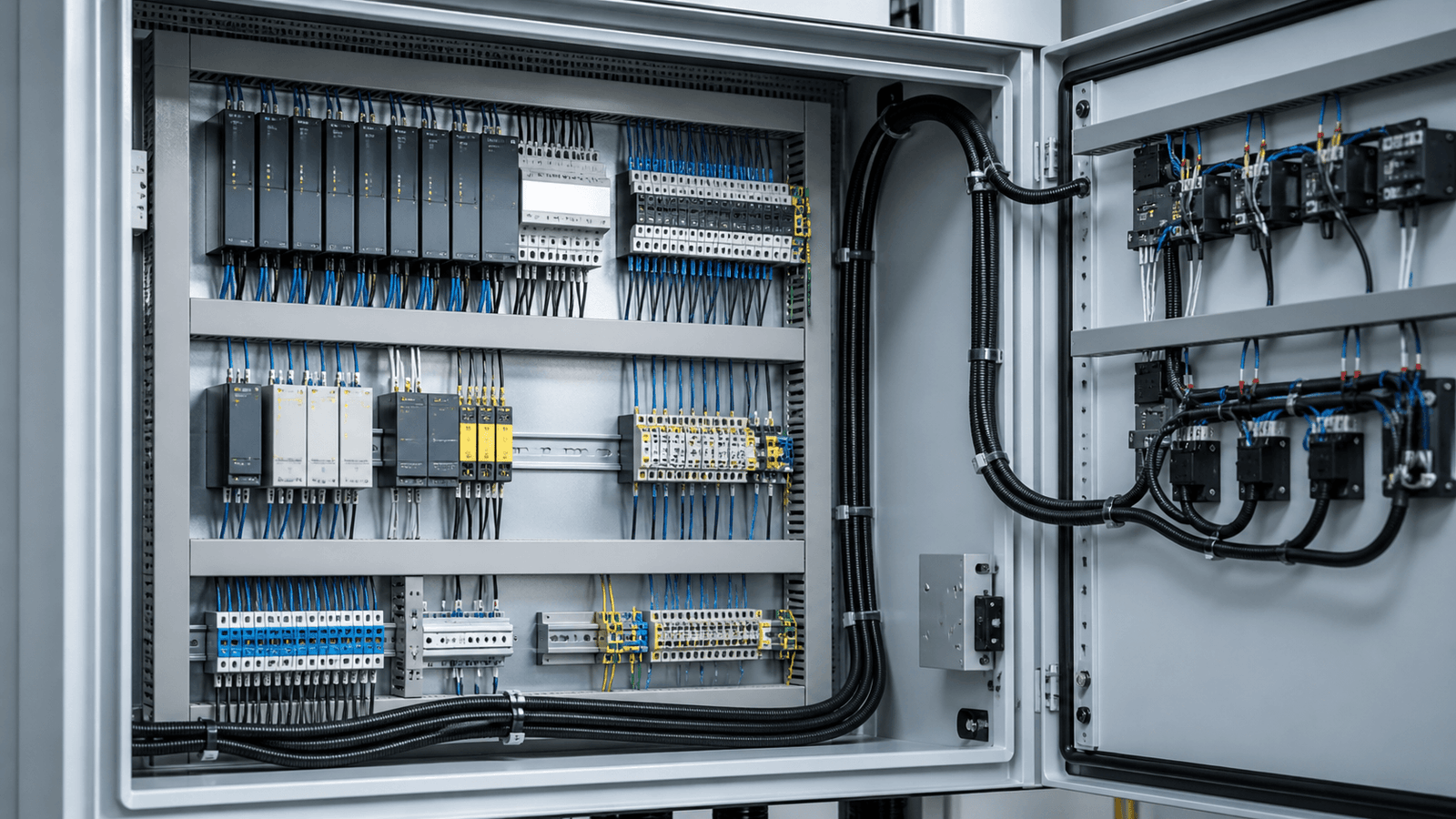
Applications with strong electromagnetic interference may require shielded cable designs.
Movement Requirements
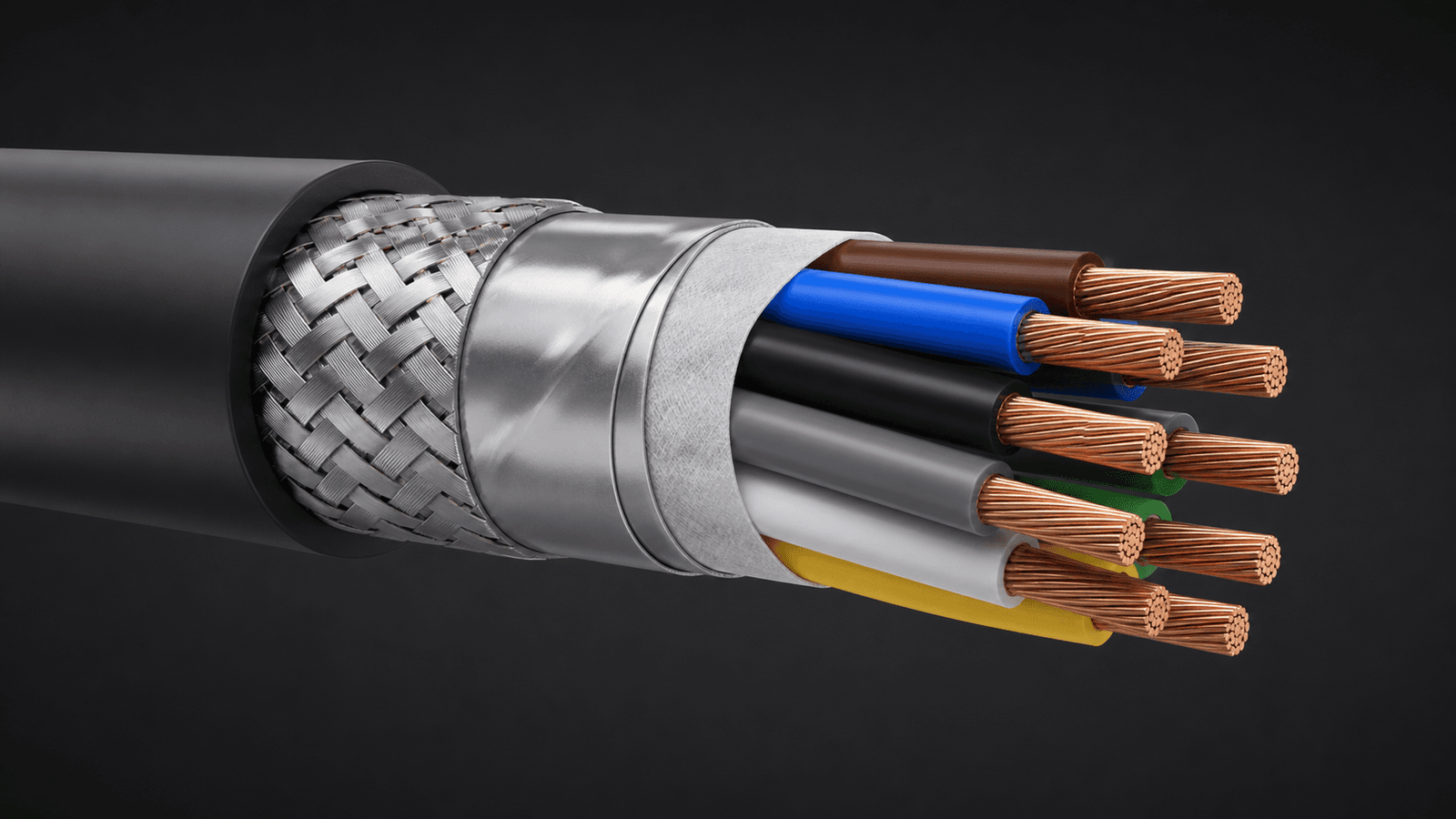
Fixed installations and moving machinery require different flexibility levels.
Mechanical Protection
For areas exposed to impact or external forces, armored cable solutions may provide additional protection.
Choosing the correct cable at the beginning of a project can improve system reliability and reduce future maintenance costs.
The Future Development of Industrial Control Cable Technology
As industrial automation continues to expand, control cable technology is also evolving.
Future industrial cable solutions will focus on:
- Better signal integrity
- Higher flexibility
- Improved environmental resistance
- Longer service life
- Customized solutions for specific equipment
Reliable cable systems will continue to be an important foundation for smart manufacturing and industrial automation.
Frequently Asked Questions (FAQ)
1. What is a control cable used for?
Control cables are mainly used for transmitting control signals, measurement signals, and communication connections between industrial equipment, control panels, and automation systems.
2. Why are shielded control cables important in industrial environments?
Shielded control cables help reduce electromagnetic interference from motors, frequency converters, and other electrical equipment, improving signal stability in automation systems.
3. What is the difference between flexible control cables and standard control cables?
Flexible control cables are designed for applications involving repeated movement, such as machinery and production equipment. Standard control cables are usually used for fixed installations where cable movement is limited.
Control Cable Selection for Automation Projects
Choose control cable construction according to the signal type, electromagnetic environment, installation route, flexing requirement and exposure to oil or abrasion. Shielding and conductor identification should also be aligned with the control architecture and maintenance process.
TEBAOFLEX can help assess these conditions and prepare a practical cable recommendation for your automation project. Contact the TEBAOFLEX cable team with your technical requirements.