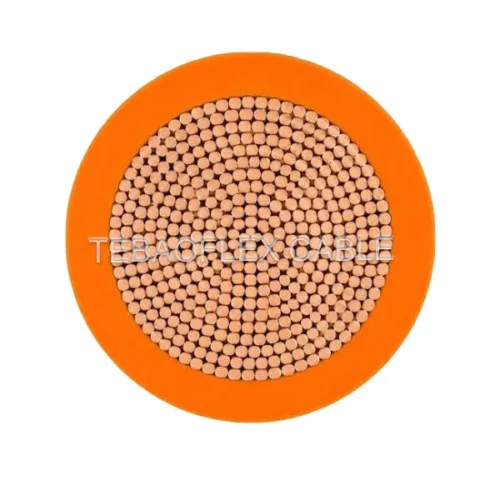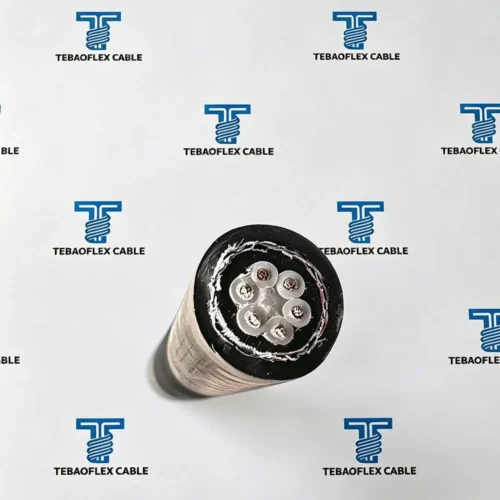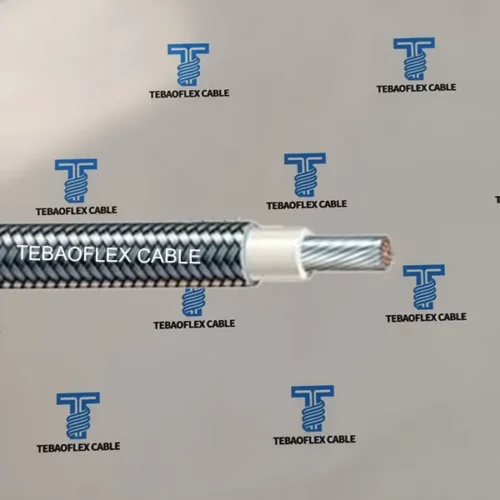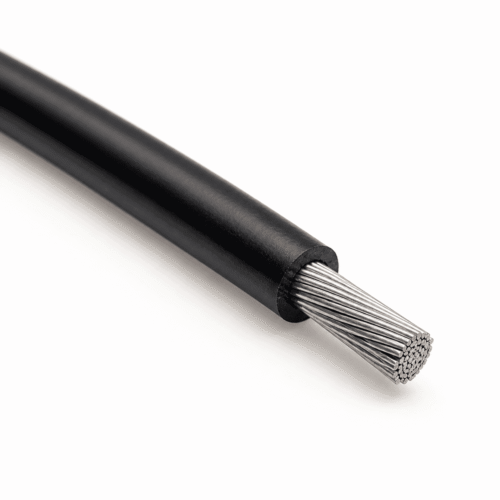
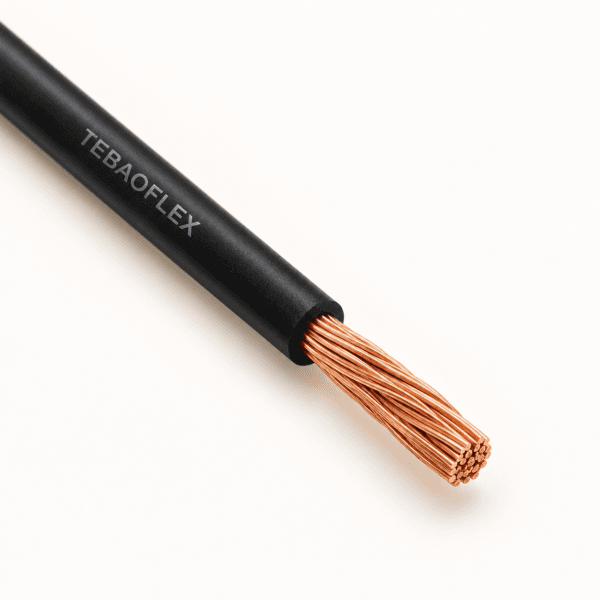
UL 3385 XLPE 105°C 300V High Temperature Wire is a single-core internal equipment wire with stranded bare or tinned copper and cross-linked polyethylene insulation. The documented construction is rated 105°C and 300 V, with conductor sizes from 10 AWG to 30 AWG for protected appliance and electronic equipment wiring.
What is UL 3385 wire?
UL 3385 wire is a 300V hook-up wire using XLPE insulation over a stranded copper conductor. It meets purchasing needs commonly described as 105°C XLPE wire, 300V appliance wire, cross-linked polyethylene hook-up wire or single-core internal equipment wire. The correct construction should be selected from the required AWG size, conductor finish, finished diameter, terminal system and installation conditions.
Key product features
- 105°C temperature rating: documented for internal high-temperature wiring where the complete installation supports the stated rating.
- 300 V rating: suitable for protected appliance, control and equipment circuits requiring a 300V wire.
- XLPE insulation: cross-linked polyethylene insulation for stable electrical performance at the documented operating temperature.
- Stranded copper conductor: available with bare or tinned copper strands according to the required termination and supply specification.
- 10–30 AWG range: covers internal power, control and connection requirements across multiple conductor sizes.
- Custom supply options: insulation colour, printing, length and packaging can be reviewed against the project specification.
UL 3385 technical specifications
| Parameter | Documented value |
|---|---|
| Product model | UL 3385 |
| Wire type | Single-core internal hook-up wire |
| Rated voltage | 300 V |
| Rated temperature | 105°C |
| Conductor | Bare or tinned stranded copper |
| Insulation | XLPE (cross-linked polyethylene) |
| Conductor size range | 10 AWG to 30 AWG |
| Typical use | Protected internal appliance and electronic equipment wiring |
| Customisation | Conductor finish, insulation colour, printing, length and packaging subject to confirmation |
Representative AWG size and dimensional guide
The following documented constructions support early engineering and purchasing review. Confirm the required stranding and finished diameter before ordering, particularly where terminals, connectors or restricted routing space are involved.
| AWG size | Representative stranding | Insulation thickness | Overall diameter |
|---|---|---|---|
| 10 AWG | 105/0.254 mm | 0.50 mm | 4.00 ± 0.15 mm |
| 14 AWG | 41/0.254 mm | 0.50 mm | 2.90 ± 0.15 mm |
| 16 AWG | 19/0.30 mm | 0.40 mm | 2.30 ± 0.10 mm |
| 20 AWG | 21/0.18 mm | 0.40 mm | 1.75 ± 0.10 mm |
| 24 AWG | 11/0.16 mm | 0.40 mm | 1.41 ± 0.10 mm |
| 30 AWG | 7/0.10 mm | 0.40 mm | 1.10 ± 0.10 mm |
Typical applications
This 105°C XLPE insulated wire is intended for protected internal connections where conductor size, insulation temperature and compact routing are important selection factors. Typical projects may include:
- Household and commercial appliance internal wiring
- Electronic and electrical equipment connections
- Protected control cabinets and control circuits
- Internal leads for motors, transformers and power supplies after engineering review
- Lighting equipment and compact electrical assemblies
- OEM equipment requiring a stranded 300V single-core wire
Application suitability depends on the complete installation, including conductor current, local ambient temperature, terminal rating, mechanical protection and exposure conditions.
How to specify the correct XLPE hook-up wire
- Select the AWG size: use electrical load, allowable voltage drop and terminal capacity to determine the conductor size.
- Choose the conductor finish: specify bare or tinned stranded copper according to the terminal process and project requirements.
- Check finished diameter: verify compatibility with connectors, sleeves, seals and equipment routing space.
- Define installation conditions: state whether the wire is fixed, occasionally moved, exposed to abrasion or located near a heat source.
- Provide supply requirements: include insulation colour, printing, reel length, packaging and any required inspection documents.
Bare copper or tinned copper?
Both conductor finishes are documented for this construction. Bare copper may suit standard internal connections, while tinned copper may be requested to match a specific termination or production process. Final selection should be based on the connector, joining method, environmental exposure and equipment specification rather than conductor finish alone.
Usage limits and installation review
The listed 105°C and 300 V values are product ratings, not approval of a complete machine or installation. Do not assume suitability for direct burial, continuous flexing, outdoor exposure, immersion, unprotected abrasion or a particular flame, oil or chemical test unless those conditions and test requirements have been separately reviewed. TEBAOFLEX can evaluate the requested construction against the intended equipment and operating environment.
Related XLPE wire options
Explore the broader high-temperature and specialty cable range. When the project requires the same 300 V class with a higher documented temperature, compare the UL 3266 XLPE 125°C 300V high-temperature wire.
Frequently asked questions
What is the temperature rating of UL 3385 XLPE wire?
The documented temperature rating is 105°C. The complete installation must also account for conductor current, terminal ratings, adjacent components and the local ambient temperature.
What voltage is UL 3385 wire rated for?
The documented voltage rating is 300 V for the single-core construction described on this page.
Which conductor sizes are available?
The documented stranded conductor range is 10 AWG to 30 AWG. Representative constructions and finished diameters are listed above.
Can I choose bare or tinned copper?
Yes. Bare or tinned stranded copper options are documented. Submit the required conductor finish and termination details so the final build can be confirmed.
What information is needed for a quotation?
Please provide the AWG size, conductor finish, insulation colour, required length, packaging, operating temperature, voltage and equipment application. Connector or terminal details are helpful when finished diameter is critical.