
Rubber cable types are best selected by matching five parts of the specification: rated voltage, conductor, insulation, sheath, and movement or environment. The product name alone is not enough. A cable may feel flexible yet still be unsuitable for reeling, oil exposure, immersion or medium-voltage duty unless its marking and technical documents support the application.
This guide turns a broad “rubber cable” request into a practical engineering and purchasing checklist. It draws on the material and application logic used across TEBAOFLEX special cable solutions, while keeping every final rating tied to the exact cable design, applicable standard and project requirements.
Last updated: August 18, 2026
What “Rubber Cable” Actually Means
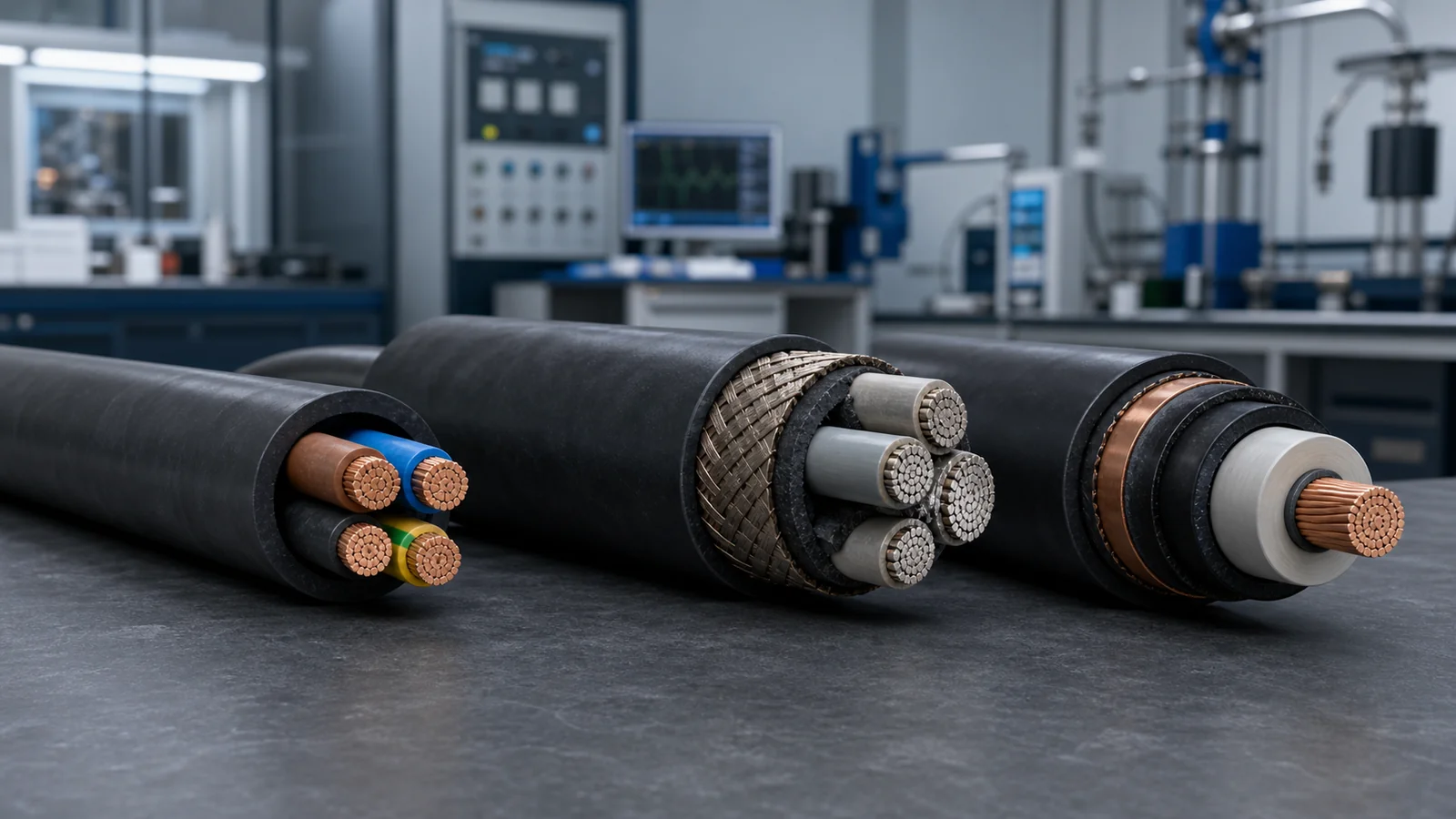
Rubber cable is an umbrella term for cables that use vulcanized rubber or synthetic elastomer compounds as insulation, a sheath, or both. Modern products rarely rely on natural rubber alone. Depending on the design, the electrical insulation may use EPR, HEPR, EPDM or silicone compounds, while the outer sheath may use chloroprene rubber, CPE, CSP, NBR or another formulated elastomer.
The category also sits beside flexible cables with PUR, TPU or low-smoke halogen-free polymer jackets. These materials can deliver useful mechanical or fire-performance characteristics, but they are not all “rubber” in a strict material sense. For a buyer, the practical question is not whether the surface feels rubbery. It is whether the complete construction has the electrical, mechanical, environmental and fire-test evidence required by the project.
This distinction prevents a common specification error: transferring a property from a polymer family to every cable made with it. Oil resistance, UV resistance, flame performance, water resistance and operating temperature depend on the formulated compound, cable design and test method—not the abbreviation alone.
Start With the Rubber Cable Voltage Rating U₀/U
Rated voltage affects insulation thickness, electrical stress control and the standards that apply. U₀/U expresses the voltage from conductor to earth and the voltage between conductors. Confirm the equipment system, grounding arrangement and applicable standard before treating a voltage designation as sufficient.
| Typical voltage designation | Common positioning | Selection note |
|---|---|---|
| 300/300 V | Light flexible cords and small appliances | Designed for limited electrical and mechanical duty; verify the exact cord standard and use. |
| 300/500 V | General flexible connections and light-to-medium equipment | Movement, outdoor exposure and oil resistance still require product-specific confirmation. |
| 450/750 V | Heavy-duty flexible supply, including H07 cable families | Often used for tools, pumps, temporary power and industrial equipment when the marked cable permits. |
| 0.6/1 kV | Industrial, marine, mining and mobile-equipment power | The product family, installation method and environmental tests become more application-specific. |
| 3.6/6 kV to 18/30 kV | Special medium-voltage mining, trailing and reeling cables | Normally requires electrical stress-control layers and an application-specific standard, accessories and test plan. |
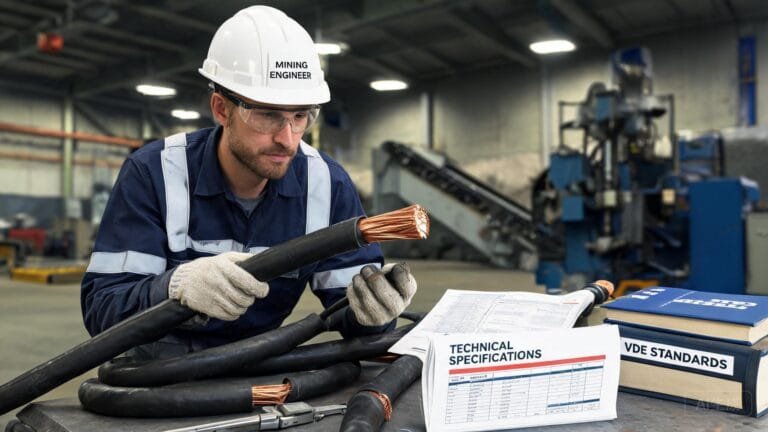
The current IEC 60245-1:2026 scope covers rigid and flexible cables with vulcanized-rubber insulation—and a sheath where applicable—up to and including 450/750 V. It does not make every rubber cable interchangeable, and it does not cover the complete universe of special medium-voltage mining or reeling designs. For those projects, the governing product standard and approved data sheet must be identified separately.
Choose the Conductor for Routing and Movement
Bare copper or tinned copper
Bare annealed copper is widely used where conductivity, availability and cost are the main considerations. Tinned copper may be selected for a cable design intended for humid, marine, mining or other corrosive environments, but the coating is only one part of the protection system. Water-blocking, sealing, sheath integrity and termination design still matter.
Class 5 and Class 6 flexible conductors
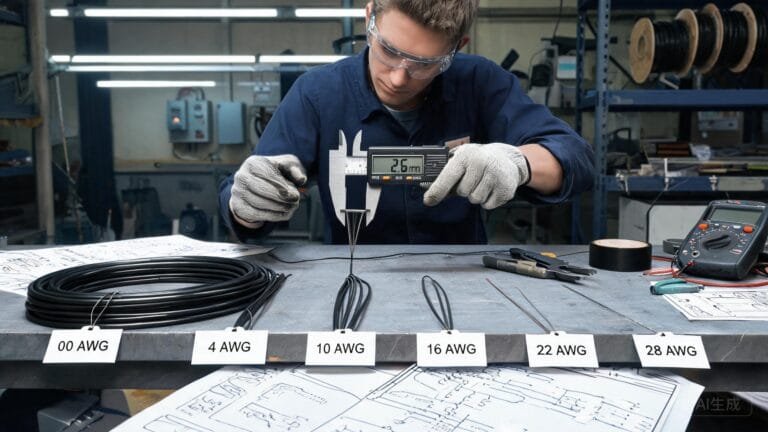
Flexible conductors use many smaller wires than conductors intended for fixed installation. IEC 60228:2023 specifies nominal cross-sectional areas and conductor requirements, including flexible copper conductors. Class 6 constructions use finer wires than Class 5 and can support greater flexibility in an appropriate cable design.
Conductor class alone does not define the bending life of the finished cable. Lay length, core arrangement, fillers, reinforcement, shielding and jacket geometry all influence dynamic performance. Fine-stranded conductors also require compatible lugs or connectors, correct preparation, approved tooling and the specified torque. Include the termination interface in the inquiry rather than treating it as an installation detail to solve later.
Match Insulation and Sheath Materials to the Job
Insulation and sheath do different work. Insulation provides the dielectric barrier around the conductor. The sheath protects the cable against the mechanical and environmental conditions outside it. A material can be useful in both roles, but the compound and test requirements are not automatically the same.
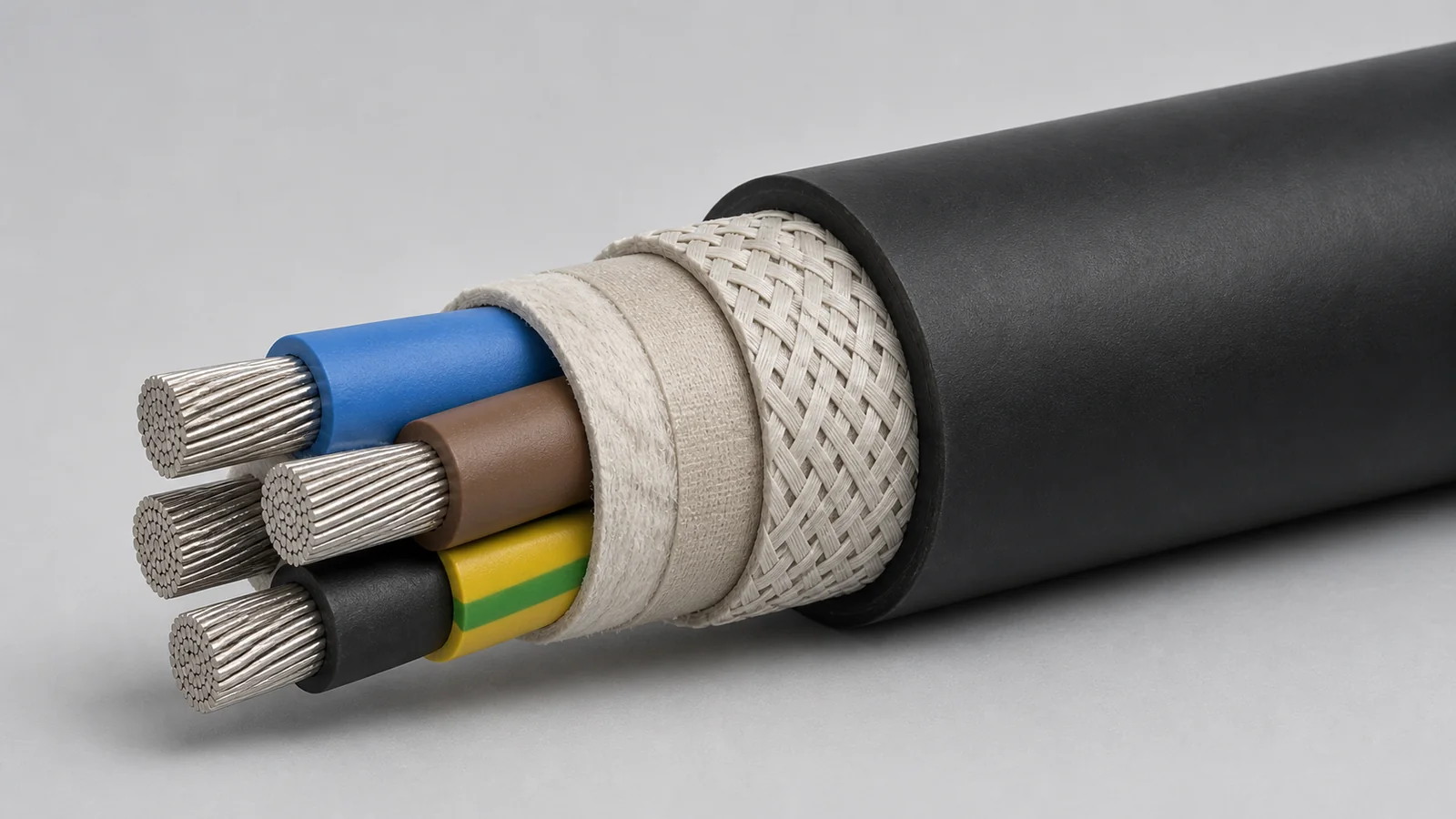
| Material family | Typical role | Why it may be considered | What to verify |
|---|---|---|---|
| EPR / HEPR | Insulation | Electrical performance, flexibility and use in many industrial or medium-voltage constructions | Voltage class, thickness, temperature rating and applicable product standard |
| EPDM | Insulation or elastomeric layer | Weathering and ozone performance in properly formulated compounds | Exact compound designation, thermal rating and compatibility with the full construction |
| Silicone rubber | Insulation or sheath in high-temperature designs | Flexibility across a broad temperature range | Tear strength, mechanical protection, temperature class and installation environment |
| CR / PCP | Outer sheath | Balanced weather, ozone, mechanical and oil-related performance | Oil, flame, UV and abrasion test results for the offered cable |
| CPE / CSP | Outer sheath | Industrial weathering, chemical or mechanical protection depending on formulation | Compound-specific chemical, flame, sunlight and low-temperature data |
| NBR-based compound | Outer sheath | Oil or fuel exposure where the tested formulation is suitable | Fluid type, concentration, temperature, exposure duration and test method |
| PUR / TPU | Thermoplastic outer jacket | Abrasion, cut resistance and dynamic use in suitable cable designs | Hydrolysis, microbial, oil, UV, temperature and motion requirements |
A material table is a screening tool, not a product approval. The cable marking, manufacturer data sheet and project test requirements remain controlling. If low smoke, halogen-free, flame-retardant or fire-resistant performance is required, specify the exact test standard and acceptance level instead of asking for “fireproof rubber.”
Treat Movement as a Separate Design Input
“Flexible” describes an important cable characteristic, but it does not describe the motion profile. A cable installed around a tight route and then left stationary experiences a different load from a cable dragged over the ground, wound onto a drum, twisted by a crane spreader or cycled continuously in automated equipment.
- Fixed after installation: routing flexibility and bend radius matter, but repeated-cycle life may not.
- Occasional movement: vibration, handling frequency and strain relief must be defined.
- Trailing: the cable may face abrasion, tensile load, impact and uncontrolled bending.
- Reeling: drum geometry, speed, acceleration, tension, fleet angle and layer build affect the design.
- Torsion: twist angle, cable length, cycle rate and direction changes must be stated.
- Continuous bending: bend radius, travel, speed and target cycles require a cable engineered for the motion.
For a more detailed motion-focused workflow, use the mobile equipment cable selection checklist. It helps separate conductor flexibility from the mechanical design of the complete cable.
Common Rubber Cable Families and Applications
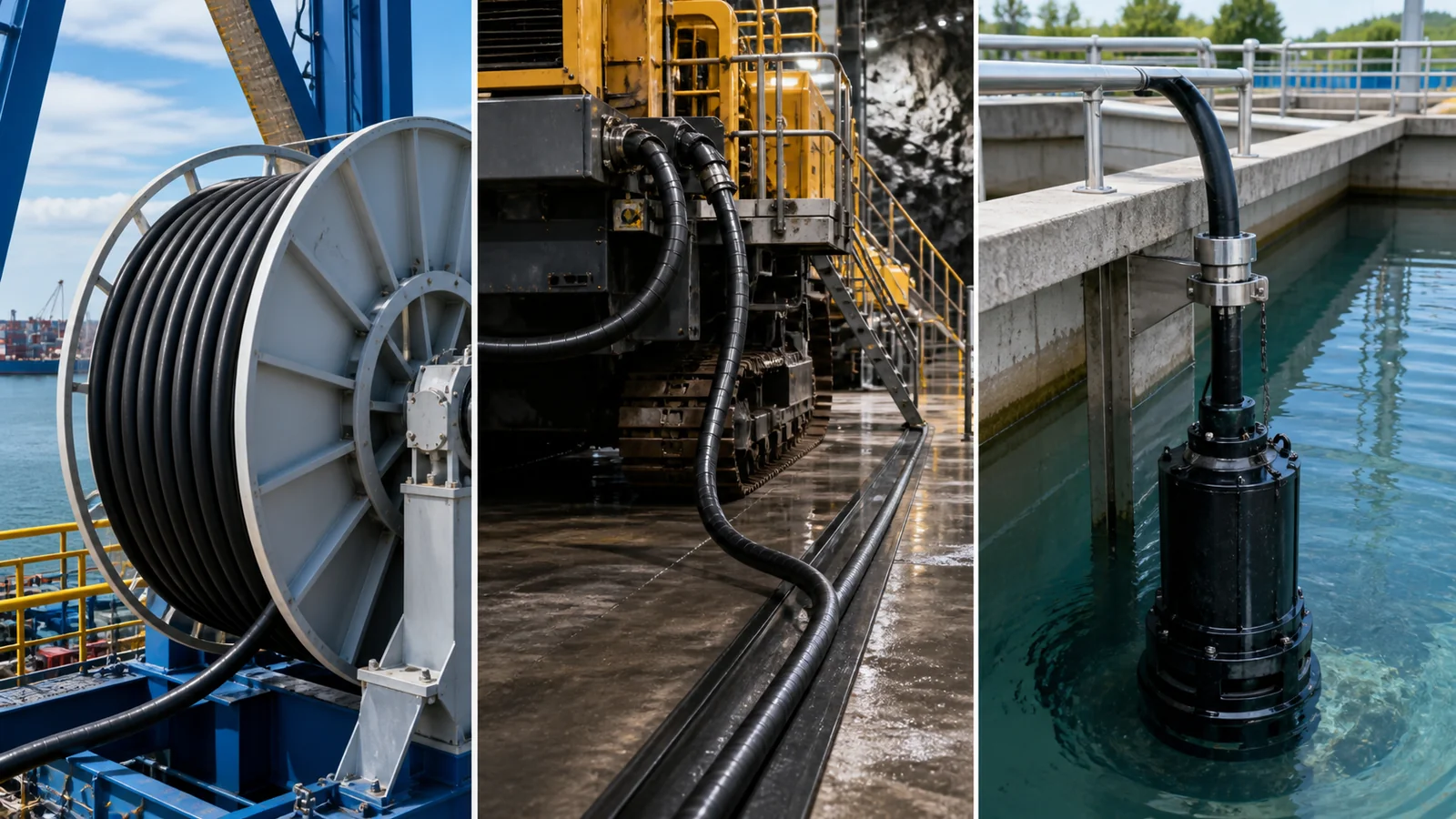
- H05 and H07 rubber cable families: used for flexible low-voltage connections at defined duty levels. Review the H07 series rubber round cables to compare H07RN-F, H07BN4-F, H07RN8-F and special versions rather than treating them as one product.
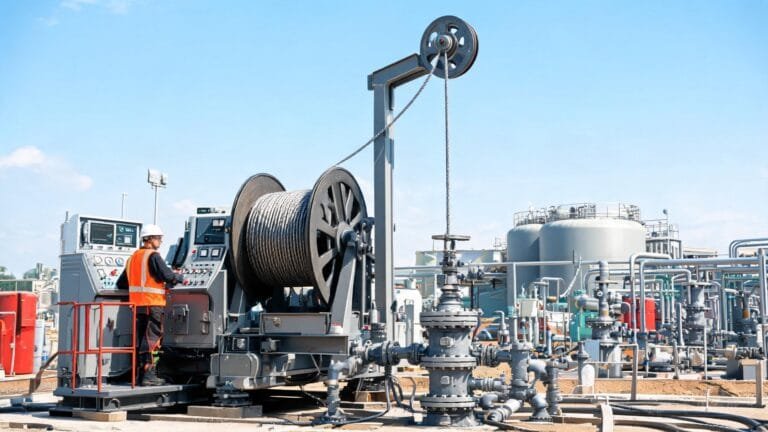
- Mining and trailing cables: designed around mechanical stress, flame requirements, voltage level, protective conductors, monitoring cores and the mine’s governing standard.
- Marine flexible cables: may require tinned conductors, oil resistance, low-smoke or fire performance and approvals specific to the vessel or offshore project.
- Crane, reeling and festoon cables: require a defined movement profile, tensile management, suitable reinforcement and a jacket matched to abrasion and weather exposure.
- Welding cables: use highly flexible conductors for welding circuits, but their voltage marking and intended use should not be assumed equivalent to an industrial power cable.
- Submersible cables: require a water-ingress strategy, sealed terminations and a documented immersion depth and duration; a generic outdoor rubber cable is not automatically submersible.
- High-temperature flexible cables: often use silicone or another heat-resistant system, with mechanical protection selected for the actual installation.
The rubber and flexible cable range provides a starting point, but the final product must be matched to the complete operating conditions.
Eight Inputs That Turn a Request Into a Verifiable RFQ
The most useful rubber cable types can only be shortlisted when engineering and purchasing share the same project inputs. The following checklist turns a general request into a specification that can be quoted, reviewed and tested.
| RFQ input | Details to provide | What it controls |
|---|---|---|
| 1. Electrical system | Rated voltage U₀/U, AC or DC, current, frequency, grounding arrangement and circuit length | Insulation system, conductor sizing, voltage drop and electrical stress design |
| 2. Cable configuration | Number of cores, conductor size, Class 5 or 6 preference, bare or tinned copper, protective and control cores | Electrical capacity, flexibility, overall diameter and termination method |
| 3. Movement | Fixed, occasional flex, trailing, reeling, torsion or continuous bending | Stranding, core lay, reinforcement, geometry and dynamic test requirements |
| 4. Environment | Temperature, oil or chemical contact, UV, ozone, salt spray, water depth and exposure duration | Insulation, sheath, water-blocking and compound test requirements |
| 5. Mechanical duty | Tensile load, speed, acceleration, bend radius, travel distance, drum or guide dimensions and abrasion risk | Strength members, reinforcement, cable diameter and installation limits |
| 6. Fire and approvals | Flame, low-smoke, halogen-free or fire-resistance standard plus market or industry certification | Compound selection, construction, testing and marking |
| 7. Interfaces | Lugs, connectors, glands, drum, guide system, enclosure and equipment entry | Conductor compatibility, sealing, strain relief and installation space |
| 8. Commercial documents | Quantity, cut lengths, packaging, destination, schedule, inspection, certificates and test reports | Manufacturing plan, quality documentation and comparable quotation |
When any input is unknown, mark it as an engineering question instead of filling the gap with a generic assumption. A supplier can then identify which details must be confirmed before a final construction and price are approved.
Common Mistakes When Choosing Rubber Cable
- Selecting by product name only. H07RN-F, mining cable, reeling cable and welding cable describe different families; the exact construction and marking still control.
- Using voltage as the complete specification. Two cables with the same U₀/U can have very different movement, environment and approval limits.
- Assuming Class 6 means continuous flex. The conductor can be highly flexible while the core assembly, shield or jacket remains unsuitable for repeated motion.
- Treating a material abbreviation as a guarantee. Ask for compound-specific test data for oil, UV, flame, temperature, water or chemicals.
- Leaving accessories until installation. Terminations, glands, guides and drums interact with conductor class, cable diameter, sealing and bend limits.
Frequently Asked Questions
Is every rubber cable made from natural rubber?
No. Modern rubber cables commonly use synthetic elastomer compounds such as EPR, EPDM, chloroprene or CPE. Some flexible cables use PUR, TPU or low-smoke polymer jackets that are not strictly rubber. Always specify the required performance and verify the offered material system.
What is the difference between H05RN-F and H07RN-F?
They belong to different harmonized cable designations and voltage/duty categories. H05RN-F is commonly associated with 300/500 V service, while H07RN-F is associated with 450/750 V and heavier duty. The applicable standard, core size, temperature and installation limits still require confirmation.
Is Class 6 always better than Class 5?
No. Class 6 uses finer wires and can offer greater conductor flexibility, but the best choice depends on motion, termination, cable design and cost. A complete Class 5 cable designed for a defined reeling duty can be more appropriate than a generic Class 6 cable.
Can H07RN-F cable be used underwater?
Do not assume so from the H07RN-F name alone. Continuous immersion requires a cable specifically documented for the water depth, duration, pressure, water type and termination system. A related designation such as H07RN8-F may be relevant, but the exact data sheet and approval remain controlling.
What information is needed for a rubber cable quotation?
Provide voltage, current, circuit length, cores and conductor size, movement profile, environment, mechanical loads, fire and certification requirements, terminations, quantity, cut lengths, packaging, destination and required test documents. Include drawings for drums, guides or equipment entries where applicable.
A Better Way to Select Rubber Cable
The right rubber cable types emerge from a combined review of voltage, conductor, insulation, sheath and operating duty. Start with the eight RFQ inputs, then verify the offered cable marking, data sheet, test evidence and accessories. To review a project with TEBAOFLEX, send your project requirements with the electrical, movement and environmental details.