
Electrical systems play an essential role in modern industries, powering machinery, automation equipment, production lines and infrastructure. However, electrical failures can create serious safety risks, including overheating, short circuits and electrical fires.
For industrial environments, choosing reliable electrical components and following proper safety practices are critical to reducing fire hazards and improving operational safety.
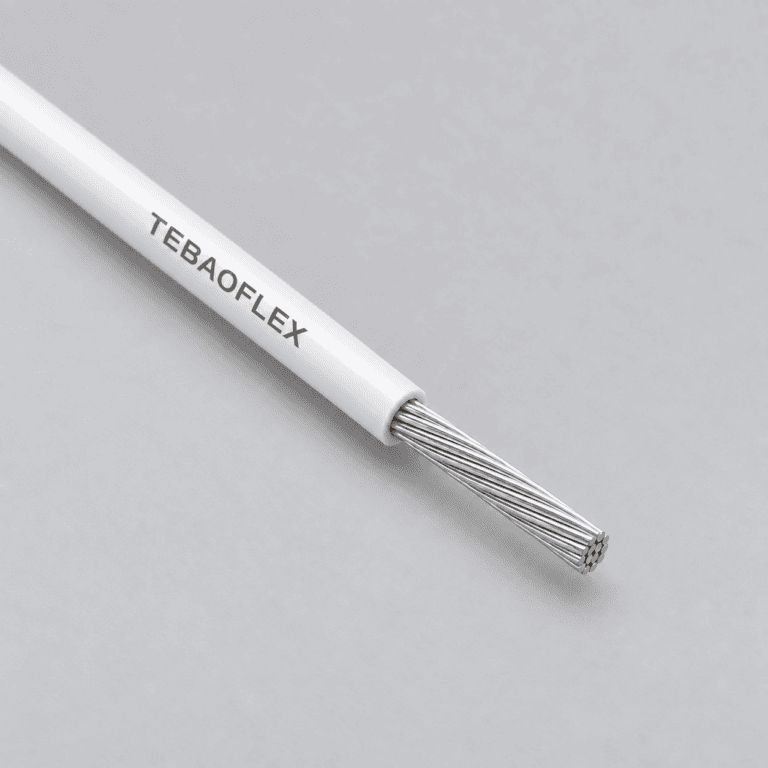
As a professional cable manufacturer, TEBAOFLEX CABLE understands that cable quality, installation standards and regular maintenance all contribute to safer electrical systems.
Common Causes of Electrical Fires
Electrical fires can occur for many reasons. In most cases, they are related to equipment failure, improper installation or unsuitable electrical components.
1. Overloaded Electrical Circuits
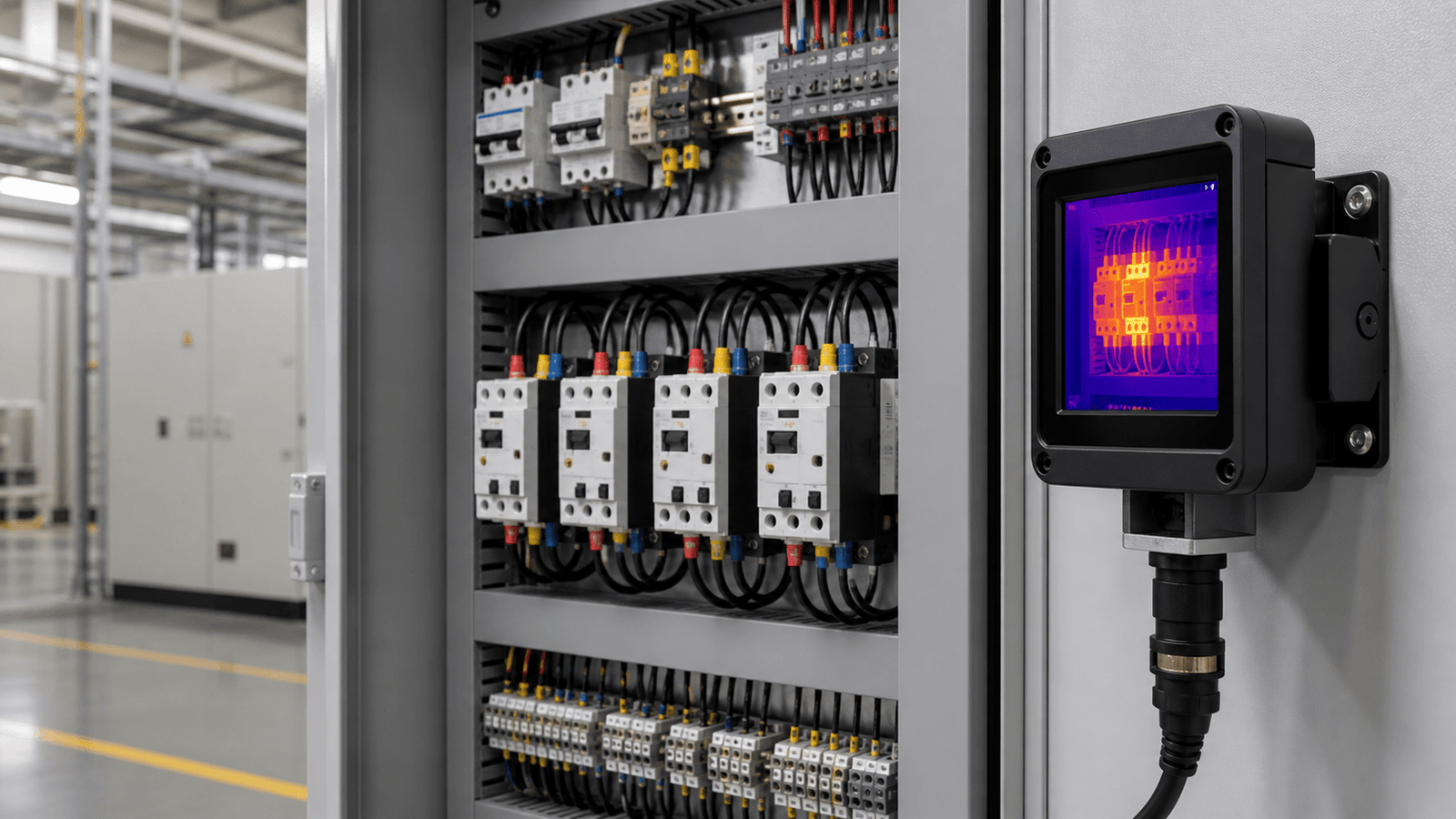
One of the most common causes of electrical fires is circuit overload.
When electrical equipment consumes more current than a cable or circuit is designed to handle, excessive heat can build up. Over time, this may damage insulation and create a potential fire hazard.
Common situations include:
- Connecting too many devices to one circuit
- Using cables with insufficient capacity
- Operating equipment beyond rated power
Selecting the correct cable size and rated voltage is essential for safe operation.
2. Damaged or Aged Cable Insulation
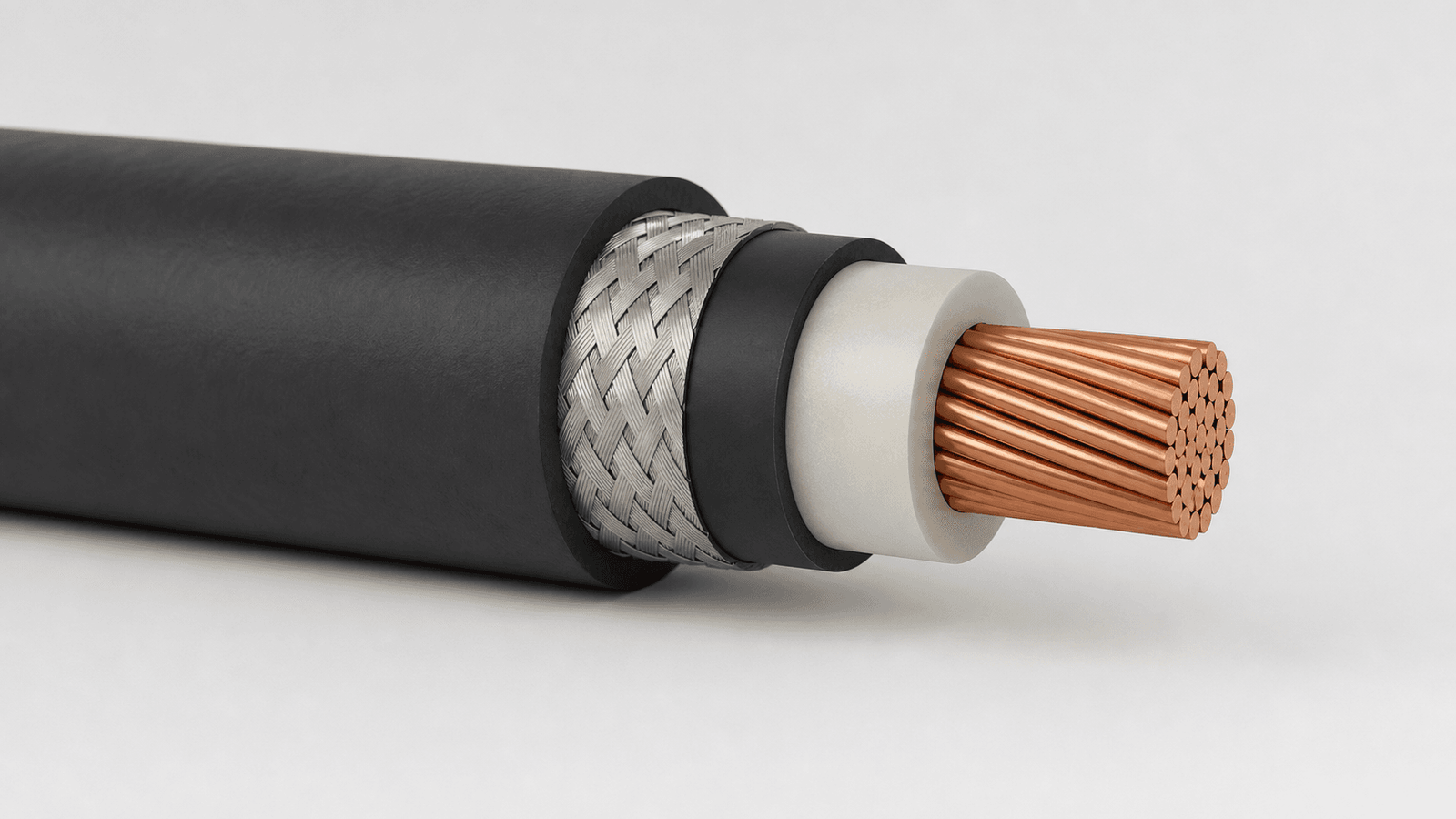
Cable insulation provides protection between conductors and the surrounding environment.
However, cables used in harsh industrial conditions may experience:
- Mechanical wear
- Abrasion
- Oil exposure
- High temperatures
- Repeated bending
Damaged insulation can lead to short circuits, leakage currents and increased fire risks.
For demanding environments, flexible industrial cables with durable outer jackets, such as PUR and rubber cables, provide improved protection against mechanical and environmental stress.
3. Poor Cable Connections
Loose connections can generate resistance and heat.
Over time, this may result in:
- Hot spots
- Melting insulation
- Electrical sparks
- Fire hazards
Proper installation, suitable connectors and regular inspections help prevent connection-related failures.
4. Excessive Heat and Harsh Environments
Industrial cables are often exposed to challenging conditions, including:
- High temperatures
- Chemical exposure
- Outdoor weather
- Continuous vibration
Using standard cables in unsuitable environments may accelerate insulation aging.
Specialized cables designed for industrial applications can provide better resistance and longer service life.
Safety Tips to Reduce Electrical Fire Risks
Choose the Right Cable for the Application
Cable selection should consider:
- Operating voltage
- Current load
- Temperature conditions
- Mechanical stress
- Installation environment
For example:
- Mining equipment requires highly durable mining cables
- Moving machinery requires flexible cables
- Outdoor equipment requires weather-resistant cable solutions
The right cable helps maintain system reliability and safety.
Perform Regular Cable Inspection
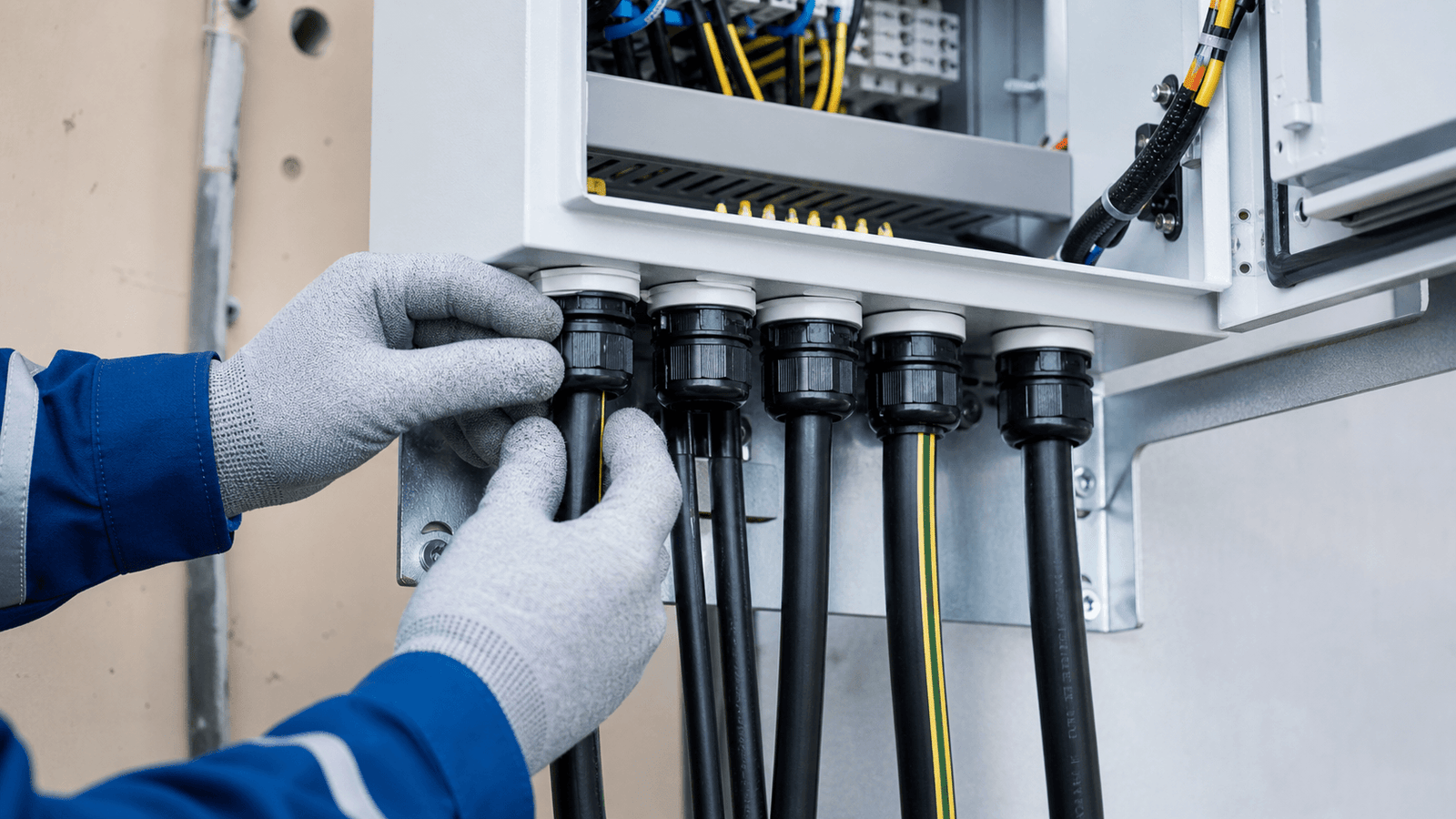
Routine inspection can identify potential problems before they become serious.
Check for:
- Cracked insulation
- Exposed conductors
- Discoloration caused by overheating
- Unusual smells
- Loose connections
Early detection can prevent equipment damage and safety incidents.
Avoid Using Damaged Cables
Damaged cables should not continue operating because small insulation problems can develop into major electrical failures.
Replace cables when signs of:
- Severe wear
- Mechanical damage
- Insulation breakdown
are found.
Keep Electrical Equipment Clean and Protected
Dust, moisture and contaminants can increase electrical risks.
Industrial environments should maintain:
- Proper cable protection
- Clean electrical panels
- Suitable cable management systems
This is especially important in factories, workshops and outdoor installations.
The Role of High-Quality Cables in Electrical Safety
A reliable cable is not only responsible for power transmission but also for system protection.
Industrial cables from TEBAOFLEX are designed for demanding applications where durability and safety are important.
Features include:
- Flame-retardant materials
- Strong insulation protection
- Abrasion-resistant jackets
- Oil and weather resistance
- High flexibility for moving applications
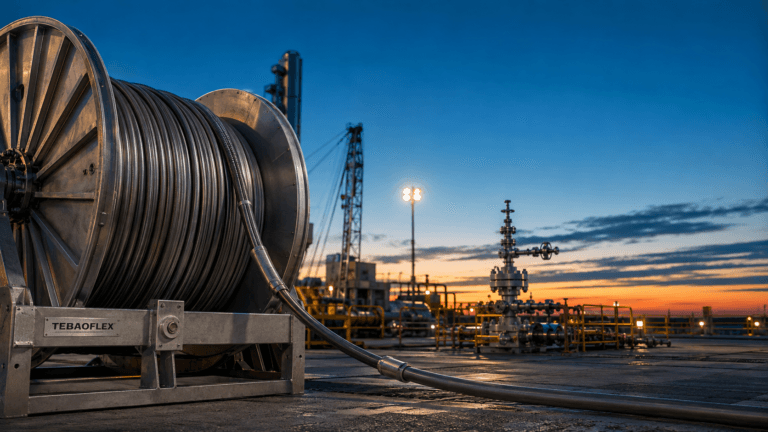
These characteristics help cables perform reliably in industries such as:
- Mining
- Ports and cranes
- Automation
- Oil & gas
- Heavy industrial equipment
How TEBAOFLEX Supports Safer Industrial Applications
Different industries face different electrical challenges. A cable used in a mining environment must withstand mechanical impact, while a cable used in automation systems must handle millions of bending cycles.
TEBAOFLEX provides customized cable solutions based on:
- Application requirements
- Environmental conditions
- Mechanical stress
- Electrical specifications
From flexible control cables to heavy-duty rubber cables, TEBAOFLEX helps customers improve electrical system reliability in demanding environments.
FAQ
What are the main causes of electrical fires?
The main causes include overloaded circuits, damaged insulation, poor connections, overheating and using unsuitable electrical components.
How can cable selection improve electrical safety?
Choosing the correct cable based on voltage, current capacity, environment and mechanical requirements helps reduce overheating, insulation damage and potential electrical failures.
Are flexible industrial cables safer for moving equipment?
Yes. Flexible industrial cables are designed to withstand repeated movement, bending and mechanical stress, helping reduce failures caused by cable fatigue.
Conclusion
Electrical fire prevention requires a combination of proper equipment selection, correct installation and regular maintenance. In industrial environments, using cables designed for specific operating conditions is an important step toward improving safety and reliability.
By selecting suitable cable solutions and following good electrical practices, companies can reduce risks, protect equipment and create safer working environments.
TEBAOFLEX CABLE provides reliable flexible cable solutions for industrial applications where safety, durability and performance matter.
Industrial Electrical Safety Checklist
Before commissioning an industrial electrical installation, confirm the cable voltage rating, insulation condition, termination quality and protection against heat, moisture and contamination. In addition, schedule inspections around load changes, vibration points and high-temperature areas so that developing faults can be addressed early.
For cable selection support or a project-specific recommendation, contact the TEBAOFLEX cable team with the installation environment, voltage, conductor size and expected duty cycle.