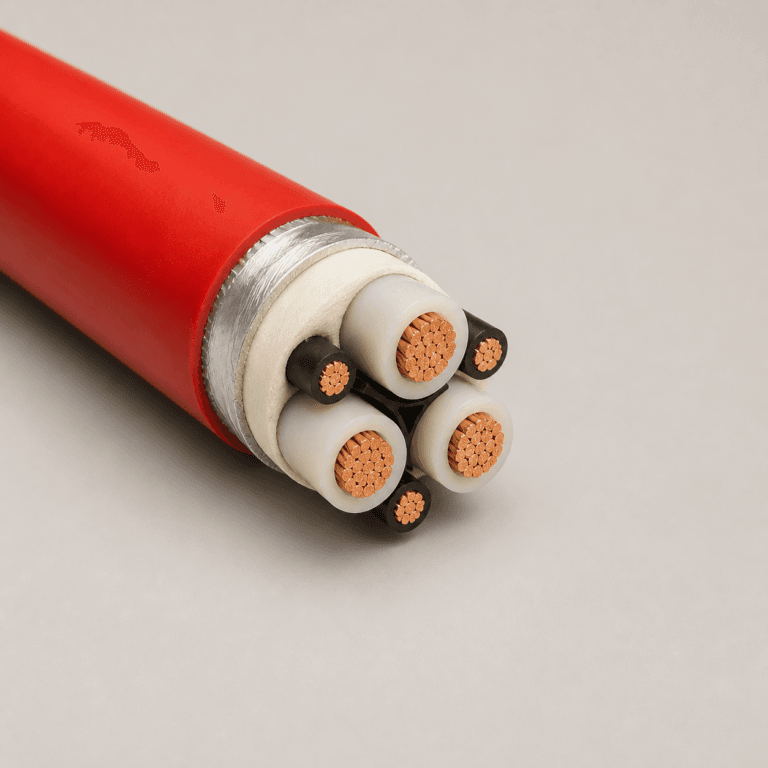

Flat shielded cables are often selected for crane systems, hoists, transport equipment and moving industrial machinery where space, bending direction and signal reliability all matter. In many festoon installations, cable movement is not random; the cable bends repeatedly in one defined plane. This is where flat cable designs such as YCFLY, YFLCY, KYCFLY and KYFLCY EMC can offer a practical advantage over conventional round cables.
These cable types are used for power supply, control circuits and signal transmission in industrial environments. When electrical noise is present around motors, drives, control panels or automation equipment, the shielded construction helps reduce electromagnetic interference and supports more stable system operation.
Why Flat Shielded Cables Are Used in Festoon Systems
Festoon systems are common in overhead cranes, gantry cranes, hoists, conveyor systems and material handling equipment. The cable is carried by trolleys and moves back and forth as the machine operates. A flat cable structure allows the cores to sit side by side, which helps the cable bend more predictably in one plane.
For users, this means easier installation, better space use and smoother cable travel in many moving applications. When the cable also includes a copper screen, it can help protect control and signal circuits from external electrical disturbance.
Understanding YCFLY, YFLCY, KYCFLY and KYFLCY EMC Cable Types
The exact construction can vary by manufacturer and project standard, but these flat cable families are generally used for low-voltage power, control and signal transmission in moving or fixed industrial systems.
- YCFLY is generally used as a flat flexible cable for festoon and moving equipment applications.
- YFLCY usually refers to a shielded flat cable design, suitable where signal protection or EMC performance is required.
- KYCFLY is often selected for control cable applications in crane, hoist and transport systems.
- KYFLCY EMC adds shielding for applications where electromagnetic interference may affect control or signal circuits.
For customers comparing these cable types, the important point is not only the model code. The final choice should also consider voltage, conductor size, number of cores, shielding type, bending radius, travel distance, installation speed and working environment.
Shielding for Power, Control and Signal Transmission
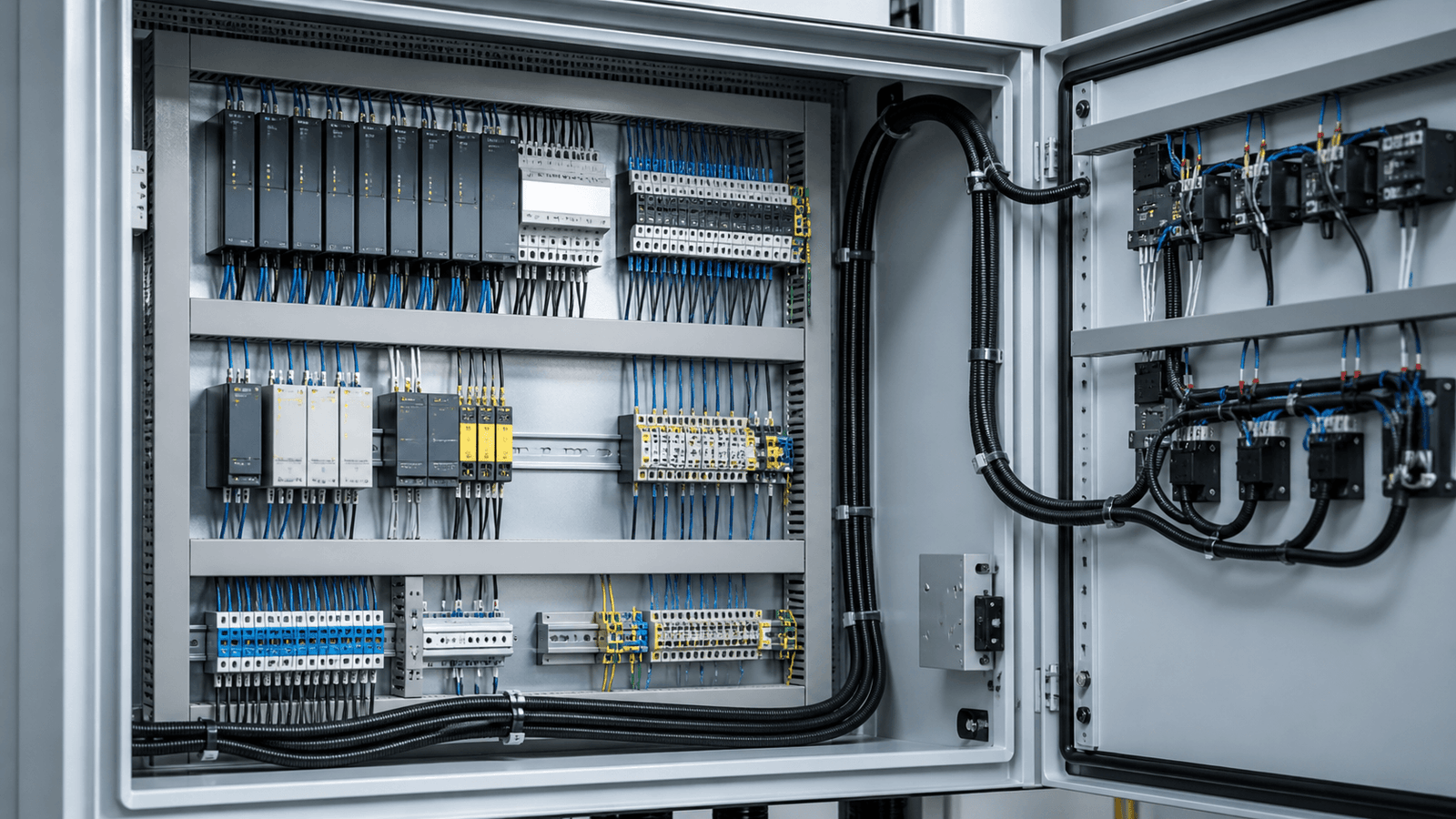
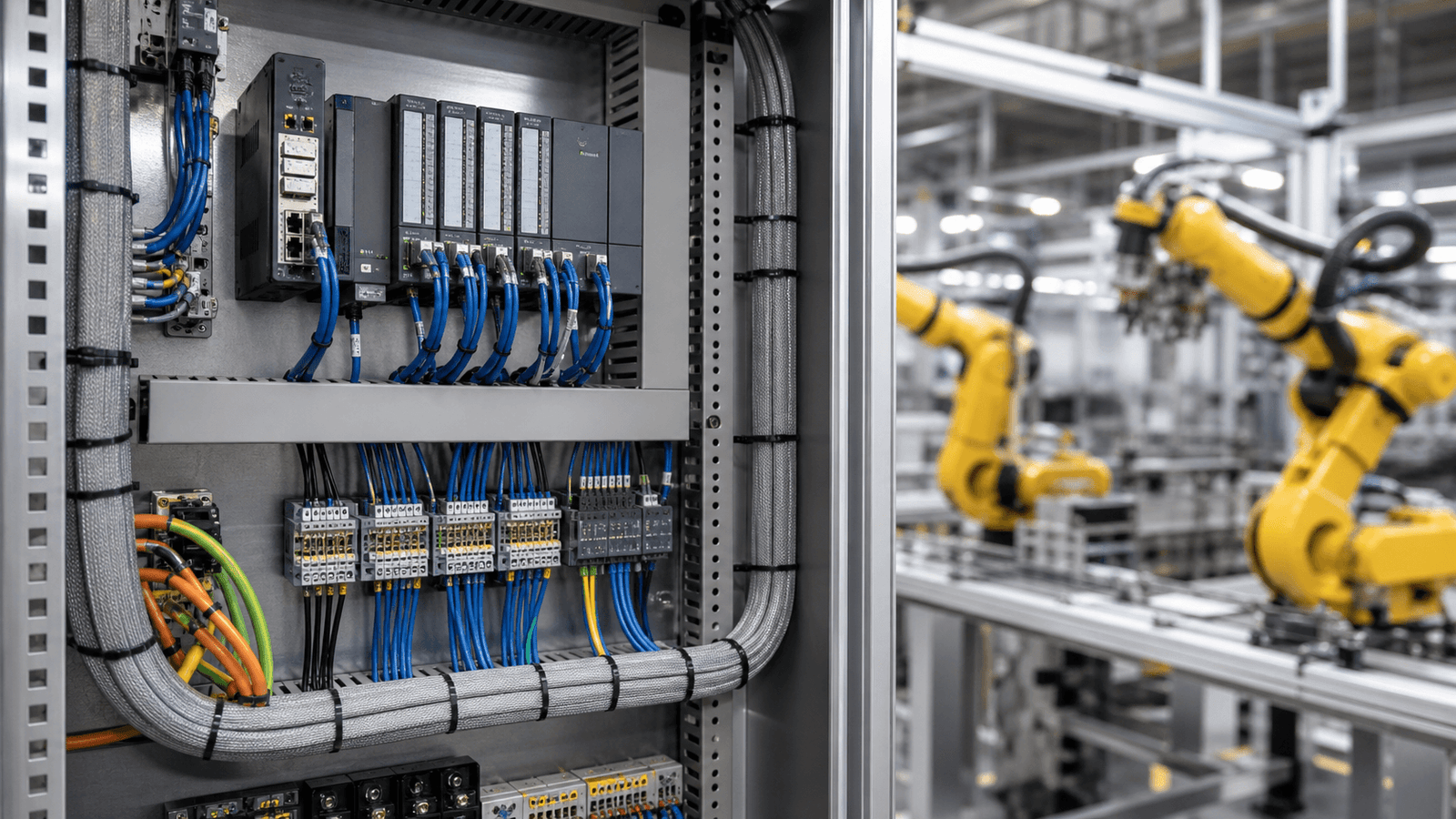
In modern industrial sites, electrical interference can come from variable frequency drives, motors, switching equipment and nearby power cables. For control and signal circuits, this interference may cause unstable readings, communication errors or unreliable equipment response.
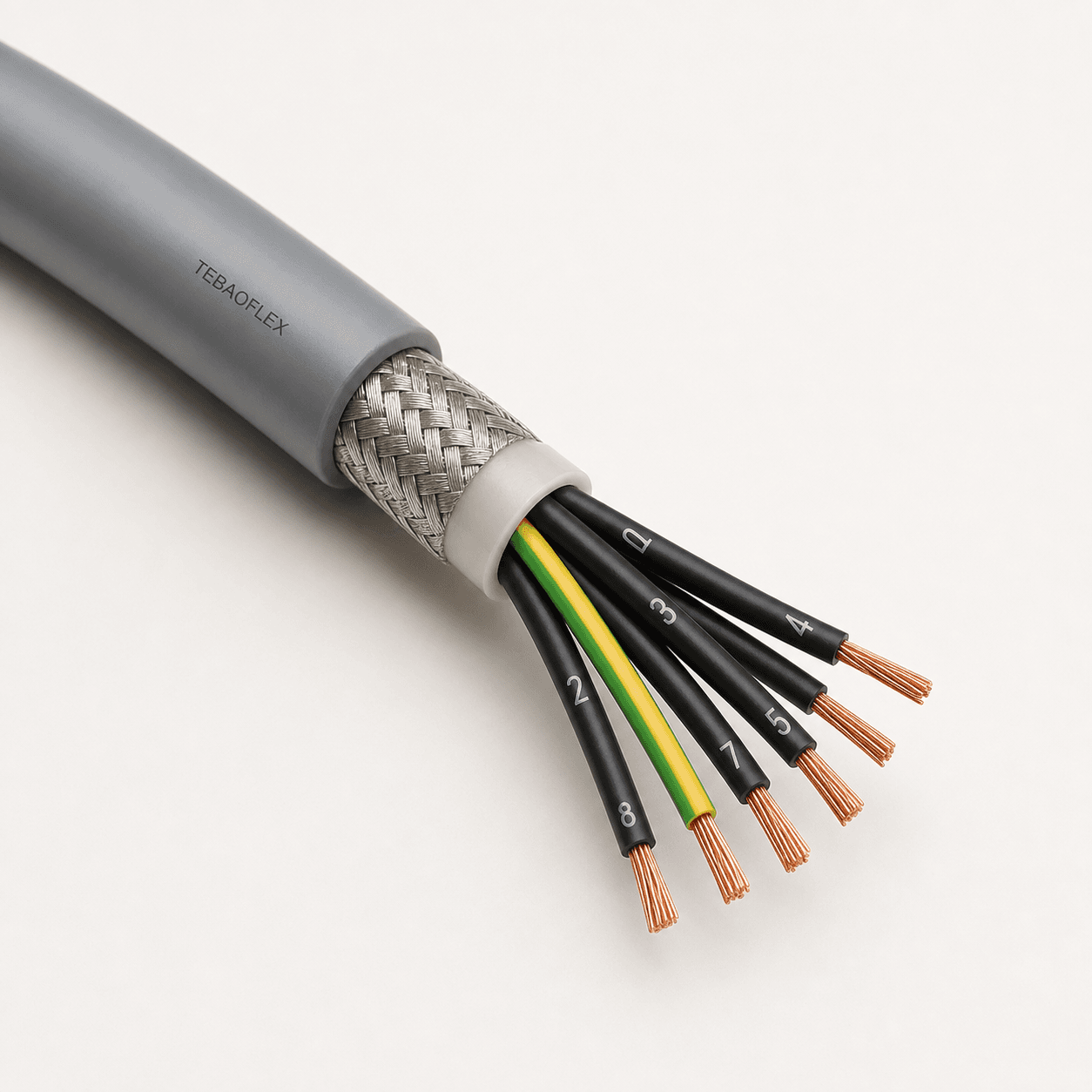
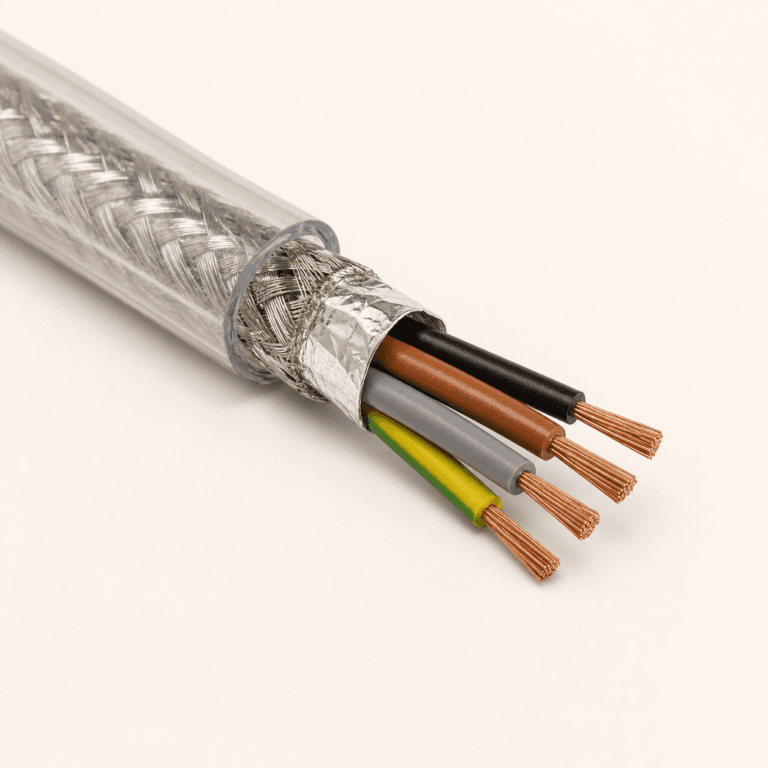
A shielded flat cable uses a copper screen or similar shielding structure to help reduce the effect of external electromagnetic noise. This is especially useful in crane control systems, machine tools, automated handling systems and production lines where power and signal cables often work close to each other.
Typical Applications of Flat EMC Festoon Cables
Flat shielded cables are commonly used in overhead cranes, container cranes, hoists, conveyor equipment, high rack transport systems, machine tools, control panels and industrial automation systems. They are suitable for applications where the cable bends mainly in one direction and where the installation requires organized cable movement.
In port and crane projects, flat EMC festoon cables can be used for control and signal functions alongside other crane power cable systems. For a product example within this cable family, see the TEBAOFLEX KYFLCY Flat EMC Festoon PVC Cable, designed for crane, hoist, transport equipment and industrial control applications.
How to Select the Right Flat Shielded Cable
Before selecting a YCFLY, YFLCY, KYCFLY or KYFLCY EMC cable, project engineers should review the installation carefully. A cable that works well in a short indoor festoon system may not be suitable for a long travel crane, outdoor port equipment or high-speed moving system.
- Voltage rating: choose the correct rating for power, control or signal circuits.
- Core number and conductor size: match the equipment wiring design and current load.
- Shielding requirement: use screened designs where EMC protection is needed.
- Bending direction: flat cables are mainly intended for bending in one plane.
- Environment: consider moisture, oil exposure, UV, temperature and mechanical stress.
- Installation method: check trolley spacing, travel length, speed and bending radius.
TEBAOFLEX Support for Flat Shielded Cable Projects
TEBAOFLEX supplies flexible cable solutions for crane, port, mining, marine, oil and gas, automation and heavy industrial applications. For flat shielded cable projects, our team can support cable selection based on conductor size, core arrangement, shielding design, sheath material, operating environment and equipment movement conditions.
If the project requires a PVC flat festoon cable with EMC protection, KYFLCY can be a useful option. For harsher environments, rubber, PUR or special sheath designs may also be considered. You can explore more related cable options in our Port, Crane & Festoon Cables and Industrial & Control Cables categories.
Frequently Asked Questions
What are flat shielded cables used for?
Flat shielded cables are used for power, control and signal transmission in cranes, hoists, festoon systems, transport equipment, machine tools and industrial automation systems where repeated bending and EMC protection are required.
Why is shielding important in flat festoon cables?
Shielding helps reduce electromagnetic interference from motors, drives and nearby power circuits. This is useful for control and signal cables where stable transmission is important for reliable equipment operation.
Is KYFLCY suitable for all moving cable applications?
KYFLCY is mainly suitable for flat festoon systems and bending in one plane. For drum reeling, torsion, high tensile load or harsh outdoor use, the cable design should be checked according to the actual installation conditions.
Specify the Flat Cable by Circuit and Route
Flat screened cable selection starts with the equipment function and installation route. YCFLY, YFLCY, KYCFLY and KYFLCY designations should be compared against the approved product documentation, not treated as interchangeable names. Confirm voltage, conductor size, number of cores, protective-conductor requirement, screen construction, bending route and any support or guide arrangement.
Flat geometry can help where equipment needs an organized cable layout, but the route still determines mechanical requirements. State whether the cable is fixed, moving in a festoon system, flexing with a machine element or exposed to edge contact. The selected construction must match the actual duty.
EMC Screening Is a System Requirement
A screen may be required where control or signal circuits run near power equipment, drives or other interference sources. Specify the circuit type, cable route, separation from power conductors and the required grounding or termination method. The screen must be terminated according to the equipment design and relevant installation instructions; a shield alone does not replace correct system layout.
Installation Checks
Before installation, review the cable path, clamps, guide surfaces, bend zones, connector orientation and strain-relief points. Avoid sharp edges, uncontrolled rubbing and unsupported cable weight. Record the installed cable identification and route during commissioning to support later inspection and maintenance.
| RFQ input | Why it matters |
|---|---|
| Equipment and circuit function | Defines power, control or signal construction. |
| Voltage, conductor size and core count | Establishes electrical configuration. |
| Route and movement | Supports review of mechanical duty. |
| EMC and termination requirement | Supports screening and installation review. |
| Environment and quantity | Informs jacket, protection and quotation. |
Common Selection Mistakes
Do not specify a flat shielded cable by size alone, assume all screens meet the same system requirement, or leave the moving route undefined. Provide the application drawing and relevant project documents so the cable construction can be reviewed accurately.
Next Step
Need help selecting a flat screened cable? Send TEBAOFLEX CABLE the application, voltage, conductor size, core count, route, movement, EMC requirement, installation environment and quantity. Contact our engineering team for a cable selection review.