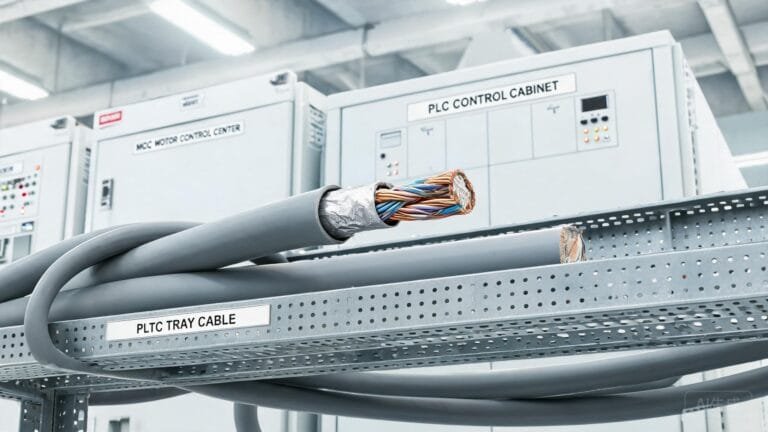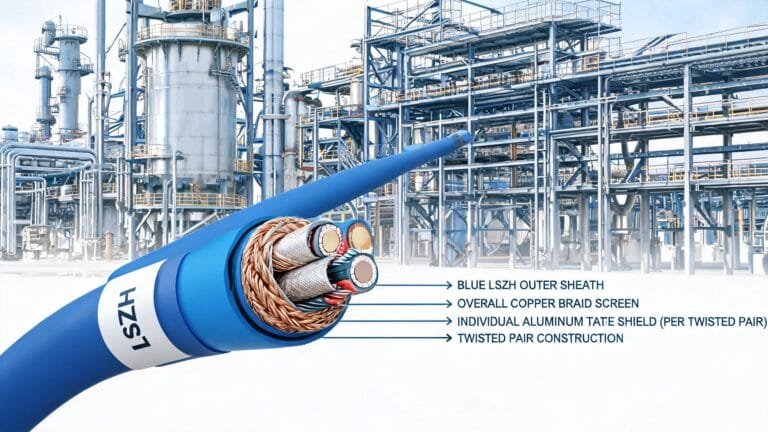

Port cranes rely on moving power and control connections that must work with the reel system, not merely reach the required length. A cable installed on a ship-to-shore crane, rubber-tyred gantry crane, bulk-handling machine or mobile harbour unit can experience repeated winding and unwinding, changing tension, guide contact and weather exposure. Selecting a port crane reeling cable therefore starts with the whole operating arrangement: cable, drum, guide, drive, route and electrical load.
This guide helps crane OEMs, terminal engineers, maintenance teams and procurement managers identify the application data that matters before comparing reeling cable constructions or requesting a quotation.
Why Port Crane Reeling Cable Selection Is Different
A reeling cable is designed for an application involving a drum or cable reel. It is not interchangeable with a fixed-installation power cable simply because the voltage and conductor size appear similar. The route introduces mechanical conditions that must be reviewed with the electrical requirement: bending as the cable enters and leaves the drum, tension from the equipment movement, contact with guide components, layer build-up on the reel and the handling of power, control or communication circuits.
Port environments can add windblown dust, moisture, salt-laden air, ultraviolet exposure and large temperature changes. The actual severity varies by terminal, crane position and maintenance practice. Instead of relying on generic “marine” or “outdoor” wording, record the conditions that the cable actually sees and review them against the relevant product documentation.
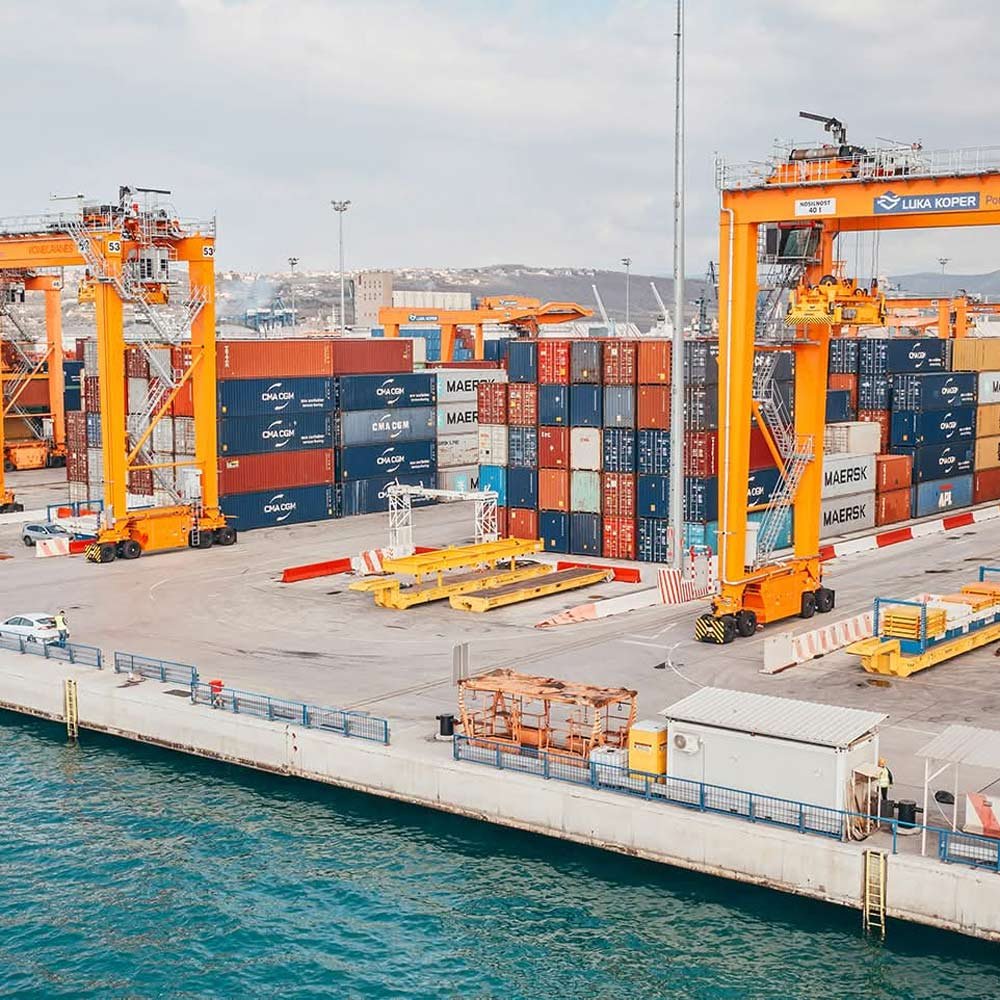
Map the Reeling System Before Selecting the Cable
The most useful starting point is a route map. Identify the drum type, the cable entry and exit direction, the guide arrangement, the route to the machine and all movement directions. A motorized drum, spring-driven reel and other reel arrangements can create different tension and control requirements. The cable should be reviewed together with the drum designer’s operating information.
Record the mechanical inputs
Provide the installed length, drum dimensions, route layout, expected travel, cable-guide details and the available space at bending points. Clarify whether the cable is wound in a single layer or multiple layers and whether it shares the reel or route with other services. If the machine has a tension-control system, document the arrangement so the cable supplier can understand the application context. These inputs help evaluate the required construction and the practical installation method.
Define the cable function
A port crane connection may carry power only, power with control cores, or a combination involving monitoring or communications. State the operating voltage, conductor size, number of power cores, protective conductor requirement, control-core count and any screen or data requirement. A cable with the right mechanical concept but an incomplete electrical arrangement is not a complete solution.
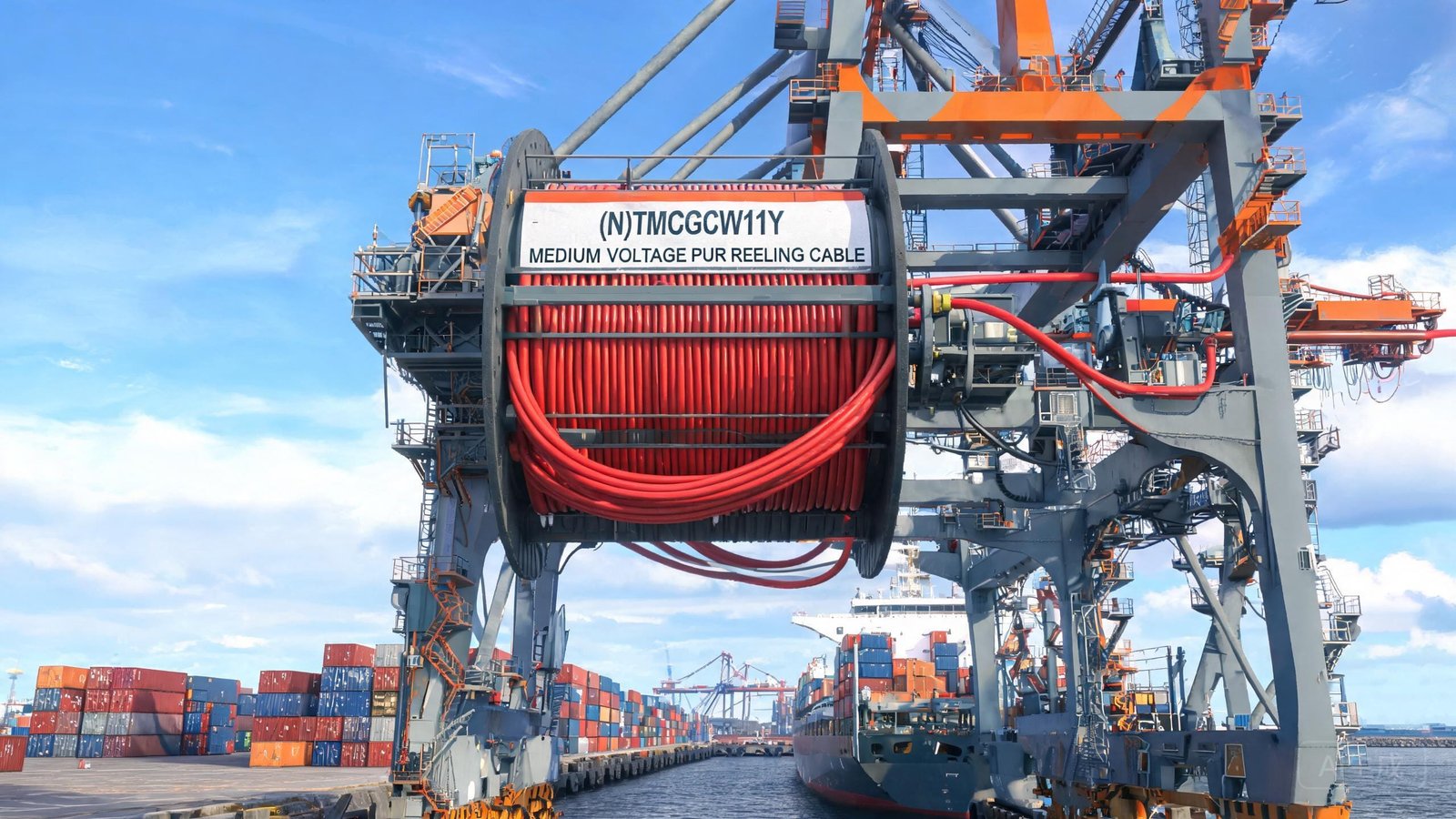
Port Crane Reeling Cable Construction: What to Review
The appropriate cable construction depends on the confirmed crane duty. Buyers commonly review conductor flexibility, core arrangement, insulation system, protective conductor arrangement, outer sheath, reinforcement where required, screen construction and any integrated control or communication elements. Not every reeling cable includes the same features, and a feature should only be specified when it supports the documented system requirement.
For example, power-only, power-and-control and monitored cable designs have different core arrangements. Where the crane uses sensitive control or drive circuits, state the signal type, equipment layout and intended grounding or termination method rather than simply asking for a “shielded cable.” Screening is part of the total electrical system and must be coordinated with the machine design.
Jacket material and mechanical protection should also be selected against the actual route. Consider guide contact, abrasion points, handling damage, cleaning practice and environmental exposure. The port crane and festoon cable category provides a useful starting point for distinguishing crane cable applications, but the final selection must follow the specified reeling duty.
Environmental Conditions at Ports
Port terminals are not uniform environments. A cable may be exposed at the boom, protected in a machinery space, routed close to a quay edge or used on equipment that moves between covered and open areas. Salt mist, rain, ultraviolet exposure, dust and surface contamination should be described accurately. If the cable will encounter hydraulic fluid, lubricants, fuels or cleaning agents, provide the substance and expected exposure conditions for a compatibility review.
Do not assume that a cable intended for an industrial crane is automatically suitable for every port location. Likewise, a cable selected for a fixed outdoor route is not necessarily appropriate for drum reeling. Installation and operating information should be assessed together with the cable’s approved product data.
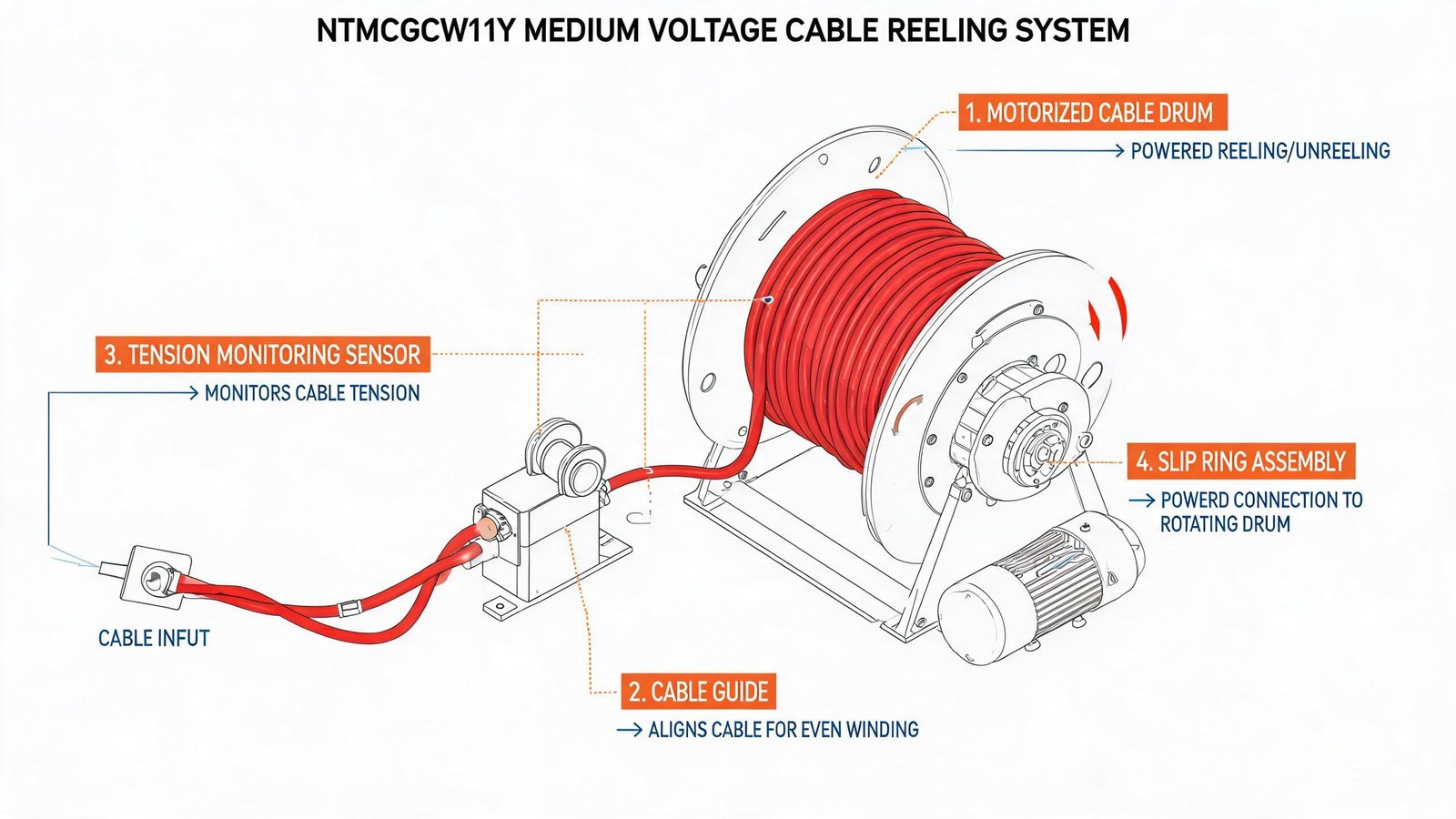
Port Crane Reeling Cable Selection Checklist
The following checklist turns a broad “crane cable” enquiry into information that can be technically reviewed. It does not replace project documents, cable datasheets or the reel manufacturer’s requirements.
| Requirement area | Why it matters | Information to provide |
|---|---|---|
| Crane and equipment type | Defines the operating context and cable route. | STS crane, RTG crane, gantry, ship loader, bulk handler or other equipment. |
| Reel and route | Determines how the cable is guided, bent and stored. | Drum type, route drawing, guide arrangement, installed length and travel. |
| Mechanical duty | Supports review of tension, bending and cable construction. | Movement description, operating pattern, cable layers and restraint method. |
| Electrical function | Defines core arrangement and any screen/control requirement. | Voltage, conductor size, power cores, control/monitoring cores and connector details. |
| Installation environment | Informs jacket and protection review. | Outdoor/indoor location, moisture, salt air, UV, dust, oil, chemicals and temperature conditions. |
| Commercial information | Supports a complete quotation review. | Required length, marking, packing, quantity, standards and project schedule. |
Common Selection Mistakes
Selecting by conductor size alone
Voltage and conductor size are essential, but they do not describe the reeling route. A full enquiry must also explain the drum, movement, guidance and environmental exposure.
Leaving tension and guide details unspecified
Mechanical requirements cannot be assessed accurately when the cable supplier does not know how the cable is wound, guided and restrained. A reel drawing or clear photographs can be highly useful.
Using a fixed-installation cable as a default substitute
Matching a basic electrical rating is not enough to establish suitability for repeated drum reeling. Confirm the intended application from the product documentation.
Ignoring control and monitoring circuits
Some crane systems need more than power cores. Identify every required circuit at the beginning so the construction can be reviewed as one cable system rather than an improvised bundle.
From Selection to a Better RFQ
When requesting a port crane reeling cable quotation, send the crane application, electrical specification, route or reel drawing, installed length, motion description, operating environment, required standards, termination needs and quantity. If this is a replacement cable, include the existing marking and explain the reason for replacement. The complete industrial cable selection guide can help procurement and engineering teams organize these inputs.
Where a project includes another crane-cable route, identify it separately. A festoon system, spreader basket cable, pendant connection and drum cable may all be present on one crane but have different duties. Related applications can also be reviewed through our H07RN-F cable applications guide when evaluating flexible power connections that are not automatically interchangeable with a reeling cable.
Installation and handover information
Before installation, align the cable data with the approved reel arrangement and the crane manufacturer’s instructions. Confirm the supplied length, termination orientation, routing path, guide condition and marking before the cable is put into service. Recording these details during commissioning gives maintenance teams a useful baseline when they later inspect the reel, guide surfaces and terminations.
FAQ: Port Crane Reeling Cable
What is the most important information for a port crane reeling cable enquiry?
Provide the reel and route details together with voltage, conductor size, core count, installed length, movement description and environmental conditions.
Can one crane cable type serve every moving connection?
No. Reeling, festoon, pendant, spreader and fixed routes can have different mechanical and electrical duties. Assess each route separately.
Does a cable for outdoor use automatically suit a cable drum?
No. Outdoor exposure and drum-reeling duty are separate requirements. Confirm the product’s intended use against the relevant documentation.
When should control or monitoring cores be included?
Include them when the crane’s electrical design requires them. Provide the circuit function, core count and any signal or screening information in the RFQ.
Can TEBAOFLEX support a customized reeling cable request?
TEBAOFLEX CABLE can review application-specific requirements for special and flexible industrial cables. A clear description of the reel, route and electrical duty supports an appropriate recommendation.
Select the Cable with the Reel System in Mind
A reliable port crane reeling cable selection begins with the real operating system: the cable drum, route, tension, electrical circuits and environmental exposure. That approach helps engineering and procurement teams compare cable constructions on relevant criteria rather than on a short product description.
Need help selecting a reeling cable for port equipment? Send TEBAOFLEX CABLE your crane application, reel or route details, voltage, conductor size, number of cores, movement, installation environment, required standards and quantity. Our engineering team can review the requirements and recommend a suitable cable solution. Contact TEBAOFLEX CABLE about your port crane cable requirement.