Application
Identify the pump, ROV, dredger, underwater sensor, camera, tow system or subsea machine.

TEBAOFLEX provides cable solutions for submersible pumps, ROV systems, dredging equipment, underwater sensors and marine machinery. Cable construction is selected according to operating depth, electrical function, buoyancy, tensile load, movement and exposure to fresh, salt or brackish water.
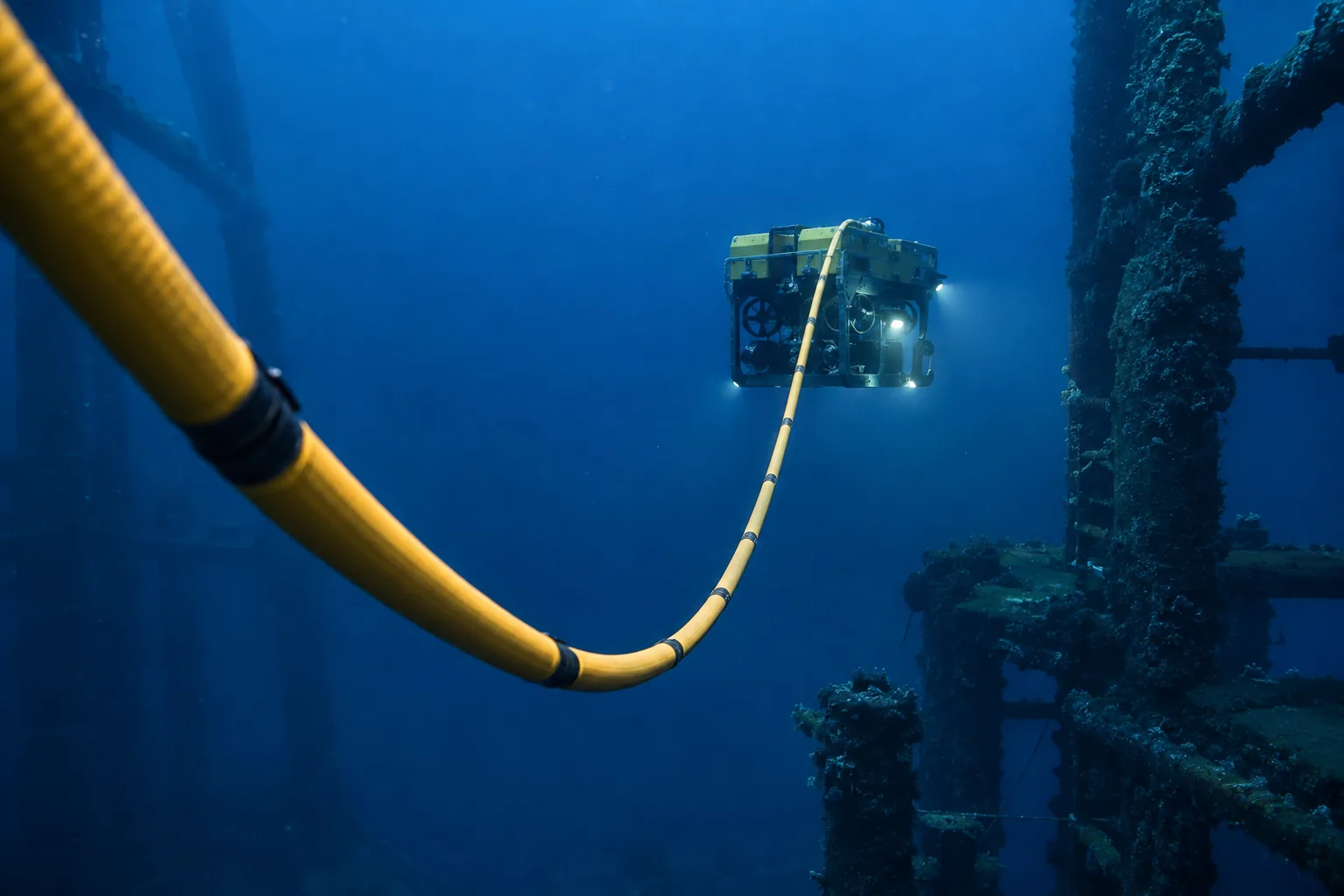
An underwater cable is part of an electrical and mechanical system. A useful enquiry describes where the equipment works, what the cable must transmit, how the route moves and which loads act on the cable.
Identify the pump, ROV, dredger, underwater sensor, camera, tow system or subsea machine.
State operating depth and exposure to fresh, salt or brackish water, including continuous or intermittent immersion.
Define bending, movement, drag, buoyancy, working load, breaking strength, abrasion and deployment method.
Confirm power, control, signal, video, coaxial or fibre-optic functions and whether a hybrid construction is required.
The same water environment can contain very different electrical and mechanical duties. Compare the equipment and installation route before moving to a cable family or model.
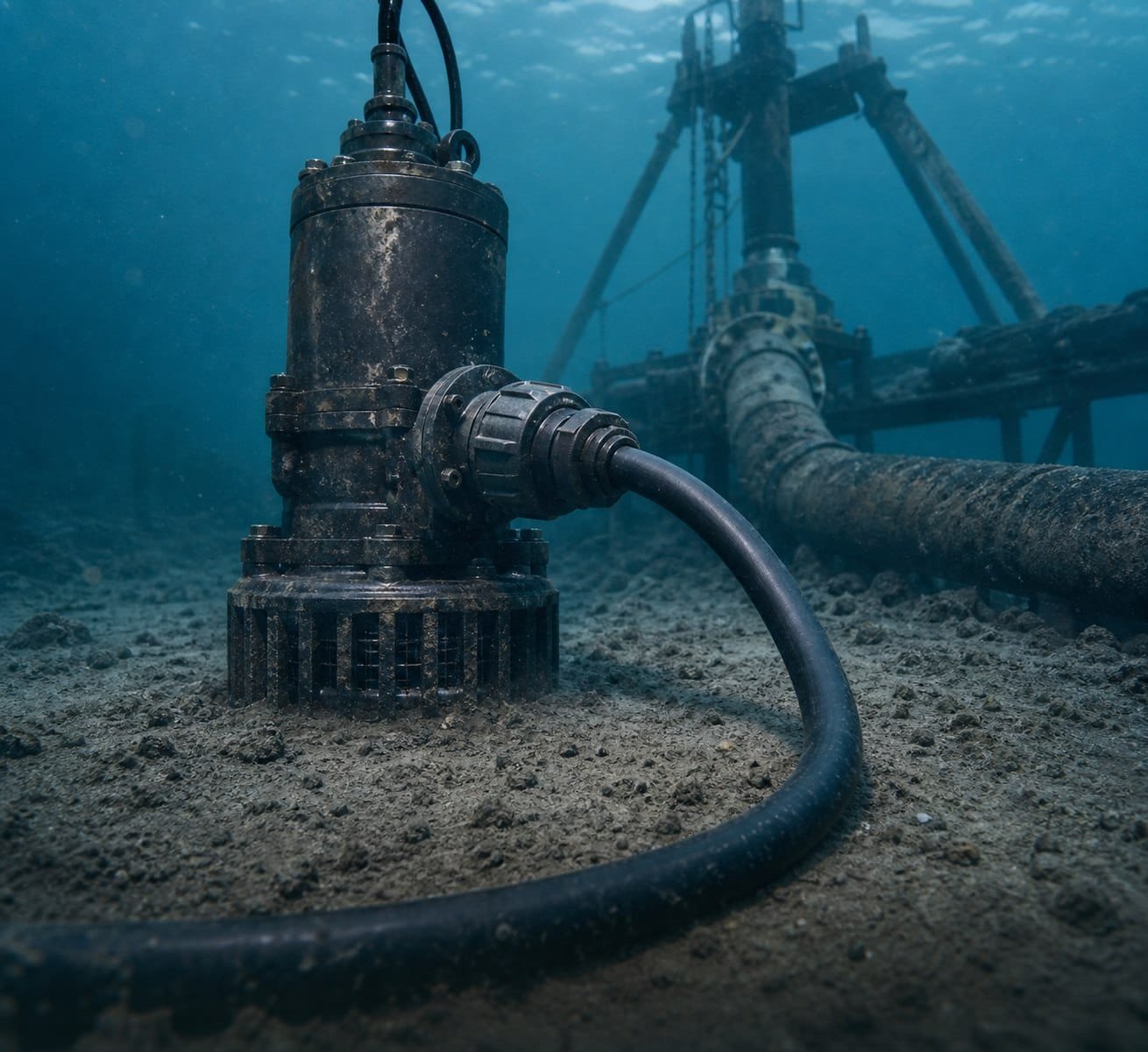
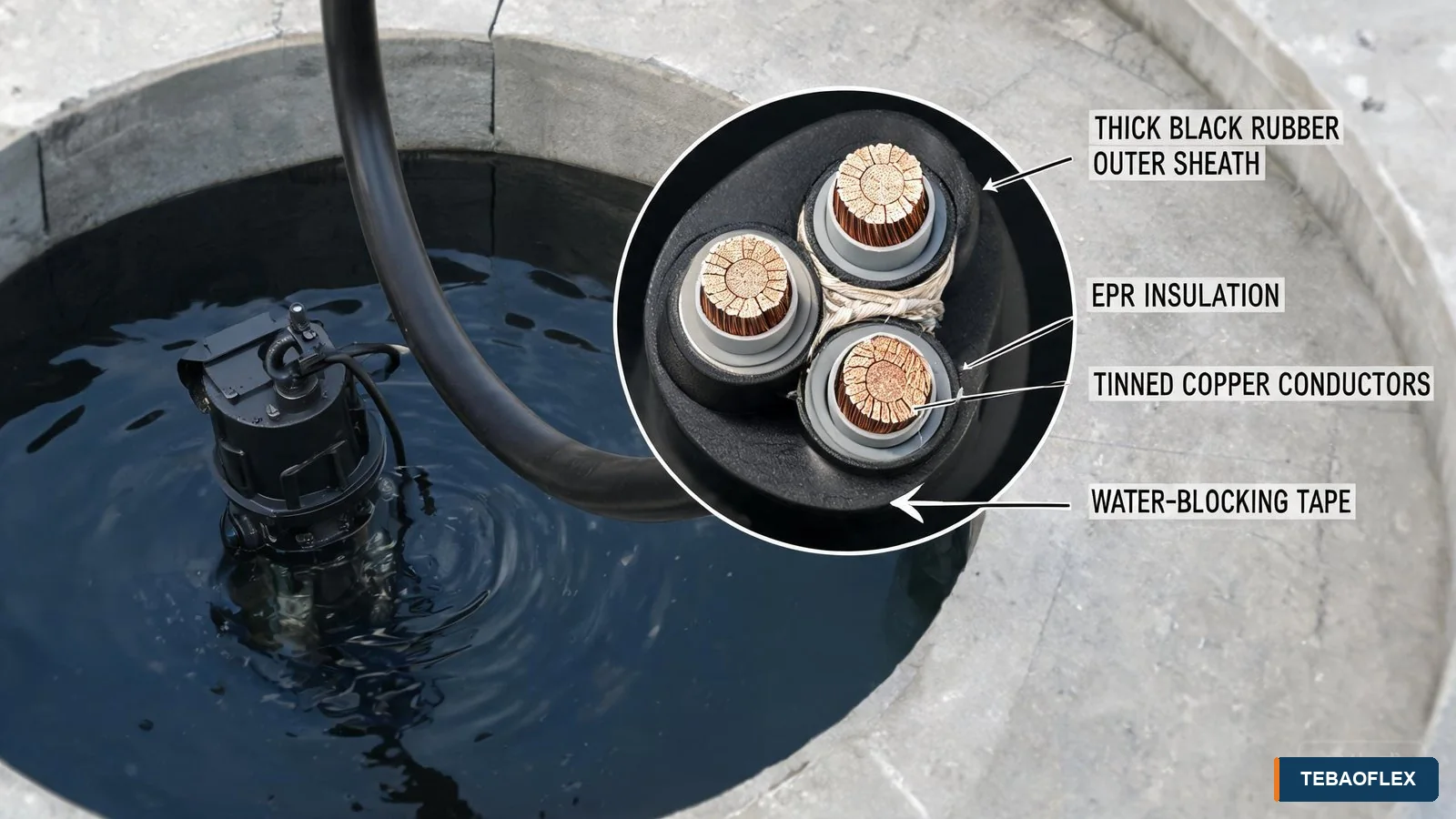
Power cables for deep-well, dewatering, dredging, mine and industrial pumps must be matched to voltage, depth, water type, cable length and termination.
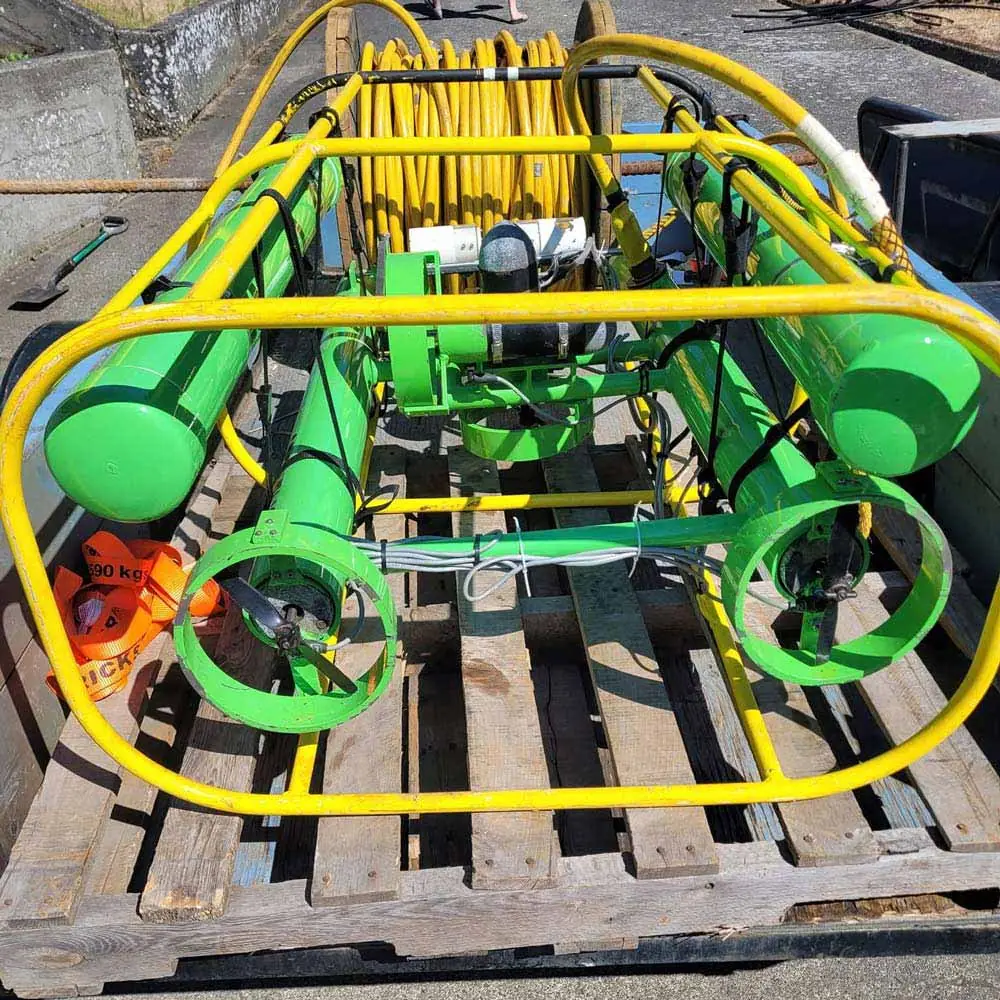
Tether and umbilical cables may carry power, control, video, data or fibre while also managing drag, bending, buoyancy and tensile loads.
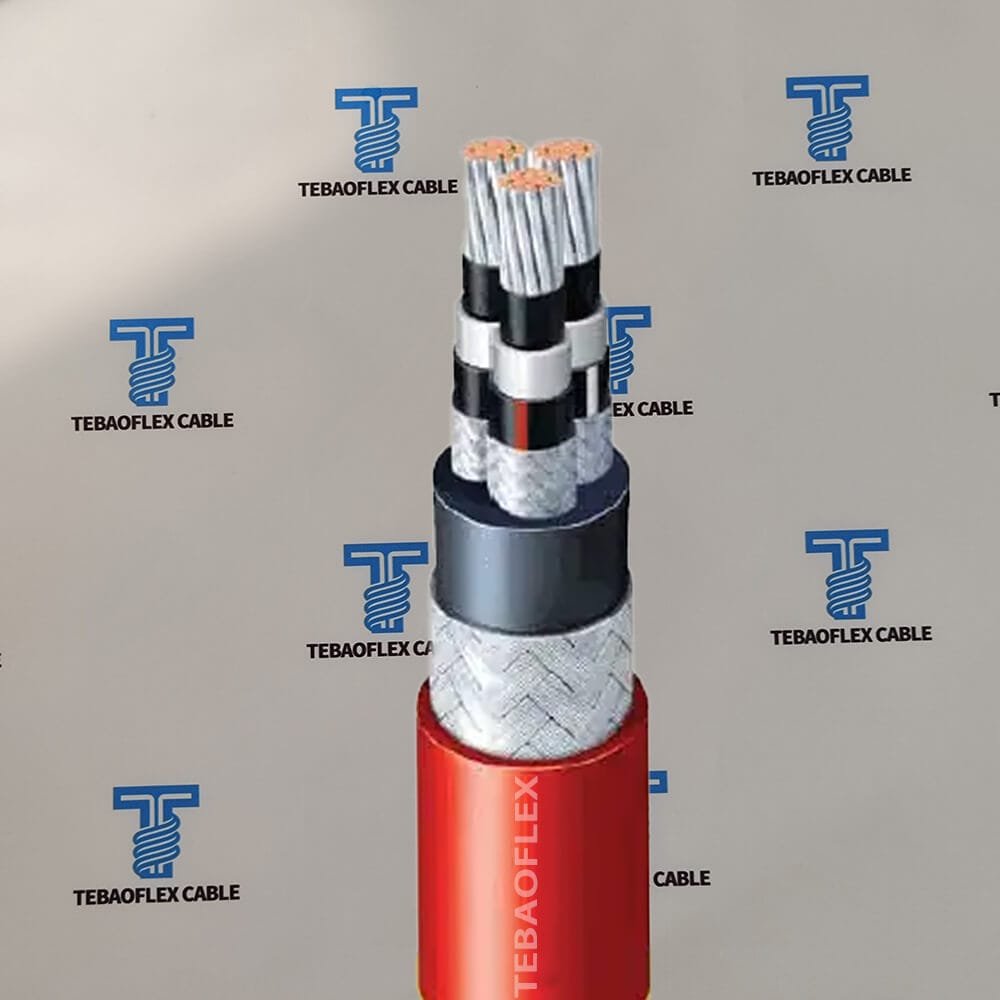
Dredgers and submerged motors combine medium-voltage power, immersion, movement, abrasion and mechanical handling requirements.
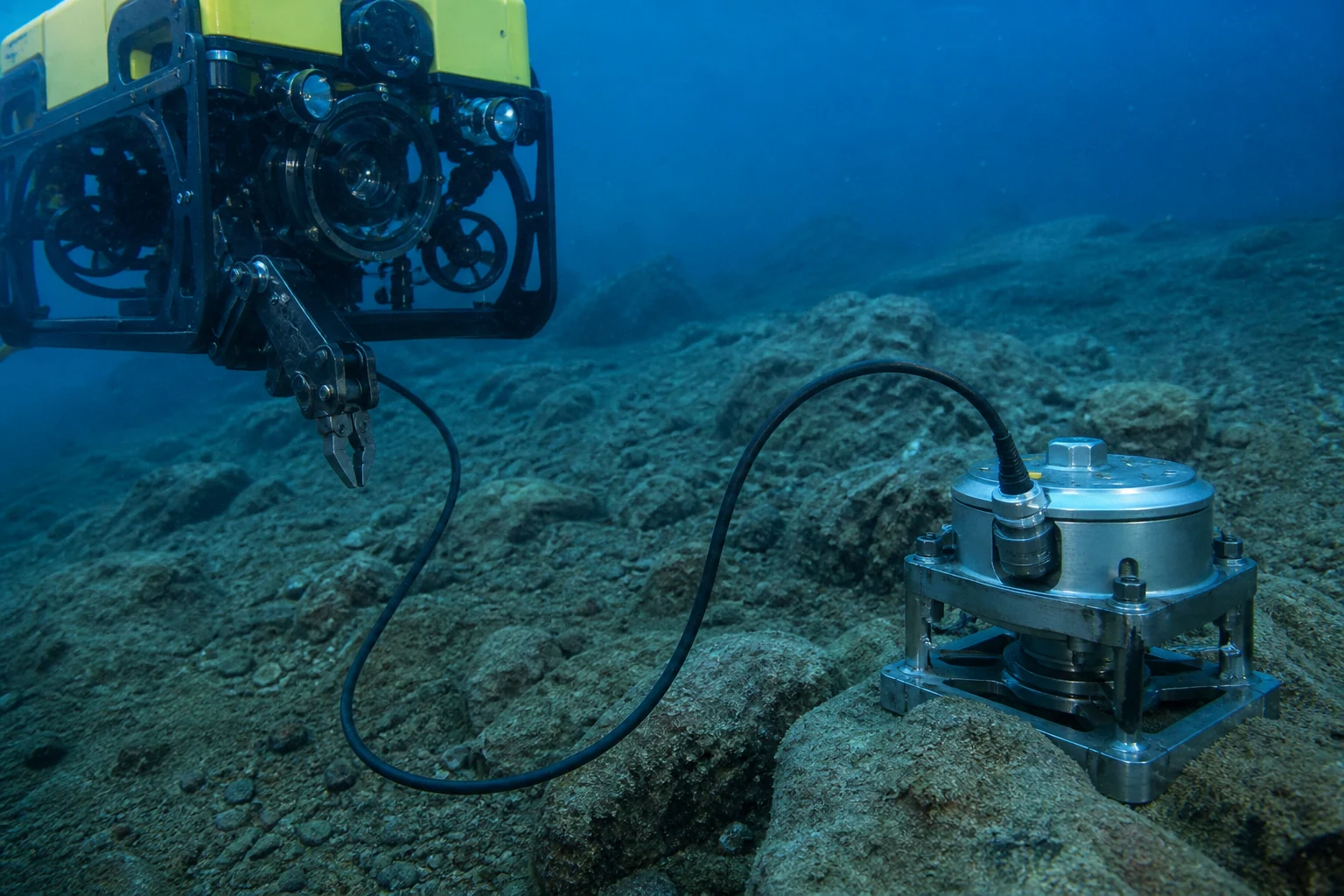
Compact control and signal cables require suitable screening, conductor arrangement, water-blocking strategy and connection design.
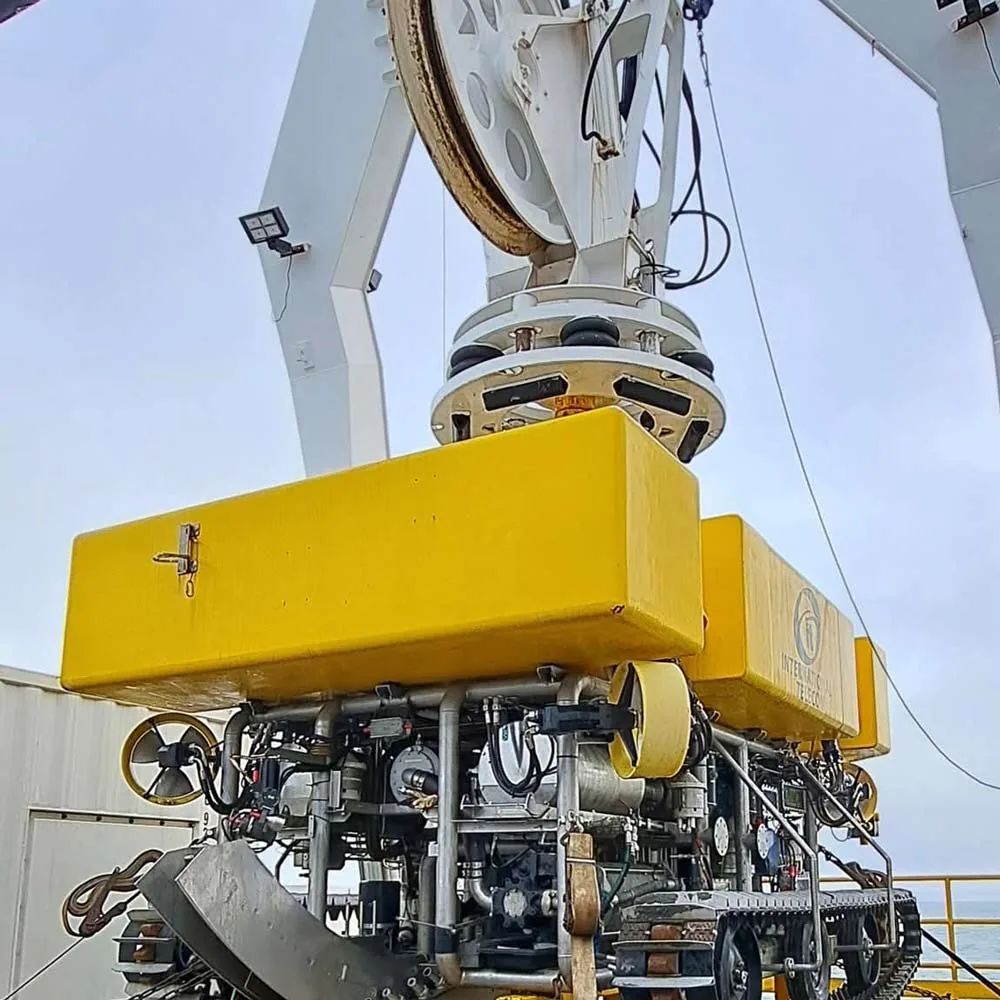
Sonar, towfish and survey sensors can require armoured or strength-member cables that support signal integrity during deployment and retrieval.
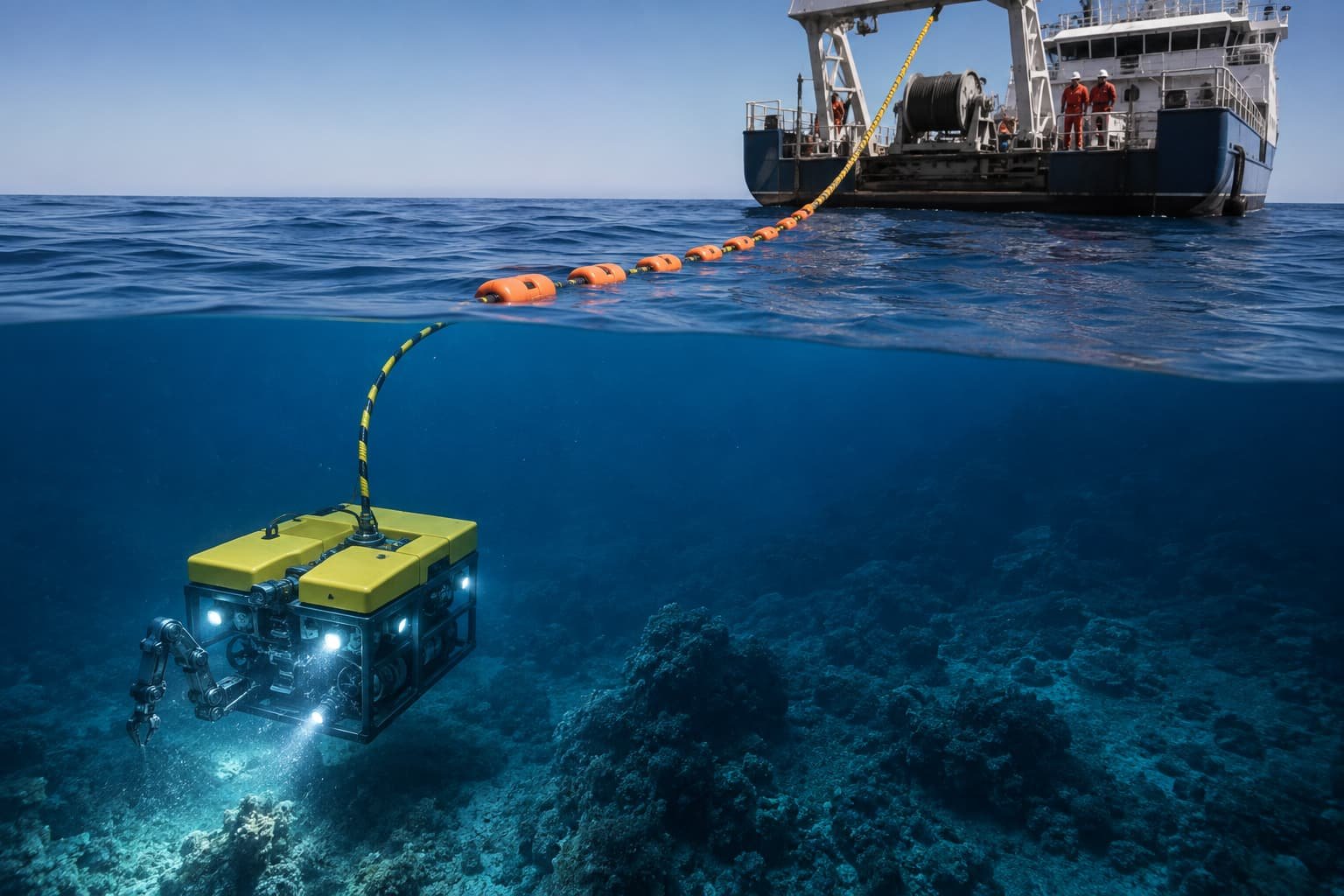
Floating systems, aerators, feeders and frequently handled wet equipment may need flexibility, UV resistance, water resistance and controlled buoyancy.
Cable type should follow the real operating behaviour. Permanent immersion, dynamic ROV motion, surface flotation, dredging movement and towing impose different demands even when all routes involve water.
For pumps, motors and fixed subsea machinery. Confirm depth, pressure, insulation stability, water ingress control and termination.
For ROVs, inspection systems and moving sensors. Review flexibility, repeated bending, drag, tensile load and signal transmission.
For surface-floating or neutral-buoyancy systems. Specify the required behaviour in water rather than using “floating” as a general term.
For dredgers, floating docks and heavy underwater machinery. Combine voltage, immersion, abrasion, movement and mechanical load.
For sonar, towfish and marine research. Define working load, breaking strength, armour or strength members, signal function and handling route.
For equipment needing power, control, data, fibre or hydraulic elements in one engineered construction.
Deep-well pumps, mine dewatering pumps, dredging pumps, offshore pumps and industrial water systems can operate under very different depth and movement conditions. Select the construction using the complete motor and installation data rather than treating every water-resistant cable as a submersible pump cable.
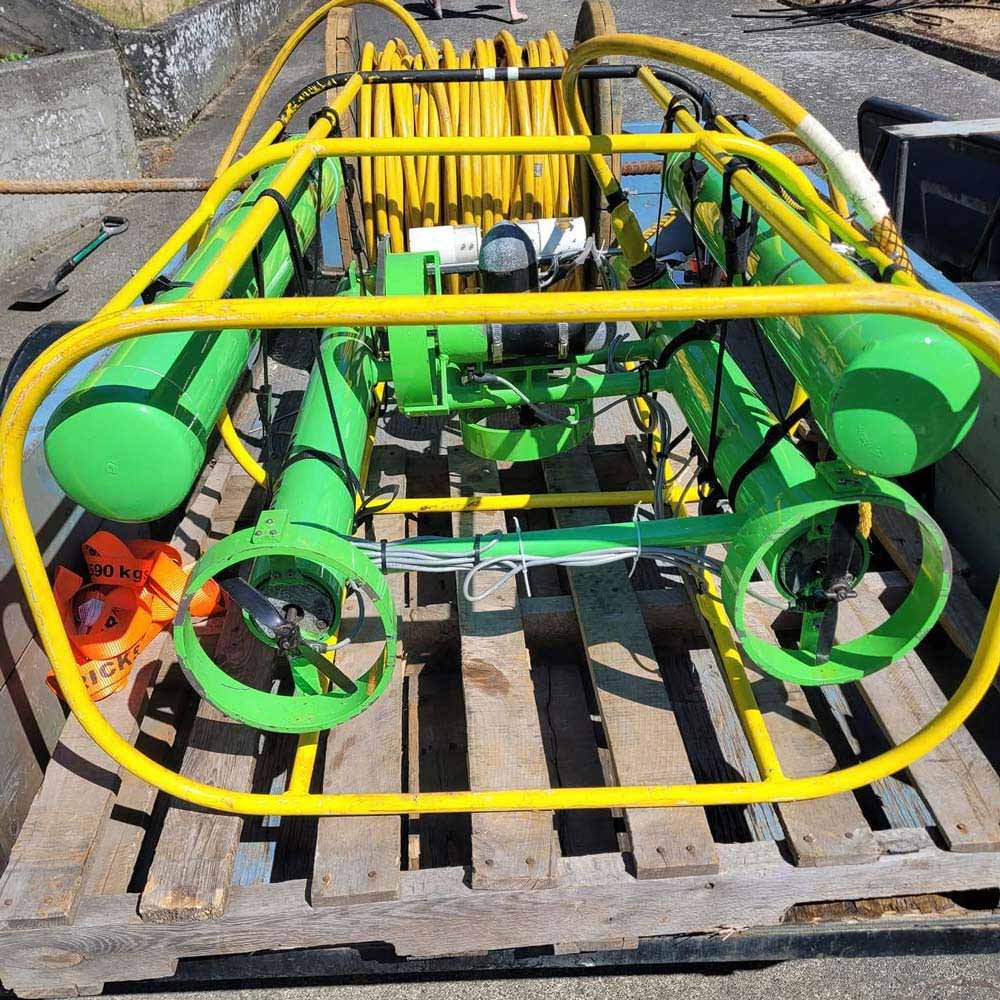
An ROV tether is part of the vehicle’s power, communication and handling system. Electrical elements can include power conductors, control pairs, video or data conductors and fibre optics. Mechanical review should include cable diameter, drag, buoyancy, working load, breaking strength, minimum bending radius, reel or tether-management system and connector.
Define power, command, sensor, camera, data and fibre requirements, including shielding and system compatibility.
Define in-water weight, tensile loading, drag, movement, deployment, recovery and termination loads.
A surface-floating cable is designed to remain toward the water surface, while a neutral-buoyancy tether controls its in-water weight to reduce load on an ROV or underwater robot. These objectives require different construction decisions. The design should also consider flexibility, tensile strength, water exposure, abrasion, visibility and repeated deck handling.
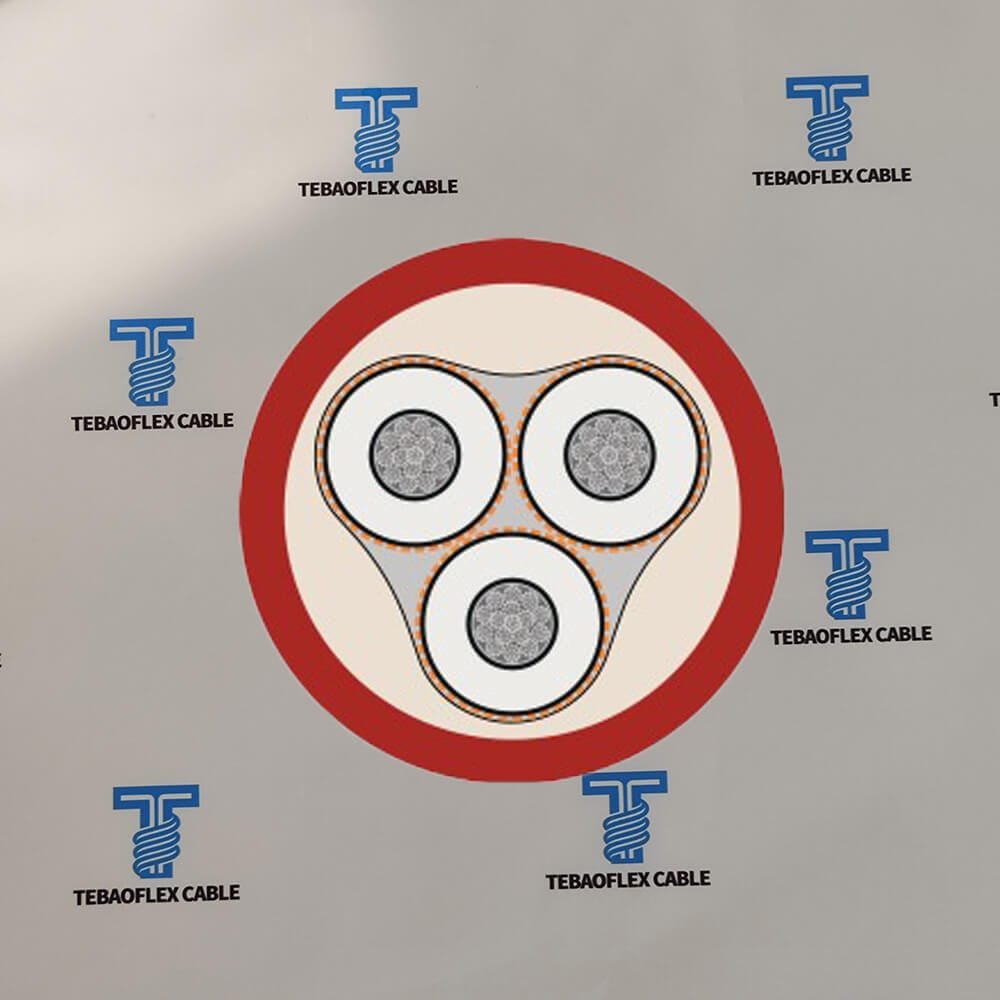
Cutter-suction dredgers, dredging pumps, floating dredgers, submerged motors and marine excavation equipment can combine medium-voltage power with immersion, abrasion, dynamic movement and tensile loading. Oil or mechanical exposure around the machine and deck route should also be stated.
Representative starting points include the Dredging Cable -3E and the (N)TSCGECEWOEU medium-voltage submersible cable. Final suitability depends on the selected model, size, route and project specification.
When the cable also carries towing load, a normal waterproof signal cable is not an equivalent substitute. Towfish, sonar, research sensors and survey packages can require steel armour or other strength members, controlled elongation, abrasion resistance and a coordinated electrical package.
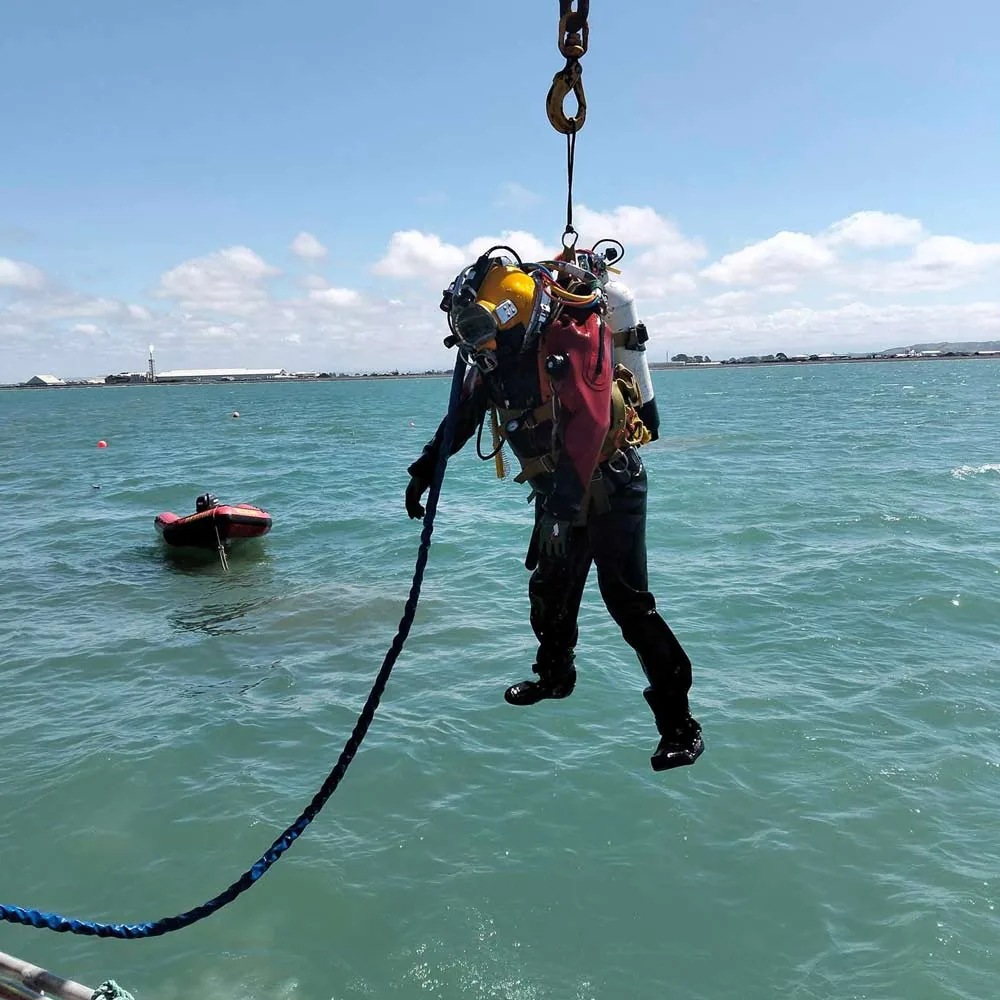
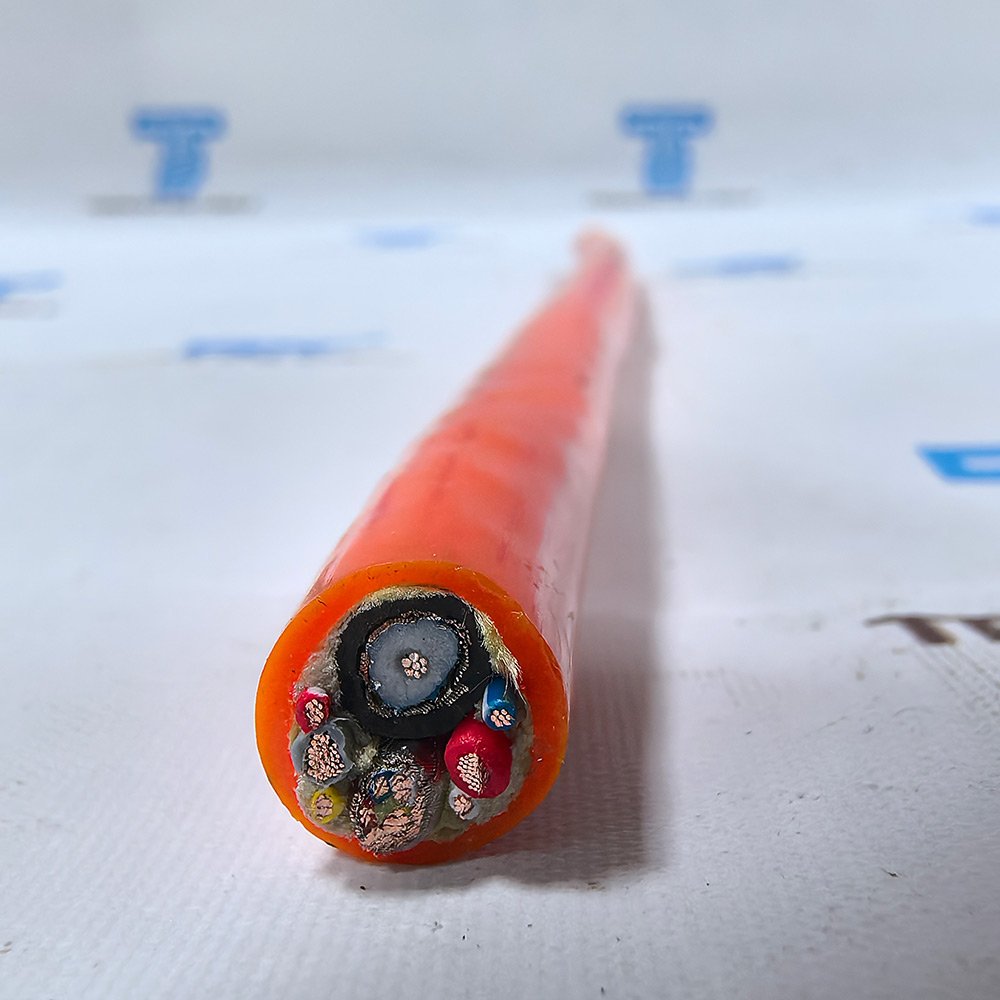
Subsea machinery and ROV systems may need several services in one route. A project-specific umbilical can combine power cores, control wires, twisted signal pairs, fibre optics and, where required by the confirmed design, strength members or hydraulic elements.
The engineering review should define every circuit and service, pressure or tensile duty, overall diameter, termination interface, handling system and applicable documentation. This keeps the hybrid construction tied to a real equipment architecture rather than a generic “custom cable” claim.
Use this matrix to identify the cable family to investigate first. It is a selection framework, not a substitute for product data or a project-specific engineering review.
| Equipment / Application | Water Duty | Main Requirement | Recommended Starting Type |
|---|---|---|---|
| Submersible pump | Continuous immersion | Water resistance, depth and motor power | Submersible power cable |
| Deep-water pump | Deep immersion | Pressure, insulation stability and termination | Depth-rated submersible cable |
| ROV | Dynamic underwater | Buoyancy, signal, tensile load and drag | ROV tether cable |
| Underwater camera | Dynamic or fixed | Signal integrity, screening and compact diameter | Waterproof signal/control cable |
| Dredger | Dynamic immersion | MV power, abrasion, movement and load | MV dredging cable |
| Floating pump | Surface / immersed | Buoyancy and flexible power | Floating power cable |
| Towfish / sonar | Towed | Tensile strength, abrasion and signal | Armoured tow cable |
| Marine survey equipment | Deployed / recovered | Handling, signal and abrasion | Tow or hybrid cable |
| Subsea system | Fixed or dynamic | Power, control, data and optional fluid services | Composite umbilical |
| Aquaculture equipment | Wet / shallow water | Water resistance, flexibility and UV exposure | PUR waterproof cable |
These descriptions refer to different operating objectives. Define the required behaviour and load path before selecting the product.
| Cable Type | Primary Behaviour | Typical Application | Critical Selection Input |
|---|---|---|---|
| Waterproof cable | Controls water ingress for its specified duty | Wet industrial equipment | Exposure and immersion condition |
| Submersible cable | Designed for a defined immersion duty | Pump, motor and underwater power | Depth, pressure, voltage and termination |
| Floating cable | Designed to remain toward the water surface | Aquaculture and surface equipment | Buoyancy and surface handling |
| Neutral-buoyancy cable | Controls in-water weight | ROV and underwater robot | In-water weight, drag and tensile load |
| Tow cable | Carries defined tensile or towing load | Sonar, towfish and survey | Working load, breaking load and winch route |
| Umbilical cable | Combines multiple functions | Subsea equipment and ROV systems | Complete electrical, optical, mechanical and fluid package |
These representative products cover different water, electrical and mechanical duties. Review the individual product page and submit the full application data before specifying a model.
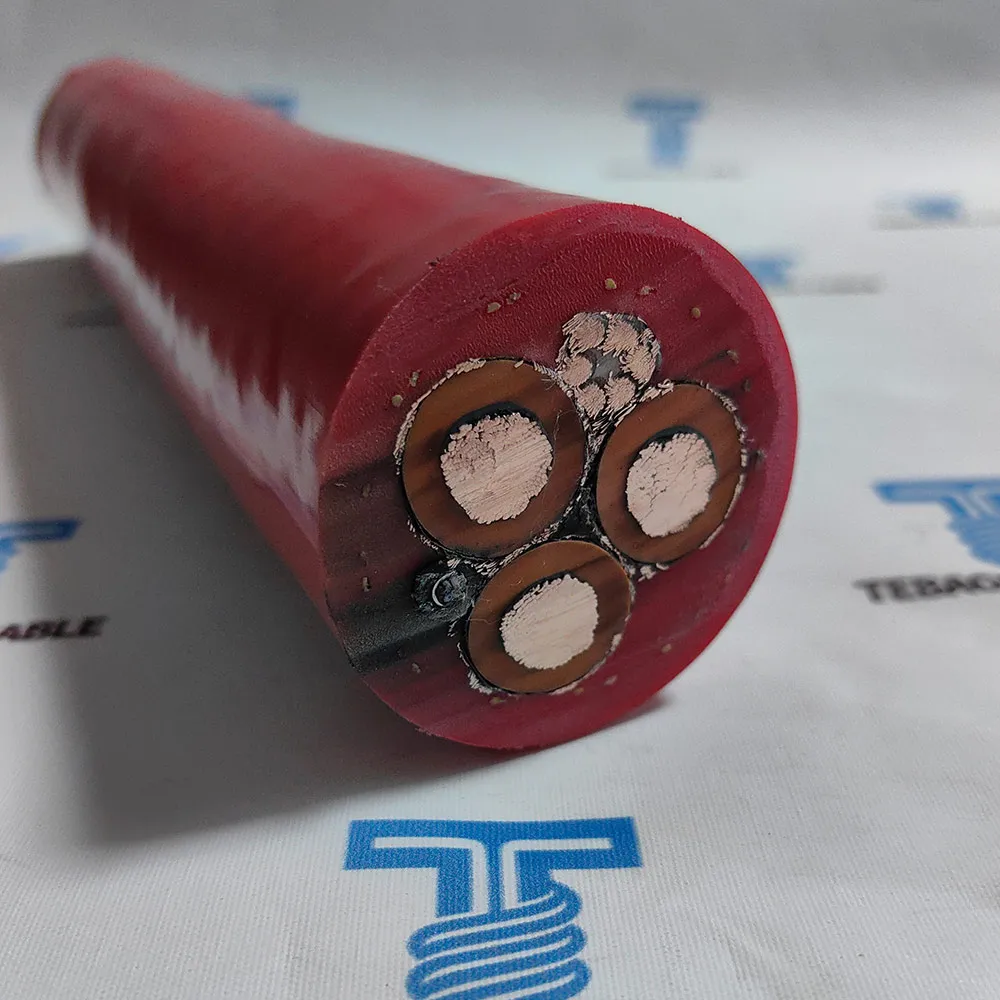
Medium-voltage submersible power cable for the documented fixed underwater duty and selected size.
View product →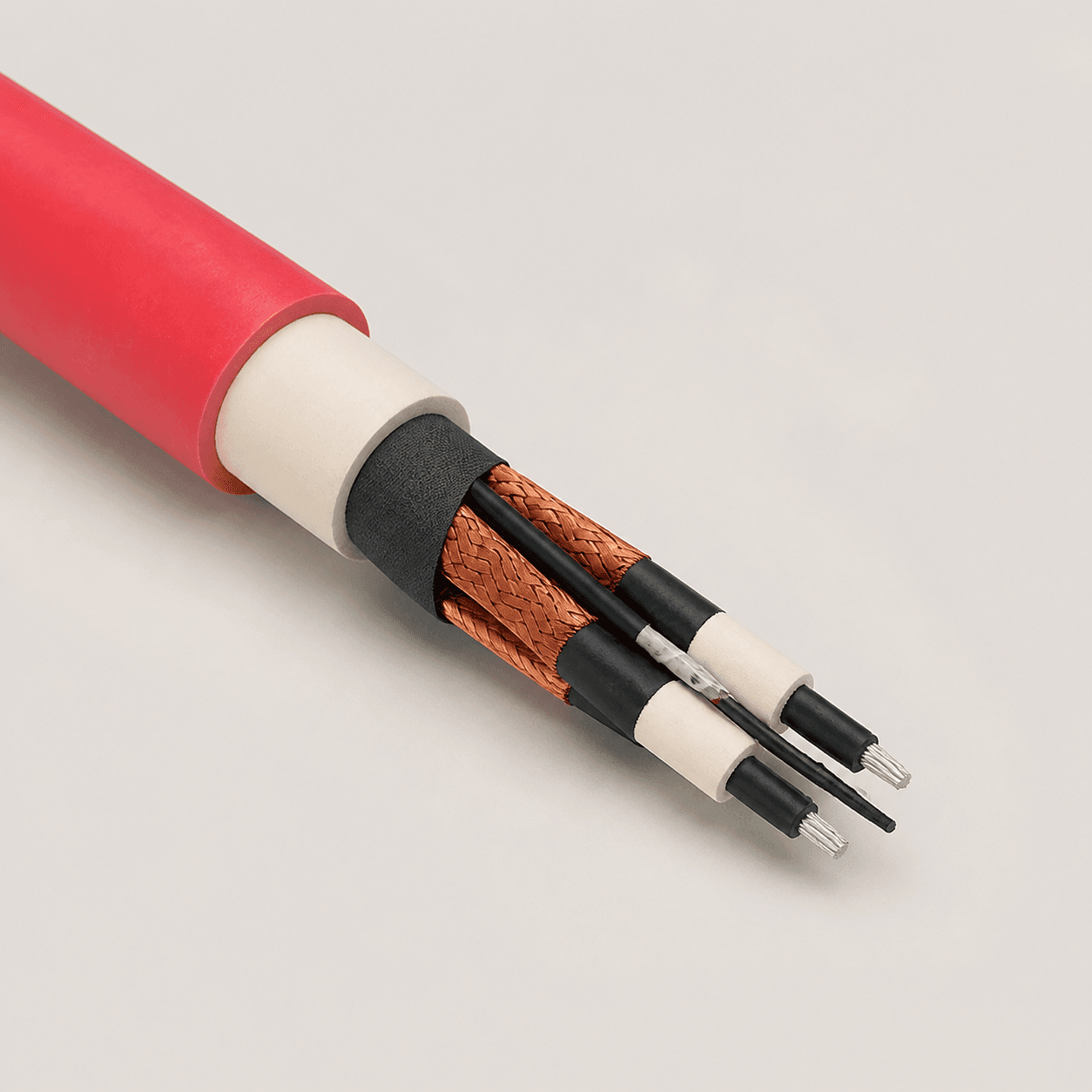
Screened flexible medium-voltage construction for selected mining, dredging and underwater power duties.
View product →Heavy-duty submersible trailing cable for selected dredging equipment and underwater power routes.
View product →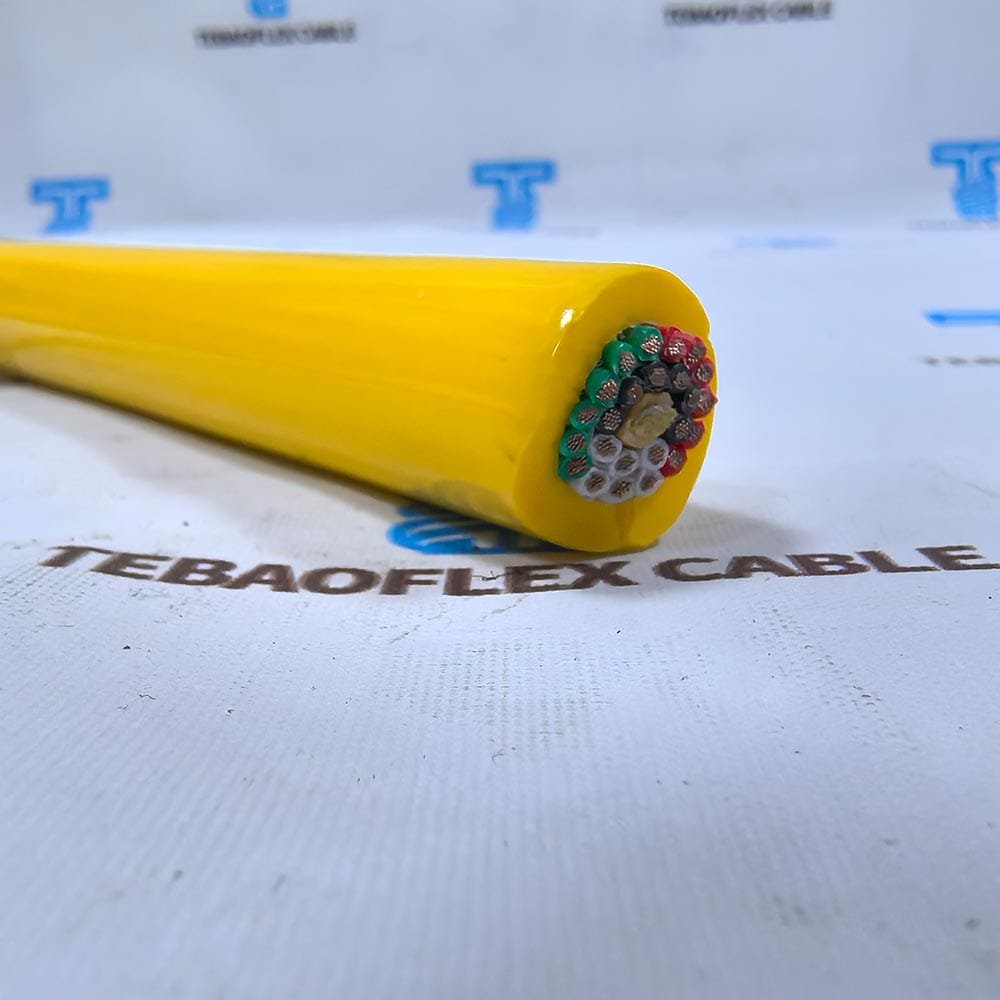
Buoyant multicore tether construction for selected ROV, control and subsea signal packages.
View product →A project-selected floating cable solution for marine, aquaculture and surface-supported equipment.
View design guide →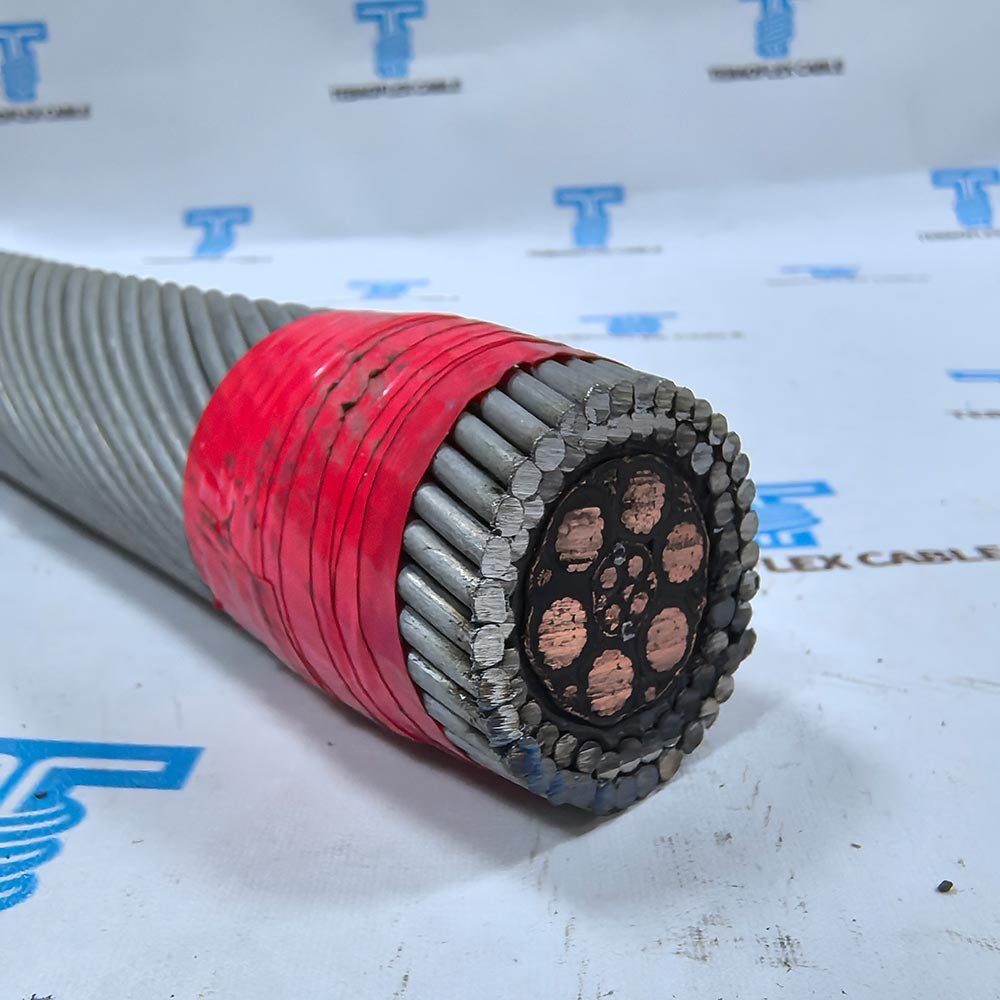
Galvanized steel wire armoured construction for selected sonar, towfish and survey applications.
View product →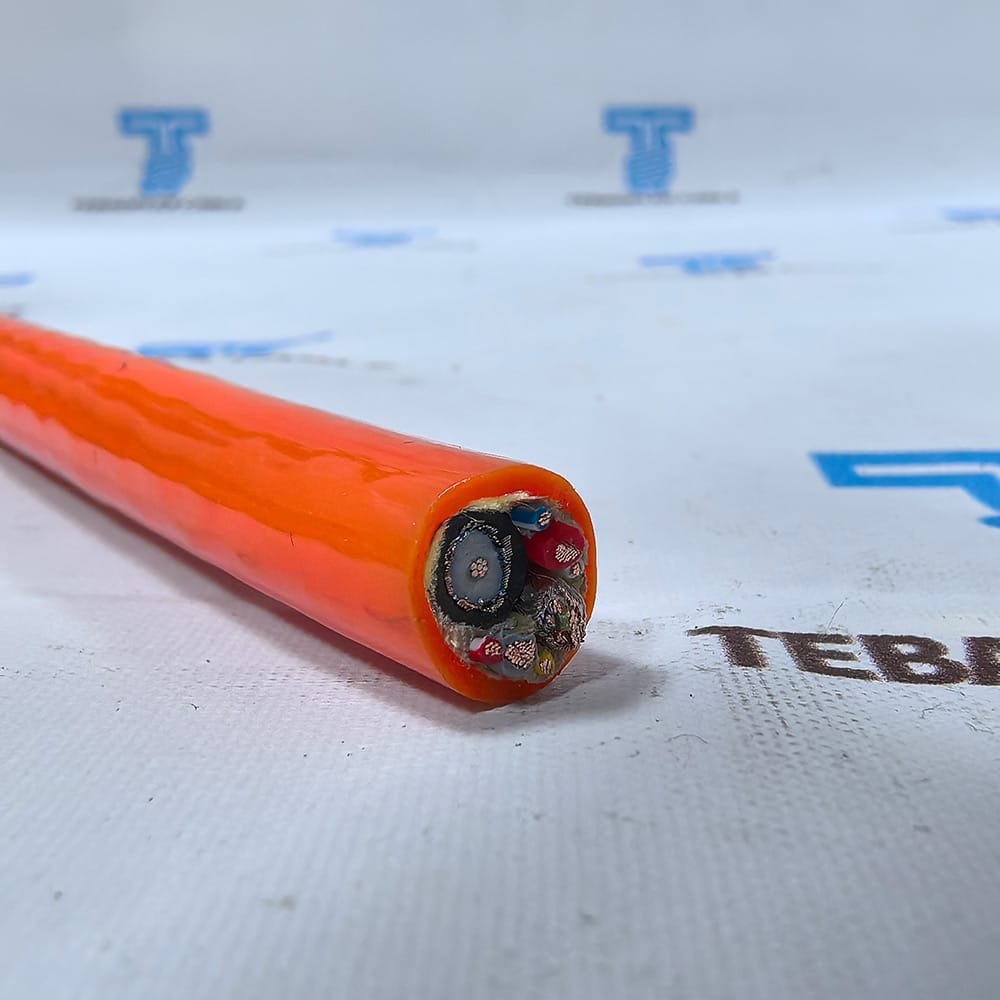
Hybrid power, signal and fibre concepts for compatible subsea and ROV equipment architectures.
View product →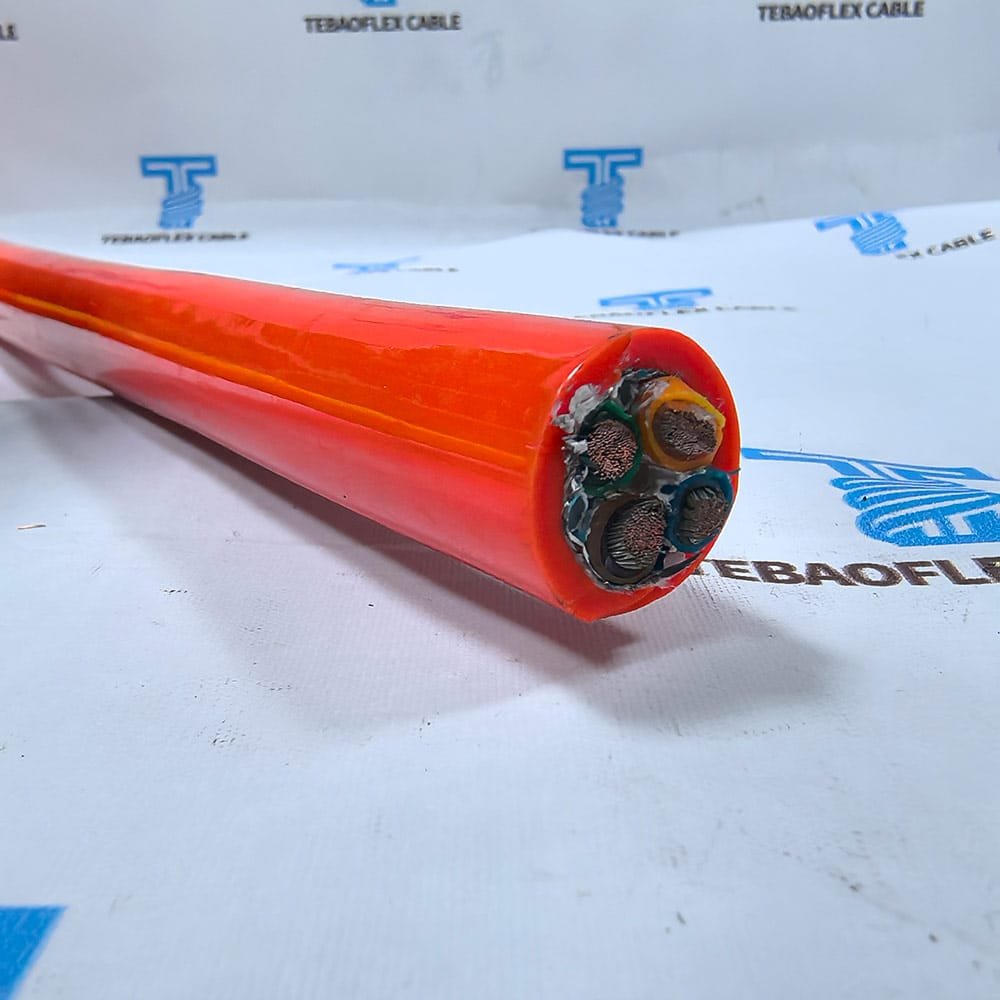
Low-voltage flexible PUR cable for confirmed wet-equipment and waterproof cable duties.
View product →Capability depends on the exact construction and project condition. Permitted operating depth and pressure capability must be confirmed for the selected cable rather than assumed across an entire category.
Sheath, water-blocking elements and terminations must match the immersion duty.
Depth changes pressure and can affect materials, interfaces and connector selection.
Suspended, towed and deployed cables require a defined load path and safety basis.
Dynamic routes require suitable flexibility and a confirmed bend radius.
Seabed contact, machinery and deck handling influence sheath and protection choices.
Fresh, salt and brackish water conditions should be stated with other chemical exposure.
Surface sections may face sunlight, reels, sheaves and repeated deployment.
Power, signal, screening and fibre functions must remain compatible with the system.
Work from equipment and function toward environmental and mechanical details. The resulting specification is more useful than selecting by voltage and conductor size alone.
Pump, ROV, dredger, sensor or tow system.
Power, control, signal, video or fibre.
Fresh, salt or brackish water.
Normal and maximum immersion depth.
Fixed, moving, trailing or towed route.
Working load, breaking load and drag.
Floating, neutral, sinking or not required.
Cable route, reel, winch and sheaves.
Connector, gland and load-transfer method.
Project standard, drawing, test and approval needs.
When a catalogue product does not fit the route, TEBAOFLEX can review a project-specific construction using confirmed electrical, optical, mechanical and environmental inputs. The purpose is to define a practical cable and documentation boundary, not to make a generic custom-performance claim.
The review should also consider how the cable is manufactured, shipped, installed and terminated. A design that meets the electrical package but cannot pass through the specified connector, bend around the planned sheave or transfer tensile load safely is not a complete solution. Providing interface drawings, reel limits, deployment sequence and destination-market requirements early helps reduce avoidable revisions before production.
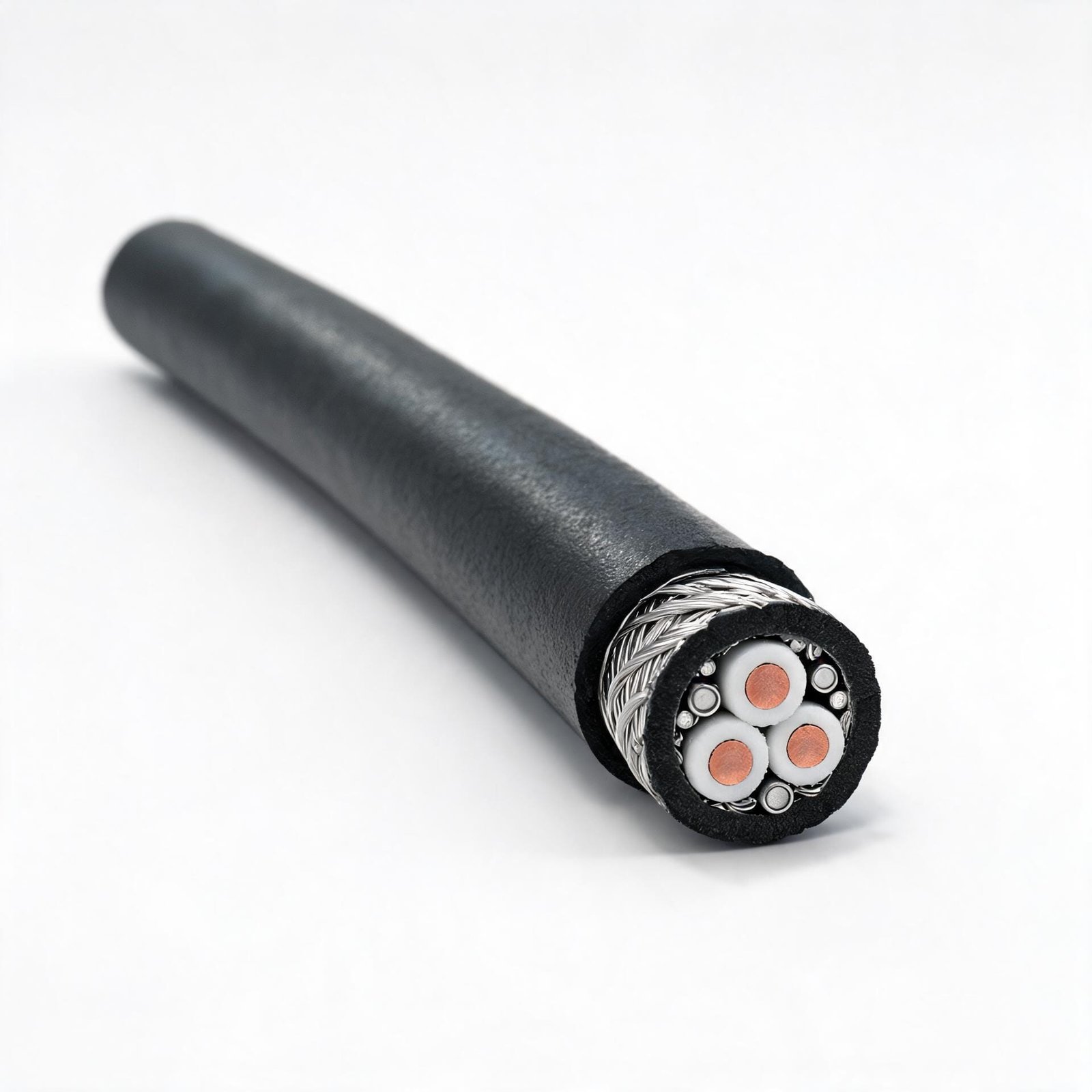
The required evidence should follow the selected product and project specification. Confirm the documents, drawings, tests, inspection scope and destination-market compliance requirements before final project order approval.
Check conductor, insulation, screen, strength members, water-blocking elements, sheath, dimensions and marking against the agreed design.
Identify the relevant product data, electrical test records, continuity requirements and signal or fibre documentation for the selected cable.
Where depth, tensile load, buoyancy or dynamic movement is critical, request the applicable test basis and operating limits for the proposed construction.
Use these guides to compare pump, ROV, floating and underwater-control duties before submitting a complete project enquiry.
Review the electrical and installation information needed for a submersible pump cable enquiry.
Read guide →Compare tether functions and the mechanical details that influence an ROV cable package.
Read guide →Understand why buoyancy, tensile strength, abrasion and handling must be considered together.
Read guide →Review visibility, flexibility and environmental considerations for underwater equipment cables.
Read guide →These answers clarify the first engineering and purchasing decisions. Final suitability still depends on the exact product, route and project specification.
Waterproof describes resistance to water ingress under a defined condition. A submersible cable is selected for a specific immersion duty that may also involve depth, pressure, power transmission, movement and termination requirements. The terms should not be treated as interchangeable without product data.
Provide pump type, voltage, motor power or current, conductor size if known, cable length, operating depth, water type, fixed or moving installation, termination, required documentation and quantity. The cable and termination should be reviewed as one system.
An ROV may use a tether or umbilical carrying power, control, video, data or fibre. Selection also depends on in-water weight, buoyancy, drag, working load, breaking strength, bending radius, tether-management system and connector.
A floating cable is designed to remain toward the water surface. A neutral-buoyancy cable controls its in-water weight so it places less vertical load on underwater equipment. The required behaviour must be stated with the actual water and mechanical conditions.
Depth affects hydrostatic pressure and can influence materials, water-blocking design, interfaces, connectors and terminations. Permitted depth must be verified for the exact cable construction; one product’s depth rating must not be applied to the whole category.
Armour or another strength-member system may be required when the cable carries towing or suspension load, faces mechanical damage or must transfer load into a termination. Working load, breaking load, route and winch system should be defined.
Yes, a composite umbilical concept can combine compatible power conductors, control wires, signal pairs and fibre optics. Feasibility depends on the circuit package, mechanical duty, overall diameter, termination design, system compatibility and project documentation.
Send equipment type, cable function, voltage, size, length, water type, operating depth, movement, buoyancy requirement, working and breaking loads, bend radius, connector, required standard, quantity, destination and available drawings.
Send the electrical, water and mechanical data together so the technical team can compare a suitable cable family, construction and documentation path.