
Silicone Rubber Cable 200°C: High-Temperature Cable Selection & Application Guide
When electrical equipment operates at elevated temperatures, standard PVC or rubber insulation degrades rapidly — leading to premature cable failure, short circuits, and safety hazards. Silicone rubber cable 200°C is engineered specifically for these demanding environments, where sustained high temperatures, voltage stress, and long-term reliability are non-negotiable requirements.
This guide covers the construction, properties, applications, and selection criteria for high-temperature silicone insulated cables, helping engineers and procurement teams specify the correct cable for heat-intensive industrial environments. For detailed product specifications, visit our 5kV 200°C high-temperature silicone cable product page.
What Is Silicone Rubber Cable?
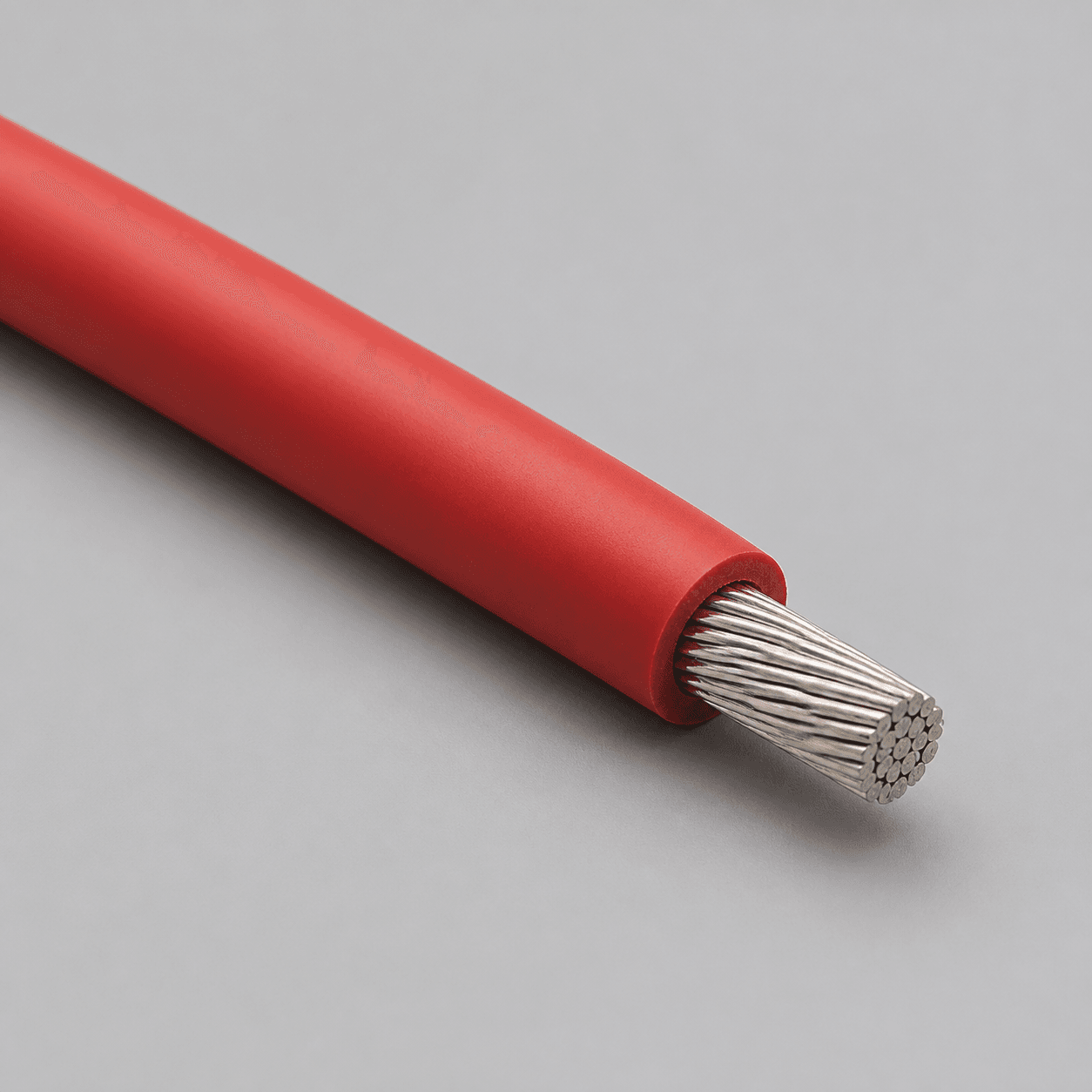
Silicone rubber cable uses silicone elastomer as the insulation material around copper conductors. Unlike conventional thermoplastic insulation (PVC, PE) or thermoset rubber (EPDM, neoprene), silicone rubber maintains its electrical and mechanical properties across an exceptionally wide temperature range — typically from -60°C to +200°C continuous operation.
The key characteristics that distinguish silicone rubber from other insulation materials include:
- Exceptional thermal stability: Retains flexibility and dielectric strength at temperatures where PVC softens (above 70°C) and standard rubber hardens
- Low-temperature flexibility: Remains flexible at -60°C, preventing cracking in cryogenic or cold-climate applications
- Electrical properties: High dielectric strength and low power factor, suitable for high-voltage applications
- Aging resistance: Minimal degradation from thermal aging, offering extended service life at rated temperatures
- Flame resistance: Silicone rubber is inherently self-extinguishing and produces minimal smoke and no halogen gases when exposed to flame
Key Properties of 200°C Silicone Insulation
The 200°C temperature rating is the defining characteristic of these cables. This rating means the cable can operate continuously at 200°C without significant degradation of its electrical or mechanical properties. Understanding what this rating implies is critical for correct specification:
Thermal Performance
Silicone rubber’s thermal stability stems from its inorganic backbone structure (Si-O bonds), which requires significantly more energy to break than the C-C bonds in organic polymers. This molecular structure allows silicone to maintain flexibility at 200°C while other insulation materials become brittle or melt. The temperature range of -60°C to +200°C gives silicone cables one of the widest operating ranges of any insulation material.
Electrical Performance
Silicone rubber exhibits excellent dielectric properties even at elevated temperatures:
- Dielectric strength: Maintains high insulation resistance at 200°C, where PVC and standard rubber lose dielectric strength
- Power factor: Low and stable across the operating temperature range
- Volume resistivity: Remains high at elevated temperatures, reducing leakage current and insulation failure risk
For high-voltage applications, our high-temperature cable product range includes silicone cables rated up to 5kV with verified dielectric performance at rated temperature.
Industrial Applications for High-Temperature Silicone Cables
The unique combination of thermal and electrical properties makes silicone rubber cables essential in environments where other insulation materials cannot survive:
High-Voltage Power Systems
Silicone cables rated at 5kV are used for internal wiring in high-voltage power cabinets, switchgear, and transformer connections where both temperature and voltage stress are present. The combination of high dielectric strength and thermal stability makes silicone ideal for these dual-stress environments.
Industrial Heating Equipment
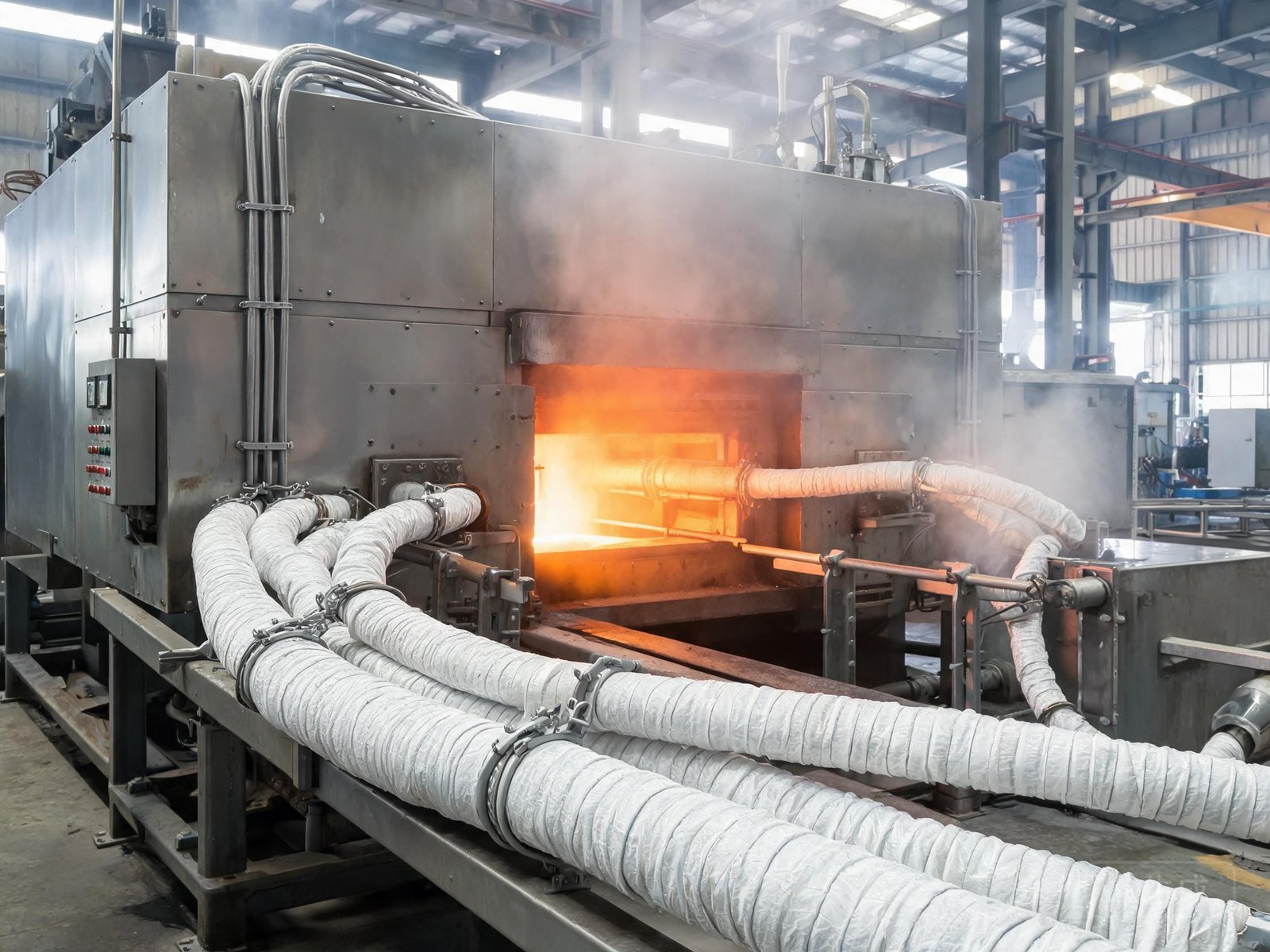
Industrial furnaces, ovens, and heating element wiring require cables that can withstand radiant heat and high ambient temperatures. Silicone rubber cables maintain their insulation properties in proximity to heating elements where conventional cables would fail within hours or days.
Ignition and Appliance Wiring
Combustion ignition systems, flare stack igniters, and high-temperature appliance wiring rely on silicone cables for reliable operation in extreme heat. The cable’s ability to withstand thermal cycling without cracking or embrittlement is essential in these applications. Learn more about our high-temperature cable applications across various industries.
Steel and Metallurgical Industry
Steel mills, foundries, and smelting operations generate intense radiant heat that can exceed the limits of standard cable insulation. Silicone rubber cables provide reliable power and control wiring in ladle pre-heaters, furnace controls, and hot-process equipment.
Construction and Technical Specifications
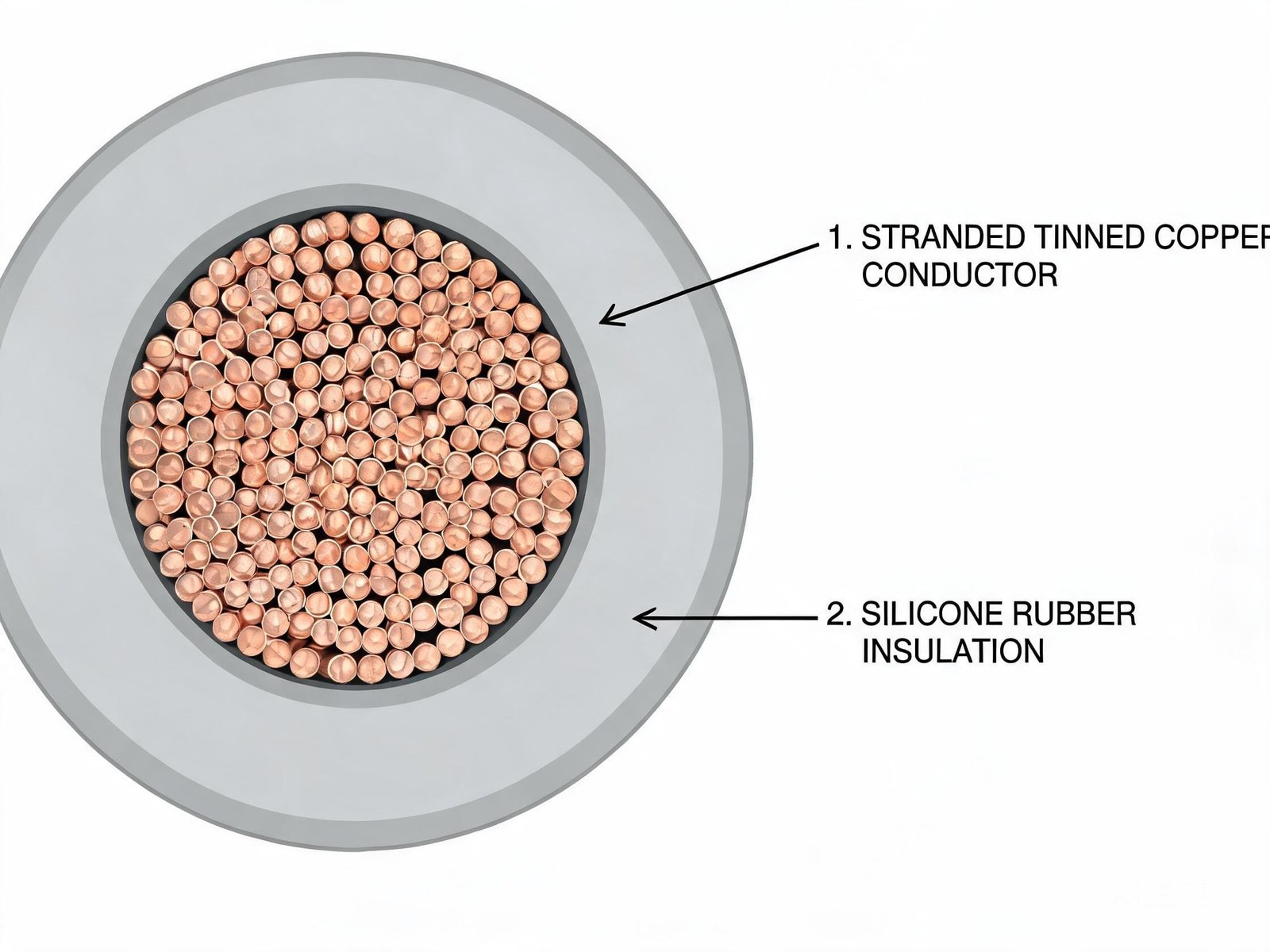
The construction of a silicone rubber cable 200°C type involves specific material choices that enable the high-temperature rating:
- Conductor: Stranded tinned copper — tinning prevents oxidation at high temperatures, which would otherwise increase conductor resistance and cause connection failures
- Insulation: Silicone rubber compound, extruded directly onto the conductor
- Voltage rating: Available from low voltage (300/500V) to medium voltage (5kV) depending on construction and wall thickness
- Temperature range: -60°C to +200°C continuous
The use of tinned copper conductors is a critical specification detail. At 200°C, bare copper oxidizes rapidly, forming conductive oxide layers that can cause short circuits between adjacent conductors. Tin coating prevents this oxidation, maintaining conductor integrity throughout the cable’s service life.
Selecting the Right Silicone Cable
When specifying a silicone rubber cable for a high-temperature application, consider these factors:
- Maximum operating temperature: Verify that 200°C is sufficient for the application’s peak temperature, including radiant heat and ambient temperature combined
- Voltage rating: Select a cable with a voltage rating that exceeds the circuit voltage. For high-voltage internal wiring, 5kV rated silicone cable is available
- Conductor size: Calculate ampacity with appropriate derating for the elevated operating temperature, as conductor resistance increases with temperature
- Environmental exposure: Consider whether the cable will be exposed to oils, chemicals, mechanical abrasion, or outdoor UV in addition to temperature
- Installation method: Silicone rubber is softer than many other insulation materials — ensure the installation does not subject the cable to mechanical damage
- Standards compliance: Verify that the cable meets applicable standards for the application — review our certifications and compliance documentation for details
Common Selection Mistakes
- Overlooking conductor tinning: Using bare copper conductors at 200°C leads to rapid oxidation and premature failure. Always specify tinned copper for high-temperature silicone cables
- Ignoring voltage derating: While silicone has excellent dielectric properties, verify that the cable’s voltage rating accounts for the combined effects of temperature and voltage stress
- Confusing 180°C and 200°C ratings: Not all silicone cables are rated for 200°C. Some are rated at 180°C — the 20°C difference can be critical in applications near the temperature limit
- Neglecting mechanical protection: Silicone rubber is softer than PVC or neoprene. In environments with mechanical hazards, consider additional protection or a cable design with reinforced jacketing
Conclusion
Silicone rubber cable 200°C provides an essential solution for industrial applications where sustained high temperatures exceed the capabilities of conventional insulation materials. The combination of -60°C to +200°C temperature range, excellent dielectric properties, and thermal aging resistance makes silicone insulated cables the preferred choice for high-voltage power systems, industrial heating equipment, and ignition wiring.
For projects requiring high-temperature silicone cables with verified specifications — including 5kV rated cables with stranded tinned copper conductors — TEBAOFLEX CABLE offers 5kV 200°C high-temperature silicone cable with full technical documentation and custom manufacturing capabilities for specialized requirements. Explore our custom cable manufacturing services for tailored solutions.
Frequently Asked Questions
What temperature range can silicone rubber cable withstand?
Silicone rubber cables typically have an operating temperature range of -60°C to +200°C. This means they remain flexible at extremely low temperatures while maintaining their electrical and mechanical properties at sustained high temperatures up to 200°C.
Why are tinned copper conductors used in silicone cables?
At temperatures above 150°C, bare copper oxidizes rapidly, forming oxide layers that can cause insulation failure and connection problems. Tinned copper conductors prevent this oxidation, ensuring long-term conductor integrity and reliable connections in high-temperature applications.
Can silicone rubber cable be used for high-voltage applications?
Yes. Silicone rubber has excellent dielectric properties that are maintained at elevated temperatures. Silicone cables are available with voltage ratings up to 5kV for high-voltage internal wiring in power systems, switchgear, and industrial equipment. Always verify the cable’s voltage rating matches your application.
How does silicone rubber compare to PTFE or FEP insulation?
PTFE and FEP (fluoropolymer) insulation can withstand higher temperatures (up to 260°C for PTFE), but silicone rubber offers superior flexibility, especially at low temperatures. Silicone also produces less toxic smoke in fire conditions. The choice depends on the specific temperature requirements, flexibility needs, and cost considerations of the application.
Is silicone rubber cable flame retardant?
Yes. Silicone rubber is inherently self-extinguishing and does not support combustion. When exposed to flame, it produces minimal smoke and no halogen gases, making it suitable for applications where fire safety is a concern. However, always verify the specific flame rating from the manufacturer’s documentation.
What information should I provide when requesting a silicone cable quotation?
Provide the following: application/equipment, maximum operating temperature, voltage requirement, conductor size (AWG or mm²), number of cores, installation environment (including chemical/oil exposure and mechanical hazards), required standards, and required quantity. This ensures you receive the correct cable recommendation and accurate pricing.
Need help selecting the right silicone rubber cable for your high-temperature application? Contact us or Request a Quote.
Send us your application/equipment, voltage, conductor size, number of cores, cable movement, installation environment, required standards, and required quantity — our engineering team can review the requirements and recommend a suitable cable solution.