
Introduction to Conductor Materials
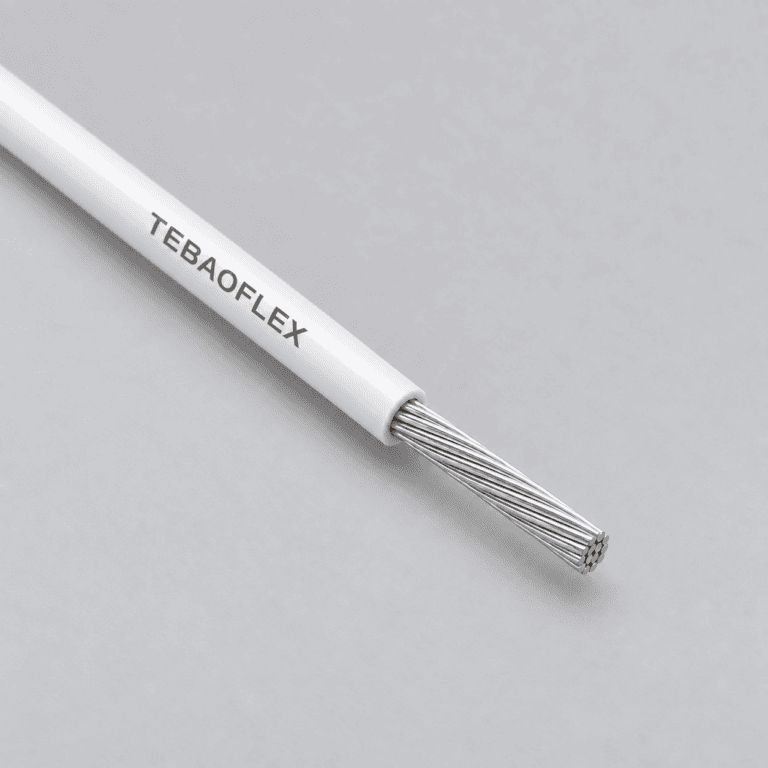
The choice between copper and aluminum conductors is one of the most fundamental decisions in cable engineering. Both materials are excellent electrical conductors, but they differ significantly in conductivity, weight, cost, mechanical properties, and installation requirements. The decision impacts not only the cable specification but also the entire system design, from support structures to termination methods.
TEBAOFLEX manufactures cables with both copper and aluminum conductors for various applications. This guide provides a technical and economic framework for selecting the right conductor material for your project.
Electrical Properties Comparison
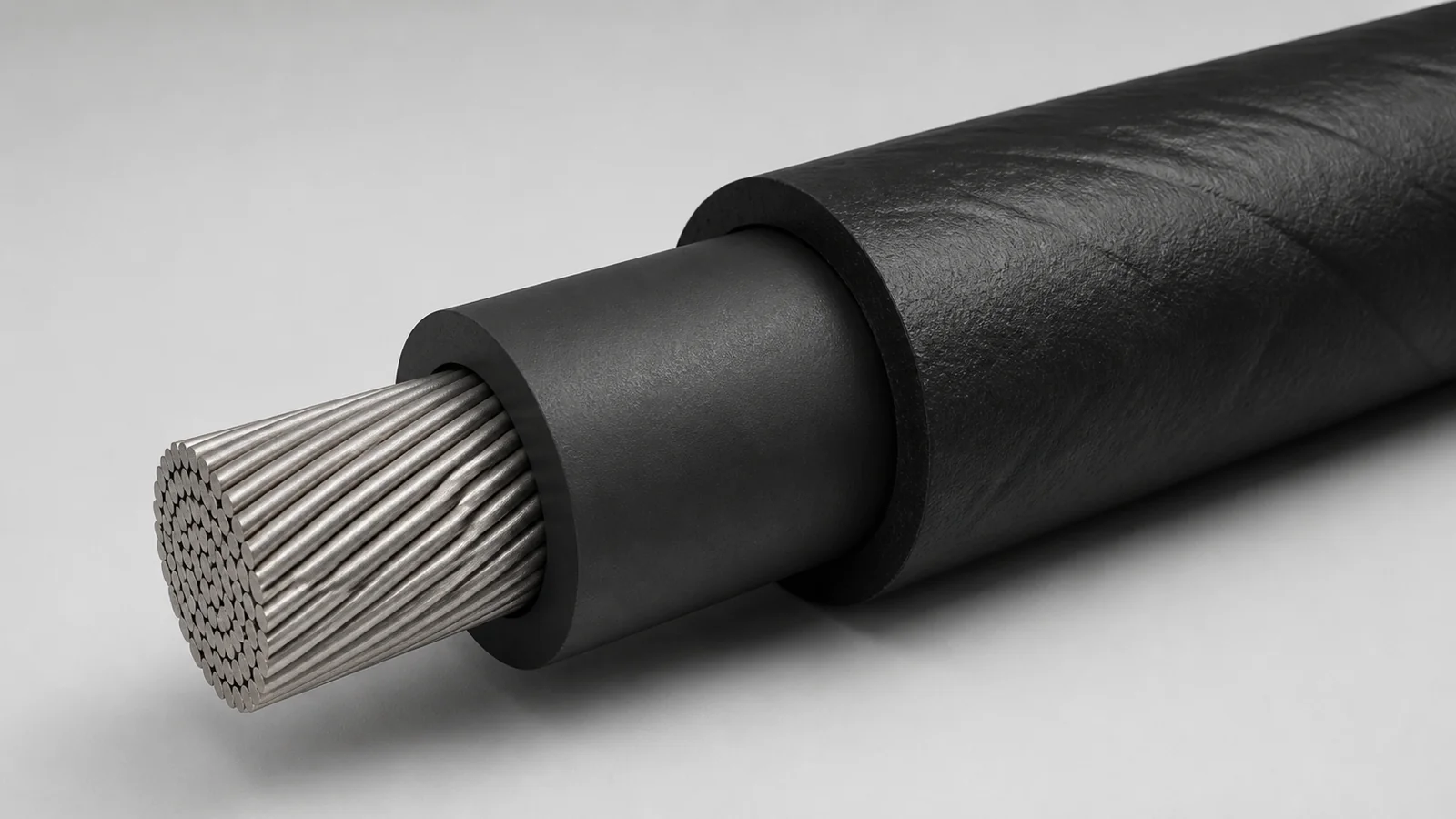
Copper and aluminum have inherently different electrical conductivity:
- Copper conductivity: 58 x 10&sup6; S/m (100% IACS, International Annealed Copper Standard). Copper is the benchmark material against which all other conductor materials are measured.
- Aluminum conductivity: 35 x 10&sup6; S/m (61% IACS). Aluminum carries only 61% of the current of an equal-sized copper conductor at the same temperature.
- Resistance ratio: For the same cross-sectional area, aluminum has approximately 1.6 times the DC resistance of copper. This means an aluminum conductor must be approximately 60% larger in cross-section to carry the same current as copper.
- Temperature coefficient: Both materials increase resistance with temperature. Copper: 0.00393/°C; Aluminum: 0.00403/°C. The slightly higher coefficient of aluminum means its resistance increases slightly faster with temperature.
Physical and Mechanical Properties
| Property | Copper | Aluminum |
|---|---|---|
| Density (g/cm³) | 8.96 | 2.70 |
| Conductivity (% IACS) | 100% | 61% |
| Tensile Strength (annealed, MPa) | 200-250 | 40-50 (1350 alloy) |
| Yield Strength (MPa) | 60-70 | 20-30 |
| Elongation at Break (%) | 30-45 | 20-35 |
| Thermal Expansion (/°C) | 17 x 10⁻⁶ | 23 x 10⁻⁶ |
| Melting Point (°C) | 1083 | 660 |
| Weight for Equal Ampacity | 1.0 (baseline) | 0.5 |
| Volume for Equal Ampacity | 1.0 (baseline) | 1.6 |
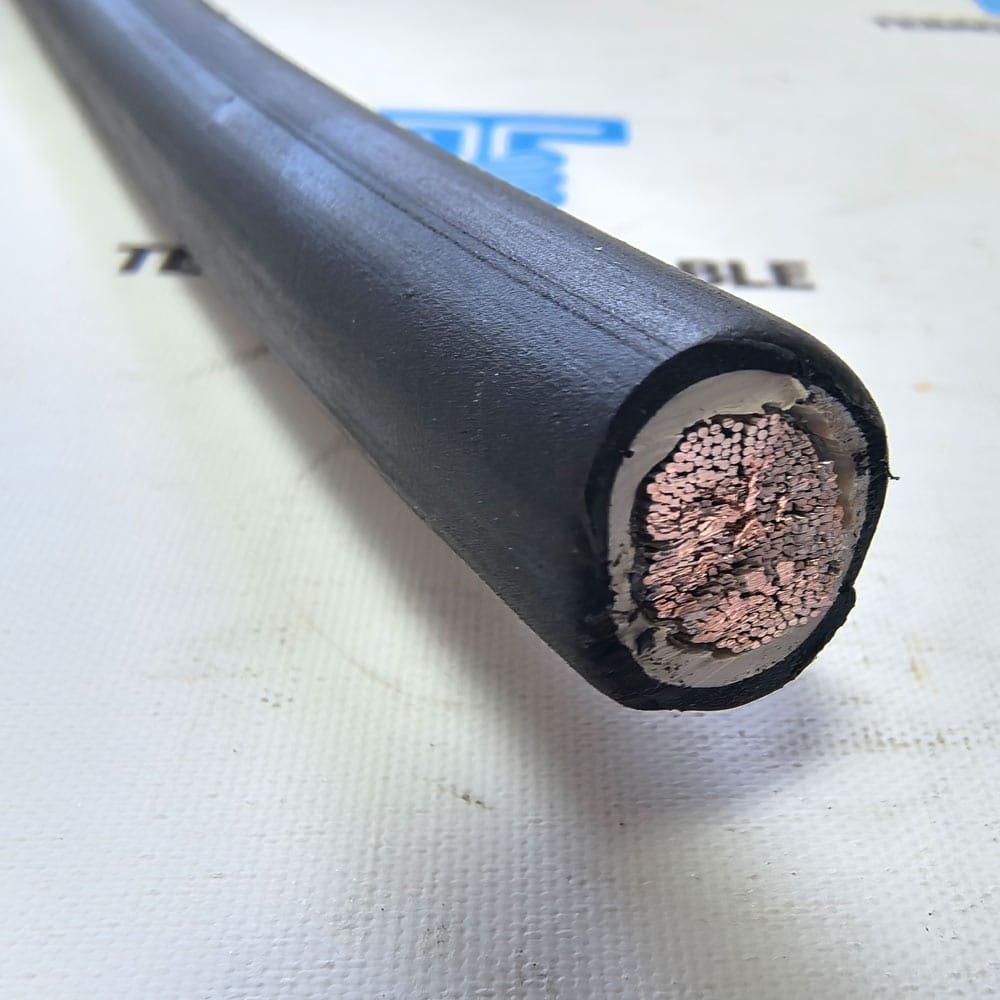
The most significant mechanical differences are weight and thermal expansion:
- Weight advantage: Aluminum is 3.3 times lighter than copper by volume. Even though an aluminum conductor must be 60% larger for equal ampacity, it still weighs approximately half as much. This weight reduction translates to lower support structure costs, easier handling, and reduced shipping costs.
- Thermal expansion: Aluminum expands 35% more than copper for the same temperature rise. This creates challenges at terminals and connectors, where differential expansion can loosen connections and cause overheating. Special bi-metallic connectors or compression lugs are required for aluminum terminations.
- Tensile strength: Copper is 4-5x stronger than annealed aluminum. While alloy 6201 and 8000-series aluminum have improved strength, copper remains stronger, making it more resistant to mechanical damage during installation and service.
Cost Comparison
The cost equation between copper and aluminum is dynamic, driven by global commodity markets:
- Raw material cost: Aluminum costs approximately 30-40% of copper per kg. However, since aluminum requires 60% more volume for equal ampacity, the raw material cost ratio is approximately 50-65% of copper for equivalent current-carrying capacity.
- Cable cost: Aluminum conductor cables typically cost 40-60% less than equivalent copper cables for the same ampacity, primarily due to the lower raw material cost.
- Installation cost: Aluminum cables are lighter, reducing installation labor for large cables. However, aluminum requires specialized connectors and installation techniques, which can offset some savings.
- Support structure savings: For overhead and tray installations, the weight reduction of aluminum allows lighter support structures, conduit, and trays, yielding additional project savings.
- Theft risk: Copper has high scrap value and is frequently stolen from construction sites and installations. Aluminum has lower scrap value, reducing theft risk and associated costs.
For current pricing on copper and aluminum cables, contact TEBAOFLEX for a quote.
When to Choose Copper Conductors
Copper is the preferred conductor material for:
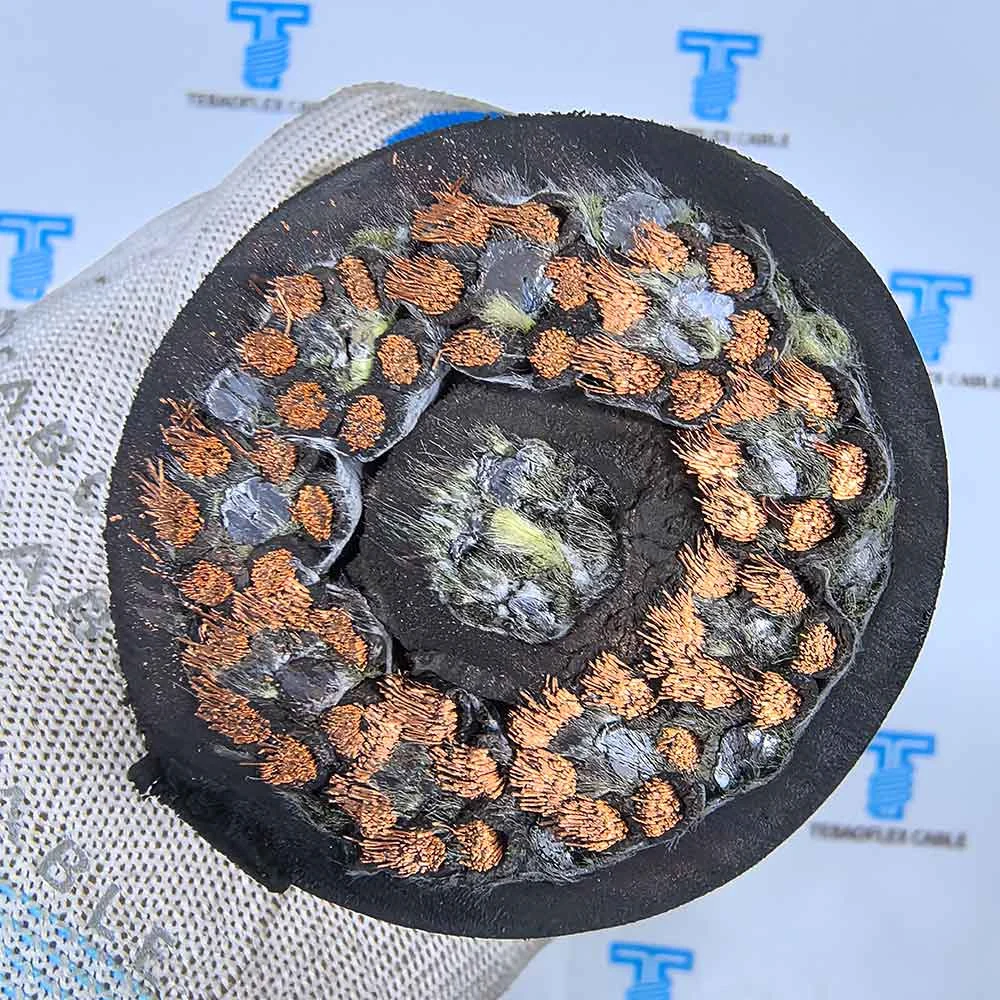
- Low voltage and control cables: For cables up to 1kV, the size difference between copper and aluminum is small, and copper’s superior mechanical properties and simpler terminations make it the practical choice
- Flexible and portable cables: Mining trailing cables, crane festoon cables, and welding cables require high flexibility and mechanical durability that only copper (Class 5/6 stranding) can provide
- Hazardous and corrosive environments: Copper is more resistant to corrosion in most industrial environments. Aluminum forms oxide layers that can cause connection problems in humid or corrosive atmospheres
- High reliability circuits: Emergency power, fire safety, and life safety circuits where connection reliability is critical benefit from copper’s lower thermal expansion and superior contact properties
- Compact installations: In conduit, raceway, and equipment terminals where space is limited, copper’s smaller cross-section allows more circuits in the same space
- Residential and commercial buildings: Building wiring codes in many countries mandate copper for branch circuits and feeders below a certain size
- Renewable energy: Solar DC cables and wind turbine cables typically use tinned copper for corrosion resistance and flexibility. See our cable selection guide for renewable applications.
When to Choose Aluminum Conductors
Aluminum is the preferred conductor material for:
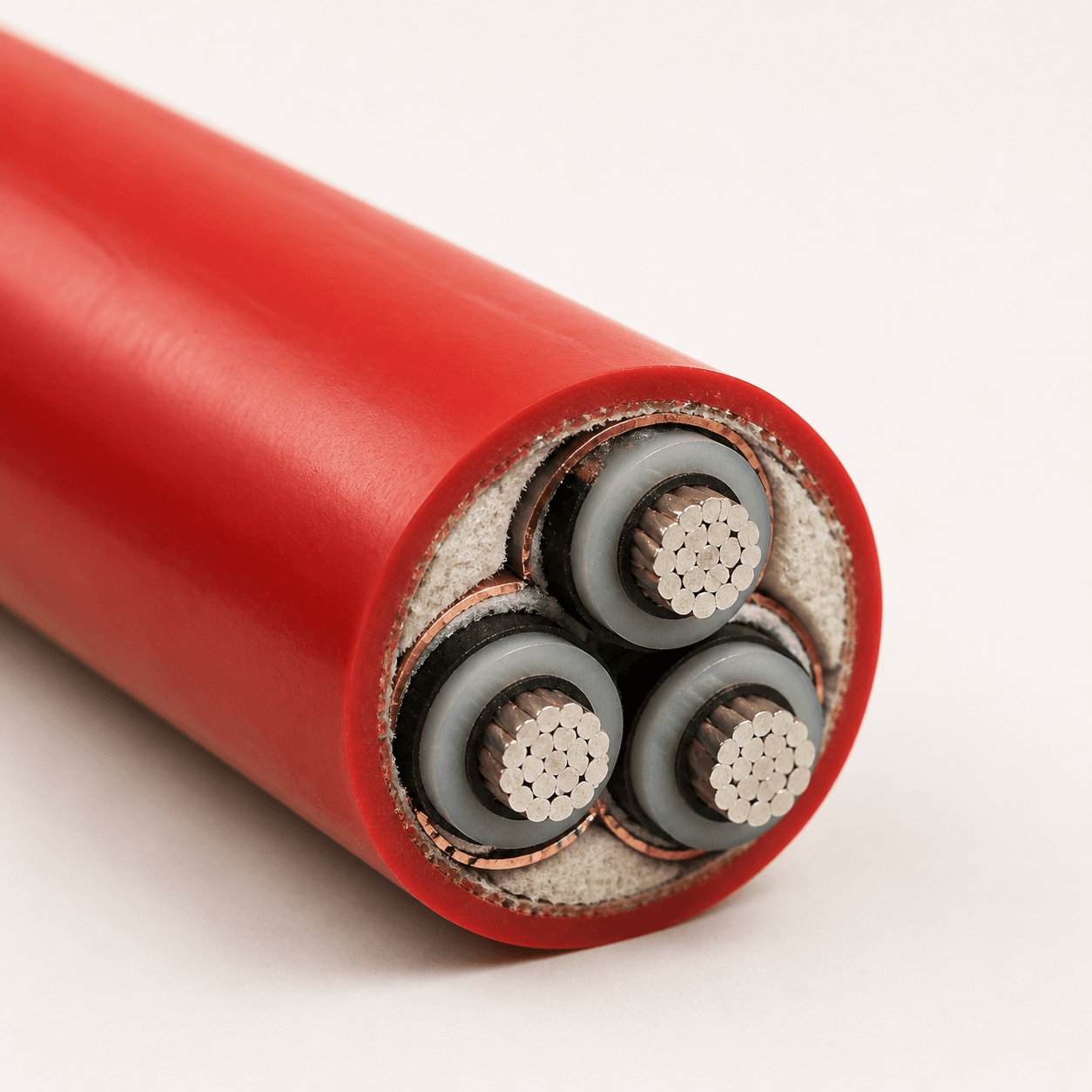
- Medium and high voltage power distribution: For cables rated 15kV and above, the weight and cost advantages of aluminum become compelling. Most utility distribution cables above 15kV use aluminum conductors.
- Large feeder cables: For building service entrances and large industrial feeders (typically 240mm² and above / 500 kcmil and above), aluminum’s weight and cost advantages dominate.
- Long runs and overhead lines: Aerial bundled cables (ABC) and overhead transmission lines use aluminum (AAC, AAAC, ACSR) for their excellent strength-to-weight ratio.
- Weight-sensitive installations: Offshore platforms, cable bridges, and structures where weight reduction is structurally important
- Cost-driven projects: When project budget is the primary constraint and the application allows aluminum (fixed, non-flexing, proper termination hardware)
- High-current busbars: Aluminum busbars are widely used in switchgear and distribution panels for currents above 1000A
Connection and Termination Considerations
The different properties of copper and aluminum require careful attention to terminations:
- Copper-copper connections: Straightforward with standard compression lugs or mechanical connectors. No special precautions beyond standard installation.
- Aluminum-aluminum connections: Require oxide-breaking compounds and spring-loaded connectors to maintain contact pressure as aluminum expands and contracts with temperature.
- Copper-aluminum connections: Direct contact between copper and aluminum can cause galvanic corrosion. Bi-metallic transition connectors (e.g., copper-aluminum compression lugs) must be used to prevent galvanic action at the interface.
- Standard requirements: IEC 61238-1 governs compression and mechanical connectors for power cables. UL 486B governs aluminum connectors in North American installations.
TEBAOFLEX provides compatible termination accessories for both copper and aluminum conductor cables. Contact us for termination guidance.
Standards and Specifications
Both conductor materials are governed by international standards:
- IEC 60228: Conductors of insulated cables. Covers both copper (Class 1-5) and aluminum (Class 1-2, 5) in various tempers
- ASTM B8: Concentric-lay-stranded copper conductors
- ASTM B231: Concentric-lay-stranded aluminum conductors (1350)
- ASTM B399: Concentric-lay-stranded aluminum alloy 6201 conductors
- ASTM B609: Compact round aluminum conductors
- BS EN 50397-1: Aerial bundled cables with aluminum conductors
View our certifications for compliance details.
Decision Framework
- Determine voltage level: LV (up to 1kV) → Copper generally preferred; MV/HV (15kV+) → Aluminum often preferred
- Assess flexibility requirement: Dynamic/flexible application → Copper only; Fixed installation → Either material
- Evaluate conductor size: Small conductors (<95mm² / <4/0 AWG) → Copper; Large conductors (>185mm² / >500 kcmil) → Aluminum more economical
- Consider environmental factors: Corrosive/humid → Copper; Dry/moderate → Either
- Check connection requirements: Standard terminals → Copper; Bi-metallic lugs acceptable → Aluminum
- Evaluate weight constraints: Weight-critical → Aluminum; Not critical → Either
- Compare total installed cost: Material + installation + support structure + connectors → Select lower total cost
- Consult manufacturer: For complex applications, contact TEBAOFLEX for engineering guidance
Why Choose TEBAOFLEX
TEBAOFLEX manufactures cables with both copper and aluminum conductors for global projects:
- LV copper cables: H07RN-F, YY/YSLY, building wires
- LV aluminum cables: NAYY, NA2XY for distribution feeders
- Medium voltage cables with both copper and aluminum conductors (IEC 60502)
- Flexible copper cables for mining, crane, and industrial applications
- Custom conductor configurations including compact stranded, segmented, and Milliken designs
Our engineering team helps you select the right conductor material based on your application requirements. Browse our product catalog or request a consultation.
Request a Quote
Need copper or aluminum conductor cables? Our technical team will respond within 24 hours with specifications, conductor options, and pricing. Submit your cable inquiry to TEBAOFLEX.