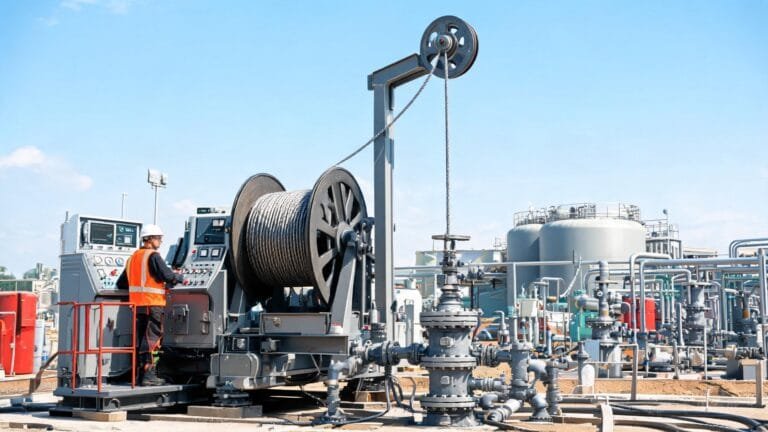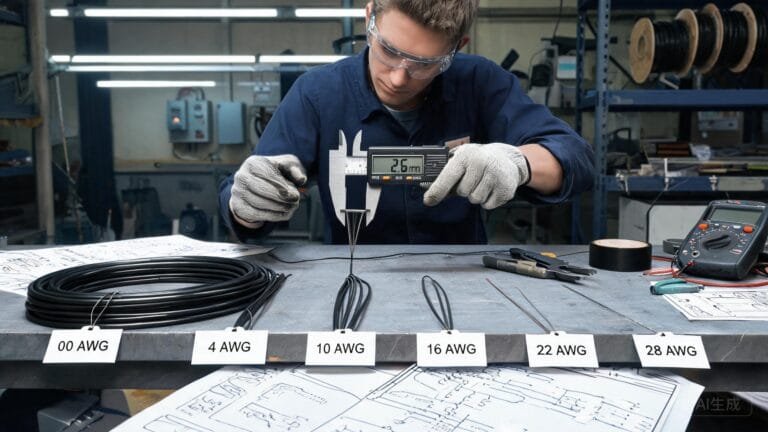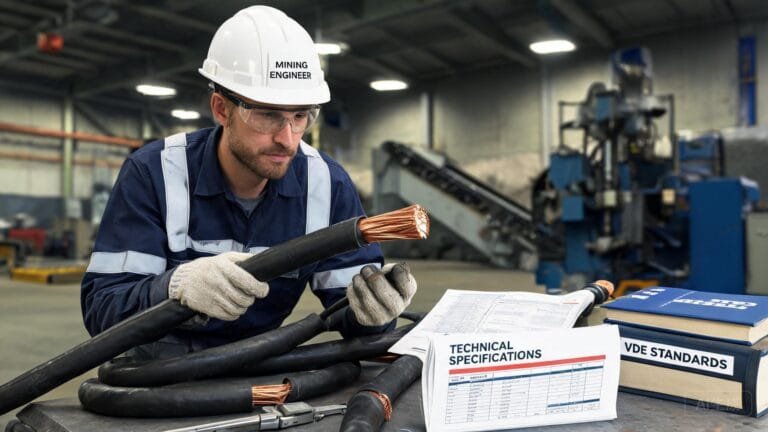

Choosing between PUR and PVC cable is not a matter of naming one material as universally better. It is a specification decision that must connect the cable’s electrical function with its movement, installation route and local environment. In industrial equipment, the jacket may face abrasion, oil or coolant contact, repeated flexing, routing through a cable carrier, or simply a protected fixed installation. The right answer depends on those conditions and on the complete cable construction.
This guide compares PUR cable vs PVC cable for engineers, OEMs and industrial buyers. It explains where each material is commonly considered, which comparisons are useful, which assumptions to avoid, and what information to provide before requesting a quotation.
PUR vs PVC Cable: Start with the Complete Construction
“PUR cable” and “PVC cable” are convenient shorthand, but they can hide important differences. A cable may use one material for insulation and another for the outer sheath. It may also include a screen, textile reinforcement, filler elements, twisted pairs or a protective conductor. These features can change how the cable is installed and used.
Before comparing materials, identify which layer is under discussion. Is the requirement for insulation, outer jacket, both, or a cable assembly with a specific connector and motion duty? A product carrying a PUR outer sheath is not automatically suitable for every moving application, and a PVC-sheathed cable is not automatically limited to a single type of fixed wiring. The product datasheet and the equipment’s installation conditions remain the basis for the decision.
When PUR Cable Is Commonly Considered
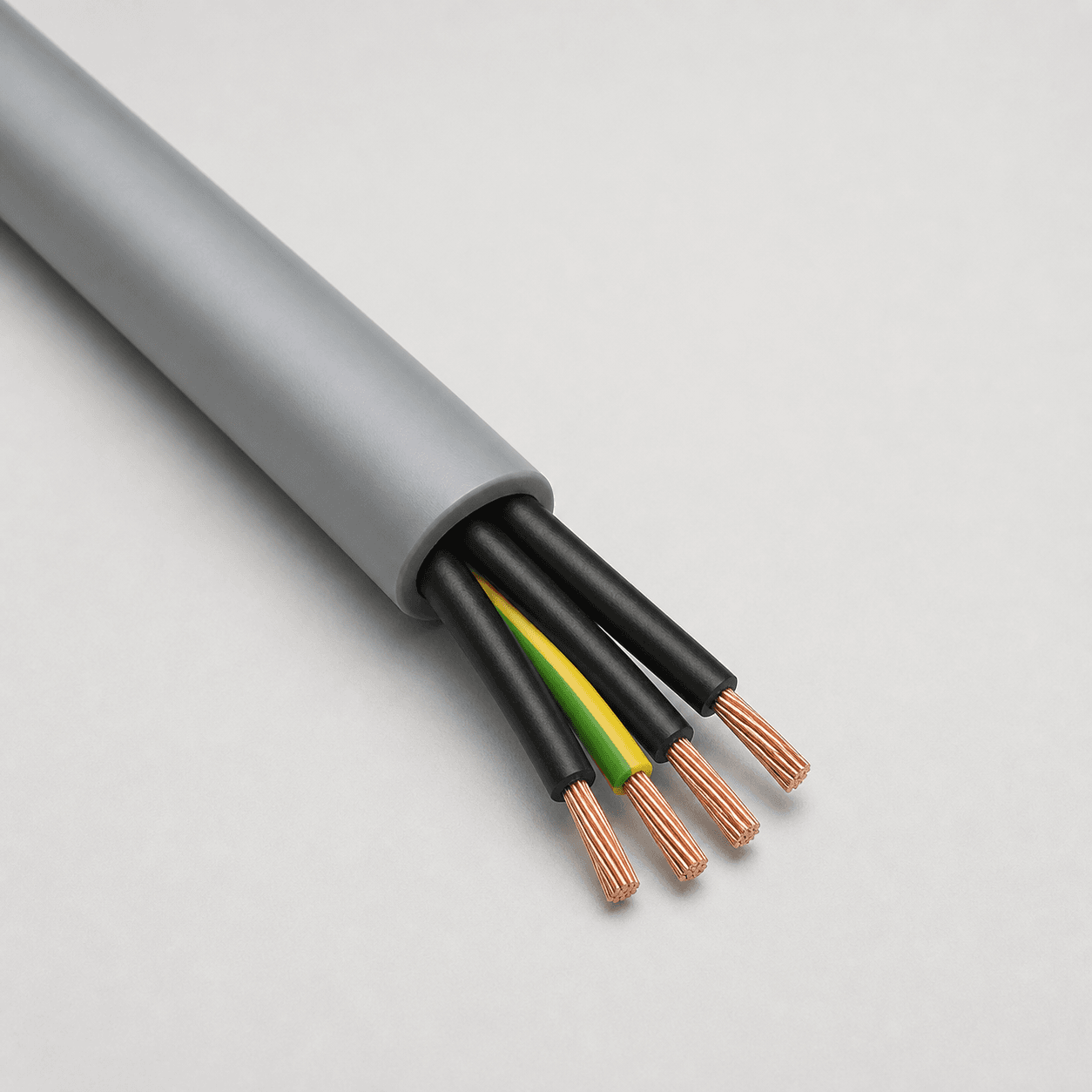
PUR, short for polyurethane, is commonly considered for industrial cable designs where the outer sheath must address demanding mechanical conditions. Depending on the specific formulation and construction, PUR-sheathed cables may be specified for flexible machinery, automation equipment, cable carriers, robotic cells, material handling systems and other installations where abrasion or movement needs close attention.
Mechanical exposure and movement
For a moving route, the key question is how the cable moves. Continuous flexing in one bending plane, torsion on a robot axis, travel inside a drag chain and occasional manual repositioning are different duties. The sheath is only one part of the solution: conductor stranding, core arrangement, screening, fillers and the overall cable geometry also influence the product’s suitability. Specify the route rather than relying on a general request for a “flexible PUR cable.”
Contact with oils, coolants and abrasion sources
PUR is often evaluated where a cable may encounter mechanical wear or industrial fluids. However, material compatibility is application-specific. The actual substance, concentration, temperature, duration and frequency of contact must be checked against the relevant product documentation. A general oil-resistant statement should not replace a review of the particular coolant, lubricant, cleaning agent or process material used at the site.
When PVC Cable Is Commonly Considered
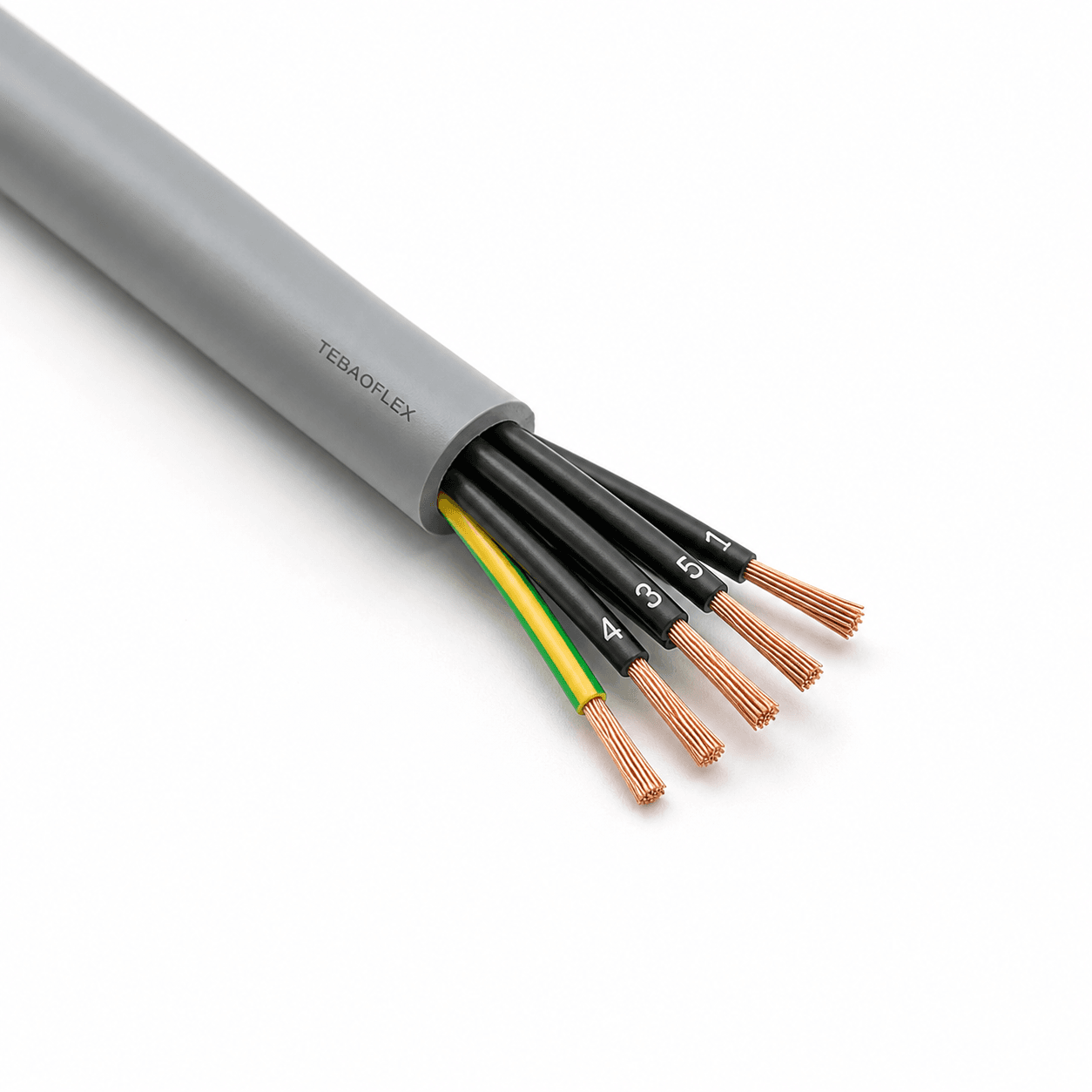
PVC, short for polyvinyl chloride, is widely used in industrial cable constructions and control wiring. It is often considered for protected indoor installations, machinery wiring and applications where the product’s verified electrical, mechanical and environmental properties match the route. PVC-based constructions can offer a practical solution when the installation duty does not require the particular mechanical or environmental characteristics sought from another jacket material.
For a fixed or lightly moving connection, define the expected handling and installation conditions instead of assuming that “PVC” tells the whole story. The cable may need a screen, numbered cores, a protective conductor, a specified voltage rating, flame-performance characteristics or compatibility with a particular cable gland and connector. These requirements come from the equipment design and applicable documentation, not from the sheath material alone.
PUR Cable vs PVC Cable: Practical Comparison
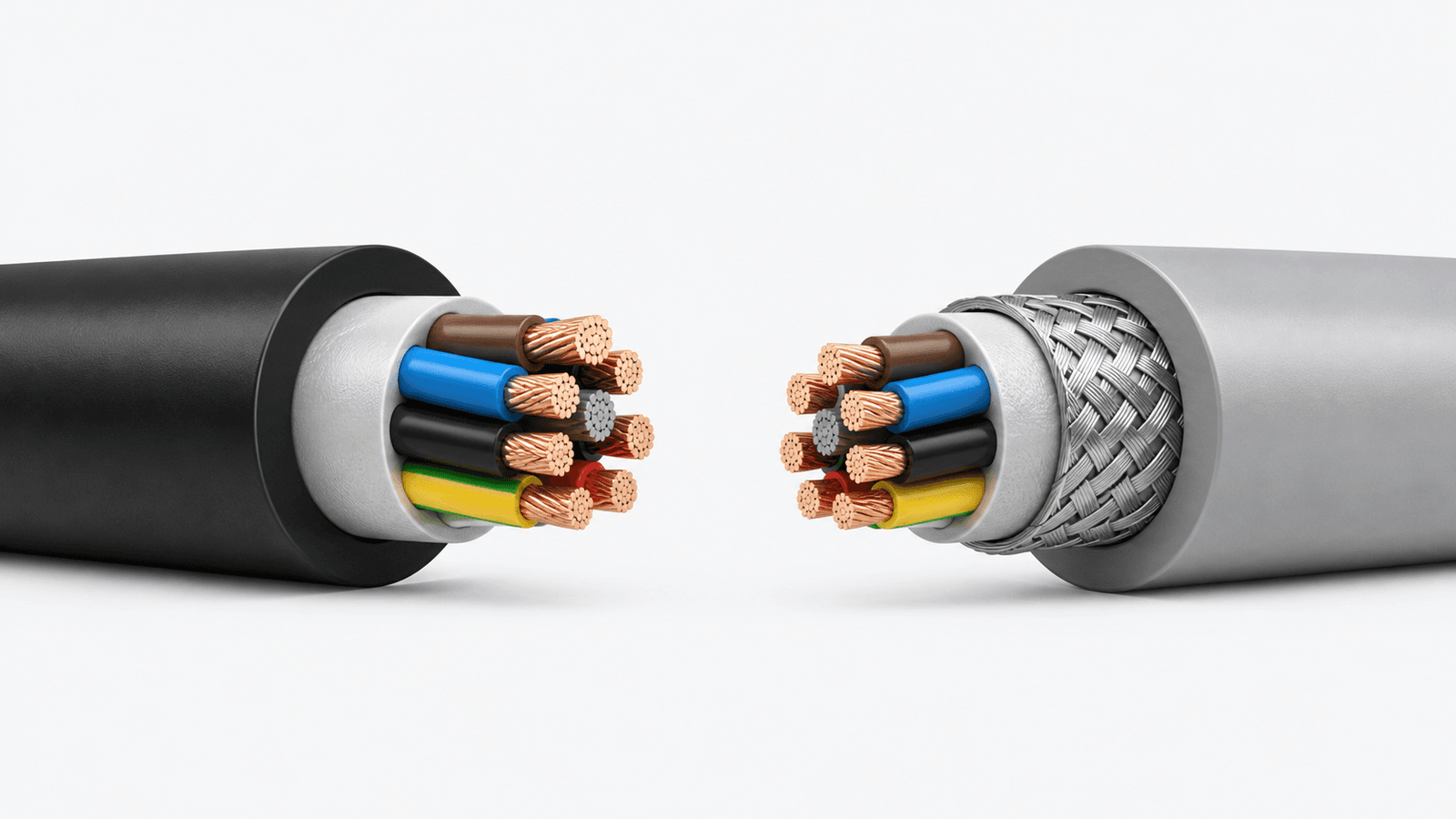
The table below is a selection framework, not a substitute for a datasheet. It avoids treating either material as an automatic pass or fail. A cable supplier should review the complete construction and the actual application before confirming suitability.
| Selection factor | How PUR is commonly evaluated | How PVC is commonly evaluated | What the buyer should confirm |
|---|---|---|---|
| Installation duty | Often considered for demanding flexible or mechanically exposed routes. | Often considered for general industrial wiring and protected installations. | Fixed, occasional movement, continuous flexing, torsion or carrier travel. |
| Mechanical contact | May be selected where abrasion or handling exposure is a concern. | Suitability depends on the specific product and physical route. | Guide surfaces, sharp edges, rubbing points, strain relief and cable protection. |
| Oil or coolant exposure | Compatibility must be checked against the relevant product documentation. | Compatibility must be checked against the relevant product documentation. | Exact substance, contact frequency, temperature and cleaning process. |
| Flexibility | Commonly reviewed for flexible industrial cable designs. | Can be suitable where the documented construction matches the movement duty. | Bending path, movement type, cable carrier details and available space. |
| Electrical function | May be used for power, control, feedback or combined constructions. | May be used for power and control constructions. | Voltage, conductor size, core count, shielding, signal or feedback requirement. |
| Commercial decision | Evaluate total installed value for the confirmed duty. | Evaluate total installed value for the confirmed duty. | Quantity, standardization plan, required markings, lengths and terminations. |
Match the Material to the Motion Profile
Movement is one of the most important reasons an industrial cable comparison becomes more than a material question. A cable carrier places cables in a defined route with other cables, separators and repeated travel. A robot arm can add torsion and changing bend directions. A pendant or service loop may have a different pattern again. Each case needs its own motion description.
For drag-chain installations, give the carrier type, route, travel, available bending space, cable package and any guidance details. For robotic equipment, identify the axis, where twisting occurs and how the cable is restrained. For flexible interconnections, explain whether movement is occasional during maintenance or part of the machine’s normal operating cycle. The BUFLEX-M automation and machinery application guide is a useful internal reference for assessing cable duty in industrial automation.
Do Not Ignore Electrical Construction
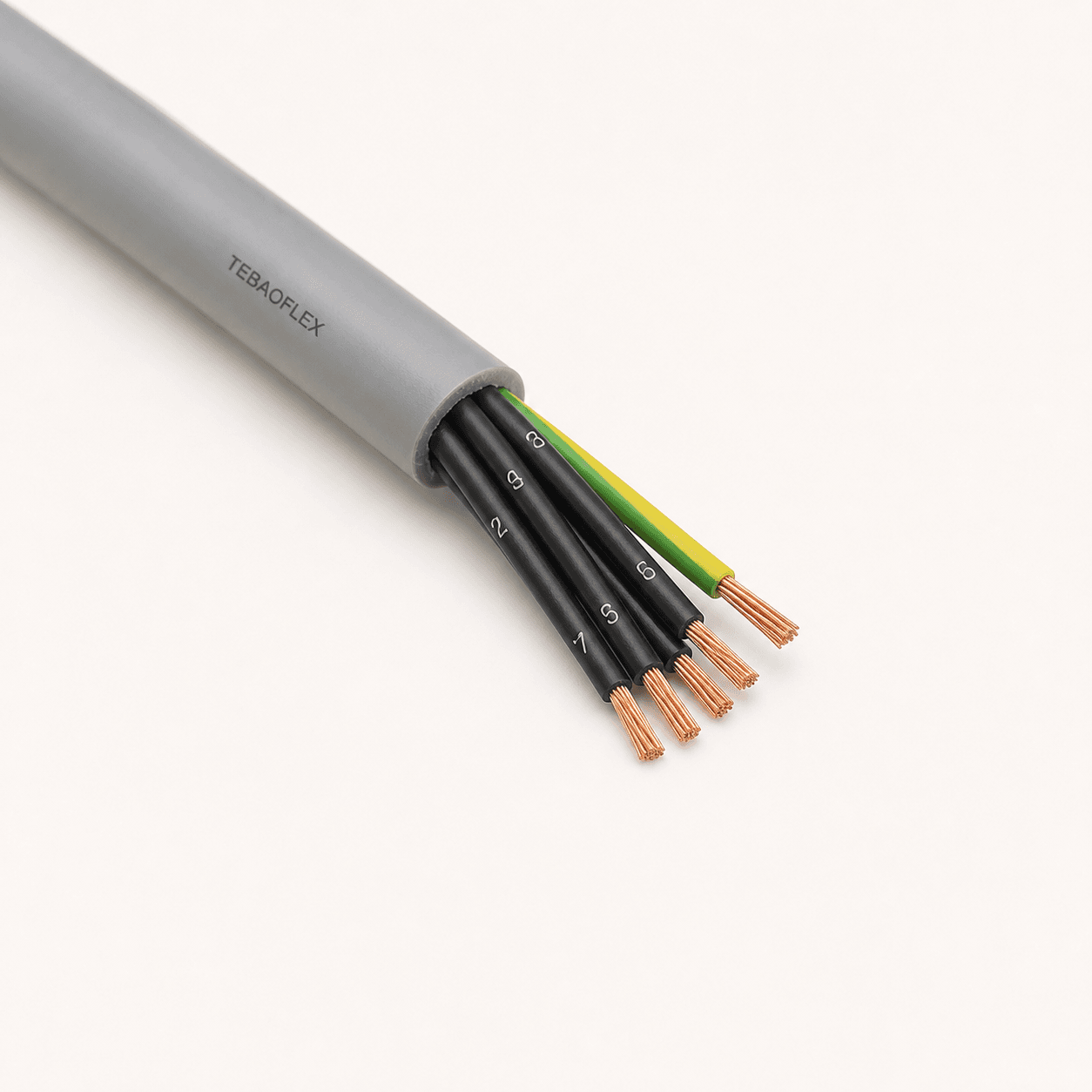
The cable material cannot compensate for an incomplete electrical specification. State the operating voltage, conductor size, number of cores, protective conductor requirement, shielding need and whether the cable carries power, control, feedback or data. If the installation is close to drives or power conductors, document the route and electrical architecture so any screening requirement can be assessed as part of the system design.
For machinery control circuits, a product family such as the JZ-500 PVC control cable guide may help define the information to compare. For a broader pre-purchase checklist, use the complete industrial cable selection guide. Neither replaces the project specification, but both can help the buyer ask a more precise question.
Common PUR vs PVC Cable Selection Mistakes
Choosing by material name alone
A material name does not state the conductor construction, voltage rating, core count, screen, movement capability or environmental compatibility. Start with the machine duty and then compare suitable cable constructions.
Using a general resistance claim without defining exposure
Oil, coolant, chemical and abrasion requirements must be specific. Record what contacts the cable, where it happens, how often and at what temperature. This turns a broad claim into information that can be checked against a datasheet.
Assuming a flexible cable suits every moving route
“Flexible” may describe handling during installation, occasional movement or a particular dynamic application. It does not communicate the geometry of a drag chain or the torsion imposed by a robot. Provide the motion profile.
Comparing purchase price without considering the installed duty
The relevant commercial comparison includes route preparation, protection, downtime risk, replacement access and the suitability of the selected cable for its defined use. This does not mean a higher-cost material is always justified; it means the decision should reflect the documented application.
What to Include in a PUR or PVC Cable RFQ
A useful request for quotation should include the application or equipment, voltage, conductor size, number of cores, required cable length, cable movement, installation environment, any oil/coolant or abrasion exposure, required standards or project documents, connector or termination needs, marking requirements and quantity. If the cable is a replacement, provide the existing cable marking, drawing or datasheet and explain the reason for the review.
This information allows TEBAOFLEX CABLE to review whether a PVC, PUR or another special cable construction better suits the project. Buyers can also explore the relevant industrial and control cable range and rubber and flexible cable range while preparing their requirements.
FAQ: PUR Cable vs PVC Cable
Is PUR always better than PVC for industrial cable?
No. The appropriate choice depends on the complete cable construction and the verified electrical, mechanical and environmental requirements of the installation.
Can a PVC cable be used in a moving application?
It may be possible when the specific product documentation and the movement duty support that use. Define the route and motion rather than relying on the jacket material name.
Does a PUR outer sheath confirm drag-chain suitability?
No. Drag-chain suitability depends on the complete cable design and the actual carrier installation. Confirm the product’s intended application against the relevant documentation.
Should I specify shielding when comparing PUR and PVC cables?
Specify shielding when the circuit, route and system design require it. State the signal type and nearby power equipment so the screen construction and termination method can be reviewed.
What is the fastest way to receive a suitable recommendation?
Send the equipment description, electrical requirements, movement profile, environment, required standards and quantity. A drawing, existing marking or datasheet can shorten the technical review.
Select the Cable for Its Real Industrial Duty
A useful PUR cable vs PVC cable comparison is not about a universal winner. It is about selecting a verified cable construction for the real industrial duty: the electrical function, route, motion, environmental exposure and installation method. By documenting those factors early, engineering and procurement teams can make a clearer comparison and reduce avoidable clarification before ordering.
Need help comparing PUR and PVC cable options for your equipment? Send TEBAOFLEX CABLE your application, voltage, conductor size, number of cores, movement, installation environment, required standards and quantity. Our engineering team can review the requirements and recommend a suitable cable solution. Contact TEBAOFLEX CABLE for a cable selection review.